Some people raised in the 60s and 70s grew up in a world that did not pause for feelings, convenience, or perfect conditions. If the car had no air conditioning, you rolled down the window. If you were bored, someone told you to go outside. If dinner was not your favorite, you still ate it.
That kind of childhood built a certain edge. Not always a gentle one. Not always a fair one. But it created people who could wait, stretch a dollar, fix things badly but proudly, and survive discomfort without needing a committee meeting.
You see it today at family cookouts, holiday dinners, hardware stores, church parking lots, and airport security lines. Someone older calmly handles a problem that sends everyone else into a group chat meltdown.
These things people raised in the 60s and 70s do are not proof that younger generations are weak. They are reminders that different eras trained people for different kinds of survival.
They Can Sit With Boredom Without Panicking

People raised in the 60s and 70s did not have a glowing screen ready to rescue every dull moment. Long car rides, slow afternoons, waiting rooms, and summer days often came with nothing but imagination, siblings, or staring out a window.
That made boredom less of an emergency. Today, many people reach for a phone within seconds of silence, but older generations often learned to let their minds wander, tolerate quiet, and survive long waits without constant stimulation.
They Fix Things Before Replacing Them
A lot of people raised in the 60s and 70s came from homes where broken did not automatically mean garbage. Lamps were rewired, pants were patched, chairs were tightened, and appliances were coaxed back to life with patience, tools, and mild profanity.
That habit still shows up today. They may not know every modern app, but they can often look at a loose handle, a clogged drain, or a wobbly table and believe it deserves one more chance before anyone spends money.
They Stretch Money Like It Has Elastic
Many families from that era knew how quickly money could disappear. Gas, groceries, mortgages, and layoffs were real worries, and the great inflation years left many households thinking carefully about every dollar.
That created adults who save plastic containers, compare prices, reuse foil, watch utility bills, and treat leftovers like a financial strategy. Younger people may laugh, but that habit often comes from living through times when waste felt careless.
They Handle Heat, Cold, and Discomfort Like It’s Normal

People raised in the 60s and 70s often grew up without the comfort controls many Americans now expect everywhere. Homes, schools, cars, and workplaces were not always perfectly cooled, heated, softened, padded, or adjusted.
Because of that, they can be strangely calm in uncomfortable situations. A hot room, a hard chair, a delayed flight, or a long walk may annoy them, but it does not always feel like a personal attack.
They Know How to Drop By Without Turning It Into a Production
Older generations often grew up in a more casual social rhythm. People knocked on doors, borrowed sugar, visited neighbors, sat on porches, and showed up without sending three texts, a calendar invite, and a location pin.
For younger generations, that can feel terrifying. But for people raised in the 60s and 70s, spontaneous visits were part of everyday life, especially when phones were shared by households and social plans did not depend on constant digital confirmation.
They Can Navigate Without Their Phone
People raised in the 60s and 70s learned streets through memory, landmarks, paper maps, and wrong turns. They knew which gas station meant the highway was closed and which weird tree meant the cousin’s house was two blocks away.
That skill still feels almost magical now. Many younger people trust GPS for everything, but older adults often carry a mental map built over years of paying attention to roads rather than waiting for a voice to say “turn right.”
They Were Raised to Eat What Was Served
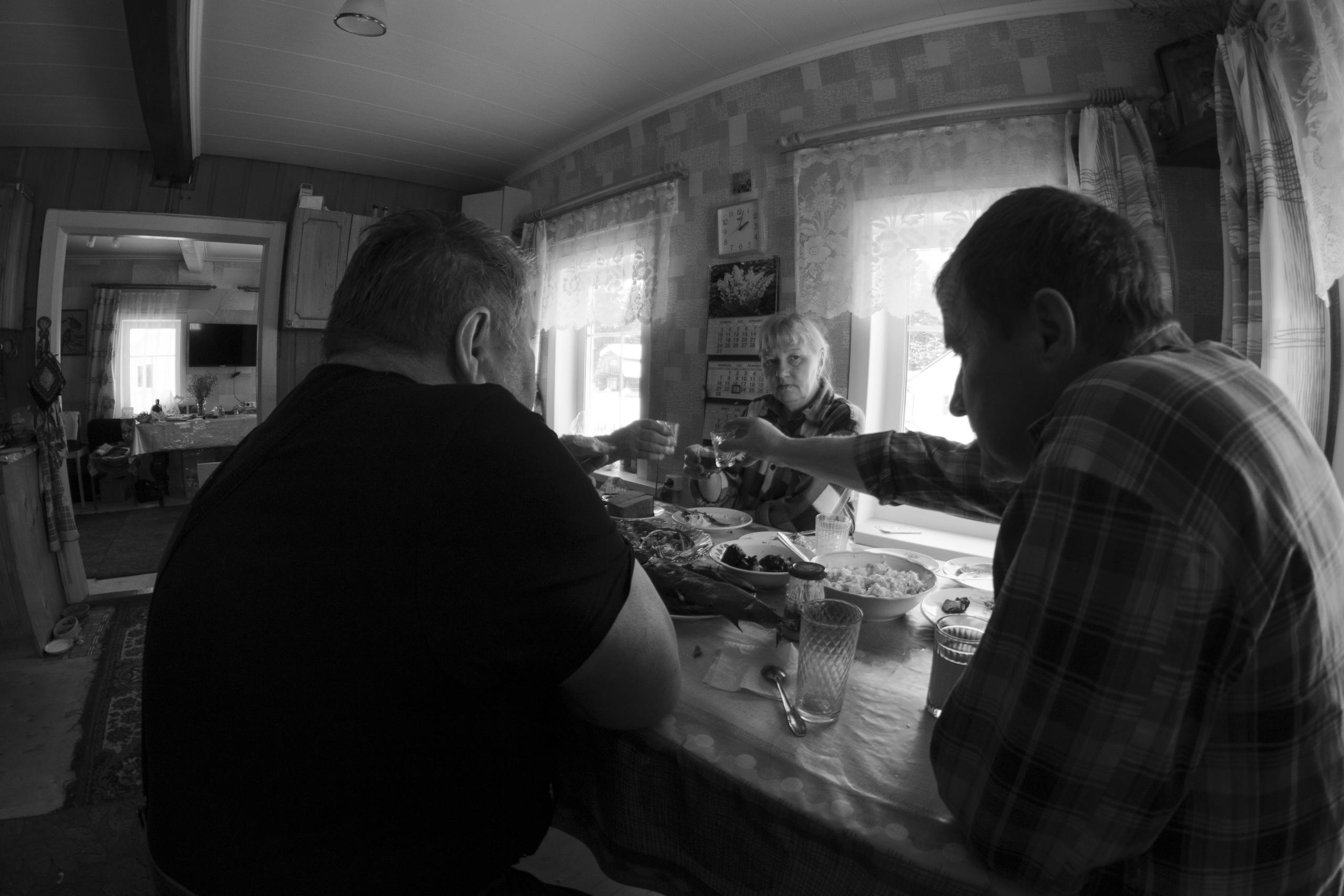
In many homes, dinner was not a negotiation. You ate what was on the table, picked around what you hated, or sat there until someone decided the standoff was over.
That lesson could be harsh, especially for kids with real food needs or sensitivities. Still, it created adults who can often handle plain meals, leftovers, awkward potluck dishes, and less-than-perfect food without turning the situation into a crisis.
They Lived Through Fewer Safety Cushions
People raised in the 60s and 70s often remember a safer world around. Kids rode bikes without helmets, climbed questionable playground equipment, sat in the back of station wagons, and learned the hard way that concrete always wins.
Today’s safety rules exist for good reasons, and many have saved lives. Still, older generations remember when seat belt safety was not treated with the same urgency, which partly explains why they sometimes seem less rattled by risk.
They Can Work Through Tasks They Hate
A lot of people raised in the 60s and 70s were not constantly asked if a task felt meaningful. They mowed lawns, washed dishes, babysat siblings, cleaned garages, folded laundry, delivered papers, and helped adults without turning every chore into a moral debate.
That does not mean every old-school expectation was healthy. But it did teach endurance. Many older adults can push through boring or unpleasant work because they were taught early that feelings did not always get a vote before the job got done.
They Remember When Home Entertainment Was Limited

People who grew up in the 60s and 70s came of age when entertainment had limits. You watched what was on, waited for your favorite show, listened to the radio, played records, read magazines, or found something to do outside.
Television was already powerful, but the household media world was far smaller than today’s endless streaming and scrolling universe. The rise in TV household ownership changed American homes, but it did not create the instant, personalized entertainment bubble that younger generations now treat as normal.