The Senate voted 90-6 in the early hours of Saturday to fund the federal government through Dec. 11. The vote came more than seven weeks ahead of the Sept. 30 deadline. The stopgap bill now heads to the House, which has already committed to a different funding plan.
The 6 no votes included:
- Kentucky Republican Rand Paul
- Louisiana Republican Bill Cassidy
- Virginia Democrat Tim Kaine
- Massachusetts Democrats Ed Markey and Elizabeth Warren
- Independent Bernie Sanders of Vermont
The bill cleared a cloture vote 91-6 hours earlier, a margin large enough to signal broad appetite for avoiding a repeat of last year’s record shutdown before voters head to the polls.
Senate leaders moved early to dodge election-season chaos
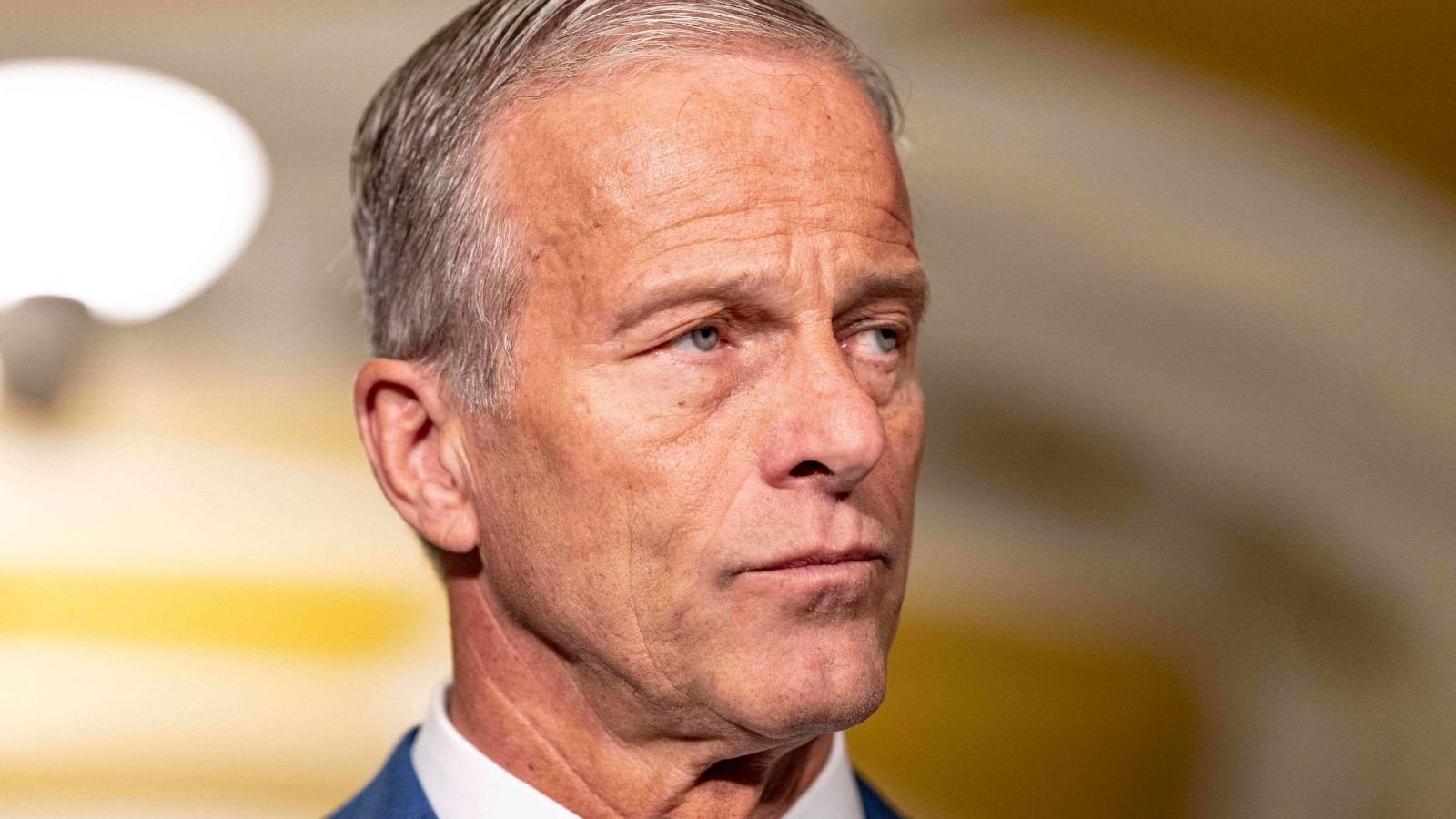
Senate Majority Leader John Thune pointed to the chamber’s recent history of turbulent funding fights. He said that history was why senators were acting weeks ahead of schedule instead of waiting for the usual late-September scramble.
The push comes less than a year after the government endured a 43-day shutdown from October to November 2025, the longest in the nation’s history, which ended only after Senate Democrats splintered and 60 votes materialized for a reopening bill.
Lawmakers on both sides now describe this round as an attempt to defuse a fight before it can dominate midterm campaigns.
The bill blocks a Trump grant rule Democrats call political
Beyond keeping agencies running at current levels, the continuing resolution also temporarily blocks a proposal from the Office of Management and Budget. The proposal would give political appointees final sign-off over federal science grants, a provision Appropriations Committee Chair Susan Collins pushed hard to secure.
Collins told reporters the administration was not thrilled but ultimately accepted the restriction because many of us felt very strongly about it. The measure also bars further funding for Immigration and Customs Enforcement or Customs and Border Protection through this bill. Democrats note that both agencies are already funded through the end of President Trump’s term.
A House-passed version already sets up a collision
The House left town last month after approving its own continuing resolution on a near party-line 220-205 vote. That bill would fund the government only through Dec. 4, a week earlier than the Senate’s timeline. It also lacks the Senate’s grant-rule restriction and the ICE and CBP funding carve-out.
Speaker Mike Johnson now faces a choice between:
- Bringing up the more bipartisan Senate product, which could pass with Democratic votes, or
- Trying to hold his conference to the House’s narrower version when members return Aug. 31.
Hemp derailed floor time before the final vote arrived
Passage nearly slipped past the weekend because of a fight over a White House-backed provision delaying a ban on hemp-derived THC products until December. The dispute consumed days of Republican infighting before the Senate ultimately tabled the amendment. That cleared the way for a one-month delay of the ban.
Darline Graham, who succeeded her late brother Lindsey Graham in the Senate, voted present rather than yes or no because the bill included a death benefit tied to her own appointment.
Confirmations and a rejected voter ID push filled the marathon session
Senators used the same overnight stretch to confirm Todd Blanche as permanent attorney general after a bruising fight and to vote down a Republican-backed voter identification measure for federal elections.
A separate bipartisan proposal from Commerce Committee Chairman Ted Cruz and Washington Democrat Maria Cantwell to set new pay and recruiting rules for college athletes was delayed until September after negotiators could not finish a deal in time.
Debt keeps climbing while lawmakers punt the bigger fight
The continuing resolution extends current spending levels rather than resolving the deeper dispute over fiscal 2027 appropriations. It also leaves the national debt, now near $39.8 trillion, untouched by this round of negotiations.
Senate appropriators remain deadlocked over top-line spending figures and have yet to bring any of their 12 annual funding bills to the floor this year, even after clearing an initial $180 billion tranche covering veterans, agriculture and military construction accounts before the August break.
Appropriations veterans have called that early passage a test run for a chamber that, by its own members’ admission, had grown rusty at doing individual funding bills the old-fashioned way.
What happens next hinges on a fractured House GOP conference
Saturday’s vote cleared what many in the Capitol consider the harder chamber to move. The House now returns from a five-week recess with barely four weeks before funding lapses. Lawmakers remain divided over the hemp provision, the grant-rule freeze, and the immigration carve-outs.
Republican Sen. Mike Rounds of South Dakota said opponents of a longer delay were not trying to force a shutdown. He said they wanted to continue debating the details in December. That signaled that the fight was being postponed rather than resolved.
Whether Johnson can bridge that gap without triggering the shutdown both parties say they want to avoid remains an open question. The issue now hangs over Washington as lawmakers head into the late-summer recess ahead of November’s midterms.
For federal workers who lived through last winter’s 43-day closure, back pay delays and furlough notices are not abstractions. Roughly six weeks now separate Congress from a decision point that will fall in the middle of election-season campaigning. That timing gives both parties added incentive to find a path neither side has managed to sustain in recent budget cycles.