WASHINGTON — Ariana Grande’s music has become the latest soundtrack in America’s culture war after the White House used her 2024 song “Bye” in a social media video promoting immigration arrests, prompting the pop star to publicly demand that the administration stop using her work.
The dispute began after the White House posted a TikTok video showing federal agents arresting and handcuffing people while Grande’s song played over the footage. The video’s caption praised President Donald Trump’s border record, turning a glossy pop track into a sharp political message tied to immigration enforcement, according to White House video reporting from Fox News.
Grande responded in the comments section and made it clear she did not want her music associated with the post. Reuters reported that the singer told the administration not to use her music to promote what she described as cruel immigration messaging, citing her objection to its use.
Grande Turns a TikTok Comment Into a Public Rebuke
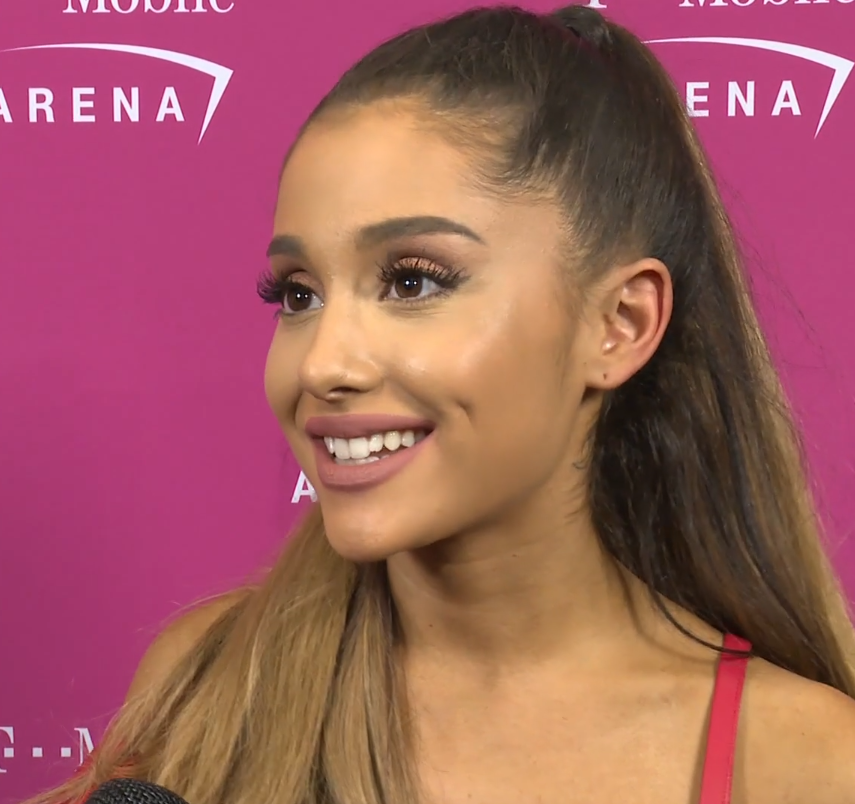
Pure DOPE Magazine, via Wikimedia Commons licensed under CC BY 3.0
Grande’s response was not a quiet complaint sent through lawyers. It was a public rebuke delivered directly on the platform where the video appeared.
The singer objected to the use of “Bye,” a track from her 2024 album “Eternal Sunshine,” after the White House paired it with ICE arrest footage. People reported that the video was posted on June 9 and that Grande commented on it on June 11, according to the TikTok post’s details.
Her message carried more force than a standard licensing dispute. Grande was not only saying the song was used without her blessing. She was saying the emotional tone of her music had been pulled into a political message she found unacceptable.
That is why the story moved quickly from entertainment news into a broader fight over immigration, celebrity speech, and political branding.
White House Defends Its Immigration Message
The White House did not back away from the video’s message after Grande criticized it. Fox News reported that White House spokesperson Abigail Jackson pushed back by saying the real outrage should be directed at criminal illegal immigrants who harmed Americans, according to spokesperson pushed back.
That response turned the clash into a full public exchange. Grande framed the video as cruel. The White House framed the enforcement footage as a necessary message about public safety.
Neither side was really arguing only about a song. The deeper fight was about whether pop culture should be used to make deportation and arrest footage feel catchy, viral, and politically useful.
The Song Was Later Muted
After Grande’s objection, the audio was removed or muted from the TikTok video. Entertainment Weekly reported that the White House video no longer featured Grande’s song after the backlash, and the song was later muted.
That change did not erase the controversy. By then, screenshots, reposts, and headlines had already pushed the fight beyond TikTok.
The muted sound also raised a bigger question for artists. Even when a song is removed amid backlash, its political use may already have done its job by generating attention.
For the White House, the video sparked national conversation about immigration enforcement. For Grande, the response created a clear public record that she rejected the use of her music in that context.
Why the Use of “Bye” Hit a Nerve
The song choice mattered because of its title and tone. “Bye” is a pop farewell track, and the White House caption leaned into that meaning as it presented immigration arrests.
To supporters of the administration, the video may have looked like a pointed joke about enforcement. To critics, it appeared to make a spectacle out of people being detained.
The Los Angeles Times reported that the video showed federal agents handcuffing people while Grande’s song played, and that the singer objected sharply in the comments, according to ICE post-backlash.
That is where the controversy becomes larger than music rights. A government account used an artist’s work to shape the mood of a law enforcement message. Grande’s pushback was about meaning, not just melody.
Grande Joins a Growing List of Artists Objecting
Grande is not the first artist to object to the Trump administration’s political use of music. People reported that other musicians, including Sabrina Carpenter and SZA, have also criticized the administration for using their work in official or political content, according to artists who objected to this.
These disputes have become more common because social media has made music easier to attach to political content. A campaign-style video no longer needs a stadium rally or television ad to go viral. It only needs a familiar hook, a provocative caption, and a platform built for quick reaction.
That creates a constant risk for artists. Their songs can be turned into political tools before they even know the video exists.
Grande’s response shows how celebrities are becoming more aggressive in policing the use of their music in political messaging.
Immigration Politics Moves Into Entertainment Feeds
The White House video also shows how immigration enforcement is now packaged for entertainment platforms. TikTok favors short, emotional content, and music can make government messaging more dramatic and shareable.
That format changes how policy is consumed. Viewers may not see a press briefing, a policy memo, or a court filing. They may see a 20-second video with a recognizable song, a pointed caption, and images of people in custody.
That is why Grande’s objection resonated. Her song did not simply appear beside a political message. It helped carry the tone of that message.
For critics, that made the post feel like a performance built around human detention. For the administration, it was a direct way to promote its immigration agenda to a digital audience.
The Legal Question Remains Complicated
The legal side of music use on social platforms can be complicated. TikTok and other platforms often provide licensed music libraries, but artists and rights holders may still object when songs are used in political, governmental, or promotional contexts.
Grande’s team reportedly moved to address the use of the track after the video drew attention. Reuters reported that her representatives were working to have the song removed from the clip as part of a broader effort to remove songs from clips.
The dispute highlights a gap between platform mechanics and artist consent. A song may be technically available for a post, but that does not mean the artist endorses the message attached to it.
That gray area is where many political music fights now begin.
A Small Video With a Bigger Message
The White House likely knew the song choice would get attention. Grande is one of the biggest pop stars in the world, and the contrast between a dance pop track and ICE arrest footage was too sharp to feel accidental.
The administration’s style of digital messaging often rewards provocation. A celebrity backlash can extend the life of a post far beyond its original audience.
Grande’s response did the same thing from the other side. By objecting publicly, she turned the video into a story about consent, cruelty, political image-making, and the limits of celebrity music in government messaging.
That is the strange power of modern politics. A single TikTok sound can become a national argument.
What Happens Next
The immediate fight appears to have ended with the song muted, but the larger conflict is not over.
Political teams will continue using popular music to make official messages feel sharper and more viral. Artists will continue pushing back when their work is tied to causes or policies they reject.
For Grande, the message is now public. She does not want her music used in connection with ICE arrest videos or deportation messaging.
For the White House, the message is also clear. It is willing to use pop culture as a weapon in its immigration messaging, even when the artist behind the song objects.