A man whose name vanished into the deep backcountry of Washington’s Olympic National Park has finally been identified after more than two decades of uncertainty. The remains found inside a sleeping bag in a remote tent near the Sol Duc River in July 2000 belonged to Joseph Louis Serrao Jr., a Hawaii man whose family had not heard from him since 1998.
We now know his name, but the long silence around his disappearance shows how easily a person can disappear when wilderness, time, and limited evidence all work against investigators. For years, he was not Joseph to the public record. He was an unidentified man found with camping gear, winter clothing, and no usable fingerprints to carry his story home.
The National Park Service announced the identification on June 10, 2026, after a collaborative investigation involving the National Park Service Investigative Services Branch, the King County Medical Examiner’s Office, and Othram, a forensic genealogy laboratory. The breakthrough came through advanced DNA testing, genetic genealogy, family interviews, and comparison samples collected from relatives in several states, including Hawaii.
A Remote Discovery In Olympic National Park Became A 26 Year Mystery
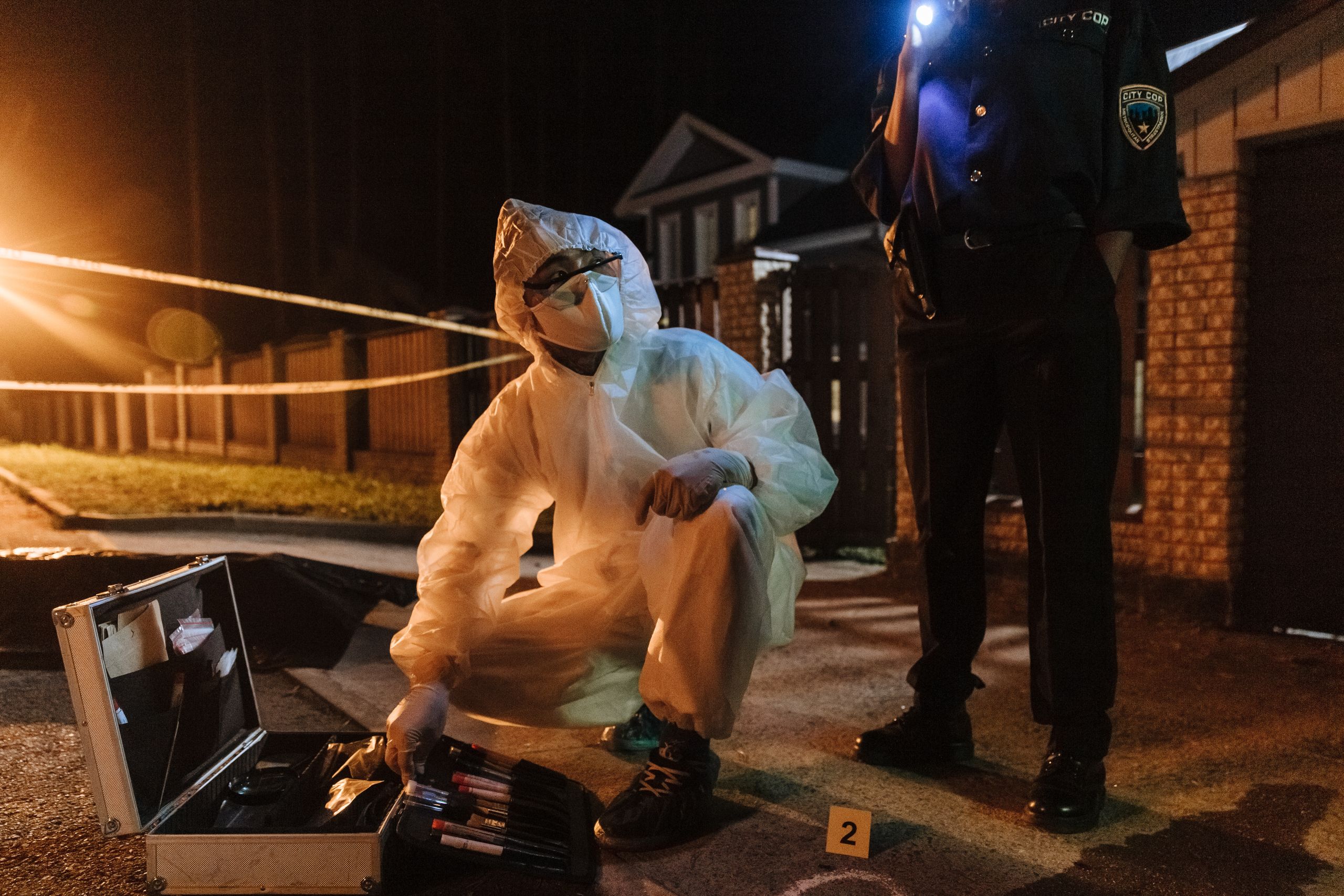
The case began on July 11, 2000, when a researcher came across skeletal remains in the Sol Duc backcountry of Olympic National Park in Clallam County, Washington. The remains were inside a sleeping bag, which was inside a tent, in a remote section of the Sol Duc River drainage.
The scene held the quiet details of someone who had once prepared for the outdoors. Investigators recovered binoculars, a day hiker pack, a blue shoulder bag, a folding saw, a space blanket, winter clothing, and other camping items. Those belongings suggested movement, planning, exposure, and isolation, but they did not give authorities the one thing they needed most.
They did not give them a name.
The remains were taken to the King County Medical Examiner’s Office, where a pathologist determined that the person was likely a man between 30 and 50 years old. Officials also concluded that he had probably been dead for at least six months and possibly as long as four years before he was found.
That timeline mattered. It placed his death somewhere between the late 1990s and 2000, the same period when Serrao’s family said they lost contact with him. Yet in 2000, without a confirmed identity, that connection could not be made.
Who Was Joseph Louis Serrao Jr.?
Joseph Louis Serrao Jr. was originally from Hawaii, according to family members who later spoke with investigators. He had been in Washington before he disappeared, and his relatives said their last known contact with him was in 1998.
Serrao was born on December 3, 1960. That means he would have been in his late 30s during the period when investigators believe he died. That age range matched the early medical examiner’s estimate, but for decades, there was no direct way to attach his identity to the remains found in the park.
This is the human center of the case. For the public, the story may sound like a forensic breakthrough. For the family, it likely carried a much heavier meaning. They spent years without a clear answer about where he was, what had happened, or whether he would ever be found.
When a missing person case stretches across decades, families are often trapped between grief and uncertainty. A death certificate may not answer every question, but a confirmed identity can end one part of the torment. It tells relatives that the person they lost did not simply vanish from the world without a trace.
Why The Sleeping Bag Remains Could Not Be Identified In 2000
The first investigation ran into a problem that defined the case for decades. Authorities had the remains, gear, a location, and a general biological profile, but they did not have usable fingerprints or identification documents that could directly identify the person.
Items recovered from the tent were processed by the Washington State Patrol Crime Laboratory. Investigators tried to obtain latent fingerprints, but no usable prints were developed. That failure mattered because fingerprint databases were one of the most practical identification tools available at the time.
DNA testing existed in 2000, but the kind of forensic genetic genealogy now used in cold cases was not yet the powerful investigative tool it has become. A case like this could stall if there were no fingerprints, no dental match, no missing person report tied clearly to the remains, and no personal identification found at the scene.
That is why the case remained unresolved even though investigators had physical evidence. The evidence was real, but it could not yet speak in a way that led them to Serrao.
How Forensic Genealogy Finally Gave The Man A Name
The major break came in 2024, when a forensic anthropologist with the King County Medical Examiner’s Office submitted a DNA sample from the remains to Othram. The lab developed a DNA profile from skeletal evidence and used forensic genealogy to generate investigative leads.
Forensic genealogy uses DNA to identify possible relatives of an unknown person. It does not simply produce a name by magic. Investigators must establish possible family connections, compare records, contact relatives, gather reference samples, and confirm whether the genetic evidence aligns with the missing person.
By 2025, Othram had identified possible family connections. The National Park Service Investigative Services Branch then contacted potential relatives in several states, including Hawaii. Investigators coordinated interviews and collected reference DNA samples for comparison.
The final identification was based on genetic evidence, genealogical research, and circumstantial evidence. Together, those pieces pointed to Joseph Louis Serrao Jr., turning a long, unidentified case into a solved identity.
Why The Sol Duc Backcountry Made The Case Harder
The Sol Duc River drainage is not an ordinary roadside location. It sits in a rugged section of Olympic National Park, a landscape known for old-growth forest, river corridors, mountain routes, and weather that can change quickly.
The Sol Duc Valley is in the northwest region of the park, west of Port Angeles. It is popular with hikers, campers, and visitors drawn to waterfalls, hot springs, salmon runs, and longer routes into the surrounding mountains. But beyond the familiar visitor areas, the backcountry can become difficult, isolated, and unforgiving.
Olympic National Park contains vast wilderness, and that matters in a missing person case. Dense vegetation can hide a campsite. River terrain can complicate access. Rain, snow, animals, and time can degrade evidence. A person can be close enough to a known route to have entered through a familiar area, yet far enough away that discovery may depend on chance.
That appears to be what happened here. Serrao’s remains were not found by a search team shortly after he disappeared. They were found by a researcher roughly two years after his family last heard from him. By then, the trail of ordinary clues had already gone cold.
The Gear Found With The Remains Tells A Quiet Story
The items recovered at the scene make the case feel painfully personal. A sleeping bag. A tent. Binoculars. A day hiker pack. A shoulder bag. A folding saw. A blanket or space blanket. Winter clothing.
These are not dramatic objects. They are the tools of a person trying to travel, camp, watch, stay warm, and survive outdoors. They suggest someone who was equipped for the wilderness yet still died in a remote place.
We should be careful not to turn those items into conclusions that investigators have not announced. The official record has not publicly explained how Serrao died. The presence of gear does not prove whether his death was accidental, medical, environmental, self-inflicted, or connected to another cause.
What the gear does show is the difficulty of the case. Investigators had many objects, but none of them gave a clear identity. Without fingerprints, documents, or an immediate missing person connection, the campsite became a frozen scene in an open wilderness, waiting for science to catch up.
Why This Case Matters Beyond One National Park
The identification of Joseph Louis Serrao Jr. is part of a larger shift in cold case work across the United States. Cases that once seemed permanently stuck are being reopened because DNA technology can now produce leads from old, degraded, or limited biological evidence.
Forensic genealogy has changed the meaning of an unidentified remains case. In the past, a case could collapse into silence if fingerprints failed and no missing person report matched. Today, DNA can sometimes point investigators toward family networks, even when the person died decades earlier.
That does not make the work simple. It still requires careful lab testing, privacy safeguards, genealogy research, law enforcement coordination, and cooperation from relatives. It also requires funding and persistence because not every case has evidence sufficient to produce a usable DNA profile.
But Serrao’s identification shows why investigators keep returning to old files. The absence of answers in 2000 did not mean answers were impossible. It meant the right tools had not yet arrived.
The Family Impact After Decades Of Not Knowing
For Serrao’s family, the identification likely reopened old grief while also closing a painful gap. They had not heard from him since 1998. For nearly three decades, they carried the uncertainty of not knowing where he was.
When a missing relative is identified after death, closure is never simple. The news confirms loss. It removes hope that the person might still be alive. It also forces families to revisit the years when every unanswered question had no place to land.
What Officials Have Not Yet Said About Serrao’s Death
The identification answers one major question, but not every question. Officials have not publicly released a final explanation for how Joseph Louis Serrao Jr. died.
That distinction matters. Identifying remains is not the same as solving the full circumstances of death. Investigators can confirm who a person was while still withholding or lacking information about the cause, manner, or exact timeline of death.
The known facts are limited. Serrao was originally from Hawaii. He had been in Washington before he went missing. His family last heard from him in 1998. His remains were found in July 2000 in a tent in the Sol Duc River drainage. A pathologist believed he had been dead for months or years before the discovery. DNA testing later confirmed his identity.