A beautiful garden does not have to rely entirely on imported flowers or complicated landscaping. In many parts of the United States, native plants can create attractive outdoor spaces while providing useful resources for local wildlife.
Native plants are species that naturally occur in a particular region before being introduced elsewhere. They are adapted to local environmental conditions, although the right choice still depends on the climate, soil, and available sunlight.
The National Garden Bureau explains that native plants can provide nectar, pollen, and seeds for butterflies, insects, birds, and other wildlife. It also notes that some become easier to maintain once established.
For homeowners looking to create a more wildlife-friendly garden, here are nine native plants worth learning about.
Purple Coneflower
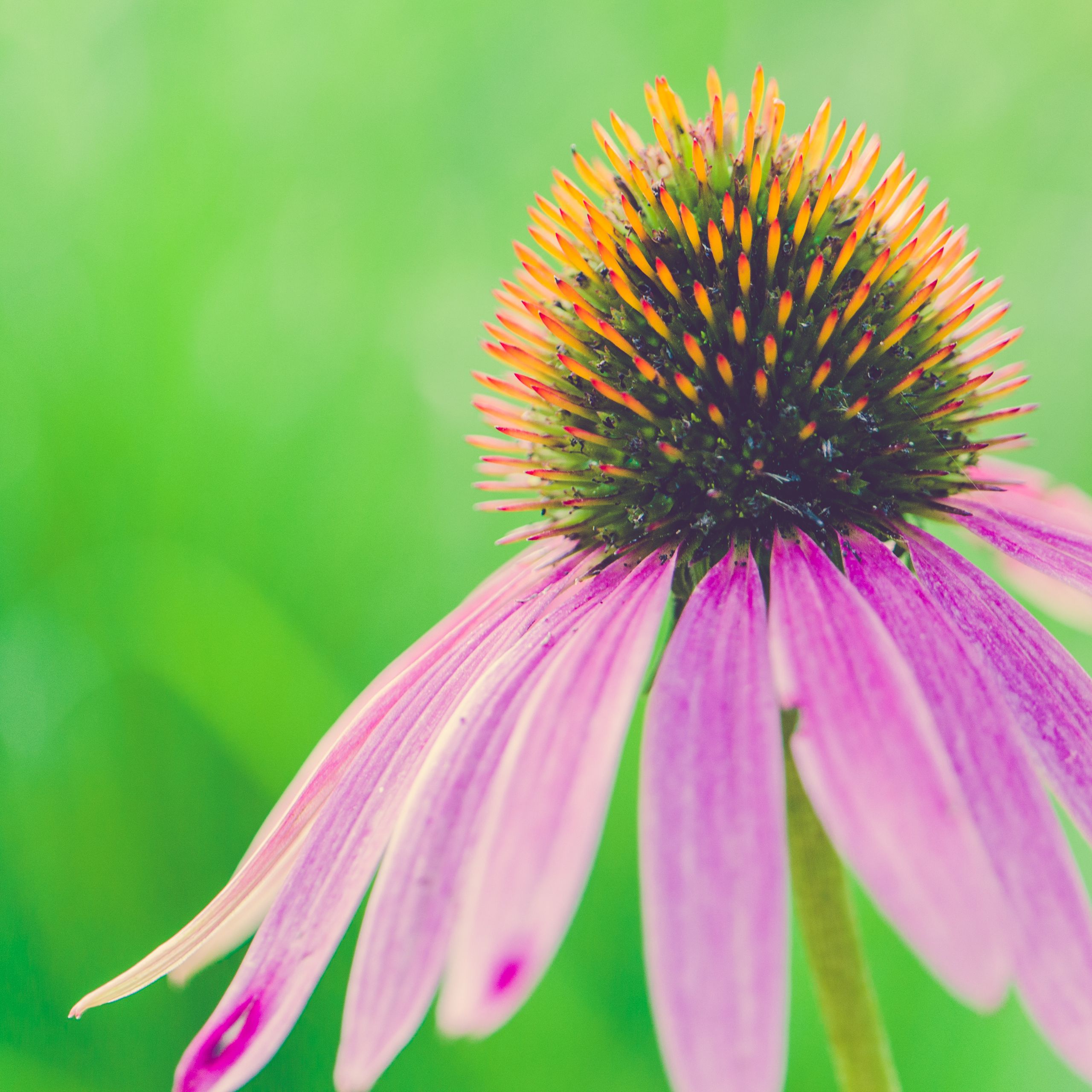
Purple coneflower, also known as Echinacea purpurea, is a familiar North American native often found in flower beds and naturalized garden spaces.
Its large pinkish-purple petals surround a raised central cone, giving it a distinctive appearance.
When it flowers, the plant attracts visiting pollinators, and its seed heads can provide food for birds later in the season.
Purple coneflower is often used in perennial gardens because it can return year after year when planted in suitable conditions.
California Poppy
California poppy is known for its bright orange flowers, although cultivated varieties can also appear in other colors.
It is native to California and is particularly associated with open, sunny landscapes.
Gardeners in suitable regions can use it in flower beds, borders, and wildflower-style planting areas.
Its appearance makes it a useful choice for people who want a colorful garden without relying entirely on large ornamental plants.
Columbine
Native columbines are recognized for their unusual flowers, which often feature distinctive spurs extending behind the petals.
Aquilegia canadensis, commonly called eastern red columbine, is native to parts of eastern North America.
It can be an interesting addition to a garden with partial shade, depending on the local growing conditions.
Before planting, check the variety’s requirements because different columbines may prefer different light and moisture conditions.
Butterfly Weed
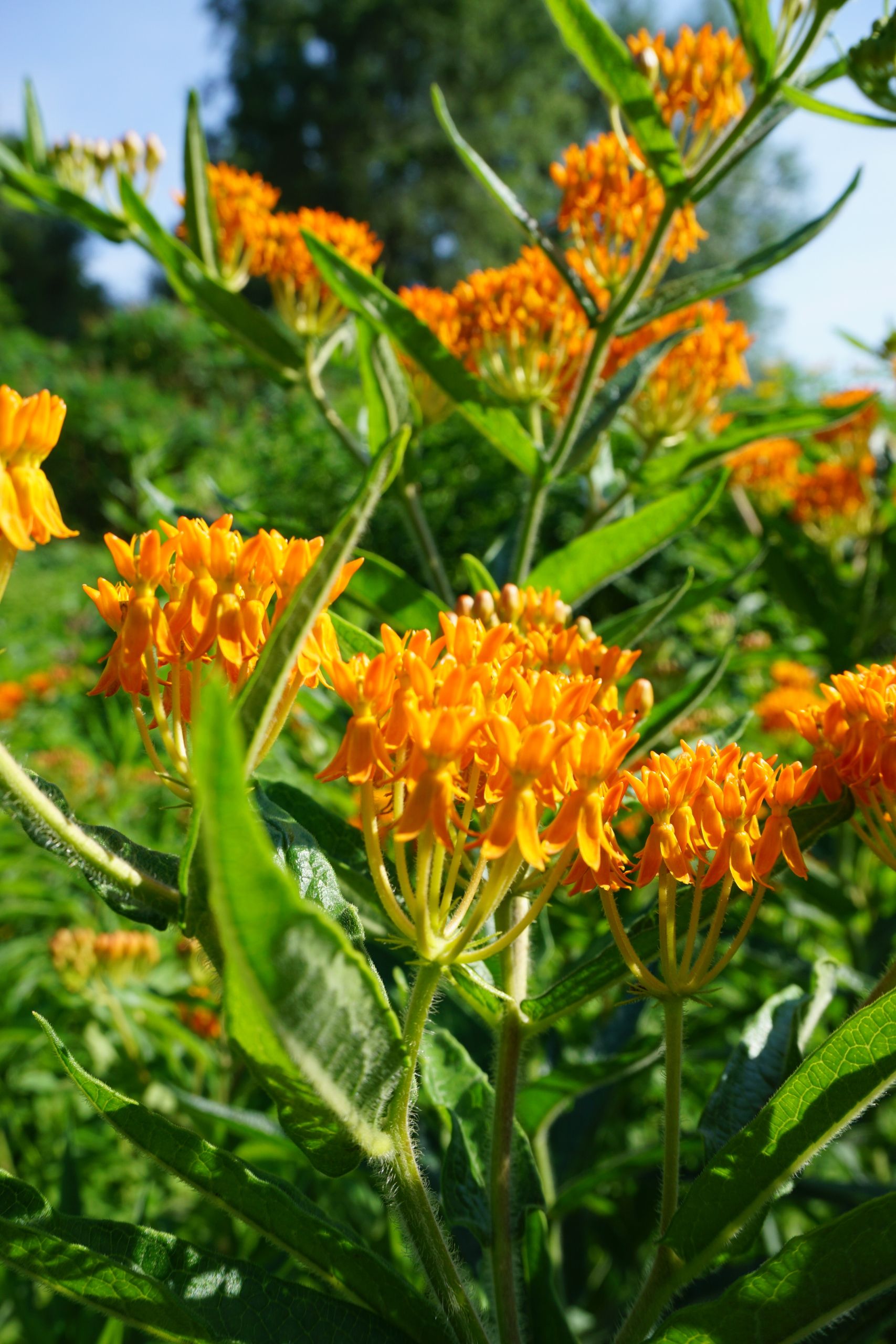
Butterfly weed, known botanically as Asclepias tuberosa, is a North American native with clusters of bright orange flowers.
It belongs to the milkweed family and can provide an important host plant for monarch butterflies.
Unlike some other milkweed varieties, butterfly weed has a more compact appearance and fits well in smaller garden beds.
It generally prefers sunny locations and suitable soil drainage, so gardeners should check local planting recommendations before purchasing it.
Texas Bluebonnet
Texas bluebonnet is one of the best-known wildflowers associated with the Lone Star State.
Its blue flower spikes can create an attractive seasonal display, particularly when planted in suitable open areas.
The species is native to Texas and is often included in regional wildflower planting projects.
Gardeners outside Texas should confirm whether the species suits their climate rather than assuming every North American native will thrive in every state.
Related: 7 Everyday Appliances That Are Silently Increasing Your Water Costs
Black-Eyed Susan
Black-eyed Susan is a familiar garden flower with golden-yellow petals and a dark central disk.
It can add color to borders, flower beds, and larger naturalized spaces.
The National Garden Bureau lists Rudbeckia hirta as a popular North American native plant.
Its seed heads can also provide a food source for birds, making it an interesting addition to gardens designed to welcome wildlife.
Goldenrod
Goldenrod is known for clusters of small yellow flowers that often appear toward the end of summer and into autumn.
Different goldenrod species are native to different parts of North America, so choose one suited to your region.
Its flowers can provide nectar and pollen for visiting insects.
Gardeners sometimes avoid goldenrod because they associate it with seasonal allergies, but goldenrod pollen is generally heavy and insect-carried rather than easily airborne like ragweed pollen.
Wild Bergamot
Wild bergamot, also called Monarda fistulosa, is a North American native with unusual lavender or pinkish flower heads.
When planted in suitable conditions, it can attract bees, butterflies, and other visiting insects.
Its appearance works well in informal garden borders and mixed perennial beds.
Gardeners should check the expected mature size before planting because some varieties can spread and occupy more room than expected.
Eastern Redbud
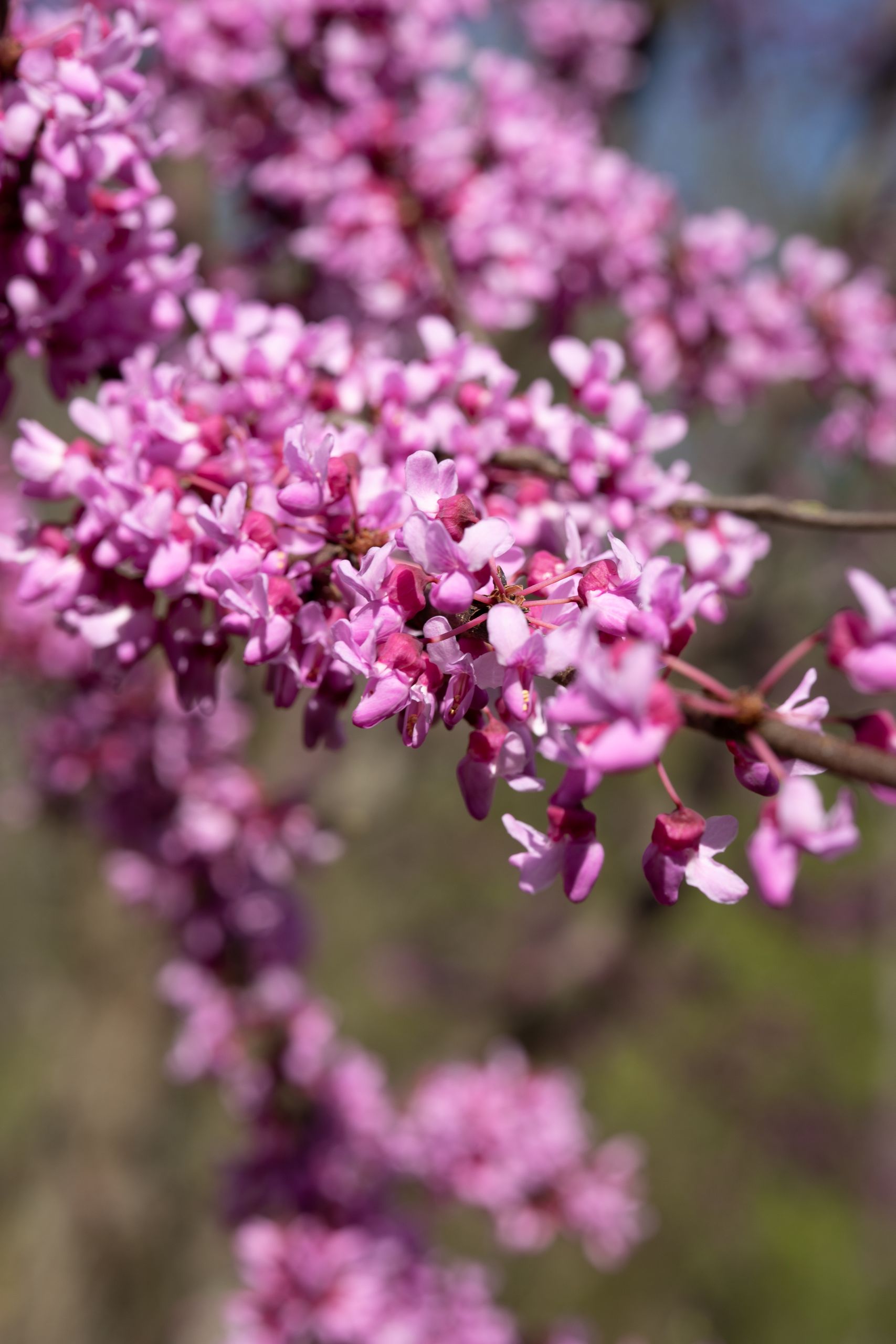
Eastern redbud is a small ornamental tree known for its pink or purple flowers, which appear along its branches in spring.
Native to eastern North America, it can serve as a focal point in a residential landscape.
Its flowering branches add seasonal interest, while the tree can also contribute to a garden’s structure year-round.
Before planting, check the space available for its mature canopy and choose a location with suitable soil and light conditions.
Related: 8 Household Items That Begin to Feel Immature After 30
How to Choose the Right Native Plants
A plant being native to the United States does not automatically mean it suits every American garden.
The National Garden Bureau emphasizes matching plants to their preferred habitat. Sunlight, soil type, water availability, and local temperatures can all influence whether a plant grows successfully.
Gardeners should also check whether a plant is native to their particular state or ecological region.
For a more diverse planting area, consider combining plants with different flowering periods. This can provide a sequence of blooms from spring through autumn rather than having every flower open at the same time.
Penn State Extension also recommends planting a variety of flowers and choosing species that provide resources for different pollinators.
Avoid collecting plants directly from the wild. Buying from reputable nurseries or getting seeds from reliable suppliers is a better approach, especially for protected species.
Final Thought
Native plants can help turn an ordinary outdoor space into a more varied garden that reflects its surrounding environment. From purple coneflowers and butterfly weed to goldenrod and eastern redbud, many options offer seasonal color and wildlife interest.
The most successful garden begins with local research. Choose plants suited to your region, give them the conditions they need, and allow the garden to develop naturally over time.