Most people hope they will never experience a nuclear emergency, but federal preparedness agencies stress that having basic emergency supplies at home can make a critical difference. From bottled water and non-perishable food to battery-powered radios and essential medicines, households should consider keeping these items ready in case of a nuclear incident or other major disaster.
The possibility of a nuclear emergency can be frightening, especially when international tensions and global security concerns dominate the headlines. Although a nuclear attack is an unlikely event for most households, emergency preparedness officials advise people not to wait until a crisis happens before thinking about their safety.
In the United States, agencies such as the Federal Emergency Management Agency (FEMA) and the Centers for Disease Control and Prevention (CDC) guide people in preparing for radiation emergencies. Their advice focuses on having enough supplies to shelter indoors, avoiding contaminated areas, and staying informed while authorities assess the situation.
One important message is that surviving a nuclear emergency is not just about having food and water. Knowing where to shelter, understanding official instructions, and avoiding unnecessary exposure to radioactive fallout are equally important.
A basic emergency kit can also help during hurricanes, power outages, floods, and other unexpected disasters.
Here are 10 important supplies to consider keeping at home.
Bottled Drinking Water
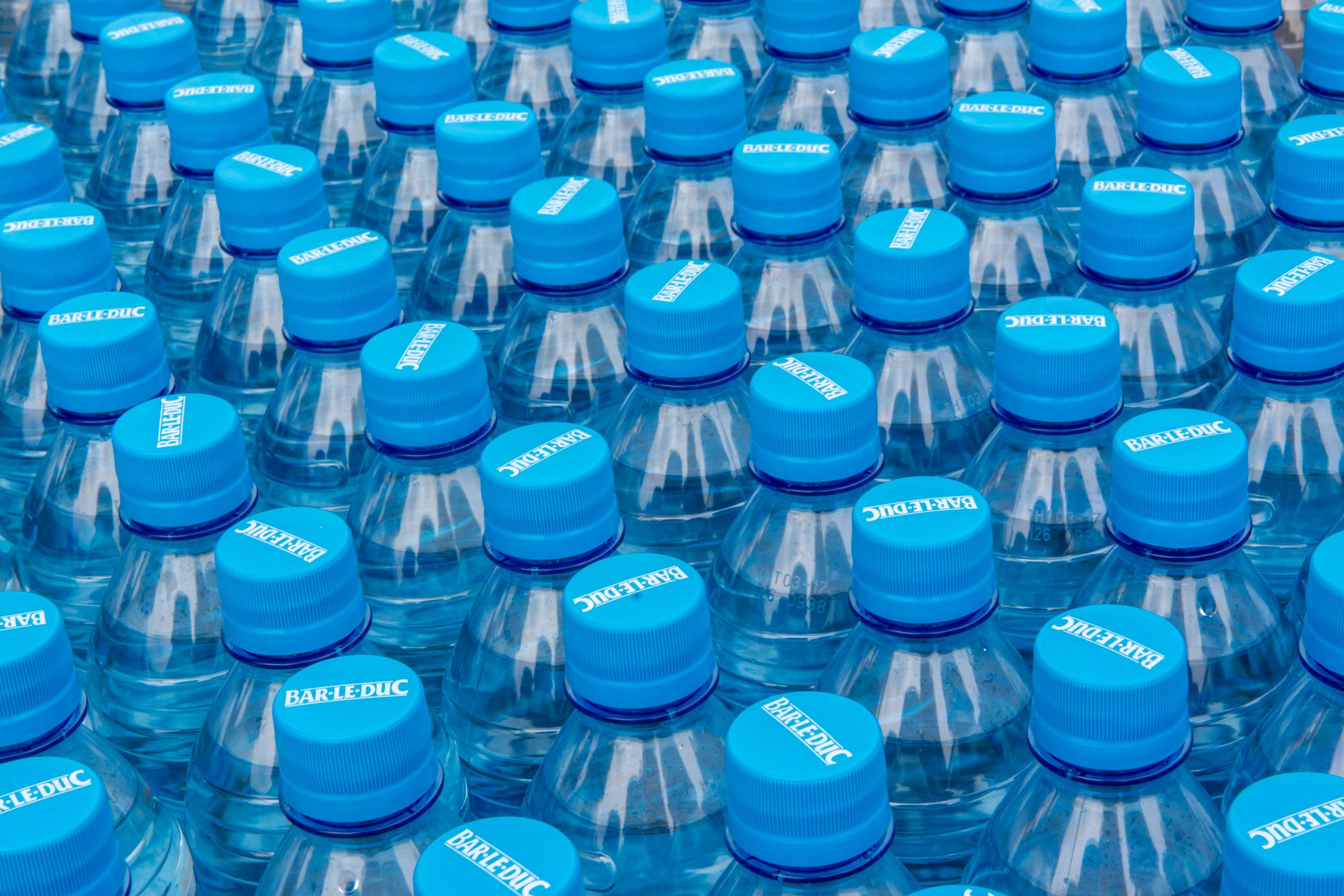
Water should be one of the first things on your emergency shopping list.
FEMA recommends storing at least one gallon of water per person per day for drinking and basic sanitation, with a minimum three-day supply for each household member.
For a family of four, that means having at least 12 gallons available.
Keep water in clean, sealed containers and store it somewhere cool and away from direct sunlight. During a radiation emergency, CDC advises drinking bottled water and avoiding potentially contaminated sources until authorities say they are safe.
Non-Perishable Food
Having enough food to last several days can make a major difference when leaving home is unsafe, or stores are unavailable.
Consider stocking canned vegetables, beans, fruit, peanut butter, crackers, dried foods, and ready-to-eat meals.
Choose foods that require little or no preparation, particularly if electricity and cooking facilities become unavailable.
Check expiration dates regularly and replace items as necessary.
Battery-Powered or Hand-Crank Radio
A reliable radio can become one of the most valuable items in an emergency.
A nuclear incident could disrupt electricity, mobile networks or internet services. A battery-powered or hand-crank radio can help you receive emergency announcements and instructions from public authorities.
Choose a model that can receive local emergency broadcasts, and keep spare batteries nearby.
Most importantly, listen for official information about sheltering, evacuation routes, and when it is safe to leave.
Flashlights and Extra Batteries
Power outages can happen during major emergencies, making ordinary household lighting unreliable.
Keep at least one dependable flashlight in your emergency kit, preferably with spare batteries.
A rechargeable flashlight can also be useful, as long as you have a way to recharge it.
Avoid relying entirely on candles, as they can create additional fire risks, especially when emergency services may be stretched.
First Aid Kit
A properly stocked first aid kit can help you manage minor injuries while waiting for medical assistance.
Include adhesive bandages, sterile gauze, antiseptic wipes, medical tape, disposable gloves, and basic wound-care supplies.
Also check the contents periodically and replace expired products.
Remember that a first aid kit cannot treat radiation sickness or serious radiation injuries. Seek professional medical assistance when needed.
Prescription Medicines
People who depend on regular medication should prioritize this.
FEMA recommends including essential prescription medicines in household emergency planning. If possible, discuss an emergency supply with your pharmacist or healthcare provider.
Remember to include medicines for chronic conditions, necessary medical equipment, and copies of prescriptions.
People who use hearing aids, glasses, or other essential medical devices should also keep relevant accessories and backup supplies available.
Personal Hygiene and Sanitation Supplies
Stocking up on supplies of toilet paper, hand sanitizer, soap, and tissues
Maintaining basic hygiene becomes especially important when a household must remain indoors for an extended period.
Keep toilet paper, soap, hand sanitizer, moist wipes, sanitary products, toothpaste, and toothbrushes in your emergency supplies.
Garbage bags and disposable gloves can also help with household sanitation.
These products are useful during ordinary power outages and other emergencies, not just radiation-related incidents.
Plastic Sheeting and Duct Tape
FEMA’s emergency preparedness checklist includes plastic sheeting and duct tape among items households may want to keep.
They can help with certain temporary household repairs and shelter-in-place preparations.
However, it is important to understand their limitations. Plastic sheeting and ordinary duct tape do not provide meaningful shielding against nuclear radiation or radioactive fallout.
Your main protection comes from getting inside a substantial building, preferably moving to a basement or the middle of the structure, away from windows and exterior walls.
Protective Clothing and Extra Blankets
Keep spare clothing, sturdy shoes, jackets, and blankets for everyone in your household.
If someone has been outside during a radiation emergency, removing their outer clothing can remove up to 90% of radioactive material on their body, according to the CDC.
Place potentially contaminated clothing in a sealed plastic bag and keep it away from people and pets.
Clean replacement clothing can help everyone remain comfortable while sheltering indoors.
Face Masks and Disposable Gloves
Face masks and disposable gloves can be useful when dealing with dust, cleaning up ordinary messes or helping someone remove potentially contaminated clothing.
A mask or cloth covering the nose and mouth may reduce the amount of radioactive material someone breathes in if they cannot immediately get indoors.
However, ordinary face masks do not block penetrating radiation, and they should never be treated as a substitute for proper shelter.
Keep several clean masks and gloves available for household use.
What to Do During a Nuclear Emergency
Emergency supplies matter, but knowing what to do when an incident occurs is equally essential.
The CDC recommends three basic steps:
Get inside: Immediately enter the nearest substantial building. Do not remain outdoors looking for information or trying to assess the situation.
Stay inside: Move to the basement or the middle of the building, away from windows, exterior walls, and the roof. Close windows and doors.
Stay tuned: Listen to emergency broadcasts and follow instructions from public safety officials.
The CDC recommends remaining sheltered for at least 24 hours unless authorities provide different instructions or the building becomes unsafe.