Have you ever wondered why carrots are orange, blueberries are blue, and spinach is green? Those colors do more than make your grocery basket look appealing. They often reveal something about the natural compounds found inside each fruit or vegetable.
The bright colors come from pigments, many of which belong to groups of plant compounds called phytonutrients. Some help protect plants from sunlight, attract pollinators, or defend against environmental stress. When we eat these plants, we also consume their vitamins, minerals, fiber, and other naturally occurring substances.
According to Harvard Health, eating a variety of colorful fruits and vegetables is a practical way to get different nutrients. But each color has its own story, and some of the most interesting benefits come from foods you probably eat every week.
Red Fruits and Vegetables: The Color of Lycopene and Anthocyanins
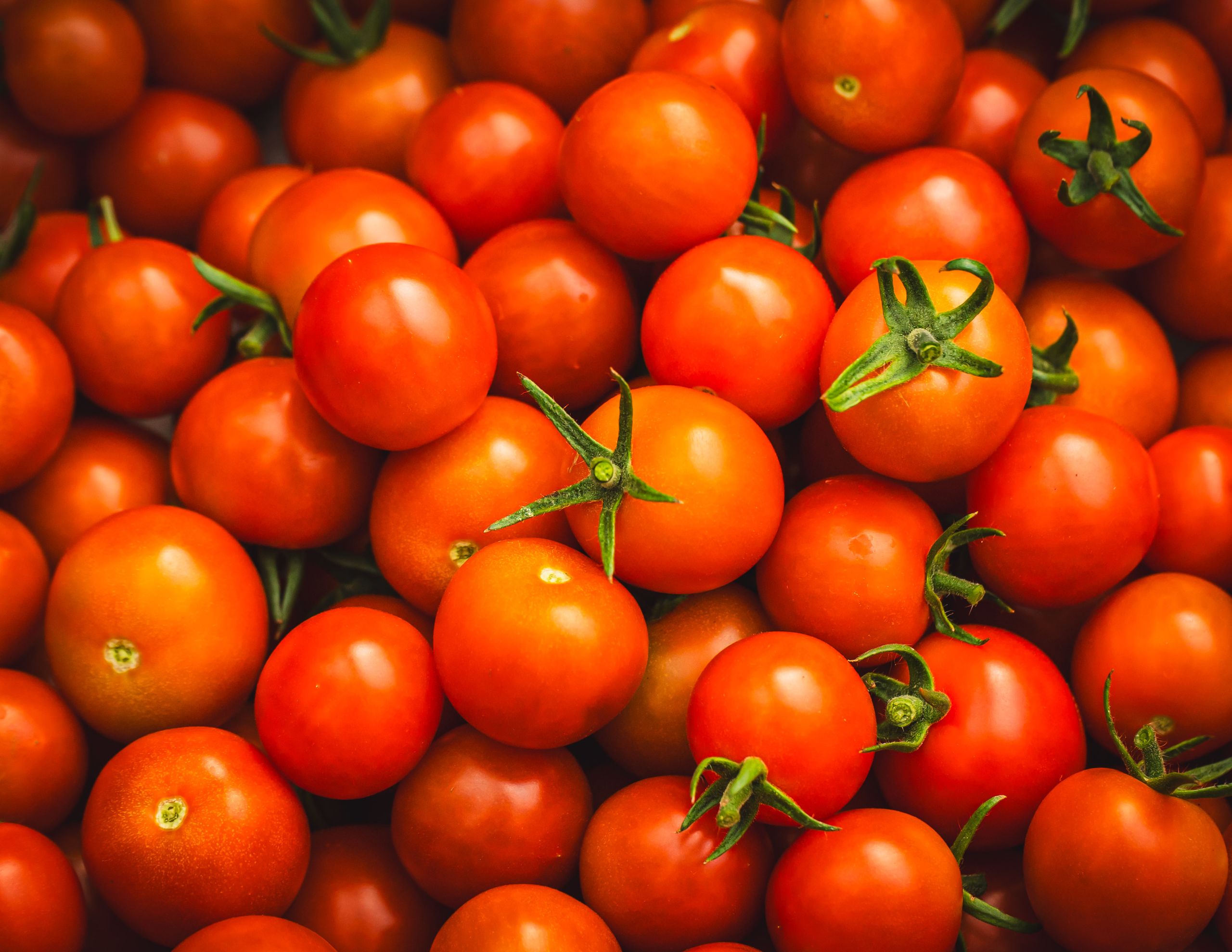
Tomatoes, strawberries, watermelon, cherries, and red bell peppers all share a vibrant color, but they don’t necessarily contain the same pigments.
Tomatoes and watermelon get much of their red color from lycopene, a carotenoid researchers have studied for its potential link to cardiovascular health. Cooking tomatoes with a little oil can make lycopene easier for the body to absorb.
Strawberries, raspberries, and cherries, meanwhile, contain anthocyanins and other plant compounds. They also provide nutrients like vitamin C and fiber.
The interesting thing about red produce is that you don’t need to eat it in one particular form. Fresh tomatoes in a sandwich, watermelon as a snack, or roasted red peppers with dinner all add variety to your diet.
Orange Fruits and Vegetables: The Color of Beta-Carotene
Carrots have been associated with good eyesight for generations. While eating carrots won’t give you perfect vision, there is a genuine reason behind the connection.
Many orange fruits and vegetables contain beta-carotene, a pigment the body can convert into vitamin A. This vitamin plays an important role in normal vision, immune function, and cell development.
Sweet potatoes, pumpkins, carrots, and cantaloupe are familiar sources of beta-carotene. Oranges and other citrus fruits may also be rich in vitamin C, but their orange color doesn’t automatically mean they contain large amounts of beta-carotene.
One easy way to include more orange produce is to roast carrots and sweet potatoes together. Cooking brings out their natural sweetness, making them a flavorful side dish with minimal prep.
Yellow Fruits and Vegetables: A Mix of Different Nutrients
Yellow produce includes bananas, lemons, pineapple, sweet corn, and yellow bell peppers.
Unlike some other color groups, yellow fruits and vegetables don’t share one dominant nutrient or pigment. Their nutritional value depends on the particular food.
Bananas contain potassium, which helps support normal muscle and nerve function. Lemons and yellow bell peppers provide vitamin C, while yellow corn contains lutein and zeaxanthin, carotenoids also found in the human eye.
Pineapple contains vitamin C and bromelain, an enzyme that can break down proteins.
This variety is what makes yellow produce interesting. Adding corn to a vegetable dish or enjoying a banana with breakfast adds different nutrients to your plate, even though both foods fall into the same color family.
Green Fruits and Vegetables: The Color of Chlorophyll
Green is probably the color most people think of when they think of vegetables. Spinach, kale, broccoli, peas, green beans, and lettuce get much of their appearance from chlorophyll, the pigment plants use to capture light for photosynthesis.
But chlorophyll isn’t the only interesting thing inside green produce.
Leafy greens provide vitamin K, which supports normal blood clotting and bone health. Spinach and kale also contain lutein and zeaxanthin, while broccoli offers vitamin C, fiber, and compounds called glucosinolates.
Green fruits have their own advantages. Kiwi provides vitamin C, while avocado contributes fiber and unsaturated fats.
If leafy salads aren’t your favorite, plenty of alternatives exist. Broccoli can be roasted, spinach can be stirred into eggs, and green peas can be added to rice or pasta.
Blue and Purple Fruits and Vegetables: The Color of Anthocyanins
Blueberries, blackberries, purple grapes, plums, and red cabbage owe much of their rich coloring to anthocyanins.
These pigments belong to a larger group of plant compounds known as flavonoids. They can produce shades ranging from red to deep blue, depending partly on the chemical environment within the plant.
Researchers have investigated anthocyanins for their potential relationships with blood vessel function, inflammation, and cognitive performance. However, these findings don’t mean a serving of blueberries can prevent memory loss or treat disease.
Purple produce also offers a wide range of flavors. Blueberries taste sweet and slightly tart, red cabbage adds crunch to salads, and roasted eggplant becomes soft.
Purple sweet potatoes are another interesting option. Certain varieties get their striking flesh color from anthocyanins, unlike orange sweet potatoes, which are generally associated with beta-carotene.
White and Brown Fruits and Vegetables: The Colors People Often Overlook
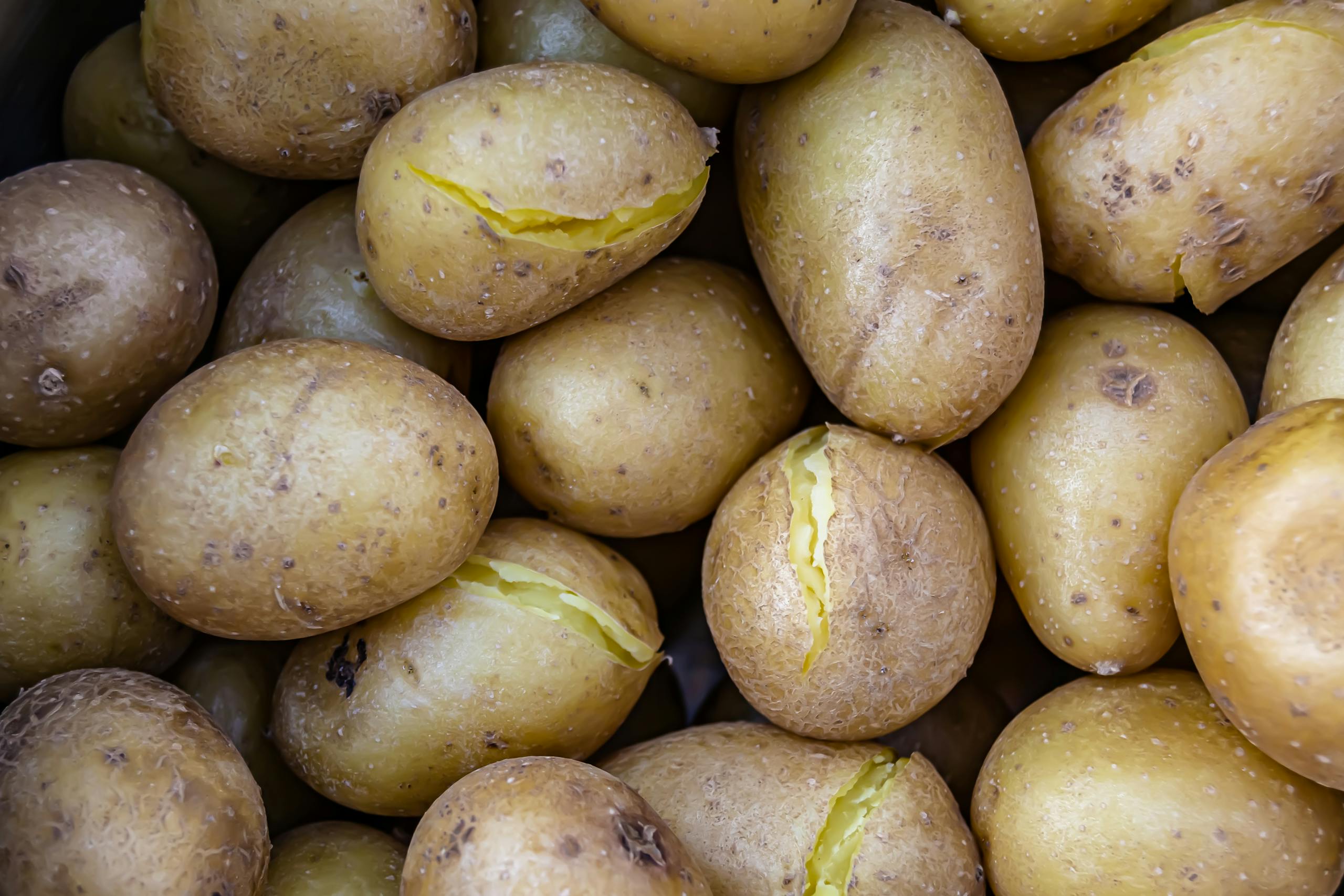
Not every nutritious fruit or vegetable comes in a bold color. Cauliflower, garlic, onions, mushrooms, and parsnips may look less exciting, but their pale appearance doesn’t make them less valuable.
Garlic and onions contain sulfur-containing compounds that contribute to their characteristic flavors and aromas. Onions also provide quercetin, a flavonoid.
Cauliflower contains vitamin C and fiber, while mushrooms offer various minerals and B vitamins. Some mushrooms can provide vitamin D when exposed to ultraviolet light.
Potatoes are another familiar example. Although white potatoes are often overshadowed by colorful vegetables, they provide potassium and other nutrients, particularly when prepared with minimal added salt and fat.
The key takeaway is that white and brown foods aren’t nutrient-poor just because they lack bright pigments.
Does a Fruit’s Color Always Tell You What’s Inside?
Color offers clues, but it doesn’t reveal everything about a food.
For example, red bell peppers and tomatoes may look similar, yet their vitamin and pigment profiles differ. Likewise, spinach and green grapes share a color but have distinct nutritional profiles.
Ripeness can also change a fruit’s appearance and composition. A banana gradually turns from green to yellow as it ripens, while tomatoes develop their familiar red color as chlorophyll breaks down and carotenoid pigments accumulate.
Cooking and preparation can also affect nutrients. Some vitamins are heat-sensitive, while cooking can make certain plant compounds easier for the body to absorb.
That’s why judging produce entirely by color can be misleading. Variety matters more than assuming every red, yellow, or green food does the same thing.
How to Add More Colors to Your Everyday Meals
You don’t need an expensive grocery list or a complicated eating plan to enjoy colorful produce.
Start with vegetables and fruits you already like. Add sliced tomatoes to breakfast, mix carrots into lunch, and include broccoli or cabbage with dinner. A banana, orange, or handful of berries can bring another color into the day.
Frozen produce is worth considering, too. Frozen peas, spinach, berries, and mixed vegetables can be convenient, especially when fresh options are unavailable or expensive.
Seasonal shopping can also help you save money. Instead of buying every color at once, rotate fruits and vegetables throughout the week based on what’s affordable.
According to the Harvard T.H. Chan School of Public Health, variety matters when choosing fruits and vegetables because different types provide different combinations of nutrients and beneficial plant compounds.
Ultimately, the colors of fruits and vegetables tell fascinating stories about how plants grow, protect themselves, and develop their distinctive appearance.
The next time you walk through the produce section, look beyond the familiar choices. A red tomato, an orange carrot, a purple cabbage, and a handful of green spinach each bring something different to the table.
The best approach isn’t to chase one special color. It’s to enjoy as many different fruits and vegetables as you reasonably can.