For millions of Americans, the morning doesn’t officially begin until the first cup of coffee. The alarm goes off, you hit snooze, and the coffee maker becomes the house’s most important appliance.
But what happens when you want to wake up feeling refreshed without depending on caffeine?
The good news is that coffee isn’t the only way to start your day feeling more alert. Simple habits such as getting natural light, moving your body, and drinking enough water can help you build a morning routine that doesn’t revolve around your favorite mug.
You don’t need expensive supplements, complicated routines, or an extra hour at the gym to get started.
Here are three practical ways to make your mornings feel a little easier.
Start Your Morning With Natural Sunlight
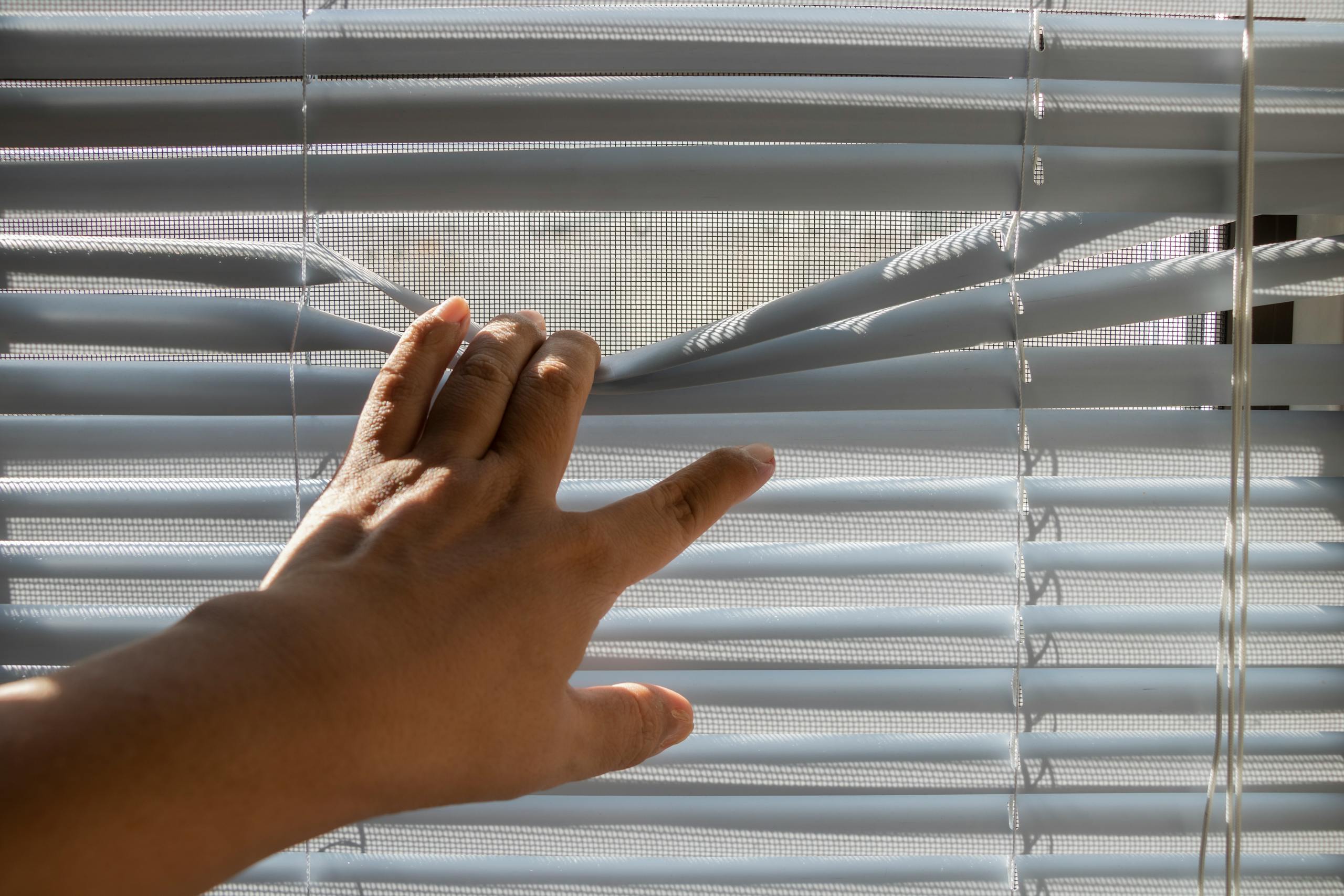
One of the simplest ways to feel more awake in the morning doesn’t come from a bottle or a coffee machine. It comes from the sun.
Your body operates on an internal clock called the circadian rhythm, which helps regulate when you feel sleepy and when you’re naturally more alert.
Light plays a major role in keeping that clock synchronized with the day.
According to the Centers for Disease Control and Prevention (CDC), bright light can increase alertness, and morning light helps regulate the body’s sleep-wake cycle.
That means opening your curtains after waking up can be more useful than immediately reaching for your phone in a dark bedroom.
You can also step outside for a short walk, eat breakfast near a sunny window, or spend a little time on your porch before starting your day.
You don’t have to stare directly into the sun. In fact, you shouldn’t. Simply spending time in a naturally bright environment is enough to make light part of your morning routine.
The benefits aren’t limited to the morning.
The CDC explains that exposure to natural light earlier in the day can also support a more consistent sleep schedule. A regular sleep routine may make waking up easier over time.
Of course, sunlight isn’t a magical replacement for sufficient sleep. If you only slept four hours, opening the curtains won’t erase your sleep debt.
However, for someone who already gets adequate rest but struggles with morning grogginess, natural light is a reasonable place to start.
Try this tomorrow: Open your curtains soon after waking up and, if possible, spend a few minutes outdoors before settling into your usual routine.
Get Your Body Moving Before the Day Gets Busy
You don’t need to complete an intense workout before breakfast to make movement part of your morning.
Sometimes, the hardest part is simply getting out of bed and resisting the temptation to crawl back under the covers.
That’s where a little movement can help.
Physical activity has benefits that begin after a single session. The CDC reports that moderate-to-vigorous physical activity can immediately improve certain aspects of brain function, including thinking and cognition.
Regular movement can also improve sleep, which helps you feel rested during the day.
But don’t assume that means you need a demanding workout at sunrise.
If your mornings are already packed, start small.
Walk around your neighborhood, stretch in your living room, or move for a few minutes while you get ready.
A short walk outdoors has another advantage: it combines movement with natural daylight.
That makes it a convenient way to work on two useful habits at once.
You might find that walking around the block feels more manageable than forcing yourself into an elaborate exercise routine.
The goal isn’t to exhaust yourself before the workday begins. It’s to build a morning habit that fits your schedule and is realistic to maintain.
And if you’re not naturally a morning person, that’s perfectly fine. There’s no requirement to exercise before sunrise to enjoy the benefits of physical activity.
Try this tomorrow: Set aside 10 minutes for a comfortable walk or some gentle stretching. Choose an activity that feels suitable for your ability and schedule.
Related: Stop Putting These Foods in the Fridge: Common Storage Mistakes That Are Ruining Your Groceries includes practical advice on storing coffee.
Drink Water Before Reaching for Another Energy Fix
When you’re feeling sluggish in the morning, your first instinct might be to look for something that promises an instant boost.
But before spending money on another energy drink, consider something much simpler: a glass of water.
Water contains no caffeine, so that it won’t provide the same stimulant effect as coffee. However, staying adequately hydrated matters for normal daily functioning.
According to the UK’s National Health Service (NHS), dehydration can cause symptoms such as tiredness, dizziness, headaches, and feeling less than your best.
That doesn’t mean every tired morning is caused by dehydration.
Still, if you haven’t had much to drink, water is a sensible first step.
The NHS advises drinking fluids regularly throughout the day rather than ignoring your body’s need for hydration.
Make it easier by placing a glass or reusable water bottle somewhere convenient, like beside your bed or on the kitchen counter.
When you wake up, take a few sips or enjoy a glass before the morning rush.
There’s no need to force yourself to drink an enormous amount at once. Your fluid needs depend on your activity level, the weather, and your individual circumstances.
If plain water seems boring, adding a slice of lemon or lime can make it more appealing without turning the routine into an expensive project.
Remember, drinking water is about staying hydrated, not creating an artificial burst of energy.
Try this tomorrow: Keep water within reach and make hydration part of your morning routine, especially if you tend to forget to drink when you’re busy.
Related: 7 Disadvantages of Using Single-Serve Coffee Makers You Should Know Before Buying
Your Evening Routine Matters Just as Much
One important detail none of these morning tricks can replace is getting enough sleep.
You can drink water, get some sunshine, and enjoy a morning walk, but consistently cutting your sleep short will make it hard to feel properly rested.
According to the CDC, adults ages 18 to 60 generally need at least seven hours of sleep each night. The agency also recommends maintaining regular bedtimes and wake-up times, including on weekends.
If you often wake up exhausted, look more closely at what happens the night before.
Are you staying up later than you planned? Do you spend too much time looking at your phone before bed? Does your sleep schedule change dramatically between weekdays and weekends?
Small changes to those habits may be more useful than searching for another morning pick-me-up.
Persistent or unexplained fatigue can also have causes that a morning routine won’t resolve. If you’re regularly exhausted despite getting enough sleep, talk to a healthcare professional.
A Better Morning Doesn’t Have to Start With Coffee
Coffee can be an enjoyable part of your day, and you don’t need to give it up.
But if you’re hoping to reduce your reliance on caffeine, you don’t have to overhaul your entire lifestyle.
Start with three manageable habits: get some natural light, move your body, and drink enough water.
They won’t guarantee instant energy, but they can support a more consistent routine and help you pay attention to what your body needs.
Sometimes, improving your morning isn’t about adding another product to your kitchen counter.
It’s about making better use of the simple things you already have.
Which morning habit would you try first: sunlight, movement, or drinking more water?