Some grocery products have a way of slipping into the shopping cart without a second thought. The cereal you’ve bought for years, a familiar can of soup, or that frozen pizza waiting for Friday night can feel like old friends. But familiar packaging doesn’t always tell you everything about what’s inside.
Consider this: Nissin’s Top Ramen Chicken contains 1,590 milligrams of sodium in one 85-gram package, according to its manufacturer. The U.S. Food and Drug Administration also explains that products labeled “reduced sodium” aren’t necessarily low in sodium. These details show why reading beyond the front of a package can be worthwhile.
You don’t need to abandon every convenient food in your cupboard. The better approach is to understand what you’re buying, compare similar products, and decide which ones genuinely deserve a place in your kitchen.
Here are 10 familiar grocery categories worth examining more closely.
Processed Meats: Look Beyond the Familiar Packaging
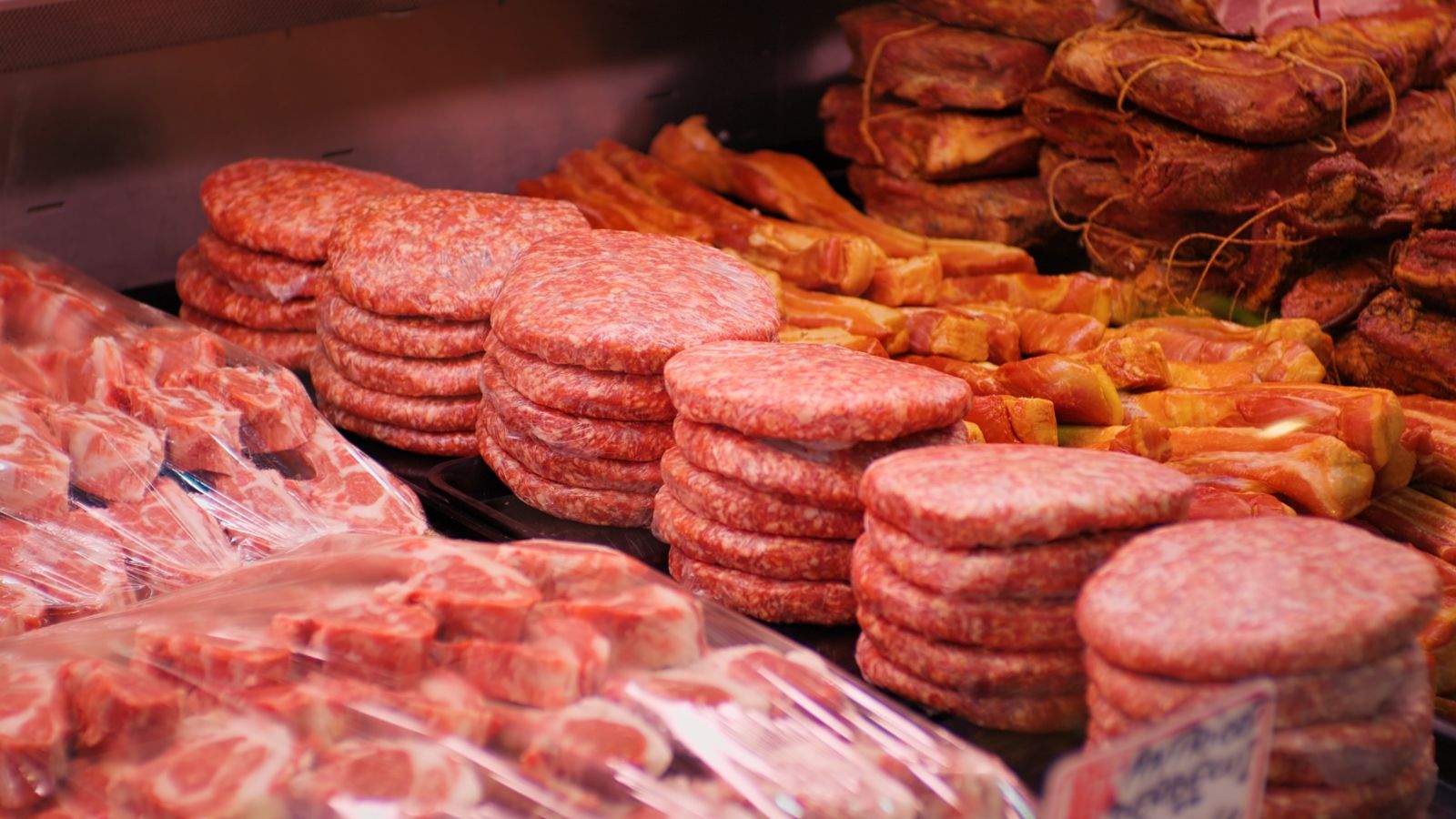
Bacon, hot dogs, sausages and deli meats have long been convenient choices for sandwiches, breakfasts and quick meals. But these products aren’t all prepared the same way, and their descriptions can tell you something about how they’re made.
The International Agency for Research on Cancer defines processed meat as meat preserved through methods such as salting, curing, fermentation or smoking.
Those methods help distinguish processed meats from fresh cuts. When shopping, compare the exact products rather than assuming every sausage or deli-meat package has identical ingredients. A familiar brand name may catch your eye, but the product description deserves attention, too.
Sugary Drinks: Check What Sweetness Is Added
Soda, sweetened fruit drinks, sports drinks and flavored waters can all occupy the same beverage aisle, yet their ingredients and labels vary.
The FDA explains that added sugars include sweeteners introduced during processing, such as table sugar, syrups and certain concentrated fruit juices. That is different from sugars naturally present in fruit or milk.
The distinction matters when comparing two drinks that look similar but use different formulations. Rather than relying on a colorful label or a familiar flavor, check the ingredients and serving information. Sometimes, the biggest difference between two bottles is hiding in the small print.
Sweetened Breakfast Cereals: Compare More Than the Box Design
The cereal aisle can feel like a cheerful parade of colors, flavors and promises. But the most attractive box isn’t necessarily the one that best suits your breakfast preferences.
The National Institute on Aging identifies sweetened cereals among common sources of added sugar. It also recognizes that some breakfast cereals are fortified with vitamins, demonstrating why the whole category shouldn’t be treated as identical.
Start with the serving size and ingredient list. Then compare the information for different cereals rather than judging the entire aisle by one particularly sweet product. A little curiosity at the shelf can make a familiar breakfast purchase more thoughtful.
Packaged Cakes and Cookies: Know What Counts as a Serving
There is nothing quite like having a favorite cookie waiting beside an afternoon cup of coffee. Packaged cakes, cookies and pastries also offer convenience when baking from scratch isn’t on the day’s agenda. But serving information can be surprisingly easy to overlook.
The FDA explains that the quantities shown on a Nutrition Facts label apply to the specified serving, not necessarily the entire package. That distinction is particularly useful when a package contains several individually portioned treats or multiple servings.
Before buying, check how many pieces the manufacturer counts as one serving. It makes comparisons between packages more meaningful.
Chips and Crackers: The Serving Size Deserves Attention
A bag of chips or a box of crackers can disappear remarkably quickly during a movie or family gathering. These products also come in different flavors, sizes and formulations, making broad comparisons difficult.
The FDA identifies savory snacks among significant sources of sodium in packaged foods. Its label-reading guide treats 5% Daily Value or less per serving as low and 20% or more as high. Those percentages offer a consistent way to compare similar products.
But remember to examine the serving size alongside the figures. Two packages may look similar while defining a serving differently.
Related: Stop Throwing Your Hard-Earned Cash Down the Drain on These 20 Pointless Money Pits! explores other familiar purchases worth reconsidering.
Canned and Packaged Soups: Understand the Label Language
A steaming bowl of soup has a way of making an ordinary evening feel comforting. And when there’s little time for cooking, a canned or packaged version can be especially convenient. The interesting part is how different products describe themselves.
According to the FDA’s sodium guidance, “reduced sodium” means at least 25% less than the reference product. “Low sodium” generally means 140 milligrams or less per serving. Those phrases are not interchangeable.
Before picking a soup, examine its serving count and compare it with other products you might enjoy. The can itself isn’t the problem; understanding what’s inside is the useful part.
Instant Noodles: Check the Whole Package
Instant noodles are wonderfully convenient. A packet can become the beginning of a quick meal, especially when you don’t feel like preparing something elaborate. However, the numbers on the package deserve careful reading.
Nissin’s Top Ramen Chicken lists 1,590 milligrams of sodium for the full 85-gram package, compared with 790 milligrams for half. Those figures refer to that specific product, not every instant noodle sold by the company.
The distinction is important because noodles come in bags, cups and bowls with different formulations. Choose the exact product you’re comparing, then look at the full-package information rather than assuming the figures describe the entire brand.
Frozen Pizza: Look at the Portion, Not Just the Picture
Frozen pizza has earned its place in many kitchens by turning an ordinary evening into dinner with relatively little preparation. Yet the photograph on the box tells you very little about how the product compares with another pizza.
The FDA identifies pizza among food categories that contribute sodium, but the amounts vary across products. Freezing itself doesn’t establish that one pizza is better or worse than another. The ingredients, toppings and portion sizes are what distinguish the products.
Before placing a box in your cart, compare its serving size with how much you actually intend to prepare. The most useful comparison is between real portions, not two impressive-looking package photographs.
Processed Cheese Products: Pay Attention to the Product Type
Cheese can play many different roles in the kitchen, from melting into a sandwich to finishing a homemade sauce. But natural cheese, processed cheese products and cheese-based sauces are not identical.
University of Florida Extension identifies processed cheeses as a category in which shoppers may want to pay particular attention to salt content. That doesn’t mean every cheese product should be judged by the same standard.
Read the product description and check what you’re actually buying. A cheese-based sauce and a block of natural cheese may serve different cooking purposes. The goal is to match the product to the dish rather than treating every item in the cheese section as interchangeable.
Sweetened Yogurt: Total Sugar Isn’t the Whole Story
Yogurt packaging often features fruit, creamy textures and inviting flavor descriptions. But the sweetness can come from different sources. The FDA provides a useful example: one flavored yogurt contains 15 grams of total sugar, including seven grams of added sugar. The remaining eight grams are naturally occurring.
That distinction illustrates why total sugar and added sugar aren’t the same label measurement. It also explains why comparing plain and flavored yogurt requires more than checking a single number.
Look at the product’s ingredients, added-sugar information and serving size before deciding which flavor or variety you prefer. There’s no reason to treat every yogurt in the refrigerator aisle as though it has an identical formulation.
A Smarter Shopping Cart Starts With a Second Look
Packaged foods aren’t automatically poor choices because they come in cans, boxes, bottles or freezer bags. Convenience still matters, especially when you’re preparing meals around a busy schedule. What deserves closer attention is the difference between products that initially appear similar.
The FDA’s general label guide explains that 5% Daily Value or less is considered low, while 20% or more is considered high for a particular nutrient. It’s a comparison tool, not a rule that every shopper must make identical choices.
You don’t need to transform grocery shopping into a research project. Start by reading a few labels on products you buy regularly, compare what the packages actually contain, and keep the options that work best for your cooking habits and budget. Because sometimes the smartest change in the kitchen begins before you even reach the stove.