Some foods come with prices that make you look twice at the receipt. Others cost more than a car, a year’s rent, or even a beautiful house. From a multimillion-dollar tuna to grapes that fetched thousands at auction, the world of luxury food can feel almost unbelievable.
On January 5, 2026, a bluefin tuna sold for approximately $3.24 million at Tokyo’s annual New Year auction. Just four months later, a pair of Japanese melons fetched ¥5.8 million, proving that astonishing food prices aren’t limited to seafood.
But there’s an important difference between spectacular auction bids and everyday retail prices. These nine examples include four documented auctions and five luxury products advertised for sale, with retail prices checked on October 24, 2026.
Bluefin Tuna: A $3.24 Million Catch
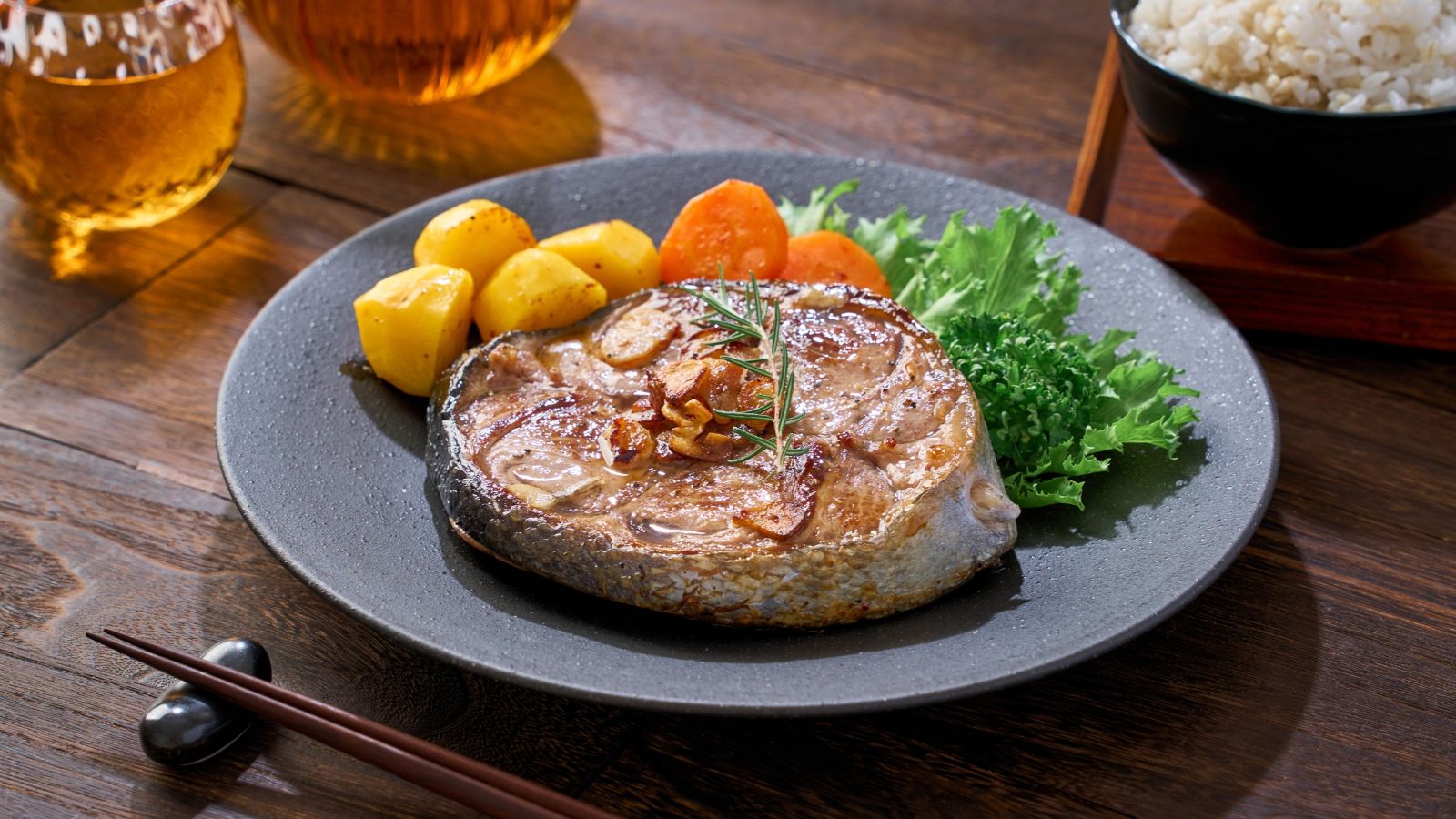
A single fish becoming a multimillion-dollar purchase sounds extraordinary, but that’s exactly what happened at Tokyo’s Toyosu market.
According to Reuters, restaurant operator Kiyomura paid approximately ¥510 million for a 243-kilogram bluefin tuna on January 5, 2026. The winning bid, worth about $3.24 million at the exchange rate Reuters used, set a record for the annual New Year auction.
The company’s president, Kiyoshi Kimura, planned to distribute the tuna among his Sushizanmai restaurants. Despite the enormous purchase price, customers would pay ordinary menu prices.
That distinction matters. The auction celebrated a prized catch, but its exceptional price doesn’t represent what bluefin tuna normally costs.
White Truffles: $61,250 for One Specimen
White truffles are already associated with luxurious dining, but one enormous specimen took that reputation to another level.
On December 6, 2014, Sotheby’s auctioned a white truffle weighing 4.16 pounds, or approximately 1.89 kilograms. Discovered in Umbria, Italy, the truffle ultimately sold for $61,250 to a Taiwan-based buyer. As Eater reported, the winning bid was $50,000, with a 22.5% buyer’s premium bringing the total to $61,250.
The extraordinary size made this an unusual auction lot. It would be misleading to treat that price as a standard retail rate for white truffles or claim it remains the current world record.
Yubari Melons: ¥5.8 Million for Two Fruits
A beautifully ripe melon might make a wonderful dessert, but Japan’s Yubari melons have also become famous for extraordinary auction results.
On May 22, 2026, a box containing two Yubari melons sold for ¥5.8 million at the season’s first auction in Sapporo. The buyer was Futami Seika, a fruit and vegetable wholesaler based in Hokkaido.
According to The Japan Times, the melons were intended for display and tasting at a Tokyo-area supermarket. The sale surpassed the famous ¥5 million auction result from 2019.
These purchases serve promotional purposes as well as culinary ones. They should not be confused with ordinary supermarket prices for Yubari melons.
Ruby Roman Grapes: $11,000 for a Single Bunch
Grapes are usually sold by the bag, but one extraordinary bunch of Ruby Roman grapes made international headlines in 2019.
At a July 9 auction in Kanazawa, Japan, a bunch containing 24 grapes sold for ¥1.2 million, approximately $11,000 at the time. The winning buyer, hotel manager Takashi Hosokawa, said the purchase helped mark the beginning of Japan’s Reiwa era and promote his business.
In a firsthand report, SNA Japan documented the unusual sale and interviewed the buyer. Dividing the reported dollar value by 24 produces roughly $458 per grape. However, the grapes were purchased together, not individually, and this historical auction should not be presented as a current retail price.
Ossetra Caviar: $4,370 for One Kilogram
Caviar’s reputation for extravagance has a very real price tag. Petrossian’s Royal Ossetra Caviar was listed at $4,370 for a one-kilogram container when checked on October 24, 2026.
The retailer also advertised smaller sizes, including a 250-gram container for $1,092 and a 30-gram tin for $138. These prices demonstrate why package size matters when comparing luxury ingredients. The smaller tin costs considerably less overall, although its price per gram differs from that of the larger package.
Petrossian identifies the product as farmed Ossetra caviar. The listed amounts are advertised retail prices, not records of completed purchases.
Related: 15 Foods From the ’60s Most Boomers Loved With a Passion
Japanese A5 Wagyu: $125.07 for a 10-Ounce Steak
A beautifully marbled steak already feels like a special occasion, but Japanese A5 Wagyu can turn that occasion into a serious expense.
Crowd Cow listed a 10-ounce Japanese A5 Wagyu ribeye from Hokkaido for $125.07. The product’s distinctive marbling is central to its appeal, with the retailer describing a rich, buttery eating experience.
However, the advertised price applies to that specific Hokkaido ribeye. It cannot automatically be applied to Wagyu from Miyazaki, Kagoshima or other producers.
Availability also varies by delivery region, so an advertised listing doesn’t guarantee that every American shopper can order the steak.
Acorn-Fed Ibérico Ham: $1,699 for a Whole Ham
Some luxury foods arrive in delicate little packages. Acorn-fed Ibérico ham takes a rather different approach.
The official Cinco Jotas U.S. store listed its acorn-fed, 100% Ibérico whole bone-in ham at $1,699 for a piece weighing between 15 and 18 pounds. This is dry-cured ham, a product associated with Spain’s long-established tradition of preparing and aging Ibérico pork.
The quoted weight includes the bone, so it shouldn’t be mistaken for 15 to 18 pounds of ready-to-eat slices. Cinco Jotas also distinguishes between the larger hind-leg jamón and the smaller shoulder paleta. Their prices and weights are not interchangeable.
Saffron: $169 for One Ounce
Saffron may not arrive with the spectacle of a giant tuna auction, but its price can still make an ordinary spice purchase feel extravagant.
Rumi Spice listed one ounce of bulk saffron threads for $169 on October 24, 2026. The company also advertised a one-gram package for $15.99, although that smaller size was marked sold out.
Rumi identifies Afghanistan as the source of its saffron, a spice valued for its distinctive color, aroma and flavor in cooking. The price difference between package sizes offers a useful reminder: specialty ingredients should be compared by quantity, not simply by the number printed on the label.
One retailer’s price also cannot establish that all saffron costs the same amount.
Traditionally Aged Balsamic Vinegar: From $214.90 for 100 Milliliters
Balsamic vinegar might sound like an ordinary pantry item, but traditionally aged versions occupy an entirely different corner of the culinary world.
Giusti’s official U.S. store lists its Traditional Balsamic Vinegar of Modena DOP Extravecchio, labeled 25 Years, starting at $214.90 for a 100-milliliter bottle. That’s a remarkably small bottle for a three-figure price.
The product belongs to a specific traditional balsamic category, not the everyday vinegar or balsamic glaze commonly found in supermarkets. The seller’s starting price may also change depending on customization or other selected options.
For anyone curious about luxury cooking, this is a reminder that even a familiar condiment can become an expensive specialty ingredient.
Why Luxury Food Prices Deserve a Closer Look
These nine foods show just how far culinary extravagance can go, but their prices tell different stories.
A ¥510 million tuna auction is not comparable to an ordinary fish-market purchase. Similarly, a $61,250 truffle sale is an exceptional historical transaction, while a $169 tin of saffron represents an advertised retail offer.
Some purchases carry promotional value, others reflect specialized products, and many come with distinctions in origin, grading, weight or preparation.
Before judging any luxury food by its astonishing price, it’s worth asking exactly what’s being sold, when the amount was recorded and whether someone actually paid it. Sometimes, the most fascinating ingredient in a luxury-food story isn’t the food itself. It’s the extraordinary amount someone was willing to spend.