New York-area shoppers are leaning more heavily on discount retailers after the latest federal inflation report showed prices are still climbing across the region.
The Bureau of Labor Statistics said the New York-Newark-Jersey City area’s consumer price index rose 0.4% in May 2026 and 5.1% over the year. The agency’s June 10 release also showed food prices up 3.7% from a year earlier.
The report keeps discount stores in a central role for shoppers across Manhattan, Brooklyn, Queens, and Long Island. Families are using them for groceries, clothing, cleaning supplies, school items, beauty products, and home goods.
The latest data showed New York-area prices rose faster than many households can ignore. Grocery prices alone rose 4% over the year.
Grocery Bills Stay High
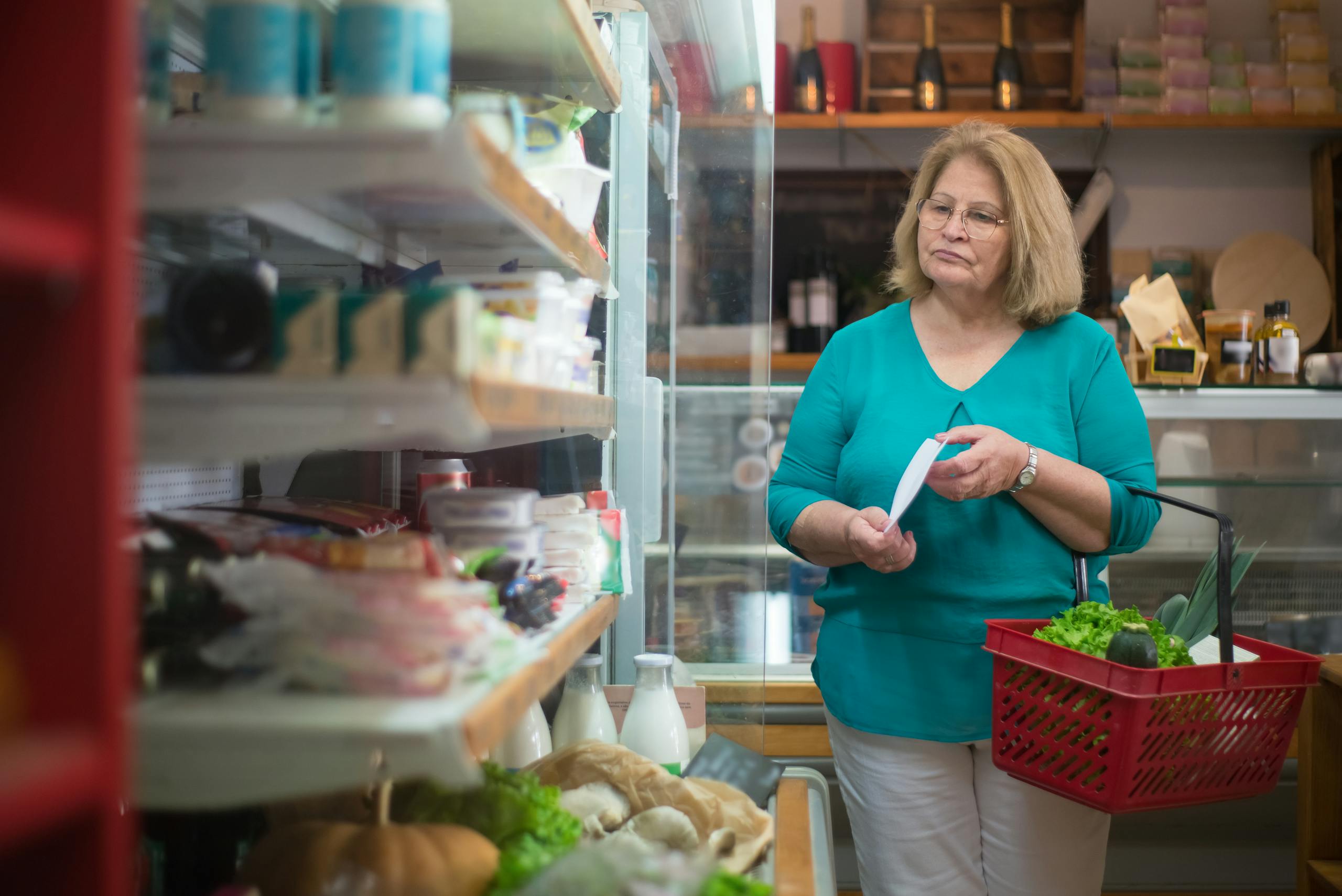
Food remains one of the clearest pressure points for New York households. The BLS report said the region’s food-at-home index rose 4% over the year. That means shoppers are still paying more for groceries even before rent, transit, utilities, and insurance are factored into the monthly budget.
That pressure helps explain why discount grocers and low-price retailers remain important. A cheaper cart can make a noticeable difference for families who shop every week. For many New Yorkers, discount shopping is no longer a backup plan. It is part of the household strategy.
Lot-Less Serves Manhattan Bargain Hunters
Lot-Less remains one of New York City’s most recognizable local discount names. The company lists Manhattan stores on Chambers Street, Clinton Street, Broadway, Fulton Street, and West 40th Street. Its official site promotes savings of up to 80% off department-store prices.
The retailer sells apparel, electronics, health and beauty items, housewares, linens, and gourmet foods. That range allows shoppers to cover several errands in one stop.
The company’s official Manhattan store locations place it near commuters, office workers, residents, and tourists. That foot traffic helps keep closeout shopping relevant in high-cost parts of the city.
Dollar Tree Covers Daily Needs
Dollar Tree remains part of the city’s low-cost shopping network. The chain’s New York City locator lists stores including Washington Heights and East Harlem. The Washington Heights listing shows frozen and refrigerated foods, EBT acceptance, and daily hours.
The store does not solve a full household budget by itself. But it helps shoppers buy party supplies, snacks, cleaning products, basic foods, and small household items.
The company’s Washington Heights store listing shows why these stores matter in dense neighborhoods. They offer small, quick purchases without the sticker shock of larger retailers.
Five Below Targets Small Purchases
Five Below gives New Yorkers another way to control smaller discretionary spending. The company lists city locations on Fifth Avenue, East 14th Street, West 42nd Street, Columbus Avenue, and Sixth Avenue. Its stores sit near offices, schools, transit routes, tourist corridors, and apartment-heavy neighborhoods.
Five Below sells items such as toys, candy, tech accessories, beauty products, décor, games, and school supplies. The purchases are often smaller than grocery or clothing trips.
That still matters during inflation. Shoppers may still want a gift, phone cable, dorm item, or small treat without paying department-store prices.
Burlington Expands Sixth Avenue Presence
Burlington gives price-sensitive shoppers another major off-price option in Manhattan. The company’s store page lists a location at 620 Sixth Avenue in New York, with daily hours running late into the evening. The store sits in a busy retail corridor near Union Square, Chelsea, and Flatiron, with high foot traffic.
Burlington sells clothing, shoes, coats, baby products, and home goods. Those categories matter when families need school clothes, workwear, or winter items.
The retailer’s Sixth Avenue store page also shows how off-price shopping has remained active in one of Manhattan’s most visible retail areas.
Marshalls Anchors Off-Price Retail

Marshalls remains another key off-price stop for New York shoppers. Its official page lists a store at 620 Avenue of the Americas, with nearby locations on East Houston Street and Washington Street. The site lists categories including women, men, kids, babies, shoes, and home.
The store helps shoppers combine multiple needs in one trip. A parent can find children’s clothes, shoes, bedding, cookware, and gifts without visiting several retailers.
That matters in New York because time carries its own cost. Long commutes and crowded schedules make one-stop discount shopping more valuable.
Lidl Adds Grocery Competition
Lidl has added another grocery option in Manhattan this year. The company said it would open a Kips Bay store at 460 Third Avenue on Feb. 25, 2026. Lidl described the opening as part of its growing presence in New York.
The store gives shoppers another place to compare food prices in a dense residential and commuter area. Private-label products and weekly deals are central to the chain’s model. Lidl’s new Manhattan grocery store arrived as grocery prices remained elevated across the region.
Brooklyn Stores Remain Useful
Brooklyn shoppers also continue to rely on local and regional discount stores. DII Stores, also known as Deals & Discounts, operates in neighborhoods where families often shop for home goods, children’s items, clothing, and seasonal products. National Wholesale Liquidators also lists a Brooklyn location on 59th Street.
Those stores serve shoppers who need household basics without full-price retail costs. Larger-format discount stores can also help with furniture, bedding, storage, and cleaning supplies. That gives Brooklyn families another layer of price defense as food, rent, and transportation costs remain high.
Shoppers Keep Watching Receipts
The latest New York-area inflation numbers show why discount stores remain essential in 2026.Prices rose 5.1% over the year; food prices rose 3.7%, and grocery prices rose 4%. Those increases keep pressure on households that already face some of the nation’s highest living costs.
The discount stores named here do not serve the same purpose. Lot-Less focuses on closeout deals. Dollar Tree covers small basics. Five Below sells low-cost extras. Burlington and Marshalls handle off-price clothing and home goods. Lidl adds grocery competition. DII and National Wholesale Liquidators serve neighborhood and household needs.
As of June 2026, the next regional inflation update will determine whether New York shoppers get more relief or keep leaning on discount aisles. For now, many shoppers are still doing the same calculation at checkout: what can wait, what must be bought, and where the price hurts least.