Lucky Charms became famous for its colorful marshmallow pieces. Trix built its identity around bright, fruit-shaped cereal pieces. Now, General Mills says both brands have reached a major ingredient milestone: all of its U.S. cereals are made without certified colors.
The company announced that its cereal portfolio has completed its transition away from synthetic color additives, following a broader reformulation effort that began in 2025. General Mills says 90% of its entire U.S. retail portfolio has now moved away from certified colors, with the remaining products targeted for completion by the end of 2027.
The change affects some of the company’s most recognizable products. Still, it is also part of a much larger shift across packaged foods as manufacturers respond to changing consumer expectations, retailer policies, and renewed attention on food ingredients.
The cereal aisle has reached a major milestone
General Mills began outlining its reformulation timeline in June 2025, when the company announced plans to remove certified colors from all U.S. cereals and K-12 school food products by summer 2026.
At the time, General Mills said 85% of its U.S. retail portfolio already used no certified colors.
The company later completed the school-food portion of the effort in March 2026. The latest announcement marks the completion of the cereal portion of the transition, meaning brands such as Lucky Charms, Trix, Cheerios, Cinnamon Toast Crunch, Cocoa Puffs, and Wheaties are now included in the company’s certified-color-free cereal lineup.
The broader retail portfolio is a separate project. General Mills says products outside the cereal category, including some fruit snacks and baking products, are still being reformulated and remain on track to be completed by the end of 2027.
That distinction matters because a cereal milestone does not mean every General Mills product has already undergone the same change.
Lucky Charms and Trix are part of a bigger reformulation effort
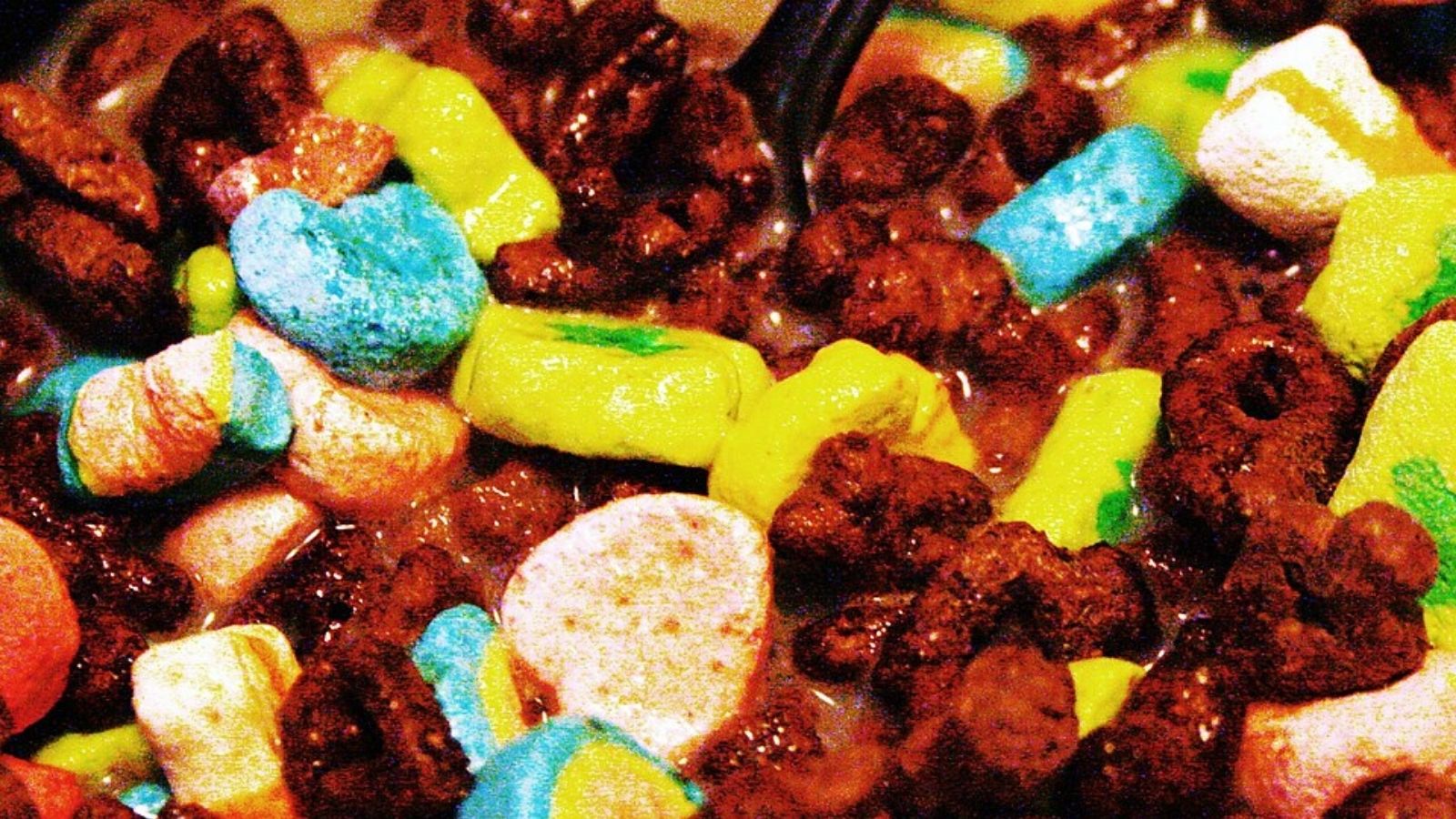
Lucky Charms and Trix attracted attention because color has always been central to their identities.
The marshmallows in Lucky Charms and the bright pieces in Trix were designed to stand out on crowded grocery shelves. For many consumers, the colors are closely tied to memories of childhood breakfasts.
But General Mills says the goal of the reformulation was not to remove these cereals’ visual appeal. Instead, the company says it replaced certified colors with alternatives sourced from fruits, vegetables, and spices.
The company has said ingredients such as fruit and vegetable concentrates, turmeric, and paprika are among the sources used to create colors in its reformulated products.
The practical challenge was maintaining a familiar appearance while changing the ingredients that produce those colors.
What “certified colors” actually means
The terminology surrounding food dyes can be confusing because different sources often use different language.
The U.S. Food and Drug Administration classifies certified colors as color additives that require batch certification before they can be used in food products. Manufacturers make these additives rather than obtaining them directly from natural sources.
The FDA explains that certified colors are widely used because they can provide strong, consistent shades and are often easier to blend into food products.
FDA-regulated certified colors include FD&C Blue No. 1, Blue No. 2, Green No. 3, Red No. 40, Yellow No. 5, and Yellow No. 6.
Federal safety requirements govern their use in food, so General Mills’ decision reflects a voluntary reformulation rather than a correction of products considered unauthorized.
The change replaces approved ingredients long used in food manufacturing with different color sources.
The FDA is tracking a wider industry shift
General Mills’ announcement comes as federal agencies and food companies continue discussing changes to synthetic food colors.
In 2025, the U.S. Department of Health and Human Services and the FDA announced an effort to encourage manufacturers to move away from petroleum-based synthetic food dyes.
The FDA said it was working with manufacturers, retailers, and industry groups to phase out six certified color additives: FD&C Green No. 3, Red No. 40, Yellow No. 5, Yellow No. 6, Blue No. 1, and Blue No. 2.
The agency’s broader goal is for companies to move away from these dyes by the end of 2027.
General Mills’ cereal transition therefore arrives ahead of the federal timeline, although the company’s approach is part of a wider industry movement rather than an isolated decision.
General Mills had already been moving in this direction
The latest announcement did not mark the beginning of General Mills’ effort.
The company had already reformulated much of its portfolio before the cereal deadline arrived. Its 2025 announcement said 85% of its U.S. retail products were already made without certified colors.
The company then focused on completing the remaining categories, with cereal becoming the most visible milestone because of the popularity and familiarity of brands such as Lucky Charms and Trix.
The timeline shows why large-scale food reformulation can take years. Changing a color ingredient across multiple products involves more than replacing one item on an ingredient list. Manufacturers must consider appearance, texture, shelf stability, production processes, and consumer expectations.
The change does not mean colorful cereals are disappearing
One common assumption is that removing certified colors would mean bright cereals becoming duller.
That is not the direction General Mills is taking.
The company says its reformulated cereals will continue using colors from alternative sources, allowing products to maintain the recognizable appearance shoppers associate with them.
The difference will appear primarily in the ingredient list rather than a dramatic visual change on store shelves.
There is also a distinction between certified colors and all color additives. The FDA recognizes another category known as exempt colors, which includes color sources derived from materials such as vegetables, minerals, or other natural sources.
Examples include annatto extract, beta-carotene, caramel color, dehydrated beets, and grape skin extract.
In other words, the shift is not from colorful food to colorless food. It is a change in where those colors come from.
Other cereal makers are making similar moves
General Mills is not the only major cereal company adjusting its formulas.
The FDA’s industry tracker lists several companies that have committed to reducing or eliminating certified colors from their products, including WK Kellogg Co.
That company’s portfolio includes colorful cereals such as Froot Loops and Apple Jacks, putting another group of recognizable breakfast brands into the broader reformulation conversation.
Other major food companies and retailers have also announced commitments related to synthetic colors, including Nestlé USA, Campbell’s, Mars, Hershey, and Walmart.
The timelines and product categories vary, but the direction is clear: certified colors have become one of the most visible ingredient issues facing packaged food companies.
What shoppers will notice on store shelves
For consumers, the most obvious change will not necessarily be the appearance of the cereal box.
General Mills says reformulated products will continue carrying familiar branding while using updated ingredient formulas. The company has also highlighted “Colors from Natural Sources” messaging on some product packaging.
The ingredient list will provide the clearest indication of whether a particular product has completed the transition.
The company says 90% of its U.S. retail portfolio has already moved away from certified colors, leaving the remaining 10% scheduled for completion by the end of 2027.
For now, the biggest milestone has arrived in the cereal aisle.
Lucky Charms and Trix may catch shoppers’ attention, but the bigger story is the scale of the reformulation behind them.
The colorful cereals are still colorful.
The ingredients creating those colors are what changed.




.jpg)