Once, American life moved a little slower. Neighbors gathered on front porches, families crowded around the dinner table, and receiving a handwritten letter felt like opening a small gift. These simple moments helped shape communities, but many are becoming less common.
Times have changed, and so have American habits. According to the Bureau of Labor Statistics, Americans spent an average of just 35 minutes a day socializing and communicating in 2024, down from 43 minutes in 2014. Technology, changing lifestyles, and busier schedules have transformed how people connect. Here are 10 beloved American traditions slowly fading from everyday life.
Gathering Around the Family Dinner Table
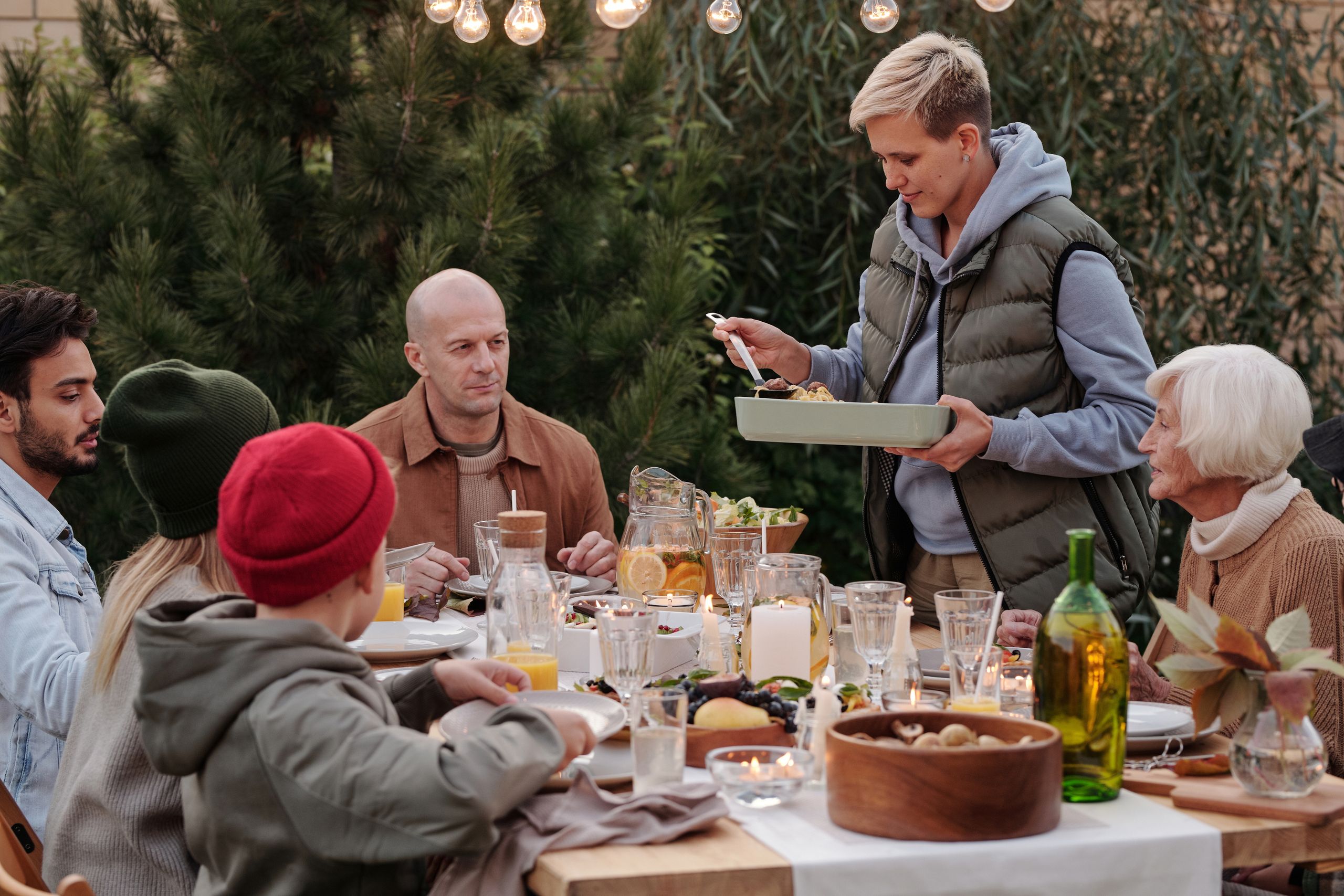
For generations, dinner was more than just another meal. It was the moment when everyone gathered, shared stories, and caught up on the day’s adventures.
Parents asked about school, children complained about homework, and someone inevitably reached across the table for another helping of mashed potatoes.
Today, coordinating everyone’s schedule can feel like solving a complicated puzzle. Between long workdays, after-school activities, and different routines, some families find it easier to eat whenever they have time.
Food delivery apps and quick meals have also changed how dinner looks in many households.
Of course, family dinners haven’t disappeared. Plenty of Americans still make them a priority. But the traditional expectation that everyone sits down together at the same time can be harder to maintain.
Sometimes, the simplest family memories begin with passing a bowl of potatoes around the table.
Sending Handwritten Letters and Greeting Cards
Remember the excitement of finding a personal letter in the mailbox?
Before texting and social media, handwritten notes carried birthday wishes, holiday greetings, romantic confessions, and family updates across the country.
People saved meaningful letters in shoeboxes, tucked greeting cards into drawers, and occasionally rediscovered messages from loved ones years later.
Now, a birthday greeting can be sent in seconds with a few emojis.
The shift shows up in postal statistics. According to the United States Postal Service, First-Class Mail volume fell from approximately 103.7 billion pieces in 2001 to 42.2 billion in 2025. That includes more than personal correspondence, but it illustrates how dramatically Americans’ mailing habits have changed.
Digital communication is convenient, but a handwritten letter can’t fully replace what a text can’t.
There’s something special about knowing someone took the time to write every word.
Related Post:10 Sunday Morning Traditions From the ’80s That Have Almost Disappeared
Spending Evenings on the Front Porch
The American front porch once served as an unofficial neighborhood gathering place.
On warm evenings, families pulled out chairs, greeted passing neighbors, and watched children ride bicycles along the sidewalk.
Conversations often started with a simple wave and continued long after sunset.
Today, many people spend their evenings indoors, surrounded by televisions, smartphones, and streaming entertainment.
Neighborhood connections have changed, too.
A 2025 Pew Research Center survey found that only 26% of American adults knew all or most of their neighbors, compared with 31% in 2018.
That doesn’t mean friendly neighborhoods no longer exist. But spontaneous porch conversations matter less in daily life in many communities.
Sometimes, all it takes to bring back that old-fashioned feeling is a comfortable chair and a friendly hello.
Going to Drive-In Movie Theaters
Few traditions capture old-school American fun quite like a drive-in movie.
Families loaded their cars with blankets, couples settled into the front seat, and everyone waited for the giant outdoor screen to light up.
The experience was part movie night, part social gathering, and part adventure.
In the late 1950s, drive-in theaters were a fixture of American entertainment.
The United Drive-In Theatre Owners Association estimated that the country had 4,063 operating drive-ins in 1958. By 2024, that number had fallen to approximately 283.
Indoor multiplexes, changing entertainment habits, and the rise of home streaming helped reshape the moviegoing experience.
Fortunately, some drive-ins still operate, giving new generations a chance to experience this nostalgic tradition under the stars.
Reading the Sunday Newspaper
Sunday mornings once came with a familiar soundtrack: coffee brewing, breakfast sizzling, and newspaper pages rustling.
Families spread newspaper sections across the kitchen table, clipped coupons, checked sports scores, and argued over the comics.
For many Americans, reading the Sunday paper was as much a weekend ritual as the morning meal itself.
Today, breaking news arrives instantly on phones, while digital subscriptions provide access without waiting for a delivery.
Pew Research Center reported that, among Americans who got news from local daily newspapers in 2025, only 30% primarily used the print edition. In 2018, that figure was 54%.
Newspapers haven’t lost their importance, but Americans consume them very differently.
And while scrolling headlines is efficient, it doesn’t quite recreate the experience of spreading a Sunday paper across the breakfast table.
Attending Weekly Religious Services as a Family
For many American families, Sunday mornings traditionally meant dressing up, heading to church, and seeing familiar faces in the congregation.
Other families maintained similar routines through synagogue, mosque, or temple gatherings.
Religious services provided opportunities for worship, community involvement, celebrations, and support during difficult times.
However, regular attendance has declined across much of the country.
Gallup reported that 31% of Americans attended religious services weekly or nearly weekly in 2025, while 57% said they seldom or never attended.
Shifting religious identification, changing personal priorities, and new ways of participating in faith communities have driven the shift.
For those who grew up attending services with their parents and grandparents, the tradition often carries memories of familiar songs, family gatherings, and friendships lasting decades.
Hosting Neighborhood Block Parties
There was something wonderful about seeing an ordinary residential street transformed into a neighborhood celebration.
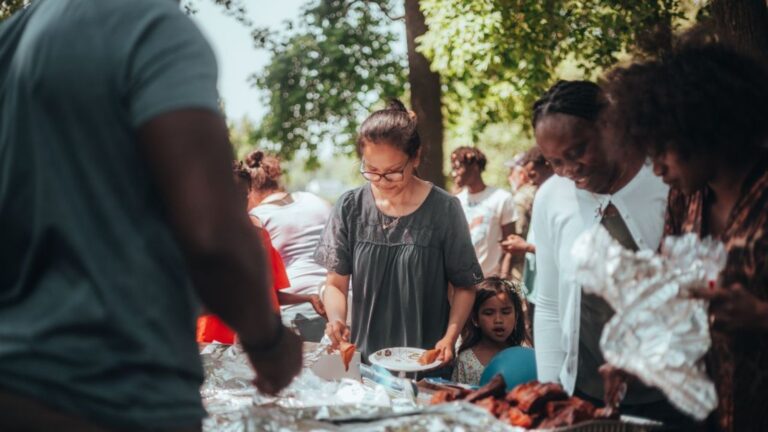
Folding tables appeared on sidewalks, grills filled the air with familiar aromas, and children raced between houses while adults exchanged recipes and stories.
Block parties gave neighbors a chance to become friends instead of remaining strangers.
Today, organizing these gatherings can require extra planning, volunteers, permits, and neighbors willing to participate.
Busy schedules and changing neighborhood relationships can make that difficult.
Still, the tradition isn’t entirely gone. Communities across America continue organizing block parties, especially around summer holidays and neighborhood celebrations.
Perhaps that’s what makes these gatherings worth preserving.
A street filled with unfamiliar faces can become a place of friendship when someone invites everyone outside.
Taking Long Family Road Trips Without Digital Distractions
Before smartphones became road-trip companions, American families relied on paper maps, roadside signs, and plenty of patience.
Children played license plate games, parents debated directions, and unexpected stops sometimes became the most memorable part of the vacation.
A wrong turn could lead to a charming diner, a roadside attraction, or a small town nobody had planned to visit.
Road trips remain popular, but the experience has changed.
GPS navigation provides precise directions, streaming services entertain passengers, and travelers can research almost every stop before leaving home.
These conveniences make traveling easier, especially for families with young children.
Yet something about those unpredictable journeys feels harder to recreate.
Sometimes, the best vacation stories begin when the map doesn’t tell you exactly where to go.
Visiting Friends and Relatives Without Making Plans
Once upon a time, dropping by someone’s house was a perfectly ordinary way to spend an afternoon.
A neighbor might stop in for coffee, cousins could appear unexpectedly, and friends often knocked on the door simply because they were nearby.
No one needed to arrange everything through a group chat.
Today, unexpected visits can feel unusual. Many people prefer receiving a text or phone call before someone arrives.
Privacy, work commitments, and changing social expectations have made planning more important.
The shift also reflects broader changes in face-to-face interaction. Bureau of Labor Statistics data show that the share of Americans who socialize and communicate on an average day dropped from 38% in 2014 to 30% in 2024.
Planning visits certainly has advantages, but spontaneous conversations once gave everyday life a different rhythm.
A surprise knock sometimes brought the best part of the day.
Gathering Around the Television for a Weekly Show
Before on-demand streaming, television brought millions of Americans together at the same scheduled time.
Families planned evenings around favorite sitcoms, dramatic season finales, and beloved holiday specials.
Missing an episode could mean waiting for a rerun or asking someone at work what happened.
The following morning, conversations at school and around office coffee machines often centered on the same television moments.
Today, streaming platforms allow viewers to watch almost anything whenever they choose.
People can binge entire seasons over a weekend while family members watch different programs on separate screens.
The convenience is undeniable, but the shared anticipation of waiting a whole week for the next episode has become less central to American television culture.
Live sports, major broadcasts, and special events still bring people together, proving the tradition hasn’t completely disappeared.
Why These Old American Traditions Still Matter
Not every disappearing tradition needs to return exactly as it once was. Modern life offers conveniences, opportunities, and freedoms that previous generations couldn’t always enjoy.
Still, these customs remind us that some of life’s most meaningful experiences come from simple moments of connection.
A handwritten note, a family dinner, or a friendly conversation on the porch may seem ordinary, but people often treasure those memories years later.
The beautiful thing about traditions is that they don’t always need a grand revival. Sometimes, they need one person willing to keep them alive.
Posts You Might Like:
10 American Traditions That Are Slowly Disappearing
What Happened to These 11 Boomer Traditions?
What a Small-Town Festival Can Teach Us About Keeping Family Traditions Alive