Stephen A. Smith has put new focus on the post-presidency wealth of Bill Clinton and Barack Obama after criticizing how former presidents can leave public office and later build fortunes far beyond government salaries.
The comments, made on Smith’s political program in late June 2026, centered on the Clintons, the Obamas and the gap between elite political opportunity and household financial pressure across the United States.
Smith Points to Political Wealth
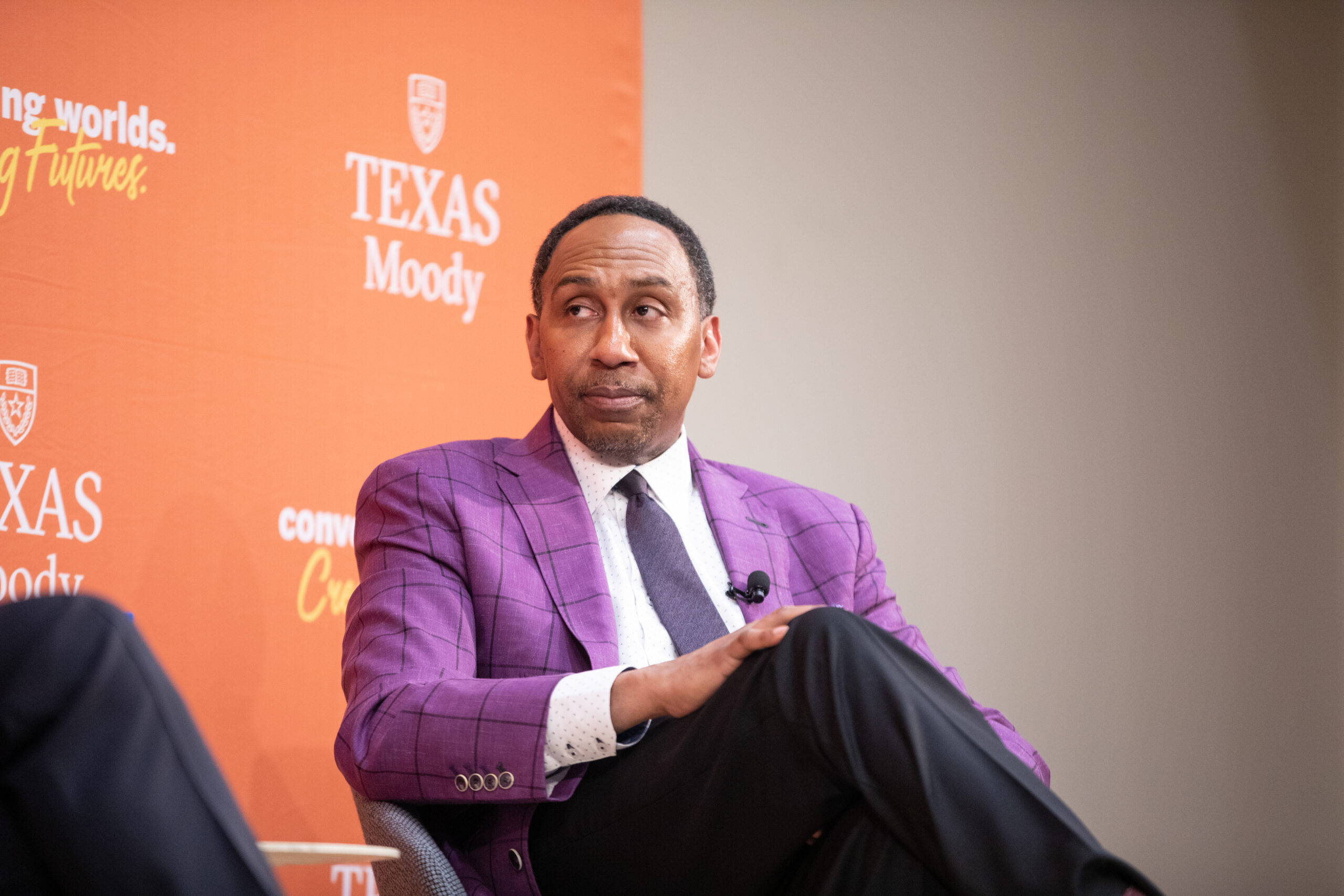
Moody College of Communication from Austin, USA, via Wikimedia Commons licensed under CC BY-SA 2.0
Smith said his concern was not wealth by itself. He argued that public leaders should not become symbols of prosperity while many voters feel little improvement in their daily lives.
On his Straight Shooter program, Smith questioned how Clinton and Obama built large fortunes after serving in public office. He described Clinton as a former Arkansas lawyer and Obama as a former community organizer.
Smith did not allege criminal conduct. His criticism focused on the political system that gives former presidents access to lucrative book deals, speaking fees, media contracts, and elite networks.
The remarks spread quickly because they touched a long-running concern in American politics. Voters often see public service described as a sacrifice, then watch former officials move into wealth-building opportunities rarely available to ordinary workers.
Clinton’s Income Became a Campaign Issue
Bill and Hillary Clinton left the White House in January 2001. Their income became a major political issue before and during Hillary Clinton’s 2016 presidential campaign.
The couple earned about $240 million from 2001 through 2015, largely through speeches, books, consulting, and advisory work. Those earnings were drawn from tax returns and public financial records.
The scale of the Clintons’ income made them a frequent target of critics who said they benefited from political access. Supporters argued they earned private money after leaving office and followed disclosure rules.
The Clinton Foundation has also been part of the debate. But foundation funds are not the same as personal wealth. Charitable assets belong to the organization, not directly to the family.
Still, the foundation’s donor network added to scrutiny of the Clintons’ post-White House influence. For many voters, the issue was not just personal income. It was access to power.
Obama Built a Media Career
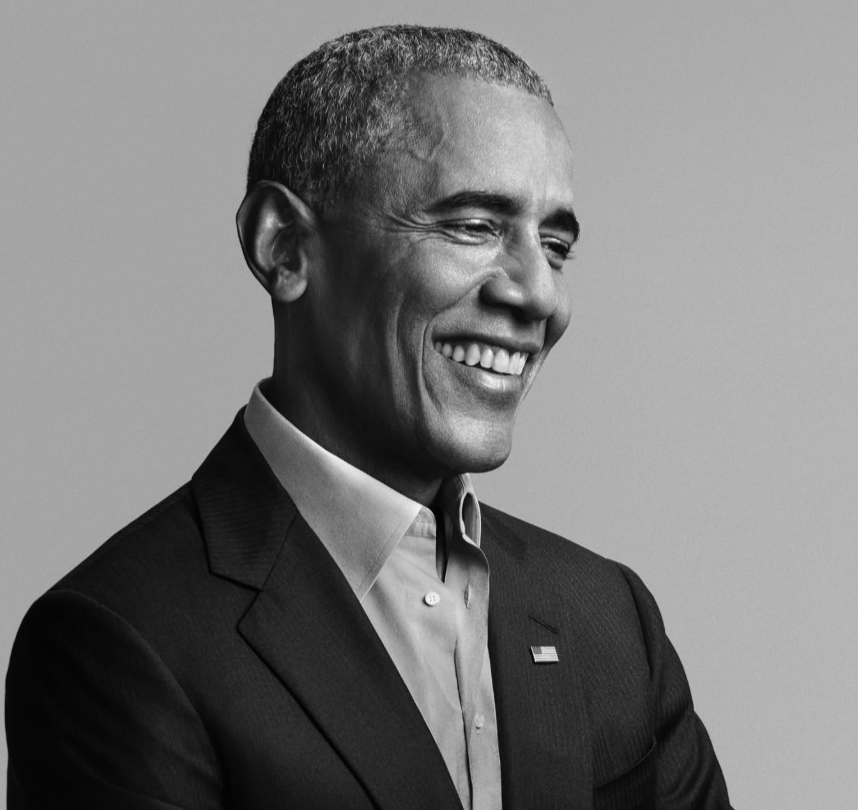
Barack Obama left office in January 2017 after two terms. He and Michelle Obama soon entered publishing and entertainment on a major scale.
The Obamas signed a joint book publishing deal with Penguin Random House after leaving the White House. The deal placed them among the most valuable political authors in the world.
Michelle Obama’s memoir, “Becoming,” became a major bestseller. Barack Obama’s memoir, “A Promised Land,” also became a major publishing event after its release.
The couple later expanded through Higher Ground, their media company. Their production work moved the post-presidency model beyond speeches and books into streaming, documentaries, and podcasts.
That shift is central to Smith’s criticism. A former president now leaves office not only with a pension and security detail, but also with a global brand.
Public Salary and Private Opportunity
The president’s salary is set by law. It is substantial relative to average wages, but small relative to the post-office income available to former presidents.
The larger financial opportunity begins after the office. A former president can sell books worldwide, charge high speaking fees, advise institutions, create media projects, and attract donors to foundations.
None of those activities automatically suggest wrongdoing. The concern is whether the presidency itself becomes the most valuable private credential in American life.
The same concern extends beyond Clinton and Obama. Former lawmakers, cabinet officials, and regulators often move into lobbying, consulting, corporate boards, or media roles after leaving government.
That pattern has weakened trust in both parties. Many voters believe Washington offers one economy for insiders and another for everyone else.
Household Costs Shape the Response
Smith’s comments landed during a period when affordability remains a top concern for American households. Inflation has eased from its worst recent peak, but many prices remain high.
In May 2026, consumer prices rose 4.2% over the previous 12 months. Food prices rose 3.1%, while energy prices increased 23.5%.
Those numbers give the political wealth debate sharper force. Families facing higher grocery bills, fuel costs, and housing payments are less patient with leaders who become wealthy after speaking about working-class hardship.
The issue is not whether former presidents should be poor. It is about whether public office appears to create private rewards that are disconnected from citizens’ lives.
Both Parties Face Scrutiny
The debate over political wealth is not limited to Democrats. Donald Trump’s business interests, licensing income and family financial ties have also drawn years of scrutiny.
Republicans often criticize elite political enrichment. Democrats often criticize inequality. Both parties have leaders who benefit from donor networks, private-sector access, and name recognition.
That contradiction poses a risk to candidates who campaign as champions of ordinary people. Voters can accept success. They are less forgiving when success appears tied to proximity to power.
Smith’s comments reflect that frustration. He framed the issue in direct language, but the underlying concern is institutional.
Former Presidents Still Receive Benefits
Former presidents also receive public benefits after leaving office. Those benefits can include pensions, office support, staff assistance, and travel-related funding.
The system was designed to protect the dignity of the office. It also aimed to prevent former presidents from facing financial hardship after public service.
Modern former presidents operate in a different world. Their names can generate millions through publishing, speaking, and media partnerships.
That has led some critics to question whether benefits should be adjusted for former presidents with large private incomes. Others argue that the benefits support official duties, records management, and public obligations.
Smith’s remarks have not led to any official investigation or legal proceeding involving Clinton or Obama. The issue remains a political and ethical debate, not a proven case of misconduct.
The discussion is likely to continue through the 2026 election cycle. Candidates in both parties are already competing over affordability, ethics, and distrust of political elites.
For now, Smith’s central argument remains clear: voters are watching how leaders prosper after office, and many want to know why the system seems to work faster for politicians than for the people they served.