New York wanted a basketball celebration. What it got instead was a political street fight with police injuries, viral brawls, angry fans, and Michael Rapaport turning one ugly night into an early campaign message against Mayor Zohran Mamdani.
The Knicks’ Game 3 loss to the San Antonio Spurs should have been remembered as another dramatic chapter in a historic NBA Finals run. Instead, the scenes around Bryant Park and Midtown Manhattan became a wider argument about crowd control, public safety, City Hall judgment, and whether New York can still celebrate big moments without losing control of the streets.
We should be clear from the start. Most Knicks fans did not riot, attack anyone, or embarrass the city. But the people who caused trouble gave critics exactly what they needed: a hard visual argument that public celebration in New York can turn dangerous fast when the planning does not match the emotion.
Michael Rapaport’s Attack Made The Knicks Chaos Political
Michael Rapaport did not treat the postgame disorder as simple sports frustration. He treated it as a leadership failure, which is why his criticism spread so quickly.
Rapaport blasted the chaos after videos showed fights and disorder connected to the Knicks’ Game 3 loss. His message was aimed directly at Mayor Zohran Mamdani, and it included a warning about his own possible 2029 run for mayor. That changed the story from fan behavior into political branding.
This is where Rapaport is most effective. He does not speak like a polished City Hall challenger. He speaks like an angry New Yorker watching his city embarrass itself on a national stage. His language is rough, loud, and built for people who are already frustrated by disorder, crime fears, trash, traffic, and what they see as weak leadership.
For Mamdani, that is dangerous because one night of chaos can become a symbol. Rapaport does not need to prove that every city policy failed. He only needs voters to look at the videos and feel that something is off.
Bryant Park Was Not A Random Gathering
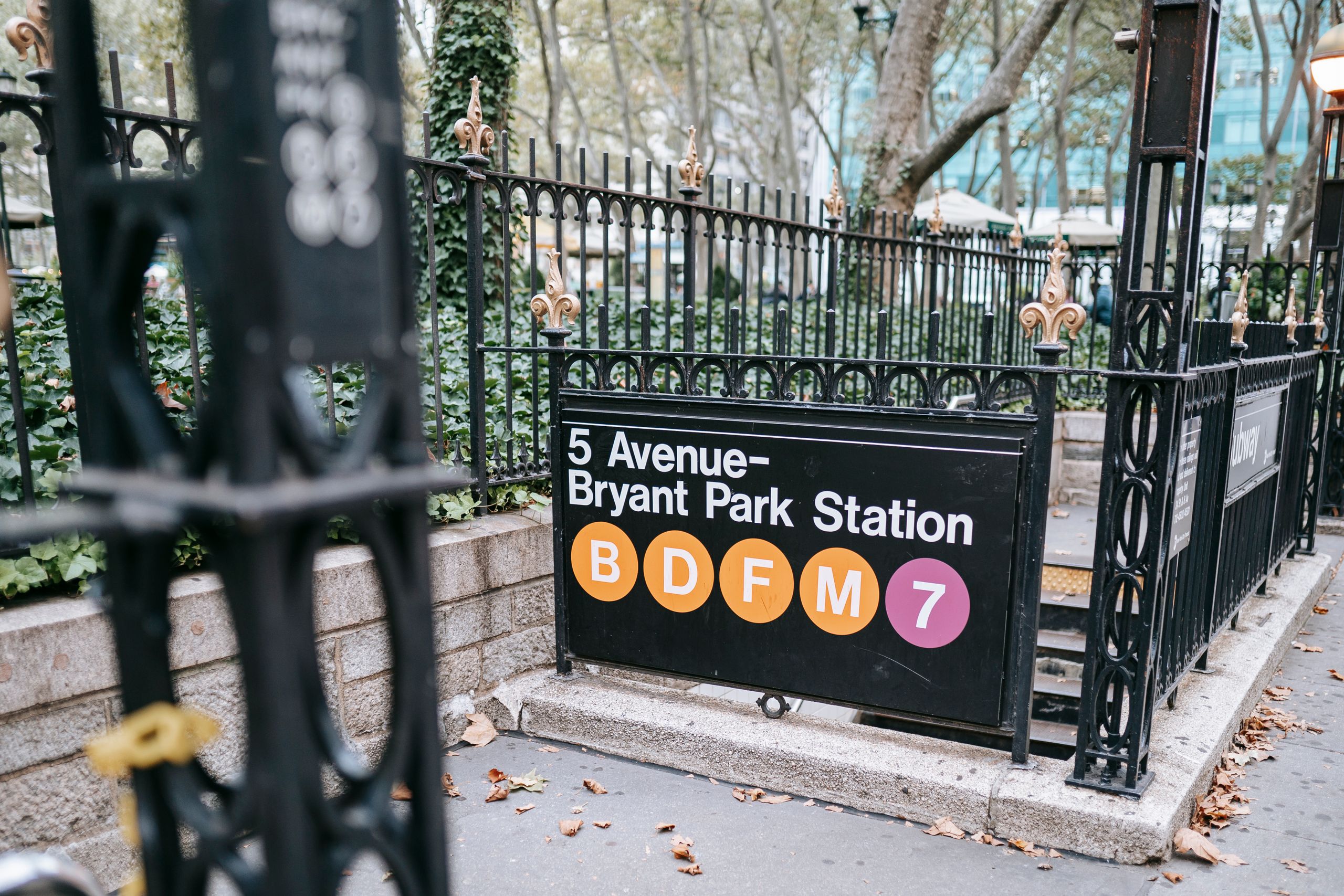
The Bryant Park angle makes this story much bigger than a normal postgame mess. This was not just a crowd that appeared out of nowhere after a Knicks loss.
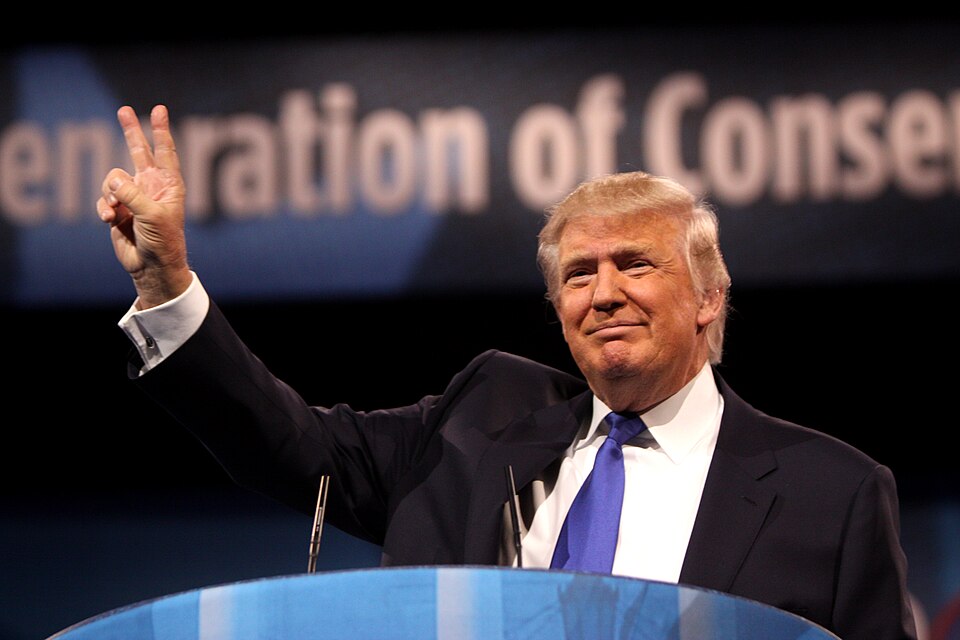
City Hall had announced Bryant Park as an additional Game 3 watch party location after the planned gathering outside Madison Square Garden became complicated by heightened security tied to President Donald Trump’s attendance at the game. That detail matters because it puts the city closer to the center of the story.
When a city promotes a public event, the public expects planning, crowd control, exit routes, police presence, and sufficient preparation for what might happen if the mood changes after a painful loss. That does not mean the mayor caused the violence. It does mean City Hall has to answer harder questions about whether the event was built to handle the size, intensity, and anger of the crowd.
The political problem for Mamdani is simple. Bryant Park was promoted as a place where New Yorkers could come together. By the end of the night, it became the place critics pointed to as proof that New York’s public celebration plan was not strong enough.
The Arrest Numbers Gave Critics A Harder Argument
Public outrage becomes more serious when it has numbers attached to it. In this case, the reported figures gave the story weight beyond viral clips.
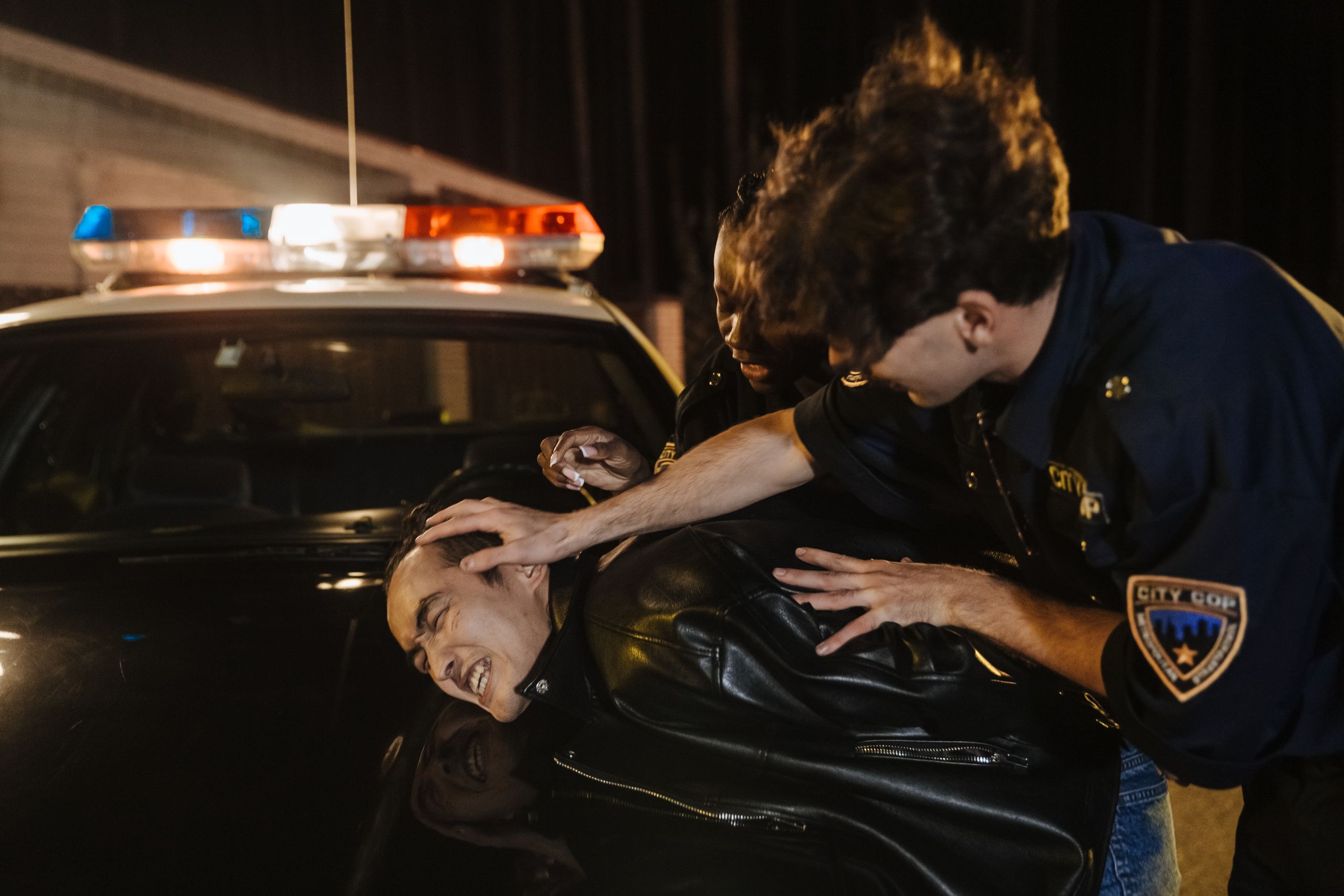
Police said 21 people were taken into custody after the unrest. Eight were arrested, 13 received criminal court summonses, and five NYPD officers were injured. Those numbers give Rapaport and other critics a stronger argument because the story is no longer just about embarrassing videos. It is about arrests, injured officers, and a public event that spilled into disorder.
We should not inflate the story into a citywide collapse. That would be irresponsible. But we also should not shrink it into harmless fan passion. Throwing objects, blocking traffic, fighting in the street, surrounding cars, and injuring officers are not normal parts of basketball fandom.
That is why the mayor’s response matters. City Hall condemned violence and tried to separate the peaceful majority from the disruptive minority. That is the correct distinction. But voters often judge public safety by what they see first, and the first image many people saw was not a peaceful watch party. It was chaos.
Spurs Fans Being Targeted Made The Story Uglier
The attacks and harassment involving Spurs fans gave the controversy a nastier edge. Rival fans should expect boos in New York. They should not expect to be surrounded, hit, chased, or stripped of team gear in the street.
Reports and viral videos showed disturbing scenes involving Spurs supporters after Game 3. That shifted the emotional weight of the story. It was no longer only about Knicks fans blowing off steam after a loss. It became a question of whether visiting fans could safely wear their team colors in Manhattan during the NBA Finals.
That is a terrible look for New York. The city loves to call itself tough, but there is nothing tough about a group targeting a rival fan. There is nothing proud about turning a sports loss into intimidation.
This is also where the Knicks fan base needs a fair defense. The worst behavior belonged to a small group, not the entire fan base. But small groups can still damage a city’s reputation, especially when their actions become the first videos everyone outside New York sees.
MSG And City Hall Are Now Fighting Over Who Controls The Celebration
The fight did not stop with Rapaport. Madison Square Garden Sports also clashed with city officials over restrictions for Game 4, which made the story more layered.
The city approved a ticketed watch party outside Madison Square Garden for Game 4, but the plan included screening, controlled entry, and a cap of 1,000 attendees. A security perimeter was also planned around the arena, with restrictions on general pedestrian and vehicular access.
MSG Sports criticized the restrictions and accused city officials of killing the energy around a historic Knicks run. City officials had a different problem. After Game 3, they could not simply act as if another huge, emotional crowd would manage itself.
That is the real New York conflict here. The city wants the joy, the noise, the packed streets, the photos, the energy, and the national spotlight. But it also wants safety, order, police protection, business access, and control. Those two desires do not always fit neatly together.
Mamdani’s Brand Is Facing A Public Safety Test
Mayor Mamdani’s political brand is tied to a more open and accessible New York. His supporters see him as a leader trying to make the city feel more affordable, more public, and less controlled by wealthy insiders.
But the chaos in Bryant Park puts that brand under pressure. Public access sounds inspiring until a public gathering turns violent. A citywide celebration feels democratic until police officers are hurt and rival fans appear unsafe.
This is the tension Mamdani now has to manage. He cannot respond by acting as if public joy is the problem. New York needs public joy. It needs shared spaces. It needs moments where people from different boroughs can gather around something bigger than daily survival.
But he also cannot let critics define his leadership as soft on disorder. Once that label sticks, every future incident becomes evidence. Rapaport understands that, and so will every political opponent watching from the sidelines.
Karamccurdy, CC BY-SA 4.0, via Wikimedia Commons
Rapaport Is Building A Campaign Mood Before A Campaign Platform
Rapaport’s possible 2029 mayoral run still has a long way to go before it becomes a serious campaign operation. But politics does not begin with policy papers. It often begins with mood.
Right now, Rapaport is trying to own the mood of frustration. He is speaking to New Yorkers who feel the city is too expensive, too dirty, too chaotic, too permissive, and too slow to punish bad behavior. His message is not subtle. He is telling voters that New York needs someone who will not make excuses when the streets get ugly.
That kind of message can work because it is easy to understand. It does not require voters to read a full platform. It asks one emotional question: Do you feel like the city is under control?
Still, Rapaport has a serious weakness if he moves from celebrity critic to actual candidate. Anger is not a governing plan. Running New York means managing police staffing, sanitation, housing, transit, schools, migrant services, labor unions, emergency response, and a multibillion-dollar budget. A campaign built on outrage can win attention, but it eventually has to show competence.
The Trump Security Detail Added Another Layer
One of the most important planning details is the cancellation of the watch party outside Madison Square Garden for Game 3. That change was linked to heightened security around President Donald Trump’s attendance at the game.
That matters because it helps explain why Bryant Park became such a major gathering point. When fans could not gather outside MSG as expected, the city had to shift the celebration elsewhere. That created a crowd management challenge, especially with emotions running high during the Knicks’ first Finals appearance in decades.
This angle makes the story more unique because it moves beyond blaming one person. The chaos stemmed from several forces colliding at once: presidential security, a historic Knicks run, a painful home loss, rival fans in the city, viral crowd behavior, and political tension around Mamdani’s leadership.
That does not excuse anyone who fought, attacked officers, or targeted Spurs fans. But it does show why the story is more complicated than one actor insulting one mayor.
Game 4 Became The Real Leadership Test
After Game 3, the next question was obvious. Could New York adjust before Game 4?
The tighter Game 4 plan showed that city officials understood the risk. Screening, ticketed access, controlled entry points, and a security perimeter were all signs that the city wanted a calmer and more manageable scene around Madison Square Garden.
But that also created a new political problem. Some fans and MSG officials saw the restrictions as excessive. They argued that New York’s Final Moment was being boxed in, sanitized, and controlled. City officials had to argue the opposite, that public celebration could continue, but not at the cost of safety.
That is the kind of decision mayors rarely win cleanly. If the city allows a huge crowd and things go wrong, critics call it reckless. If the city limits the crowd and things stay calm, critics call it joyless. Leadership means taking the blame before anyone admits the decision worked.
Why This Story Could Follow Mamdani Into 2029
The 2029 mayoral race may feel far away, but political identities form early. This incident gives Mamdani’s critics a simple story to repeat.
They can say City Hall promoted a watch party, the crowd turned disorderly, officers were injured, rival fans were targeted, and the mayor had to clean up the optics afterward. That is not the whole story, but it is a politically powerful version of it.
Mamdani’s defense is also clear. Most fans behaved peacefully; the city condemned the violence; tighter security followed; and public celebration should not be judged solely by the worst people in the crowd. That is a reasonable argument, but it may not be as emotionally powerful as the footage that spread online.
Rapaport knows politics is often about images before explanations. If he runs in 2029, this moment will likely become part of his early case against Mamdani. It gives him a slogan, a villain, a public safety theme, and a set of viral clips that speak louder than a press release.
New York Needs Celebration Without Surrendering Control
The bigger issue is not whether New York should host watch parties. It should. A city that cannot gather for a historic Knicks Finals run has lost something important.
The issue is whether New York can celebrate without surrendering control of the streets to the loudest and most reckless people in the crowd. That is the balance the city has to find before every major sporting event becomes a police stress test and every fan gathering becomes a political trap.
We should want Bryant Park to be full of fans. We should want the streets alive. We should want visiting fans to feel the heat of New York sports culture without fearing violence. We should want police officers to be protected, businesses to be respected, and families to be able to attend public events without wondering when the mood will turn.
That is the standard Mamdani now has to meet. It is also the standard Rapaport will use against him if he keeps moving toward a 2029 campaign.
Final Thought
The Knicks’ chaos gave New York another uncomfortable mirror. It showed a city that knows how to celebrate but still struggles with what happens when celebration turns into disorder.
Michael Rapaport turned that mirror toward Mayor Zohran Mamdani and made the moment political. His message was blunt: this would not happen on his watch. Whether voters buy that or not, the attack landed because it touched a real nerve about safety, leadership, and the feeling that New York’s biggest public moments can spin out of control.
Mamdani now has to prove that his version of an open, energetic, people-centered city can also be disciplined and safe. Rapaport has already made his bet that voters will doubt it. The next big crowd will decide who has the stronger argument.