Remember when food just had to taste good? These days, it sometimes feels like a snack needs a viral video, an unusual ingredient, and an outrageous presentation before anyone pays attention.
From chocolate bars with elaborate fillings to oversized cookies and candy-stuffed pickles, the food world has become very good at turning ordinary cravings into expensive experiences.
Don’t get us wrong. Trying something new is part of the fun of eating, and some viral creations genuinely deserve their popularity. But there’s a difference between an interesting food idea and a trend that gets carried too far. Here are nine food trends that might benefit from less hype and more attention to flavor.
Turning Every Dessert Into Dubai Chocolate
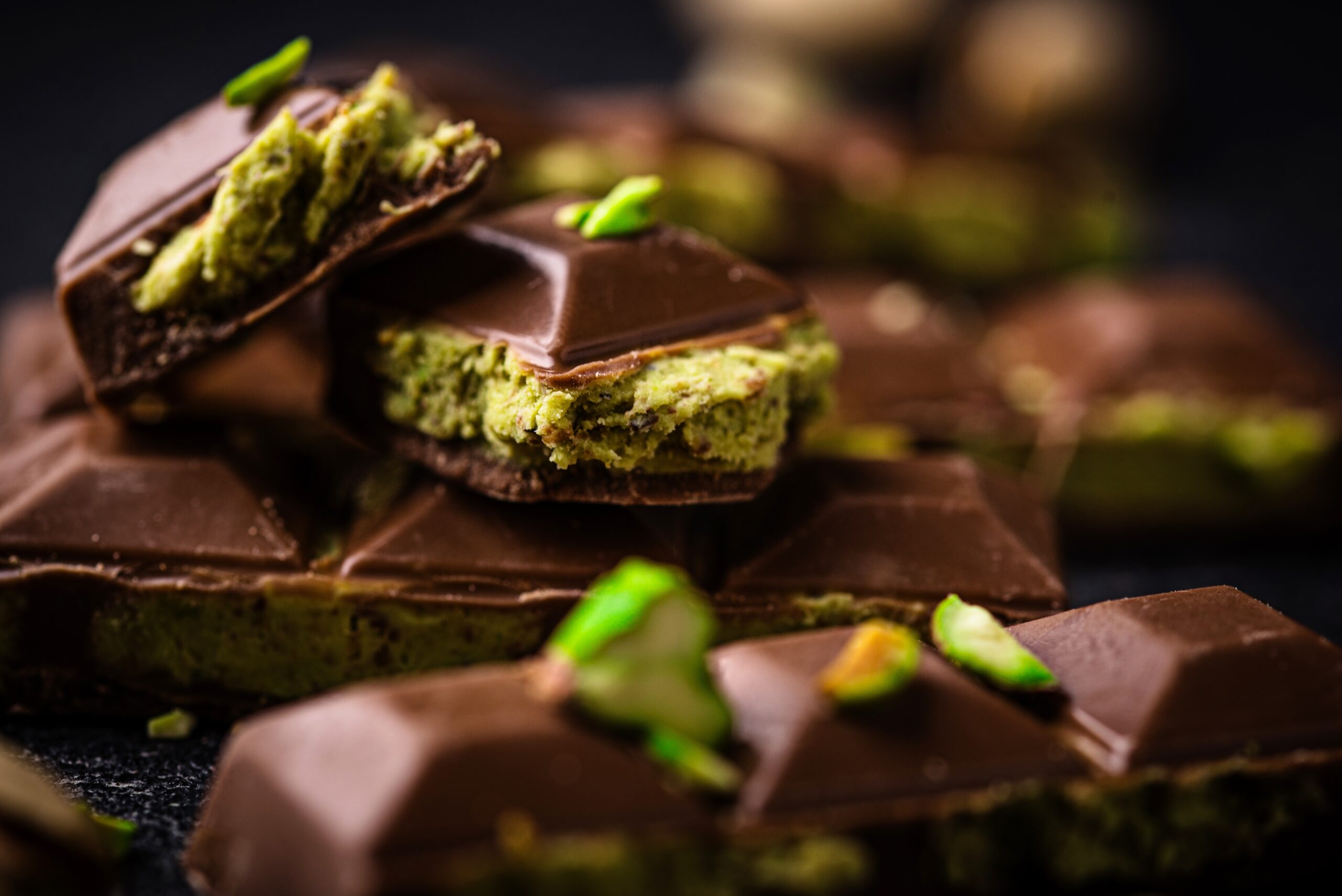
Dubai-style chocolate is known for its mix of chocolate, pistachio filling, and crispy kadayif pastry. The original flavor combination is interesting, but the constant stream of inspired products can make the trend feel increasingly repetitive.
Take Lindt’s Dubai Style Milk Chocolate Bar, which was listed at $14.97 at Walmart. The 5.3-ounce bar includes pistachio filling, crispy pastry, and nut pieces, while Crumbl has also introduced a Dubai-Style Chocolate Cookie with a brownie base and pistachio-inspired additions.
There’s nothing wrong with enjoying these flavors. But when every familiar dessert gets another pistachio-and-pastry makeover, you start wondering whether the combination genuinely improves the recipe or simply borrows attention from something popular.
Candy-Stuffed Chamoy Pickle Kits
Candy-stuffed chamoy pickle kits might be one of the most elaborate examples of social-media snack culture. Instead of enjoying a pickle or a favorite candy separately, the trend combines multiple strongly flavored ingredients into one colorful creation.
Ma Lit Candy’s Alamo Big Tex Chamoy Pickle Kit, listed at $13.99, includes a chamoy pickle alongside items such as Lucas candy, Takis, and a Fruit Roll-Up. The company openly says TikTok inspired the assortment.
The problem isn’t chamoy, pickles, or Mexican candy. It’s the idea that piling more ingredients into one snack automatically makes it better. Sometimes the finished combination feels more like an attention-grabbing experiment than something you’d crave repeatedly.
Charging a Premium for Freeze-Dried Candy
Freeze-dried candy takes familiar sweets and transforms their texture, replacing the usual chewiness with something airy and crispy. It’s a clever twist, especially if you enjoy experimenting with different ways to eat your favorite candy.
SKITTLES POP’D Originals is one example. Mars announced the product in October 2024, with a wider rollout beginning in early 2025. A 5.5-ounce bag was listed at $5.96 at Walmart.
The familiar strawberry, lemon, lime, orange, and grape flavors remain, but the texture is the main attraction. That difference can certainly be enjoyable, though it doesn’t automatically make the candy worth paying extra for. Novelty is fun, but it shouldn’t be confused with better value.
Giving Every Sweet Snack a Protein Makeover
Protein-branded versions of familiar treats have become another noticeable part of modern food marketing. Even products traditionally associated with sweet breakfasts now carry additional branding that encourages shoppers to see them differently.
Pop-Tarts Protein Boostin’ Brown Sugar Cinnamon is an example. Walmart listed the eight-pastry box at $3.54, and the product keeps the familiar frosted pastry format with brown-sugar-cinnamon-flavored filling.
There’s nothing inherently wrong with offering another version of a popular snack. Still, not every toaster pastry needs an elaborate marketing identity to justify its place on the breakfast table. Sometimes people simply want the familiar pastry they already enjoy.
Making Dirty Soda an Entire Shopping Category
Dirty soda takes an ordinary soda and adds flavored creamers or other ingredients to create something more elaborate. The combinations can be playful, but the trend has grown beyond occasional custom orders into a category with dedicated grocery products.
Coffee-mate introduced Dirty Soda Creamer in flavors such as Orange Crème Pop and Coconut Lime.
For anyone who loves experimenting with drinks, that might sound entertaining. But if making a soda now requires a separate flavored creamer and a carefully planned combination, it’s worth asking whether the extra preparation actually makes the drink more enjoyable.
Related: 8 Popular Social Media Food Trends
Treating Prebiotic Soda Like an Essential Purchase
Prebiotic soda is another example of an ordinary beverage category gaining a specialized marketing identity. Products such as Poppi Doc Pop are presented as alternatives in the broader soda market, with particular attention to their ingredients and branding.
Walmart listed a four-pack of 12-ounce Poppi Doc Pop cans for $6.97, about $1.75 per can. Its ingredients include sparkling water, cane sugar, agave inulin, apple cider vinegar, and apple juice concentrate.
There’s nothing wrong with buying a soda because you enjoy its flavor. The questionable part is when branding makes an optional beverage feel like something that deserves a permanent place on every shopping list. Personal taste and price should still matter.
Putting Hot Honey on Absolutely Everything
Hot honey combines sweetness and heat in a way that can work beautifully with the right food. Mike’s Hot Honey Original, made with honey, chili peppers, and vinegar, has become a familiar example of the condiment.
The brand traces its beginnings to 2010 at Paulie Gee’s pizzeria in Brooklyn, where Mike Kurtz began bottling the product following customer requests.
The problem isn’t the condiment itself. It’s the temptation to add it to practically everything, whether the dish needs extra sweetness and heat or not. Good cooking involves knowing when an ingredient improves a recipe and when it’s better left on the shelf.
Using Gold Leaf to Make Food Look Expensive
Edible gold leaf has long been used to decorate desserts, drinks, and savory dishes. Its appeal comes from appearance rather than taste, since sellers describe the decorative gold as odorless and tasteless.
Slofoodgroup offers edible 24-karat gold sheets in different package quantities, including books of five, 10, or 25 sheets. Each sheet measures eight by eight centimeters, making the product suitable for decorative food presentations.
There’s room for beautiful food, but adding something that adds no flavor raises an interesting question about culinary value. If the main attraction is how expensive the finished plate looks, perhaps presentation has started doing more work than the recipe.
Making Giant Cookies the Main Attraction
Oversized cookies turn a familiar baked treat into something that feels like an occasion. Levain Bakery’s Chocolate Chip Walnut Cookies are an example, with each cookie weighing six ounces.
The bakery describes them as having crisp exteriors, thick gooey centers, semisweet chocolate chips, and walnuts.
There’s nothing wrong with a generous cookie, especially when you enjoy its texture and flavor. But bigger doesn’t automatically mean better baking. A cookie should earn its reputation through taste, not just how impressive it looks in someone’s hand.
Good Food Doesn’t Need a Gimmick
Food trends can inspire creativity, introduce new flavors, and make familiar ingredients exciting again. But when novelty becomes more important than flavor, even a clever idea can lose its appeal. Sometimes the best thing a food trend can do is remind us that delicious food doesn’t need to go viral to be worth enjoying.