Senate Republicans left for their August recess this week without bringing the SAVE America Act to a floor vote. The decision left President Donald Trump’s top legislative priority stalled for the sixth time this year.
The chamber left Washington on Thursday before returning Friday for one final stretch of business. A deal then shelved both the voter ID bill and a companion budget resolution until lawmakers reconvene in September.
The retreat caps weeks of public pressure from Trump, who spent late July demanding Senate Majority Leader John Thune cancel the recess entirely or scrap the filibuster outright. Neither happened. Senator Mike Lee of Utah, one of the bill’s lead sponsors, insisted the fight was not over, telling reporters the party was not dropping SAVE and that passage was only a matter of time.
The math never favored a floor victory
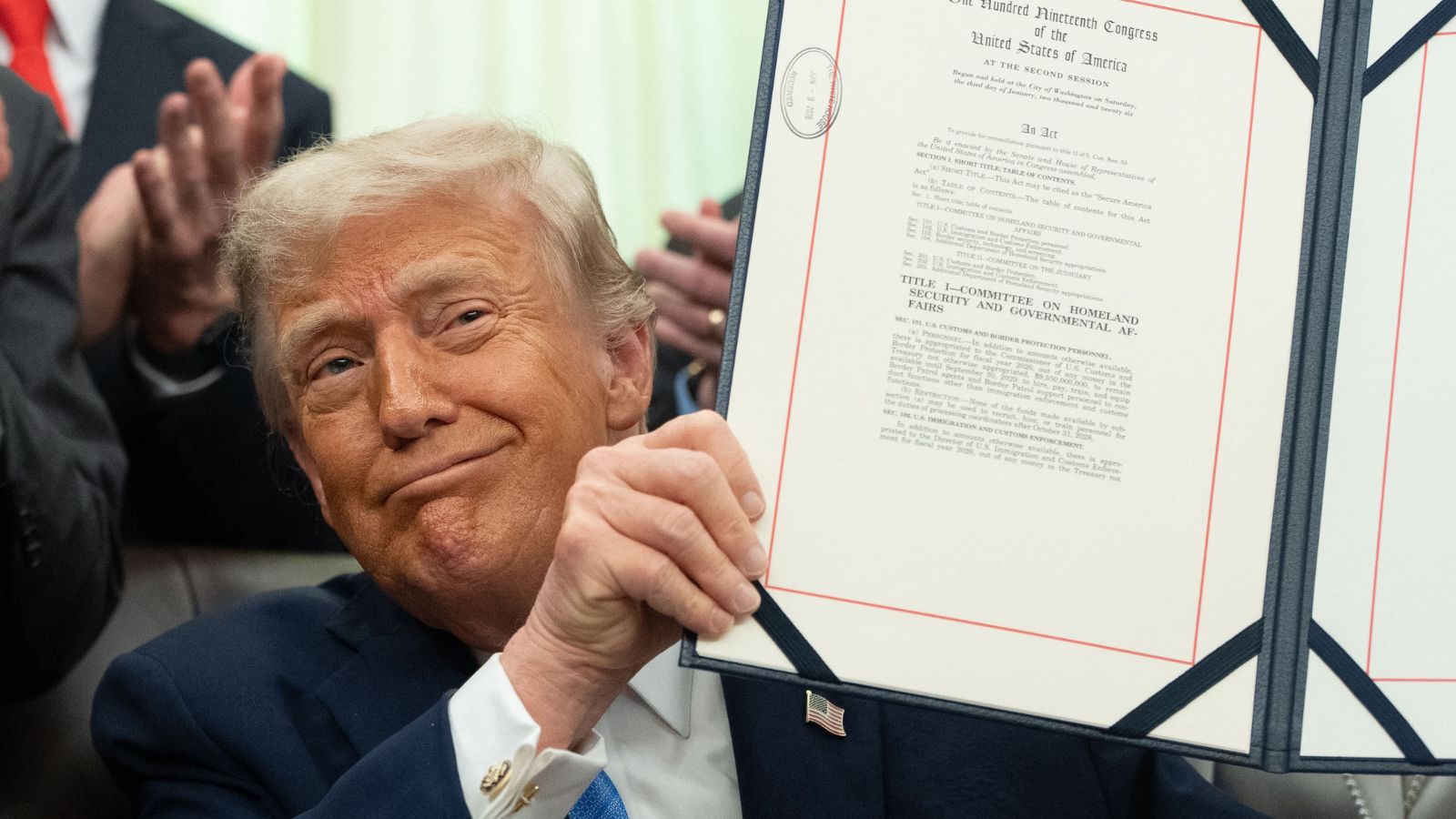
Republicans hold 53 seats in the Senate, nine short of the 60 votes needed to break a filibuster on ordinary legislation. The chamber has already voted on the SAVE America Act or its core provisions five separate times this year without clearing that threshold. Thune has repeatedly told colleagues and the White House that more floor time would not change the math. He has asked allies to explain what victory would look like if Democrats never cross over.
That refusal to bend created friction inside his own conference. Senators Mike Lee, Tommy Tuberville, and roughly a dozen allies pushed to stay in Washington through August. They wanted to force a talking filibuster, betting that hours of Democratic floor speeches would build pressure Republicans could use in the fall campaign.
Trump’s ultimatum ran into a wall of no votes
Trump escalated his demands through late July, posting that Thune should not let the Senate leave town until the bill passed or the filibuster was terminated. Thune pushed back publicly, noting that a recent sit-down with roughly 20 Republican senators on eliminating the legislative filibuster produced fifteen no votes.
Vulnerable incumbents facing reelection in November, including Susan Collins of Maine, Jon Husted of Ohio, and Dan Sullivan of Alaska, needed to return home to campaign. Thune argued that keeping them in Washington for open-ended floor sessions would interfere with that.
By Friday night, Trump, Thune, and House Speaker Mike Johnson had reached an agreement to set the standalone bill aside. Instead, they planned to route parts of it through the reconciliation process this fall, a mechanism that requires only a simple majority.
The bill would rewrite how citizens prove they belong on the rolls
The legislation would require documentary proof of citizenship before anyone could register to vote in a federal election. Acceptable documents would include a passport, birth certificate, or naturalization certificate.
It would also mandate a photo ID standard that is narrower than the voter ID laws currently on the books in every state except Ohio. It would also eliminate most mail and online registration, since applicants would generally need to present documents in person to an election official.
Election workers who register a voter later found to have submitted flawed citizenship paperwork could face criminal penalties, even when the voter turns out to be a citizen.
States would also be directed to send voter rolls to the Department of Homeland Security for citizenship checks. The system has a history of wrongly flagging some citizens as noncitizens. That record has raised concerns about the accuracy of the proposed verification process.
Millions of eligible voters could lose easy access to the ballot
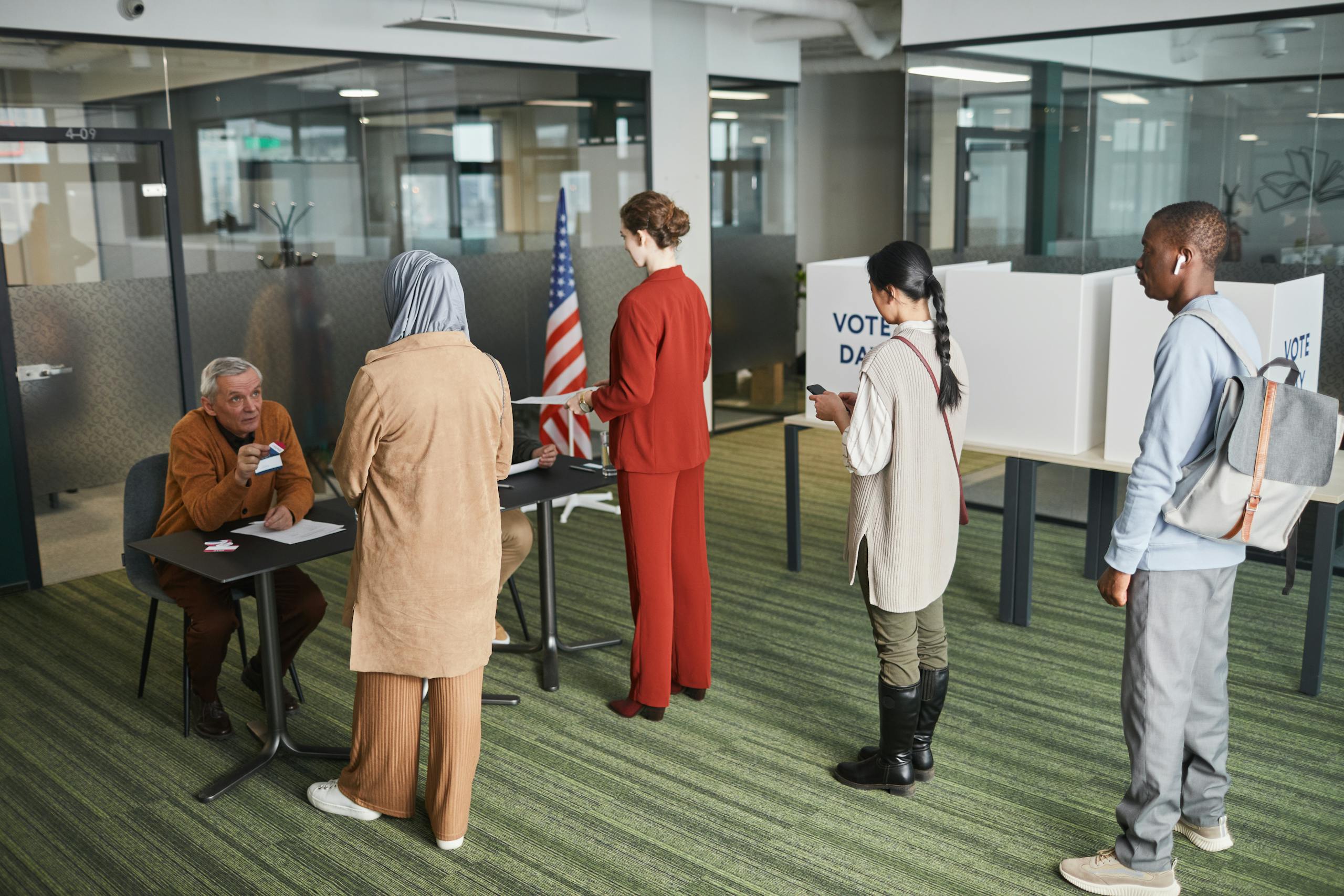
Brennan Center research puts the number of citizens without ready access to a passport or birth certificate at more than 21 million. The burden falls hardest on voters of color, married women whose legal names changed and younger Black Americans who were never issued a birth certificate.
A separate Bipartisan Policy Center analysis of 2024 MIT Election Data and Science Lab survey data lands closer to 12 percent of registered voters. That’s roughly 28 million people who lack a passport or birth certificate paired with a government photo ID.
The gap between those two estimates has become its own political battleground, with Senate Democrats generally citing the higher Brennan Center figure in floor debate. Either number dwarfs the fraud the bill claims to solve.
Utah’s own citizenship audit undercuts the fraud narrative
Utah recently completed one of the most extensive state-level citizenship reviews on record, screening more than two million registered voters.
The review found one confirmed instance of noncitizen registration. It found zero instances of noncitizens actually voting. The result is consistent with a 1996 federal law that already bars noncitizens from voting in federal elections and carries criminal penalties.
That track record has not slowed the bill’s momentum among House Republicans. They passed a version of it in February by a 218-213 vote and folded parts of it into the fiscal 2027 defense authorization bill in July.
Reconciliation is now the last road left this year
House Republicans have set aside up to 10 billion dollars over ten years in incentive grants for states willing to adopt SAVE-style requirements. The figure nearly doubles everything Congress has spent on election administration since 2002.
The House Administration Committee has until September 11 to determine which provisions can survive the Senate parliamentarian’s review. The review will assess which measures qualify as budget-related policy under reconciliation rules.
Speaker Mike Johnson has framed the grant structure as a workaround for blue states that refuse to adopt the mandate voluntarily.
Thune has cautioned that reconciliation may only stretch far enough to cover funding mechanisms rather than the sweeping registration overhaul Trump wants.
Congress also faces a government funding deadline at the end of September. That means the SAVE America Act’s next test will likely arrive tangled inside a shutdown fight rather than standing on its own.