Social norms are the unwritten rules that guide how we behave around other people. They tell us when to speak, how close to stand, how to greet someone, how to act at dinner, and how to behave in shared public spaces. We follow them because they make daily life feel predictable.
Social norms shape nearly every public moment we move through, even when we do not stop to name them. We stand in lines, lower our voices in quiet rooms, face forward in elevators, greet people with familiar phrases, and give strangers just enough space to feel safe. These everyday social norms may look small, but they hold together the invisible structure of public life.
Most of us do not wake up thinking about etiquette, personal space, greetings, or turn-taking. We learn these habits through family, school, culture, workplaces, friendships, and the awkward sting of getting them wrong. A person who cuts a line, coughs openly, talks loudly in a library, or stares too long in an elevator quickly reminds us that social rules still matter.
The interesting part is that many social norms work best when we barely notice them. They reduce friction, protect comfort, signal respect, and help strangers share space without constant negotiation. We may call them manners, etiquette, common sense, or basic respect, but at their core, they are unspoken agreements.
Greeting People Signals Respect Before Conversation Begins
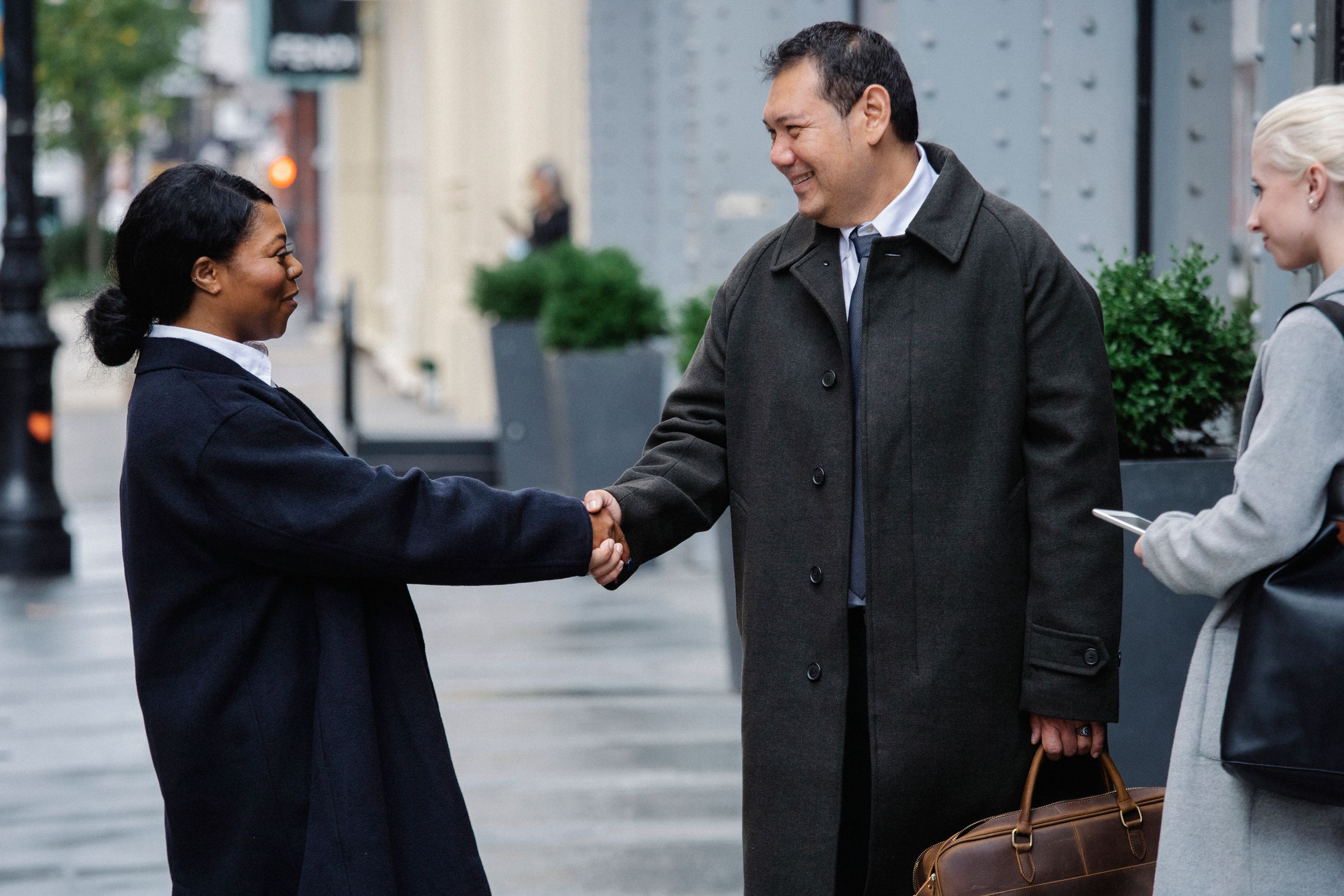
Greetings are one of the most common social norms we follow without thinking. We say hello, nod, smile, wave, shake hands, hug, or ask how someone is doing because greeting people confirms that we recognize their presence. Even a short greeting can soften a room and prevent silence from feeling cold.
The phrase “How are you?” often works less like a real question and more like a social bridge. In many everyday settings, we do not expect a full emotional report. We expect a polite response, a return greeting, and a smooth start to the interaction. That small exchange says, “We are entering this moment respectfully.”
This norm matters because ignoring someone can feel sharper than we intend. Walking into a room without acknowledging others may seem rude, distracted, or unfriendly. Greeting people helps us show warmth before any deeper conversation begins. It turns strangers, coworkers, neighbors, and acquaintances into people we have noticed.
Covering a Cough Shows That Public Hygiene Is a Shared Responsibility

Covering a cough or sneeze is a basic social norm with a serious purpose. It protects others from germs and shows that we understand our actions affect the people around us. This habit became even more visible after public health concerns made everyday hygiene feel socially urgent.
The modern version of this norm often involves coughing or sneezing into the elbow rather than the hand. That small shift matters because hands touch door handles, phones, counters, shared tools, and other people. A covered cough quietly says we are trying to reduce harm, even in a brief moment.
When someone coughs openly in a crowded bus, office, classroom, or store, people notice. They may step back, look uncomfortable, or judge the person as careless. That reaction proves the norm still carries social weight. We do not cover coughs for ourselves only. We do it because public space belongs to everyone.
Waiting Our Turn Keeps Daily Life From Turning Into Chaos

Waiting in line may feel ordinary, but it is one of the strongest social norms in modern life. We line up at grocery stores, banks, coffee shops, airports, clinics, and school offices because turn-taking protects fairness. The line tells us that time matters, but nobody’s time automatically matters more than everyone else’s.
This norm works because most people accept a simple rule. First-come, first-served. Once that rule is broken, irritation rises quickly. A person who cuts in line does more than move ahead. They challenge the shared agreement that keeps the group calm.
Waiting for our turn also prevents small conflicts from becoming public arguments. Without this norm, every crowded space would require negotiation, competition, or confrontation. A simple line reduces stress because everyone can see the order. We may not enjoy waiting, but we understand why the rule exists.
Speaking Softly in Quiet Places Protects Shared Attention

Quiet places depend on cooperation. Libraries, museums, waiting rooms, religious spaces, study halls, and certain cafes all rely on people lowering their voices. The silence is not empty. It is part of the space’s purpose.
When we speak softly in quiet places, we show that our conversation is not more important than everyone else’s focus. A loud phone call in a library feels rude because it breaks the shared expectation of calm. The same voice that feels normal at a party may feel disruptive in a hospital corridor.
This social norm teaches us that volume carries meaning. Loudness can signal excitement, confidence, anger, carelessness, or lack of awareness, depending on the setting. Soft speech tells others we understand where we are. It protects the room’s mood without anyone having to ask.
Respecting Older Adults Reflects More Than Tradition
Respecting older adults is often described as old-fashioned, but the deeper social norm still matters. In many communities, age carries meaning because older people are seen as holders of experience, memory, sacrifice, and social continuity. Respect does not mean blind obedience. It means we recognize the dignity of people who have lived through more years than we have.
This norm can appear in small actions. We may offer a seat, speak with patience, listen without rushing, hold a door, or avoid dismissive language. These gestures show that we do not treat aging as invisible. They remind us that every stage of life deserves consideration.
At the same time, this norm is changing. Younger generations often value mutual respect over automatic hierarchy. That shift does not erase the importance of courtesy. It simply asks us to balance respect for elders with respect for everyone’s boundaries, voice, and individuality.
Facing Forward in an Elevator Reduces Social Pressure

Few social norms are as strange and universal as facing forward in an elevator. Most people step inside, turn toward the doors, and avoid prolonged eye contact. Nobody usually explains this rule, yet almost everyone understands it.
Elevators create forced closeness. We share a tiny space with strangers, often standing much closer than we would choose in an open room. Facing forward lowers the tension. It gives everyone a neutral direction to look and prevents the ride from becoming awkward.
This norm also protects personal space when physical space is limited. We may not be able to stand far apart, but we can reduce social pressure through posture, silence, and gaze. That is why someone facing the group, rather than the door, instantly feels unusual. The behavior breaks the invisible script.
Table Manners Turn Eating Into a Shared Experience
Table manners are not just about forks, napkins, elbows, or chewing quietly. They help people eat together without discomfort. Dining is personal because it involves the body, appetite, conversation, and attention. Manners keep that shared experience pleasant.
Chewing with a closed mouth, waiting until others are served, avoiding rude comments about food, and staying present at the table all signal consideration. These habits tell others that we care about their comfort, not just our own hunger. Even casual meals have social expectations.
Modern table manners now include phone etiquette. Scrolling through messages during dinner can make others feel ignored. We may be physically present, but our attention has left the table. Good manners today mean more than eating neatly. They also mean showing the people with us that they matter.
Eye Contact Shows Attention When Used With Care
Eye contact is one of the most powerful social signals we use. It can show confidence, honesty, interest, warmth, or respect. When we look at someone during a conversation, we show we are engaged rather than drifting away.
Still, eye contact works best in balance. Too little may seem distant, nervous, bored, or evasive. Too much may feel intense, aggressive, or uncomfortable. The norm is not constant staring. It is natural attention with brief pauses.
This is why eye contact varies by culture, personality, and situation. In some settings, direct eye contact signals confidence. In others, it may feel disrespectful or confrontational. A socially aware person does not force one rule everywhere. We watch for comfort and adjust.
Giving Personal Space Protects Comfort and Boundaries
Personal space is an invisible boundary that people feel immediately when it is crossed. We may not measure it in exact inches, but we know when someone stands too close in a line, leans too near during conversation, or crowds us in an open room. The body notices before the mind explains.
This social norm protects comfort, safety, and dignity. Giving space tells others that we respect their boundaries. It also reduces the chance of misunderstandings, especially between strangers or people who do not know each other well.
Personal space changes depending on the relationship and setting. Close friends may sit near each other without discomfort. Strangers usually need more distance. Crowded trains and elevators may force closeness, but people still use eye direction, posture, and silence to create psychological space. The norm adapts, but it does not disappear.
Walking Calmly in Public Helps Us Share Movement Smoothly
Walking may not seem like etiquette, yet public movement has its own social norms. We adjust our pace on sidewalks, avoid blocking paths, move aside for faster walkers, and try not to make our physical strain everyone else’s problem. Even breathing, stopping, and weaving through crowds carries social signals.
The idea is not that people must hide discomfort or move perfectly. Everyone gets tired, rushed, winded, distracted, or overwhelmed. The norm is about awareness. We try to move in ways that do not disrupt others when we can avoid it.
This matters in busy spaces such as airports, malls, train stations, school hallways, and city sidewalks. Walking too slowly across a narrow path, stopping suddenly, or pushing through people creates friction. Calm public movement helps strangers share limited space without constant irritation.
Breaking Social Norms Feels So Awkward
Breaking a social norm often creates discomfort before anyone says a word. A person talks loudly in a quiet room, and people glance over. Someone stands too close, and bodies shift away. A guest checks their phone during dinner, and the conversation loses energy. The punishment is usually not legal. It is social.
That is why norms are so effective. They are enforced through facial expressions, silence, distance, tone, jokes, gossip, correction, and reputation. We learn what is acceptable because people respond to our behavior. Approval teaches us to continue. Awkwardness teaches us to adjust.
However, not every broken norm is bad. Some norms deserve to be questioned, especially when they protect unfair power, silence honest emotion, or punish harmless differences. Social wisdom means knowing the difference between a norm that fosters respect and one that merely preserves outdated control.