Some products feel like progress. Others feel like a receipt with extra steps.
That is why many baby boomers still refuse to buy certain modern products in 2026. We are not talking about people who reject every new idea. We are talking about shoppers who learned to value durability, ownership, repairability, privacy, and common sense before everything came with an app, a login, a charger, a subscription, or a monthly reminder to update software.
The real reason most boomers refuse to buy certain things isn’t stubbornness. It is buyer fatigue. After years of rising prices, cheap materials, shrinking warranties, and products designed to become obsolete, many older shoppers have learned to ask a simple question before spending money. Does this actually make life better, or does it just make life more complicated?
Smart Refrigerators With Too Many Features
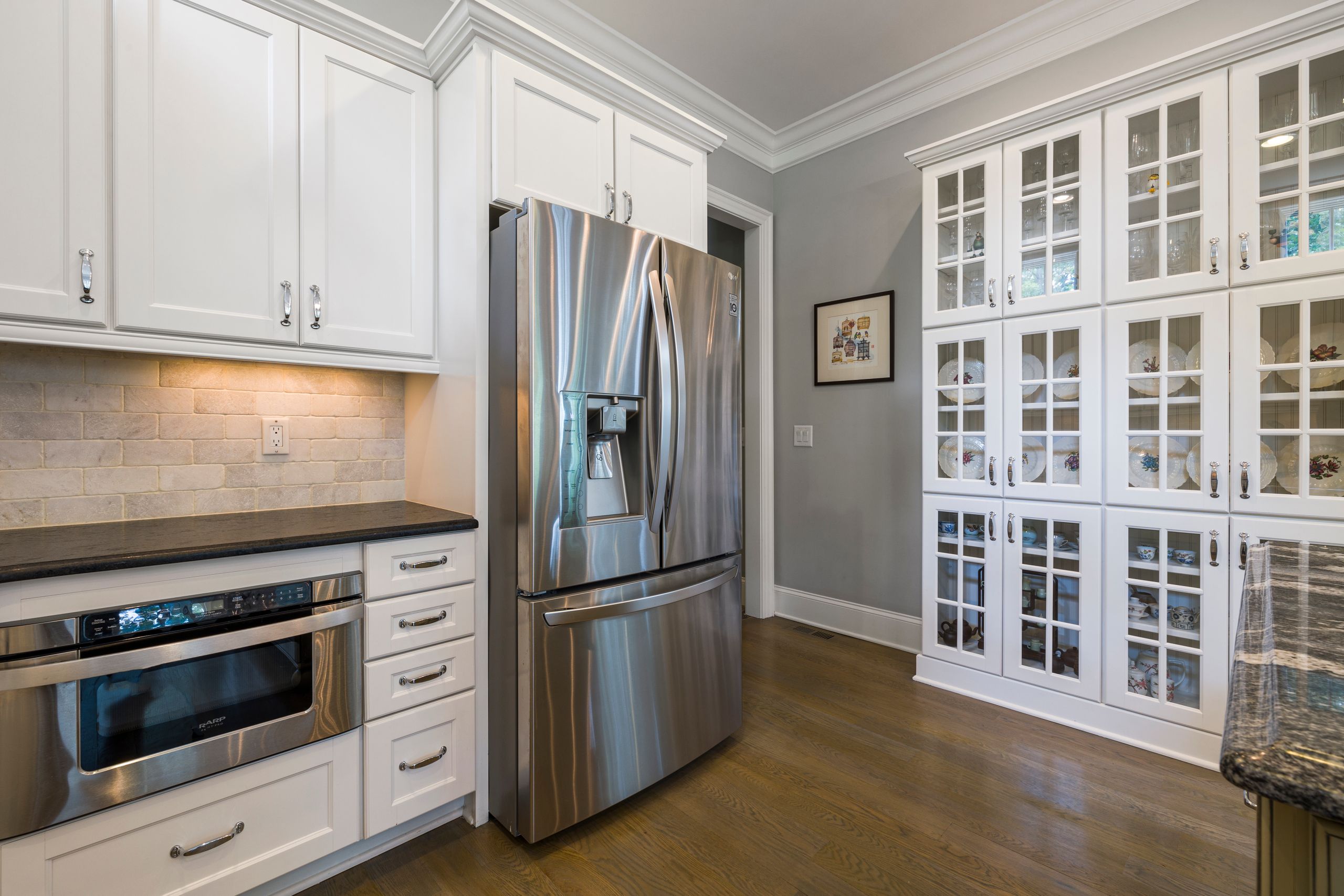
A refrigerator used to have one job. It kept food cold. In 2026, some smart fridges aim to manage grocery lists, display calendars, connect to phones, and serve as a kitchen command center. Many boomers see that as unnecessary technology wrapped around a basic household appliance. We can understand why. If the screen breaks, the fridge should not feel broken, either.
The bigger concern is the repair cost. A traditional refrigerator is already expensive enough, and adding touchscreens, sensors, cameras, and Wi-Fi creates more parts that can fail. Boomers tend to distrust products that turn simple appliances into digital systems.
They often prefer a fridge with sturdy shelves, reliable cooling, and a long service life over one that can send a phone alert when the milk is running low. To them, the smartest refrigerator is the one that lasts.
Air Fryers and Countertop Gadget Hype
Air fryers have become kitchen celebrities, but many boomers still do not see the need for them. They already know how to roast vegetables, bake chicken, fry potatoes, and reheat leftovers with tools they have used for decades. A countertop appliance that promises speed and crispiness may sound useful, but it also takes up space. For people who value clear counters and simple kitchens, that matters.
The issue is not that boomers cannot use air fryers. Many simply question whether every cooking trend deserves a permanent spot near the toaster. They have watched bread machines, juicers, electric grills, and novelty appliances come and go. That history makes them cautious. If a regular oven, skillet, or slow cooker already works, buying another gadget can feel like paying for a solution to a problem they never had.
Virtual Reality Headsets
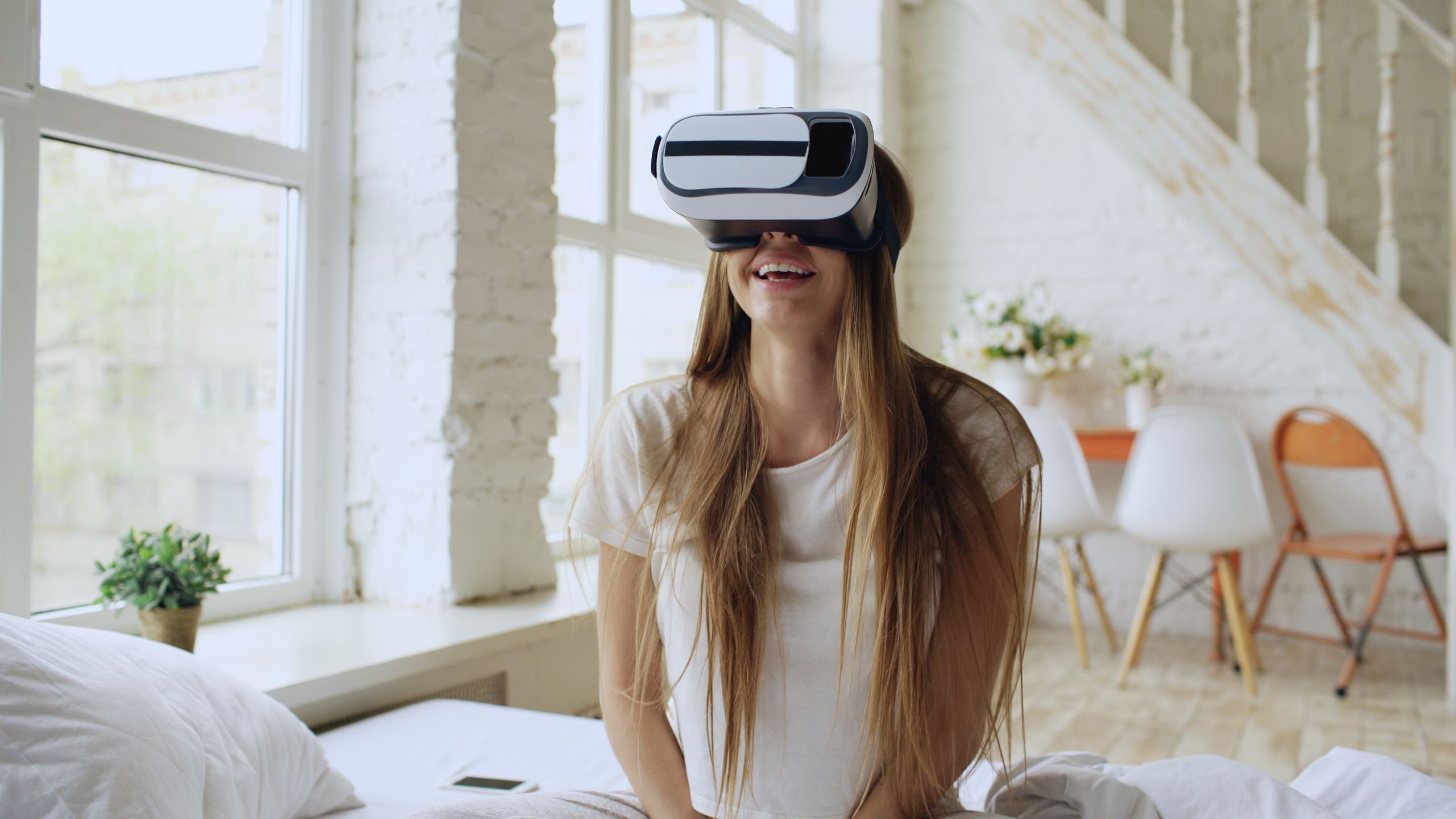
Virtual reality may be exciting for gaming, fitness, training, and entertainment, but many boomers still refuse to buy VR headsets. The bulky design alone can be enough to kill the appeal. Wearing a face mask can feel awkward, isolating, and unnecessary, especially for people who prefer television, books, travel, walking, hobbies, or in-person conversation.
Boomers also tend to question the emotional value of virtual experiences. Why pay for a headset to simulate reality when the real world is still available? That does not mean VR has no place. It simply means many older shoppers do not see it as essential. If the product feels uncomfortable, expensive, and socially isolating, it will struggle to win over buyers who already have satisfying offline routines.
Robot Vacuums That Need Too Much Babysitting
Robot vacuums sound like the perfect convenience product until they get stuck under furniture, miss corners, drag cords, bump into chair legs, or need constant emptying. Many boomers prefer a regular vacuum because it gives them control. They can see where they cleaned, reach tight spaces, and finish the job without hoping a device maps the room correctly.
The app requirement is another barrier. A vacuum that needs Wi-Fi, charging schedules, sensors, replacement parts, and troubleshooting can feel less convenient than advertised. Boomers often judge products by whether they reduce effort in real life, not just in commercials.
If a robot vacuum still requires supervision, floor preparation, and cleanup afterward, many will keep the old upright vacuum and call it common sense.
Self-Driving Car Features
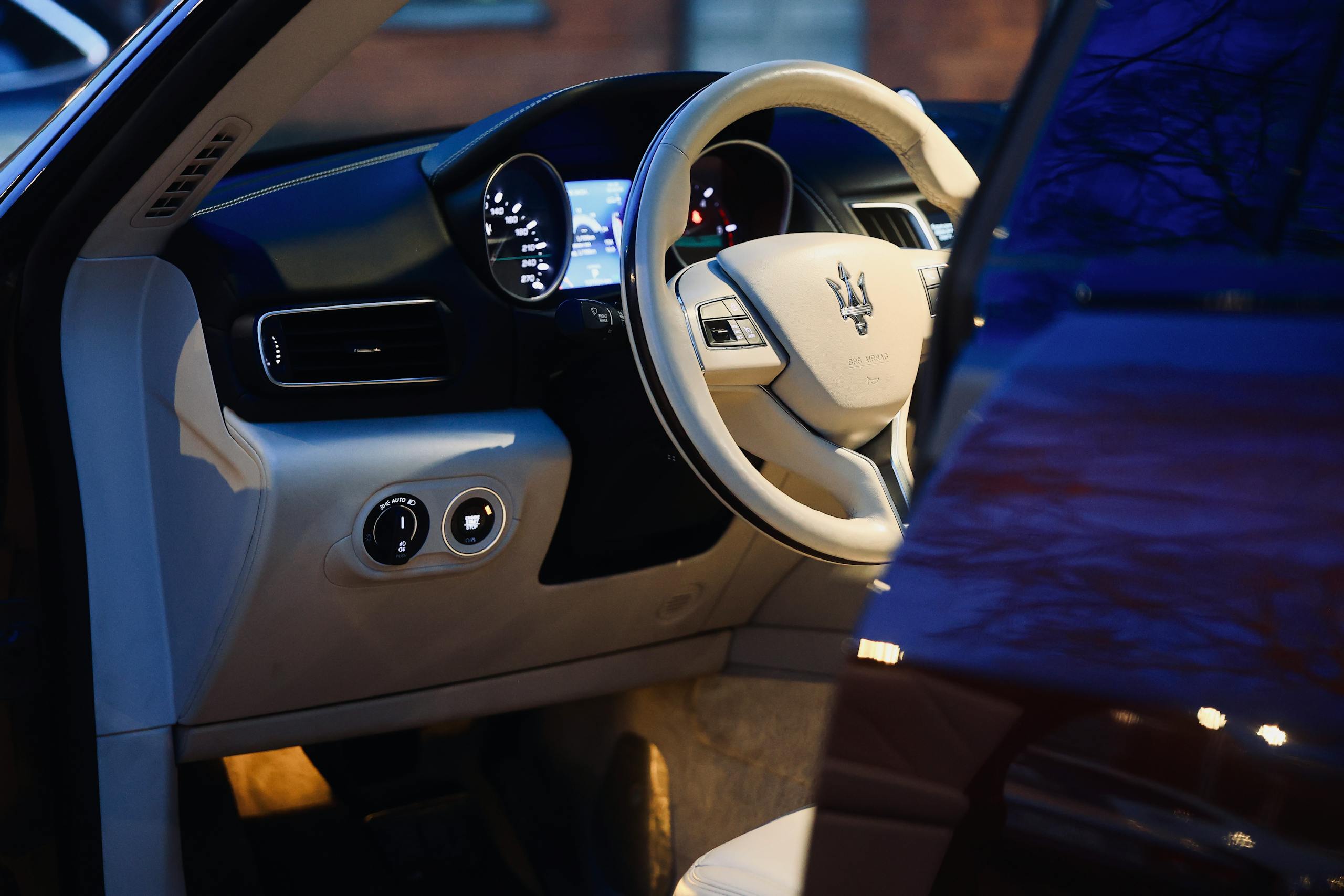
Advanced driver-assistance systems may be designed for safety, but many boomers still feel uneasy about cars that steer, brake, park, or change lanes with limited human input. Driving has always been a skill built through attention and judgment. Giving control to sensors and software can feel risky, especially when the road is unpredictable.
Their hesitation is not irrational. A driver who has spent 40 or 50 years controlling a vehicle may not enjoy feeling like the car is making decisions. Boomers also worry that automation can encourage distraction. They want clear buttons, responsive steering, simple alerts, and mechanical confidence. A safer car appeals to them. A car that feels like a computer on wheels may not.
Standing Desks and Office Wellness Fads
Standing desks became a symbol of modern workplace wellness, but many boomers still find the trend strange. After decades of working at traditional desks, they may see no reason to spend hundreds of dollars on a piece of furniture that turns typing into a balancing act. Comfort, habit, and practicality matter more than office trends.
That does not mean boomers reject health advice. Many simply prefer low-cost solutions. They can take walks, stretch, change chairs, or stand during phone calls without buying a motorized desk. To them, wellness products often turn basic advice into expensive equipment. If the goal is to move more, a walk around the block makes more sense than a desk with buttons.
Designer Water Bottles
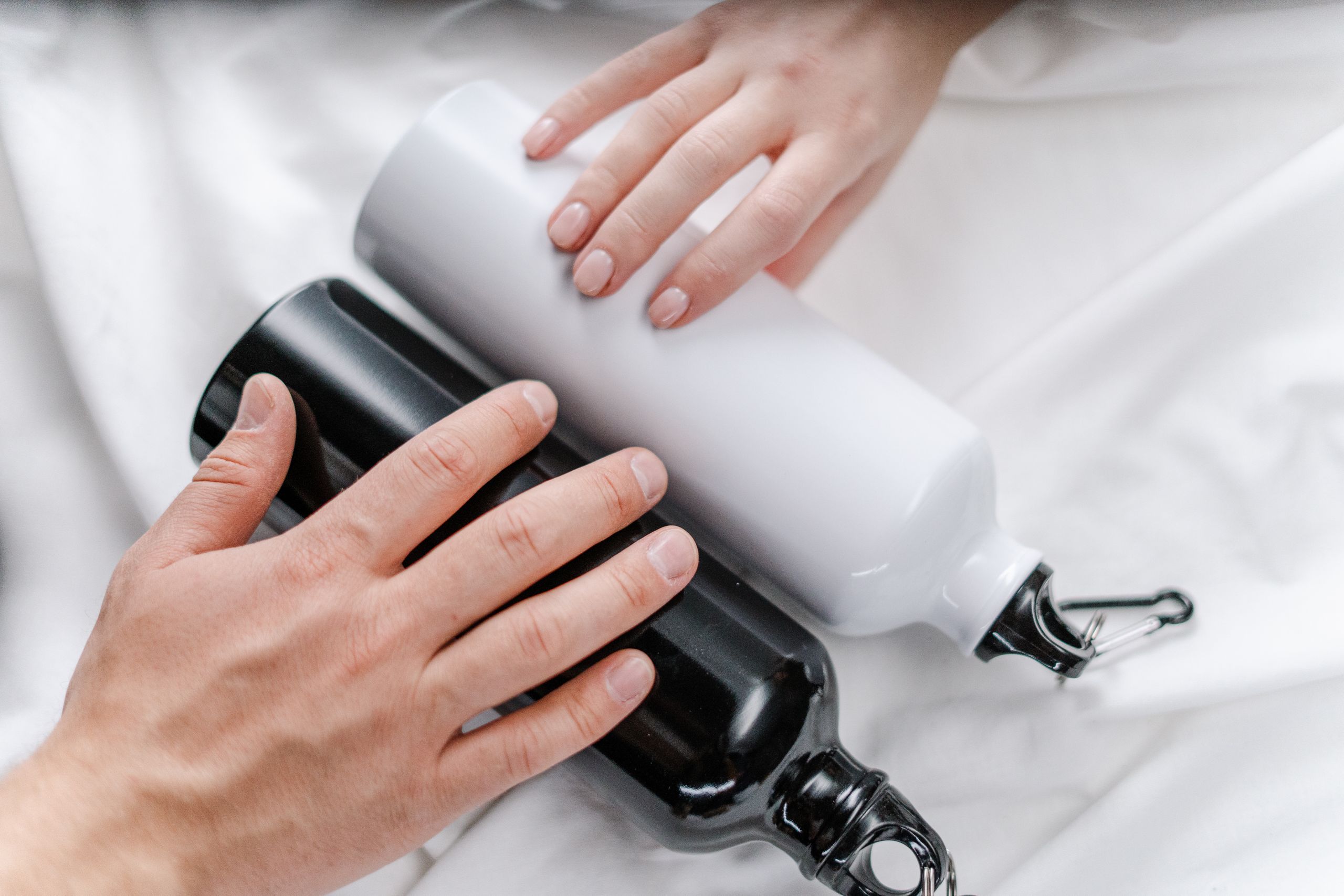
Reusable water bottles are practical. Designer water bottles are where many boomers draw the line. They do not understand why a basic container became a status symbol, a collectible, or a fashion accessory. A bottle should hold water, prevent leaks, and fit in a bag. That is the job.
Boomers often grew up with thermoses, canteens, plastic cups, and kitchen glasses that worked without hype. Spending a lot on multiple bottles in different colors can feel wasteful. The trend also exposes a larger generational divide. Younger shoppers may be drawn to branding and aesthetics. Boomers usually want function first. If a cheaper bottle performs the same task, the expensive one looks like marketing.
CONCLUSION
The modern marketplace keeps pushing upgrades, subscriptions, smart features, and trendy gadgets, but boomers remain a strong reminder that more features do not always mean more value. Their buying habits reveal a clear standard. If a product is durable, useful, affordable, private, and easy to maintain, it has a chance.
If it feels disposable, overpriced, invasive, complicated, or unnecessary, many boomers will leave it on the shelf. In 2026, that kind of resistance may look old-fashioned to some people, but it also looks increasingly sensible in a world where everything seems to cost more, break sooner, and ask for another password.
Source grounding for the consumer context: older adults are adopting more technology, but privacy, ease of use, support, and cost remain major barriers to adoption. Recent consumer price data also show pressure in categories such as household furnishings, apparel, and personal care, which supports the article’s cost-conscious shopping angle.
Streaming fatigue and subscription cancellation trends support the section on streaming bundles and subscription overload.