The White House wants Americans to believe the Iran crisis is bending toward a clean finish. Trump says a peace deal is close, officials are talking about progress, and the administration is trying to project control after months of conflict, oil anxiety, and regional tension. But the picture outside Washington is far less tidy, with the Strait of Hormuz still sitting at the center of the pressure, Iran’s nuclear demands unresolved, Gulf states exposed to danger, and gas prices keeping the issue painfully close to home for voters.
That gap between confident messaging and hard reality is what makes Trump’s Iran peace push so politically risky. A narrow agreement may calm markets, reopen shipping routes, or pause the fighting, but it would not automatically settle the deeper conflict. Until Washington can explain what Iran must give up, what the United States may offer, and how any deal will actually hold, this looks less like a finished victory and more like a high-stakes gamble wrapped in optimistic language.
Trump’s Iran Peace Deal Message Sounds Stronger Than The Reality

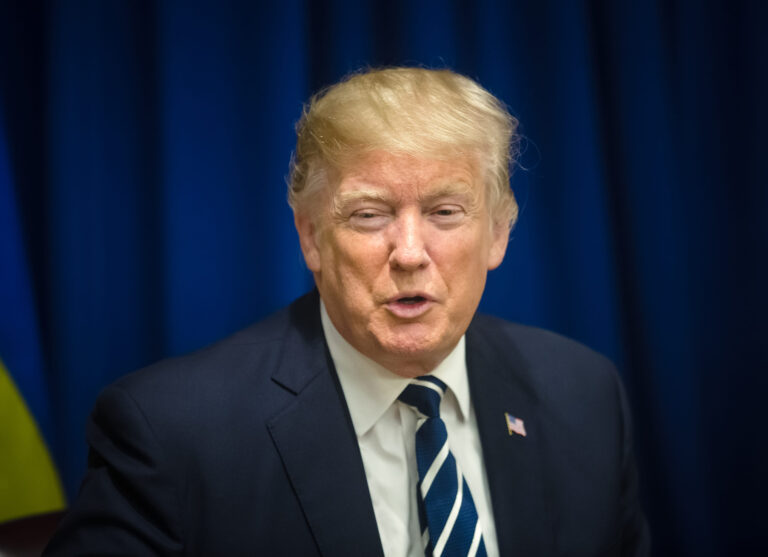
President Trump has built much of his Iran messaging around confidence. He has suggested that talks are going well, that an agreement could come soon, and that the United States is holding the stronger hand. That public tone may help calm markets, reassure supporters, and create political space for negotiators. It also creates a serious risk if the promised breakthrough fails to arrive.
The gap between optimism and reality is now the heart of the problem. A leader can use hopeful language as a negotiating tool, but repeated promises of an imminent deal can backfire when the details remain unresolved. If the agreement is only a narrow memorandum rather than a broad peace settlement, the administration may have to explain why it sold a temporary pause as something much bigger.
The Strait of Hormuz Is The Pressure Point Washington cannot ignore
The Strait of Hormuz is not just a waterway. It is one of the world’s most sensitive economic choke points, and any disruption there immediately raises fears about oil supply, shipping costs, and consumer prices. That is why reopening the Strait has become central to the Trump-Iran peace deal conversation. It is also why Iran has gained leverage by making the waterway part of the diplomatic bargain.
Washington wants the strait reopened without appearing to reward Tehran for using energy pressure as a weapon. Iran wants relief before surrendering its most effective leverage. That creates the classic sequencing trap in diplomacy. Each side wants the other side to move first, and every delay keeps global markets tense. A deal may reopen shipping, but that does not mean the strategic problem disappears.
Rubio’s Testimony Exposed The Administration’s Hardest Contradiction

Secretary of State Marco Rubio has tried to explain the administration’s position in disciplined terms. The United States wants Iran to reopen the Strait of Hormuz, stop threatening shipping, and enter negotiations on long-term limits to its nuclear program. That sounds straightforward until we compare it with the administration’s earlier claims that the war had already achieved decisive results.
This is the contradiction lawmakers are now pressing. If the war is already won, why does Washington still need a deal to secure the strait? If Iran’s nuclear infrastructure has already been shattered, why must Tehran enter new talks about enrichment and stockpiles? The administration can argue that military gains created diplomatic leverage, but it cannot escape the fact that the biggest political questions remain open.
Iran Is Battered, But Not Politically Broken
The United States and its allies may have damaged Iran’s military capacity, economic stability, and regional confidence. That does not mean Iran’s leadership is ready to accept Washington’s preferred terms. A weakened government can still negotiate stubbornly, especially when it believes survival depends on refusing humiliation.
This is where military success and strategic success often split apart. Bombing can destroy equipment, bases, ships, and infrastructure. It cannot automatically produce a durable political settlement. If Iran’s hardliners use the conflict to tighten internal control, rally nationalist anger, or defend their nuclear posture, the war may end with Tehran weaker on paper but more rigid at the negotiating table.
A Short-Term Memorandum Could Be Sold As A Big Win
The emerging shape of the deal appears more limited than the public rhetoric suggests. A memorandum could pause hostilities, reopen key shipping routes, reduce immediate economic pressure, and create language around future nuclear discussions. That may be useful, but it is not the same as a comprehensive peace agreement.
The political temptation is obvious. The White House can present a signed memorandum as proof that pressure worked. Markets may respond positively. Gas price fears may ease. Supporters may hear the word “deal” and assume the crisis is largely over. But if core issues are postponed, the agreement becomes a holding pattern. It freezes the conflict rather than solving it.
The Nuclear Question Is Too Technical For Weekend Diplomacy

Nuclear negotiations are slow because the details matter. Enrichment levels, stockpile disposal, inspection rights, centrifuge limits, verification timelines, sanctions relief, and enforcement mechanisms cannot be settled through slogans. A serious agreement requires technical teams, legal language, monitoring systems, and clear consequences for violations.
That is why any promise of a rapid, sweeping Iran nuclear deal should be treated carefully. A short-term ceasefire framework can move quickly if both sides are under pressure. A lasting nuclear agreement cannot. If Trump wants a deal tougher than the 2015 agreement he abandoned, the process will likely require more time, more expertise, and more patience than his public style usually suggests.
Gulf Allies Are Paying The Price For The Stalemate
For Gulf states, this is not a television debate or a campaign talking point. It is a daily security crisis. Attacks near airports, shipping routes, ports, and military sites expose countries such as Kuwait, Bahrain, and others to risks they did not create but must absorb. Their economies depend on stability, aviation, trade, tourism, and energy flows. Every new strike threatens that fragile balance.
This is one reason diplomacy carries regional urgency. Gulf governments need the fighting to be contained before it becomes normalized. They also need guarantees that a U.S.-Iran agreement will not leave them exposed to future retaliation. A deal that calms Washington but leaves regional partners vulnerable would not be a true settlement. It would be a pause with weak foundations.
Gas Prices Make The Iran Deal A Domestic Political Problem

Foreign policy rarely stays foreign when energy prices rise. If oil markets remain unstable and gas prices keep hurting consumers, the Iran crisis becomes a kitchen table issue inside the United States. That is especially dangerous in an election year, when voters may care less about strategic language and more about what it costs to drive to work, run a business, or take a summer trip.
This pressure helps explain Trump’s urgency. He needs a visible result before the conflict becomes a broader political liability. But urgency can also weaken diplomacy. When one side appears desperate for a public win, the other side can demand more. Iran understands the calendar, the oil pressure, and the domestic stakes. That gives Tehran room to wait, bargain, and test Washington’s patience.
Congress Is No Longer Quiet About The War
The growing unease in Congress matters because it shows that the Iran conflict is no longer fully controlled by White House messaging. Lawmakers are asking sharper questions about war powers, military costs, ceasefire claims, and the administration’s endgame. Some of that criticism comes from predictable partisan corners, but some of it reflects broader frustration with a war that was declared successful before its consequences were contained.
Congressional skepticism can complicate negotiations, but it can also force clarity. Americans deserve to know what victory means, what concessions are on the table, what Iran must do, and what the United States is prepared to offer. A democracy cannot run a major regional conflict on mood, optimism, and selective briefings. The bigger the war, the more important public accountability becomes.
Israel And Lebanon Add Another Layer Of Risk
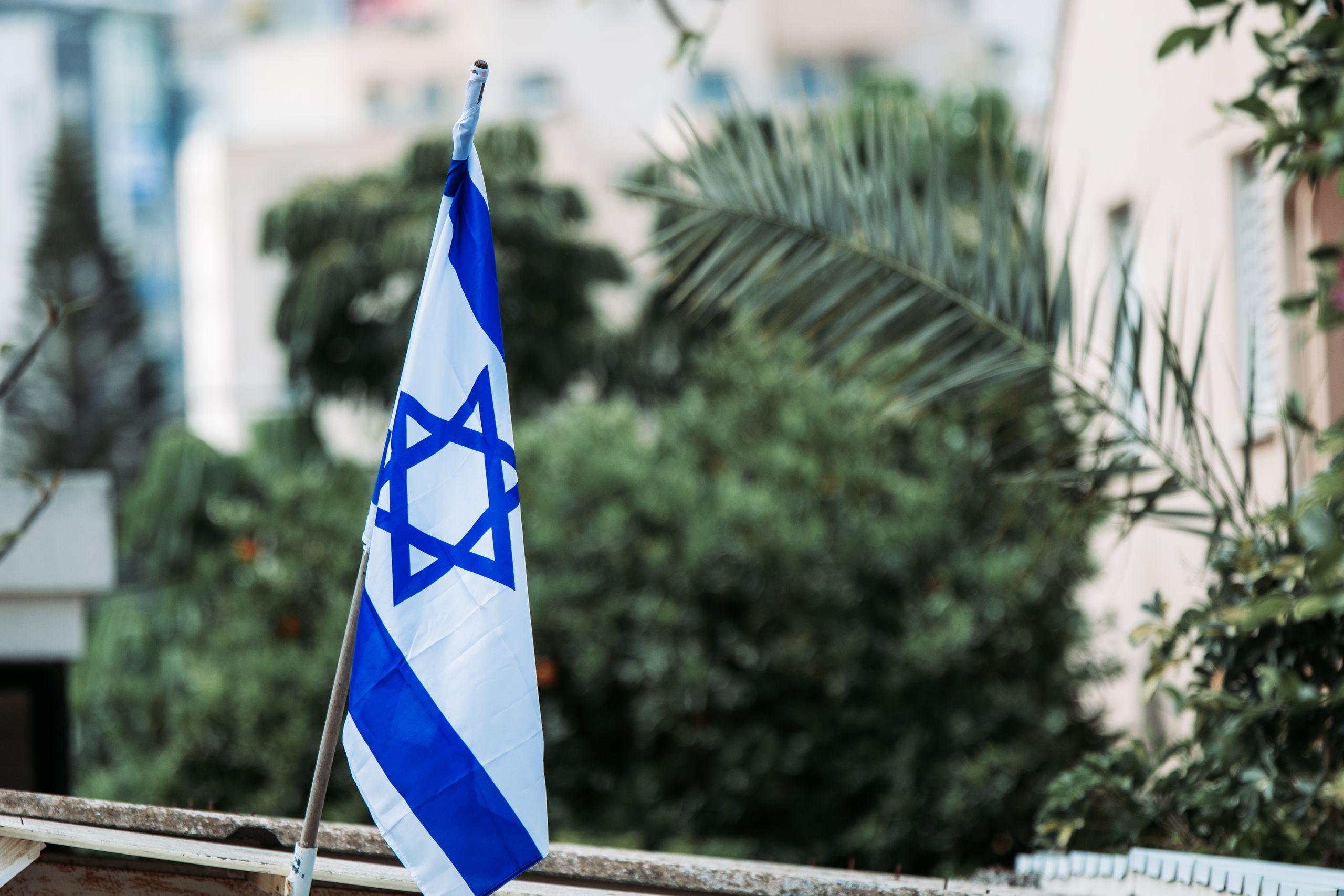
The Iran talks do not exist in isolation. Israeli operations in Lebanon and Iran’s interest in protecting its regional network can directly affect the bargaining table. If Tehran links progress on the Strait of Hormuz to Israeli restraint in Lebanon, then the U.S. negotiation becomes more complicated than a simple bilateral deal.
This gives Trump a difficult balancing act. He must manage Iran, reassure Gulf partners, contain Israeli escalation, and still project strength at home. Any one of those tracks can derail the others. A strike in Lebanon can harden Tehran’s position. A concession to Iran can anger Israeli leaders. A prolonged stalemate can frustrate American voters. That is why the public claim of a simple deal feels increasingly strained.
The Deal May Pause The Crisis Without Ending The Conflict
A narrow agreement can still be valuable. If it reopens the Strait of Hormuz, reduces attacks, protects civilians, and creates room for nuclear talks, it may prevent a wider war. That would matter. Sometimes diplomacy works by buying time rather than delivering a grand settlement.
The danger is pretending that time bought is the same as peace achieved. If Iran keeps its nuclear ambitions alive, if Israel remains determined to contain Tehran by force, if Gulf states remain vulnerable, and if Washington cannot define the end state, the crisis will return. A temporary memorandum may lower the temperature, but it will not erase the fire underneath.
What A Serious Iran Deal Would Actually Need
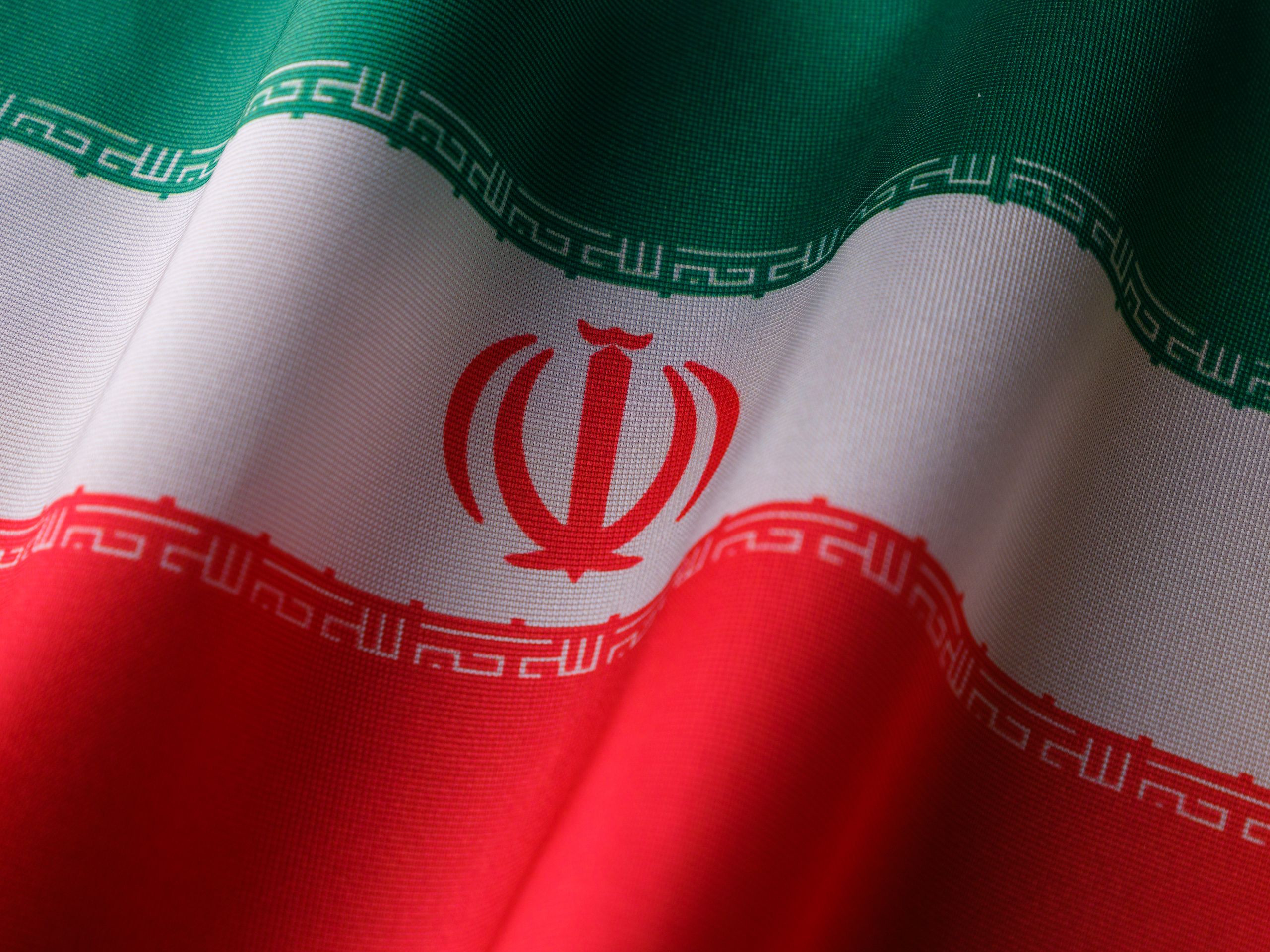
A serious Trump-Iran peace deal would need more than dramatic language. It would require enforceable rules on the Strait of Hormuz, clear protections for commercial shipping, transparent nuclear limits, inspection mechanisms, sanctions sequencing, regional security assurances, and a plan for what happens if either side violates the terms. It would also need enough credibility for allies, markets, and Congress to believe it can hold.
That is a much bigger task than announcing that talks are going well. The hard work is hidden in technical details, verification procedures, side agreements, and enforcement language. This is the unglamorous part of diplomacy, but it is also the part that decides whether an agreement survives beyond the press conference.
Final Thoughts On Trump’s Iran Gamble
Trump’s Iran diplomacy has reached the uncomfortable stage where rhetoric and reality are pulling in different directions. The administration wants the public to see momentum, but the unresolved issues remain heavy: the Strait of Hormuz, Iran’s nuclear program, Gulf security, Israeli military action, oil prices, and congressional doubt.
A narrow deal may still be possible, and even a limited pause could reduce danger in a region already under strain. But the United States should not confuse a political off-ramp with a strategic victory. The harder truth is that ending a war takes more than claiming it has already been won. It takes patience, discipline, transparency, and a settlement strong enough to hold after the headlines fade.