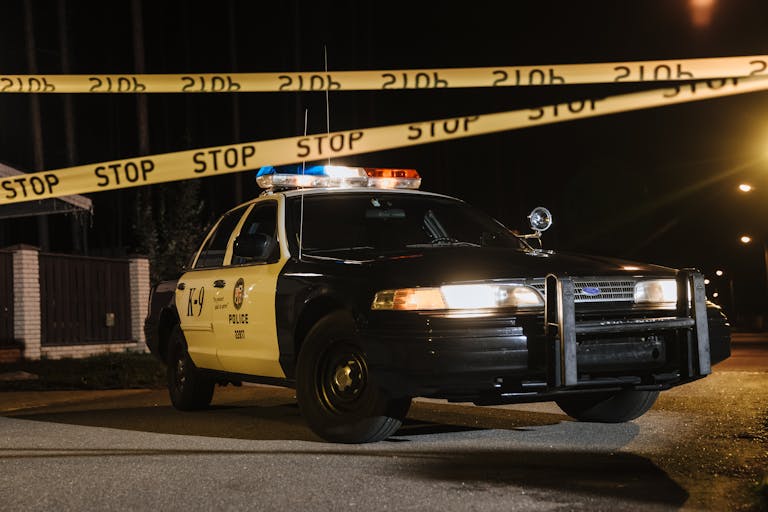
The blue lights appear in the rearview mirror, and suddenly, the whole car feels smaller. The radio seems too loud. Your hands feel awkward. Your mind starts racing through every possible reason you got stopped.
Maybe it is a traffic stop after work. Maybe it is an officer asking questions outside a store. Maybe it is a tense moment on a sidewalk, in a parking lot, or at your front door while neighbors pretend not to stare.
In that moment, words matter. A careless sentence can sound rude, suspicious, confusing, or more final than you meant it to be. Calm language can keep the situation clearer.
These are the things Americans should never say during a police encounter because they can raise tension, invite misunderstanding, or create problems that last far beyond the moment.
“I Know My Rights, So You Can’t Tell Me What to Do”
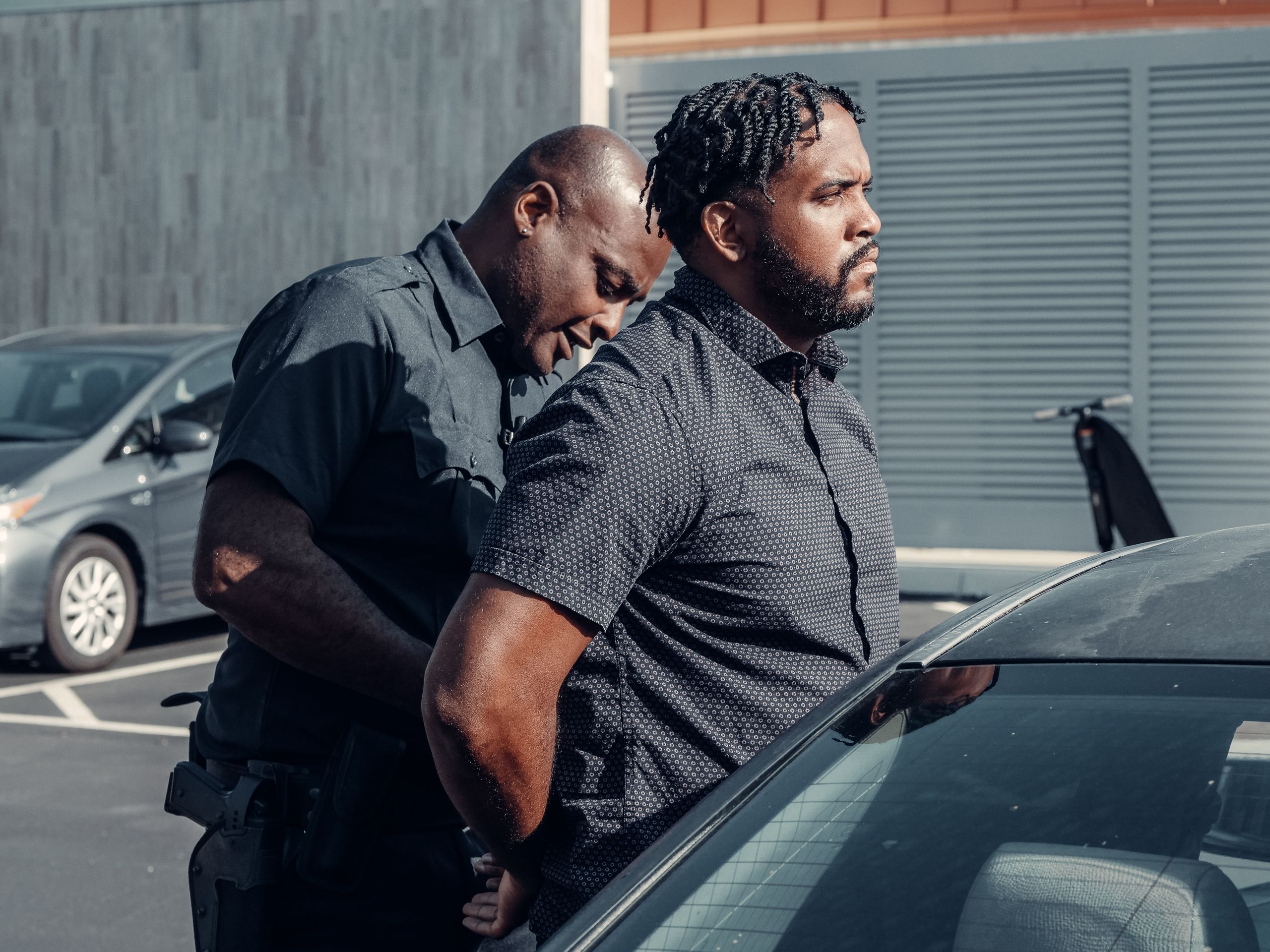
This phrase may feel powerful, but it often comes across as a challenge. The goal during a police encounter is not to win a sidewalk debate. The goal is to stay calm, protect yourself, and avoid turning a tense moment into a personal contest.
A better approach is steady and simple. You can say, “I want to remain silent,” or “Am I free to leave?” People generally have a right to remain silent, but how they assert it matters. Clear words work better than angry speeches.
“I Didn’t Do Anything, So Search Whatever You Want”
This is one of the most dangerous sentences people say when they are nervous. They think cooperation will prove innocence. Instead, they may be giving permission for a search they did not fully understand.
The law protects people from certain unreasonable searches, but consent can quickly change the situation. The Constitution addresses unreasonable government searches, which is why people should avoid casual permission like “go ahead” or “do whatever.” A calmer phrase is, “I do not consent to a search.”
“I Guess You Can Look If You Have To”
Soft, uncertain language can create confusion. “I guess” may sound like consent, even when the person only meant they felt pressured. Police encounters are not the place for vague wording.
If you do not want to consent, say it plainly and respectfully. “I do not consent to a search” is clearer than a nervous shrug or half-answer. That does not mean physically resisting. It means using words that do not, by accident, give away a right.
“Why Are You Harassing Me?”
This sentence may express real frustration, especially for Americans who feel they are unfairly stopped. Still, saying it in the heat of the moment can escalate the encounter. It can make the officer more defensive and the conversation more emotional.
A safer question is direct but calm: “Officer, can you tell me why I was stopped?” That wording asks for information without adding fuel to the moment. Tone matters because even a fair question can sound hostile if delivered like an accusation.
“I Only Had Two Drinks”
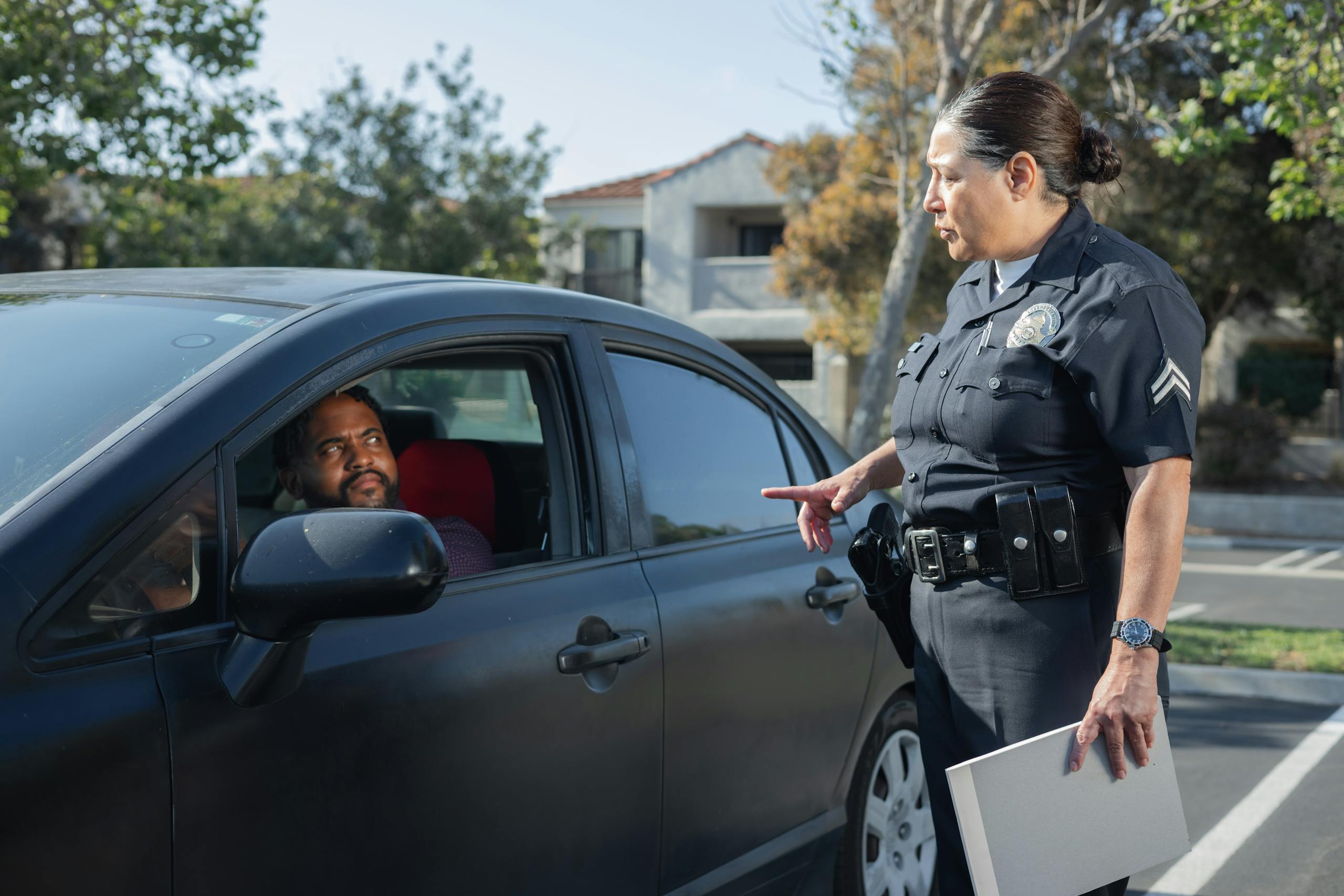
Traffic stops can make people talk too much. A driver may think a small admission sounds harmless, but words about drinking can become important later. Even casual comments may shape what happens next.
Silence is often safer than explaining. People should provide the required documents when asked during a traffic stop, but they do not need to fill the silence with guesses, jokes, or nervous details. Rights around questioning can change when custody and interrogation are involved, which is why Miranda warnings apply in specific situations.
“That Is Not Mine, I Was Just Holding It.”
This kind of sentence often creates more trouble than it solves. People say it when they are scared, surprised, or trying to separate themselves from something found nearby. The problem is that it still places them in the story.
A better response is not to improvise. If the situation is serious, ask for a lawyer and stop explaining. Fast explanations can become tangled, especially when several people, belongings, or vehicles are involved. The safest words are usually the fewest.
“My Friend Did It, Not Me”
Blaming someone else during a police encounter can backfire. It may drag you deeper into the situation, create contradictions, or make it seem like you know more than you originally admitted. It can also create conflict with other people present.
This does not mean protecting someone who committed harm. It means avoiding panic talk. If officers are asking questions about a serious matter, the wiser course is to say, “I want to speak with a lawyer.” A rushed attempt to distance yourself can make the road longer.
“You Cannot Make Me Get Out of the Car.”
During a traffic stop, refusing basic lawful instructions can make the situation more dangerous. Many Americans do not realize that officers may have the authority to order drivers or passengers out of a vehicle during a stop under certain circumstances.
This is where attitude can become costly. Even if you believe the stop is unfair, arguing on the roadside is rarely the best place to fight it. Courts have addressed traffic stop authority in ways that make calm compliance with physical instructions important, while legal challenges can come later.
“I Am Recording You, and You Better Not Touch Me”

Recording can be lawful in many public situations, but turning it into a threat can raise tension fast. A phone should not become a weapon in the conversation. The goal is documentation, not performance.
A calmer way to handle it is, “I am recording for my safety, and I will not interfere.” Many people have a right to record officers working in public, though rules and risks can vary. Keeping distance, avoiding obstruction, and staying calm matter just as much as pressing record.
“I Do Not Need a Lawyer”
This sentence can sound confident in the moment and painful later. People often say it because they believe innocence makes a lawyer unnecessary, or they worry that asking for one makes them look guilty. That is a dangerous myth.
A lawyer is not an admission of guilt. It is a safeguard. If the situation becomes serious, the clearer phrase is, “I want a lawyer, and I want to remain silent.” That sentence protects more than pride. It protects the future version of you who may have to deal with every word spoken under pressure.
Conclusion
The things Americans should never say during a police encounter usually come from fear, pride, anger, or the need to explain everything quickly. That is understandable. Police encounters can feel stressful even when someone has done nothing wrong.
Still, stressful moments reward calm words. Short, respectful phrases usually work better than arguments, jokes, threats, guesses, or emotional speeches.
The safest posture is simple: stay calm, keep your hands visible, avoid sudden movements, do not lie, do not physically resist, and do not volunteer more than necessary. A few careful words can keep a hard moment from becoming a much bigger problem.