Golden pastry grabs your attention, but a well-seasoned filling makes a beef empanada worth making again. In RecipeTin Eats founder Nagi Maehashi’s version, ground beef shares the spotlight with chorizo, potatoes, herbs, and spices, while chopped olives and hard-boiled eggs add another layer. Wrapped in homemade buttery pastry, the filling turns a small hand pie into a substantial savory bite. This is a cooking project with a payoff, not a ground-beef dinner wearing a fancy crust.
The trick is getting the inside and outside to cooperate. A filling that is too dry loses its appeal, while one that is too wet threatens the pastry. Maehashi sums up the target neatly in her recipe: “juicy but not watery.” She uses tomato passata and a measured amount of broth to hit that balance, then cools it before assembly. Here’s how her beef empanadas come together, and which details to pay attention to.
The Filling Gets Its Big Flavor From More Than Ground Beef
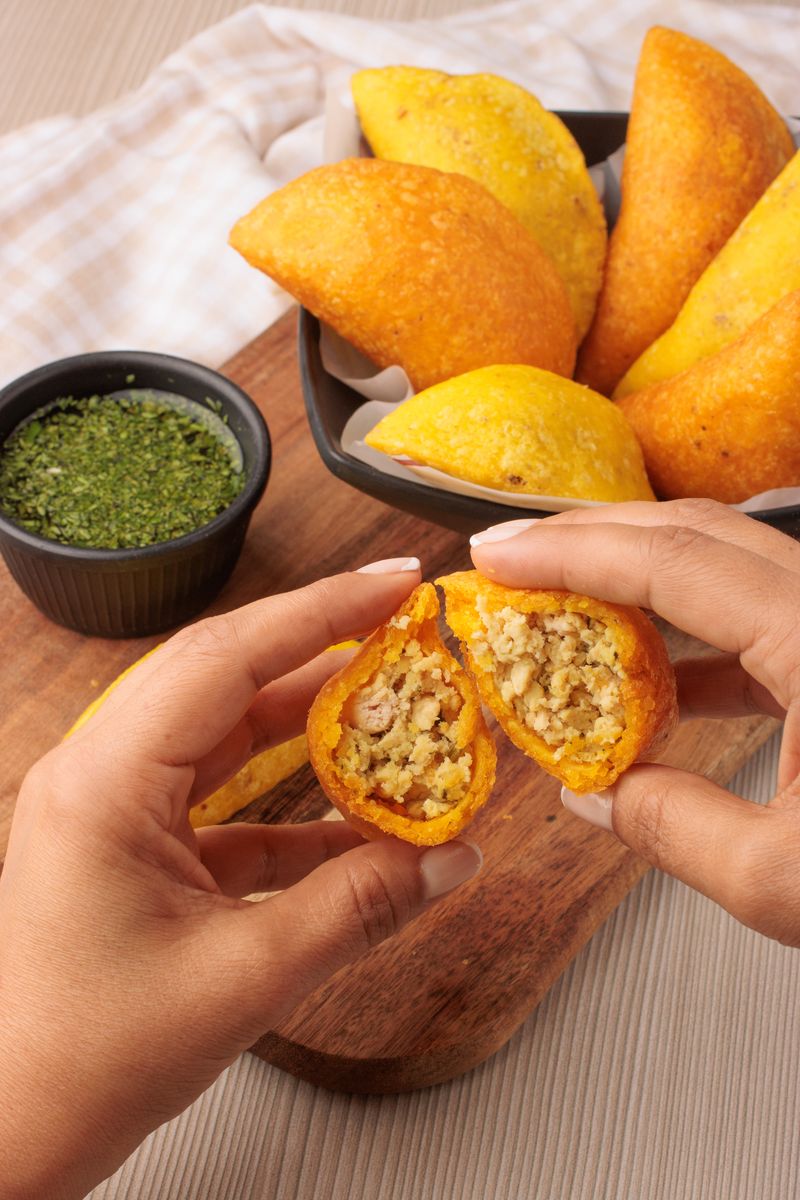
Maehashi describes this recipe as inspired by Argentinian-style empanadas, with chopped olives and hard-boiled eggs added before folding. Her particular version also includes chorizo, which she blends into a paste so it mixes thoroughly with the beef. She credits RecipeTin’s Chef JB with helping develop the recipe through multiple iterations. Rather than presenting it as the definitive version of a dish with many variations, the useful distinction is what this recipe specifically delivers: a spiced beef-and-chorizo filling inside homemade shortcrust pastry.
For a batch of 10 to 11 empanadas, the filling calls for 10 ounces ground beef, 4 ounces chorizo, 1½ tablespoons olive oil, half a finely chopped onion and one minced garlic clove. You’ll also need 2 teaspoons tomato paste, 1 teaspoon chopped fresh thyme, ½ teaspoon each of dried oregano, cumin and paprika, plus ¼ teaspoon each of cayenne pepper and kosher salt. The remaining ingredients are ¾ cup low-sodium chicken broth, ½ cup tomato passata, about 1 cup peeled potato cut into small, roughly ⅓-inch cubes, and ⅓ cup sliced green onion. Set aside two chopped hard-boiled eggs and ¼ cup chopped green olives for assembly.
Start by processing the roughly chopped chorizo into a paste. Heat the olive oil in a large nonstick pan over high heat, then cook the onion and garlic for two minutes. Add the chorizo and cook for another two minutes, then add the ground beef and break it apart as it cooks. Stir in the tomato paste and cook for one minute, then add the herbs, spices, salt, broth, passata and potatoes. Simmer gently for about 15 minutes, stirring occasionally, until the potatoes are cooked and the mixture is juicy without being watery.
Food safety matters here, even when the meat looks browned: USDA guidance says ground beef should reach an internal temperature of 160°F, measured with a food thermometer. Once the filling is cooked, stir through the green onion and let it cool completely before wrapping. Maehashi explains the pastry problem directly: “Hot filling = melts butter in pastry = less flaky.” Cooling is therefore part of the method, not an optional pause to squeeze out of the schedule.
Related: 8 Old-School Pantry Ingredients That Are Quietly Making a Comeback
Homemade Pastry Is Worth the Effort and Fancy Crimping Is Optional
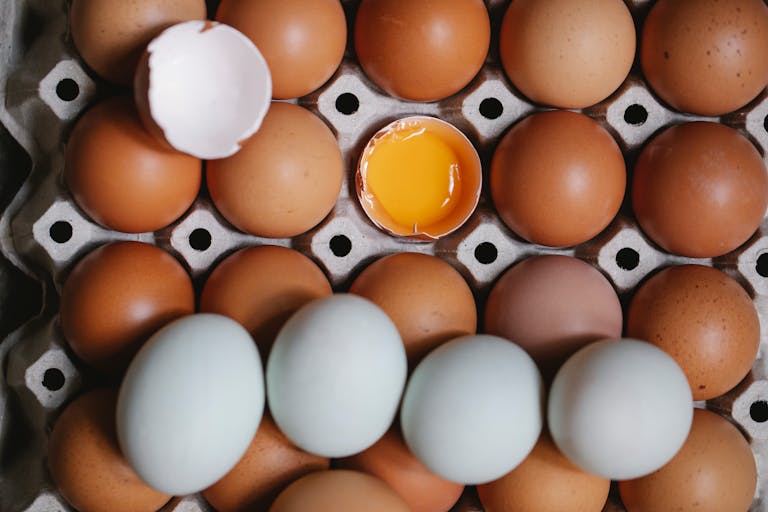
The dough uses a short ingredient list: 2½ cups all-purpose flour, 175 grams cold unsalted butter cut into small cubes, 1 teaspoon kosher salt, one egg yolk, and ½ cup warm whole milk. Maehashi uses cold butter to create the pastry’s flaky texture, while the yolk and milk help produce a dough suited to handheld pies. Separately, have two eggs ready, separated into whites and yolks, for sealing and brushing the assembled empanadas. Keeping those eggs separate from the dough ingredients makes the process easier to follow.
Whisk the milk and egg yolk into the dough. In a food processor, pulse the flour, salt, and cold butter until the mixture resembles crumbs, with no butter pieces larger than peas. Add the milk mixture and process briefly until the dough comes together. Shape it into a smooth ball on a lightly floured surface, divide it in half, flatten each half into a disc, and wrap. Refrigerate for 30 minutes before rolling; Maehashi also provides a hand-mixing method for cooks without a processor.
Working with one disc at a time, roll the dough to about 3 millimeters thick and cut 6-inch rounds. Gather and reroll the scraps, keeping the finished rounds covered in the refrigerator while you work. Place about 3 tablespoons of cooled filling on one half of each round, leaving roughly a ½-inch border, then scatter a little chopped egg and olive over it. Brush the edge with egg white, fold the pastry over and press firmly to seal, easing out trapped air as you close it.
This is where you can skip the pastry-counter performance. Maehashi makes clear that decorative pleats are optional: a fork-crimped edge or a firmly sealed plain seam works, too. The priority is enclosing the filling, not producing identical little braided borders. That flexibility keeps the assembly approachable without changing the recipe’s essential structure. Leave enough clean pastry around the filling to close each empanada securely, rather than trying to make every one look exactly alike.
Bake Until Golden, Then Bring On the Dipping Sauce
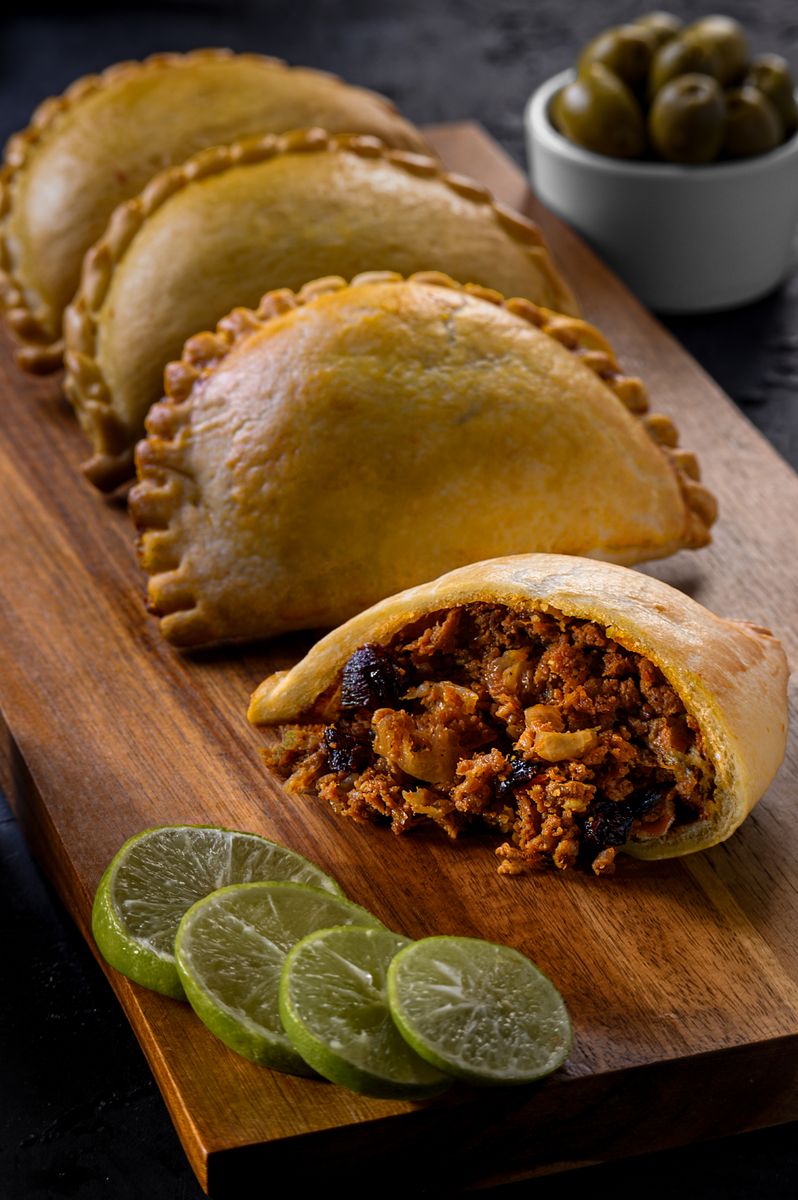
Heat the oven to 425°F, arrange the empanadas on two baking trays and brush their tops with the reserved, whisked egg yolks. Bake for about 20 minutes, until golden brown and crisp. The total project takes longer than that short oven stint suggests: Maehashi lists 45 minutes of preparation, 50 minutes of cooking and three hours for dough chilling and filling cooling. As she puts it, “This is not a quick and easy recipe.” It is better approached as a planned cooking session than a last-minute dinner rescue.
Serve the empanadas hot, with a dipping sauce on the side if you like. Maehashi recommends her roasted tomato-based empanada sauce and also suggests chimichurri, spicy ketchup, or pink sauce. The pastry and filling already provide plenty of contrast, so a sauce is an accompaniment rather than a requirement. What matters most happens before the tray reaches the table: cook a flavorful filling, keep it juicy without excess liquid, cool it properly, and seal it inside chilled dough. Those steps give the golden exterior something equally appealing to show off.
Other Posts You Might Like:
- 6 Ways to Declutter Your Pantry and Maximize Space
- 6 Pantry Essentials to Toss for a Healthier Kitchen