Buying eggs seems simple enough. You grab a carton, check the price, and head to the checkout. But not all cartons are equal, and a few small details can make a big difference.
Whether you’re making fluffy scrambled eggs, baking a cake, or preparing breakfast for the family, knowing what to check can help you avoid cracked eggs, confusing labels, and unnecessary spending.
Here are five things to check before putting that carton in your cart.
Check the Expiration or Best-By Date
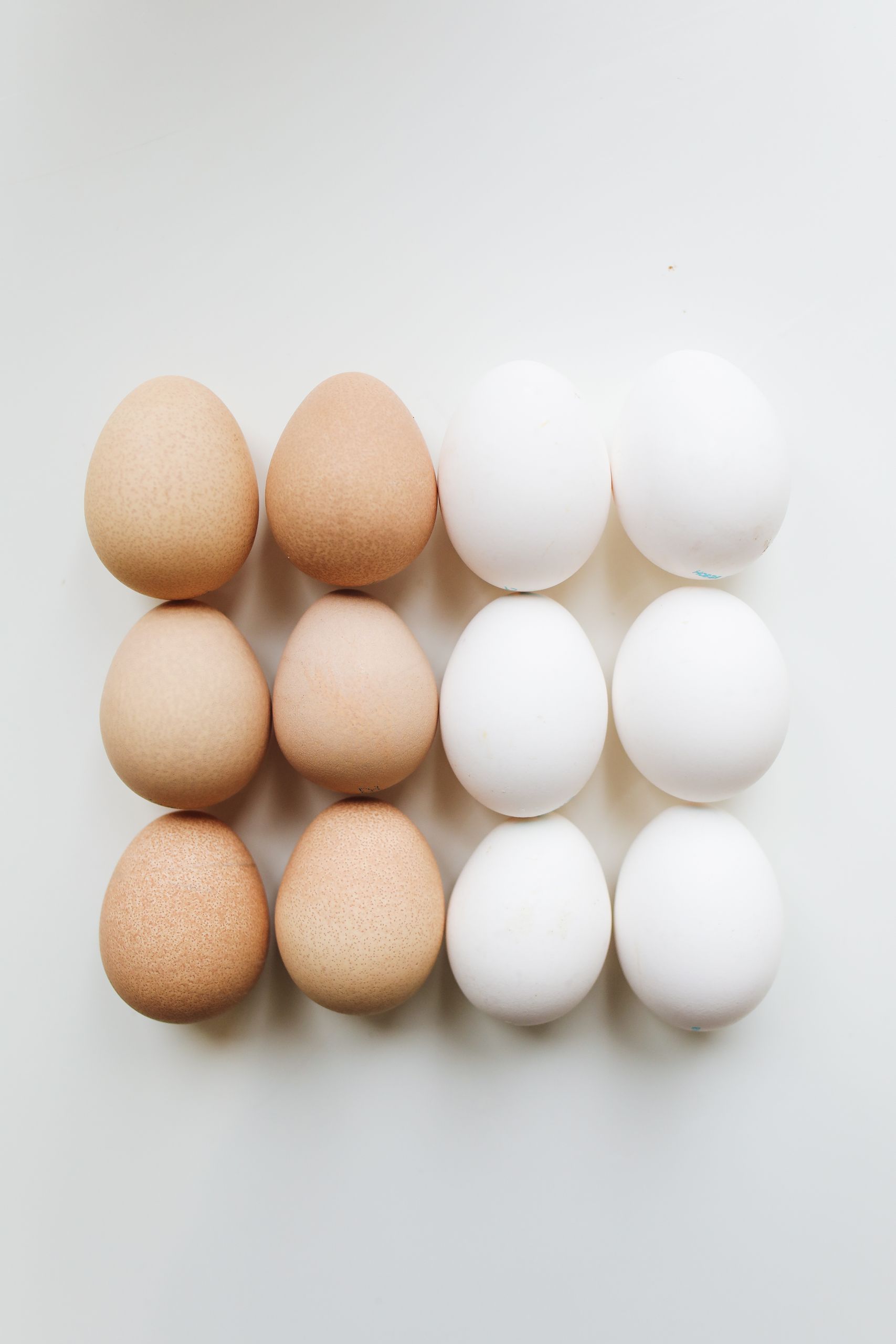
First, check the date printed on the carton. It’s easy to overlook, especially when you’re rushing through the grocery store.
Egg cartons may display a sell-by date, expiration date, or best-by date, depending on the brand and local labeling requirements. These dates don’t all mean the same thing.
A sell-by date primarily helps stores manage inventory, while a best-by date generally indicates when the producer expects the eggs to be at their best quality.
According to the USDA, you can generally refrigerate raw eggs in their shells for three to five weeks after purchase, even if the sell-by date passes during that period.
If you don’t use eggs often, choose a carton with a later date for more flexibility.
Inspect the Eggs for Cracks
Before buying eggs, open the carton and take a quick look inside.
A cracked shell isn’t just an inconvenience. Cracks can let bacteria into the egg, which is why the FDA recommends buying eggs with clean, uncracked shells.
Look for visible cracks, leaking egg whites, or eggs stuck to the bottom of the carton. An egg that won’t move gently when you touch it may have leaked and dried against the packaging.
Also, inspect the carton itself. A crushed corner or damp packaging could mean the eggs were damaged in transit.
It takes only a few seconds to check, and it could save you from a messy surprise when you get home.
Pay Attention to How the Eggs Are Stored
In the United States, eggs sold in refrigerated grocery cases should be kept cold.
The FDA recommends purchasing eggs only from refrigerated cases or refrigerated storage areas and keeping them refrigerated at 40°F or below at home.
This matters because commercially washed eggs in the United States require consistent refrigeration to stay safe.
If you’re shopping at a supermarket, check that the carton is in a properly refrigerated display rather than sitting somewhere unrefrigerated.
After you buy your eggs, bring them home promptly and store them in their original carton in the refrigerator.
Avoid leaving them in a hot car while running additional errands.
Understand What the Labels Actually Mean
Egg cartons can carry a surprising number of labels: organic, cage-free, free-range, pasture-raised, and more.
But what do these terms actually tell you?
Cage-free means the hens aren’t housed in cages, although they may still live indoors.
Free-range generally indicates that hens have some access to the outdoors, but the amount and quality of that access can vary.
Organic eggs must meet USDA organic production requirements when certified under the USDA organic program.
Pasture-raised is another label shoppers may encounter, but its meaning can depend on the producer and any certification standards being used.
These labels primarily describe production practices, not a guaranteed difference in flavor, freshness, or cooking performance.
If animal welfare or farming methods matter to you, look for clear certification information rather than relying on attractive packaging alone.
Compare Egg Sizes and Prices Before Choosing
The cheapest carton isn’t always the best value.
Eggs are commonly sold in sizes such as medium, large, extra-large, and jumbo. Under USDA grading standards, these sizes are based on the minimum total weight of a dozen eggs, not each egg’s exact dimensions.
Large eggs are typically the standard size used in American baking recipes. Choosing jumbo eggs instead can change the proportions in recipes that require precise measurements.
It’s also worth checking the price per egg.
For example, a dozen eggs priced at $3.60 costs 30 cents per egg, while an 18-count carton priced at $4.50 costs 25 cents per egg.
The larger carton offers better value per egg, as long as you use them before their quality declines.
And don’t confuse egg size with USDA quality grades. Grades AA, A, and B describe quality characteristics, not egg size.
The Bottom Line
You don’t need to buy the most expensive eggs to make a good choice.
A quick check of the carton date, shell condition, refrigeration, labeling, and price can help you shop more confidently.
Next time you’re in front of the egg section, take an extra moment to look beyond the colorful packaging. Sometimes the smartest grocery decisions come down to the smallest details.