Food feels simple until it starts acting like a chemistry lesson. We bite into fruit, season dinner, order a delicacy, or cook beans without thinking much about what is happening beneath the surface. Most foods are safe when handled properly, but a few familiar and exotic ingredients carry secrets that can surprise even confident home cooks.
The strange part is that many of these foods are not “bad.” They become risky only when raw, unripe, overused, poorly prepared, or eaten by someone with a specific health condition. That is why the real lesson is not fear. It is respect for the hidden science sitting quietly on the plate.
Durian can overwhelm more than your nose.
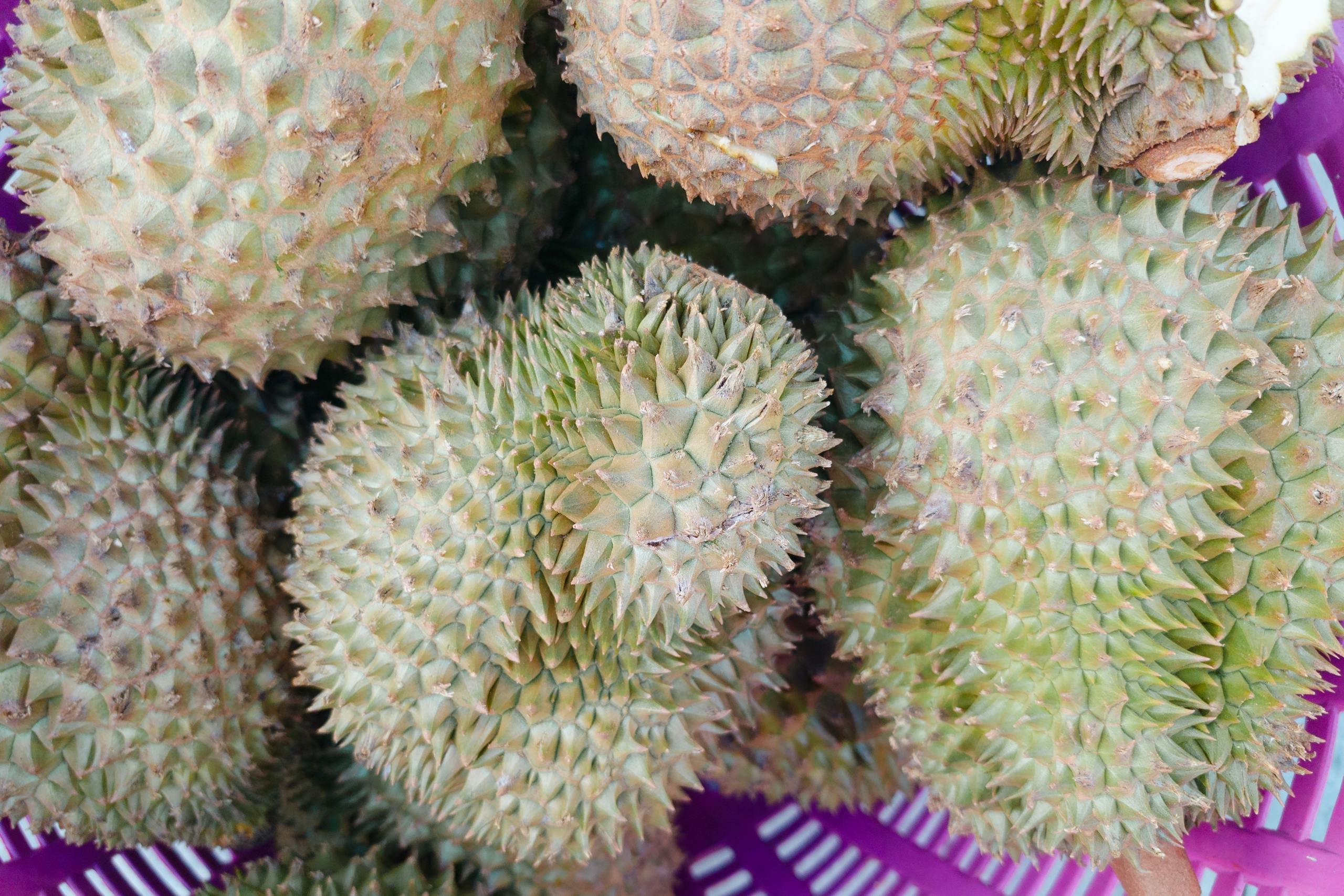
Durian has a reputation that precedes the fruit. Its smell is so intense that some hotels and public transportation systems in parts of Southeast Asia restrict it, and scientists have found that its unforgettable odor comes from a complex mix of volatile compounds. The fruit is loved by many, but for first-timers, the scent can feel like onions, sulfur, custard, and gym socks all holding a meeting in one place.
The bigger surprise is its possible interaction with alcohol. Research summarized by the Smithsonian found that durian extract can inhibit aldehyde dehydrogenase, an enzyme the liver uses to process alcohol. That does not mean every durian-and-drink pairing is automatically deadly, but it provides a scientific basis for long-standing warnings about mixing the two.
Raw lima beans are not as innocent as they look.
Lima beans seem like the kind of food that belongs in a quiet family dinner, not a danger list. Yet they naturally contain linamarin, a compound that can release cyanide when plant tissue is damaged or when the plant is digested. The risk is mainly associated with raw or undercooked beans, especially wild varieties.
The good news is that ordinary cooking solves the problem. Oregon State University Extension notes that U.S. commercially grown lima beans are regulated for cyanide levels, and proper boiling reduces the concern dramatically. The simple rule is clear enough for any kitchen: do not eat lima beans raw, and do not rush dried beans that need proper cooking.
Corn once helped fuel a deadly nutrition crisis.

Corn fed civilizations crossed oceans and became a staple across continents. The problem arose when some communities relied heavily on corn without preserving the Indigenous preparation method known as nixtamalization, which uses an alkaline process to make niacin more bioavailable. Without enough niacin, people can develop pellagra, a disease linked to skin problems, digestive illness, confusion, and death.
Pellagra became a serious public health problem in parts of the American South during the early 20th century, especially among poor communities with limited diets. A World Health Organization document hosted by the CDC describes pellagra as a deficiency disease tied to low niacin or tryptophan intake. Corn was never the villain on its own. The danger came from poverty, limited dietary variety, and the loss of a crucial food-preparation practice.
Some traditional cheeses rely on living mites.
Cheese already asks us to trust mold, bacteria, aging, and patience. Some traditional cheeses add another surprise: mites. Mite-ripened cheeses such as German Milbenkäse and French Mimolette use tiny arthropods during aging to help shape texture and flavor.
The American Society for Microbiology explains that Milbenkäse is matured with cheese mites, and that the mites’ enzymes help drive the ripening process. For people used to supermarket cheese wrapped in plastic, that sounds shocking. For traditional cheesemakers, it is a controlled technique that turns time, microbes, and mites into flavor.
Star fruit can be dangerous for people with kidney disease.
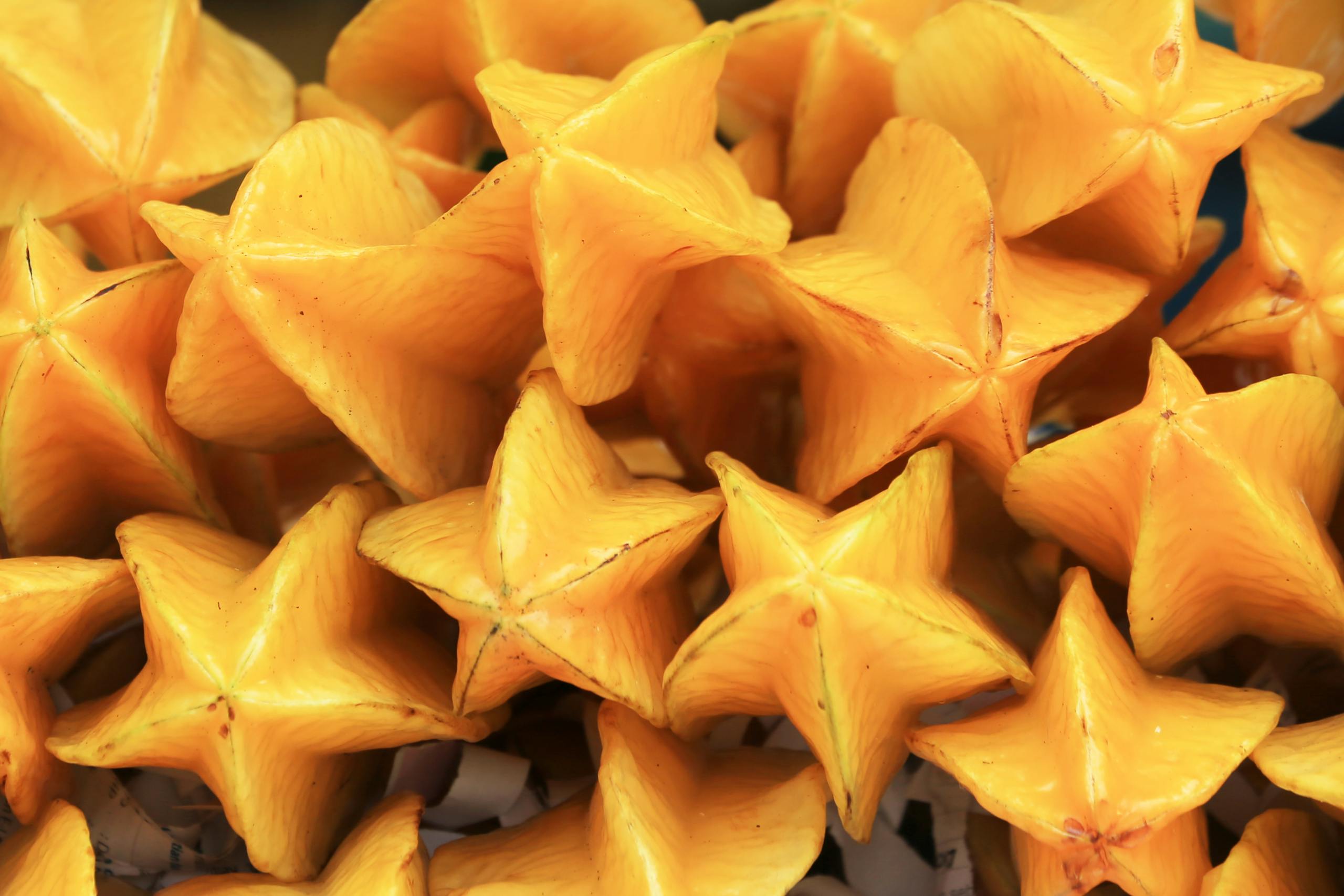
Star fruit looks harmless, bright, and almost decorative when sliced. For people with healthy kidneys, it is usually treated as a tropical fruit like many others. For people with kidney disease, it can be dangerous because the body may struggle to clear compounds in the fruit.
The National Kidney Foundation warns that people with kidney disease should avoid star fruit because it can cause harmful effects such as confusion and seizures. Medical literature has also linked star fruit toxicity to kidney and nervous system effects, especially in vulnerable patients. This is one of those food warnings that sounds dramatic until you realize it is very specific: kidney health changes the risk.
Nutmeg becomes risky when people treat it like a drug.
A sprinkle of nutmeg in pie, eggnog, or coffee is normal. The problem begins when someone takes large amounts to chase a high, often after seeing reckless online trends. Nutmeg contains myristicin, and high doses have been linked to poisoning symptoms that can include confusion, agitation, hallucinations, nausea, and a rapid heartbeat.
A review of nutmeg poisonings published through the National Library of Medicine looked at poison center cases over a 10-year period, showing that this is not just an old kitchen myth. The Vanderbilt Poison Center also notes that a study found 32 cases of nutmeg exposure between 2001 and 2011, with some patients requiring hospital care. Nutmeg belongs in recipes, not challenges.
Ackee must be ripe before it is safe to eat.
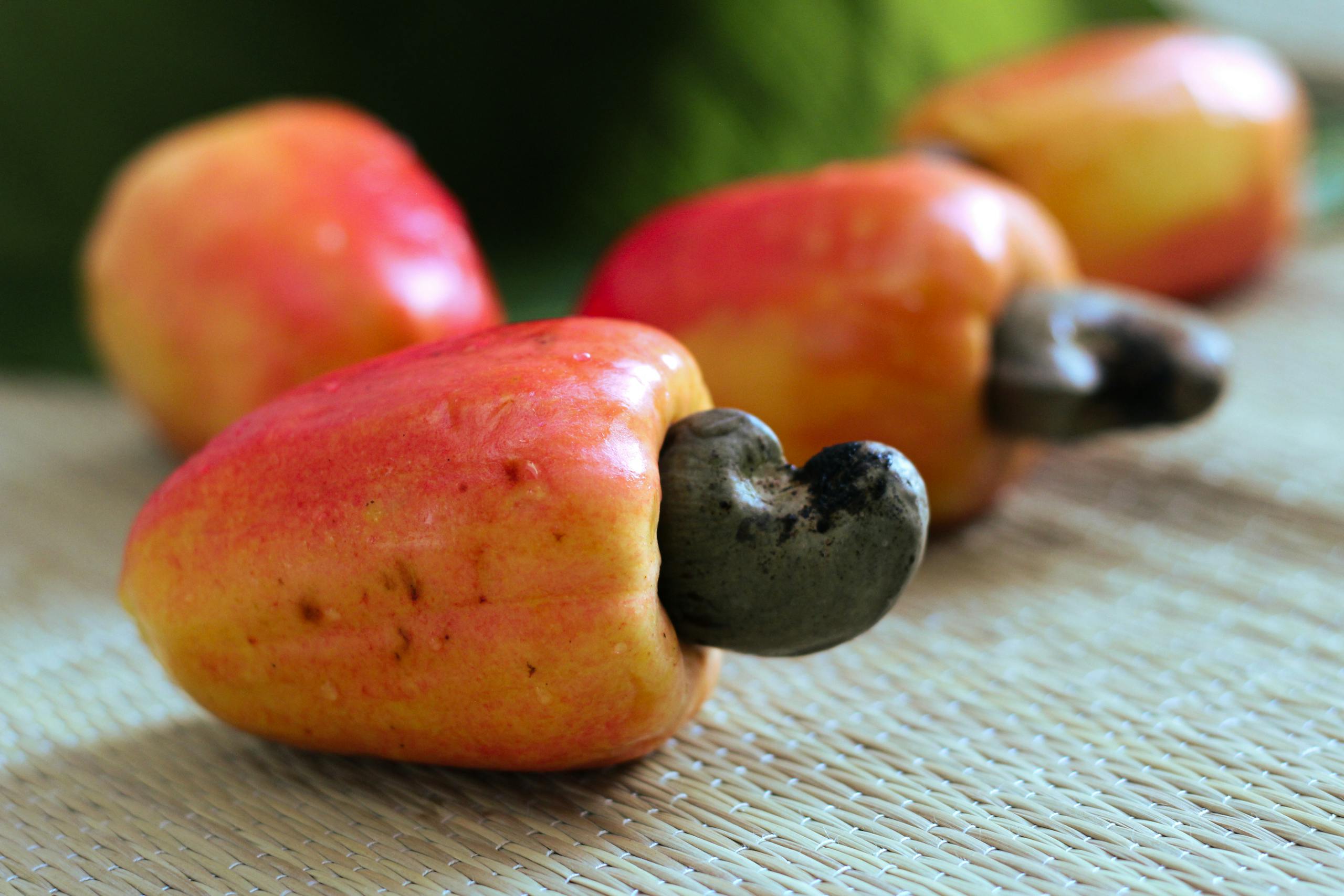
Ackee is deeply connected to Jamaican cuisine, especially in the beloved dish ackee and saltfish. Fully ripe, properly prepared ackee is safe and delicious. Unripe ackee is a different story because it can contain dangerous levels of hypoglycin A.
The FDA warns that unripe ackee, along with the rind and seeds, is never safe to eat because hypoglycin A can cause severe reactions, including vomiting, profound low blood sugar, coma, and death. This is why ackee preparation depends on patience and knowledge. The fruit should open naturally before the edible portion is used.
Cassava can turn toxic without proper preparation.
Cassava feeds millions of people and appears in many forms, from gari to tapioca. Its usefulness is enormous, especially in tropical regions. Yet cassava contains cyanogenic glycosides, natural compounds that can release hydrogen cyanide if the root is eaten raw or inadequately prepared.
Hong Kong’s Center for Food Safety advises cutting cyanogenic plants such as cassava into smaller pieces, soaking them in water, and cooking them thoroughly in boiling water. Bitter cassava requires extra care because it contains higher levels of toxins than sweet cassava. The danger is real, but so is the solution: traditional preparation methods exist for a reason.
Fugu is safe only in the right hands.
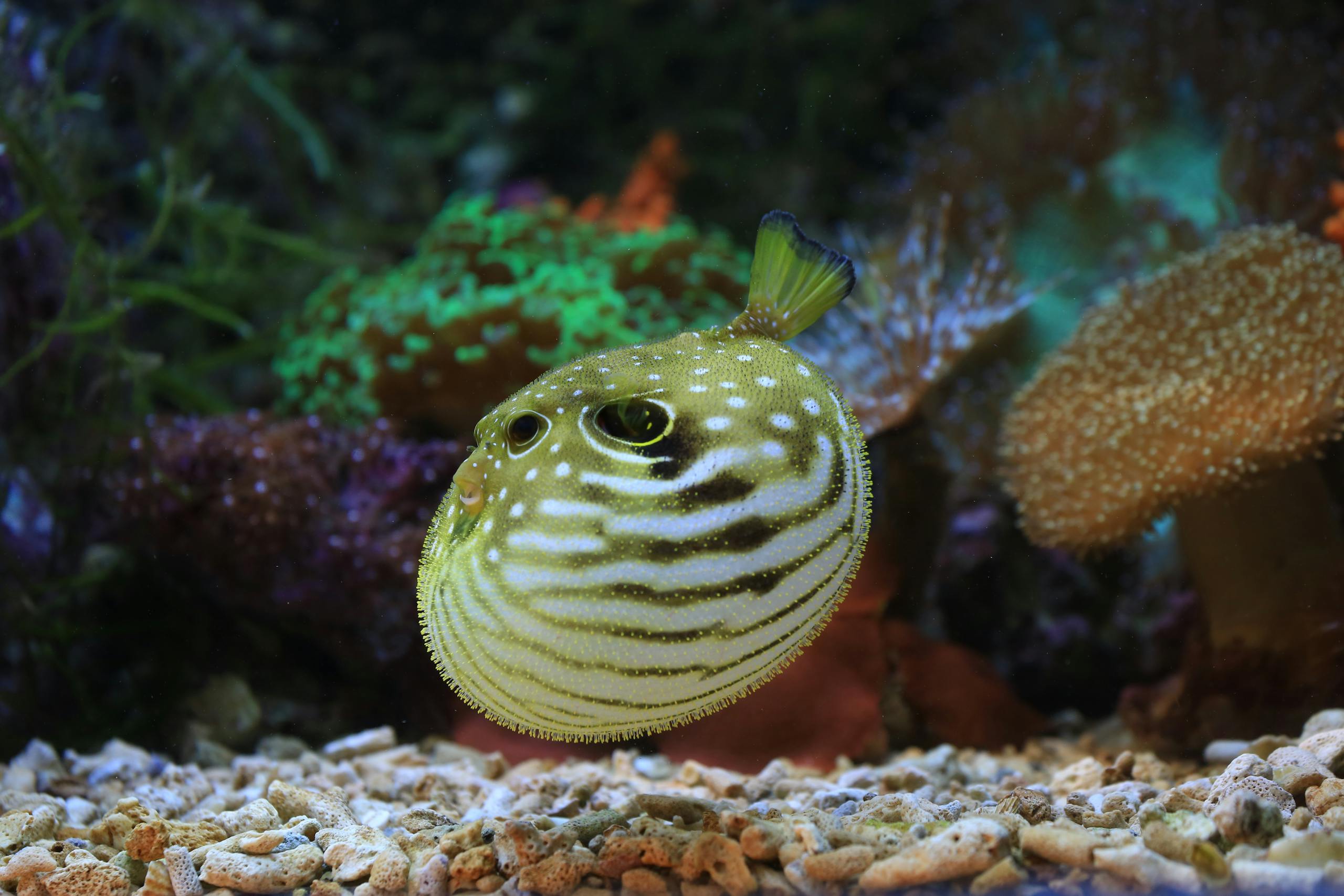
Fugu, the Japanese pufferfish delicacy, is famous because the stakes are so high. The fish can contain tetrodotoxin, a powerful poison that can affect nerves and muscles. Cooking does not reliably destroy the toxin, so safety depends on expert handling and removal of dangerous parts.
The FDA has raised concerns about puffer fish because some may contain a lethal dose of tetrodotoxin, and there is no known antidote. Tokyo health authorities also warn that improper preparation can lead to death and should not be attempted by non-professionals. Fugu is not a food for kitchen bravery. It is a food for licensed expertise.
Rabbit meat alone cannot keep a person alive.
Rabbit meat is lean, clean-tasting, and protein-rich. That sounds healthy until it becomes the only thing a person eats. A diet built almost entirely on very lean meat can create a survival problem sometimes called rabbit starvation or protein poisoning.
Research indexed in PubMed notes that excessive consumption of lean meat can lead to protein poisoning, also known as “rabbit starvation.” The issue is not rabbit meat as part of a normal diet. The danger comes from a lack of sufficient fat and carbohydrates over time, especially in survival situations where people fill their stomachs but still fail to meet the body’s energy needs.
Conclusion
The most surprising food secrets are rarely about panic. They are about preparation, portion, ripeness, and personal health. Lima beans need cooking, cassava needs processing, ackee needs to be ripe, fugu needs a licensed professional, and star fruit may need to be avoided by people with kidney disease.
Food knowledge used to be passed through families, farms, markets, and kitchens. Today, many people encounter ingredients on grocery shelves, restaurant menus, and in viral videos. That makes these hidden warnings worth remembering, because the safest eater is not the most fearful one. It is the one who knows what the food is asking for before it reaches the plate.