America is confronting a set of profound spiritual and social challenges reshaping communities across the nation. Faith leaders are raising concerns about declining engagement, moral uncertainty, and a growing disconnect between religious institutions and the populations they serve. These eight crises illustrate both the societal and spiritual consequences of a nation navigating rapid cultural change.
Declining Church Attendance
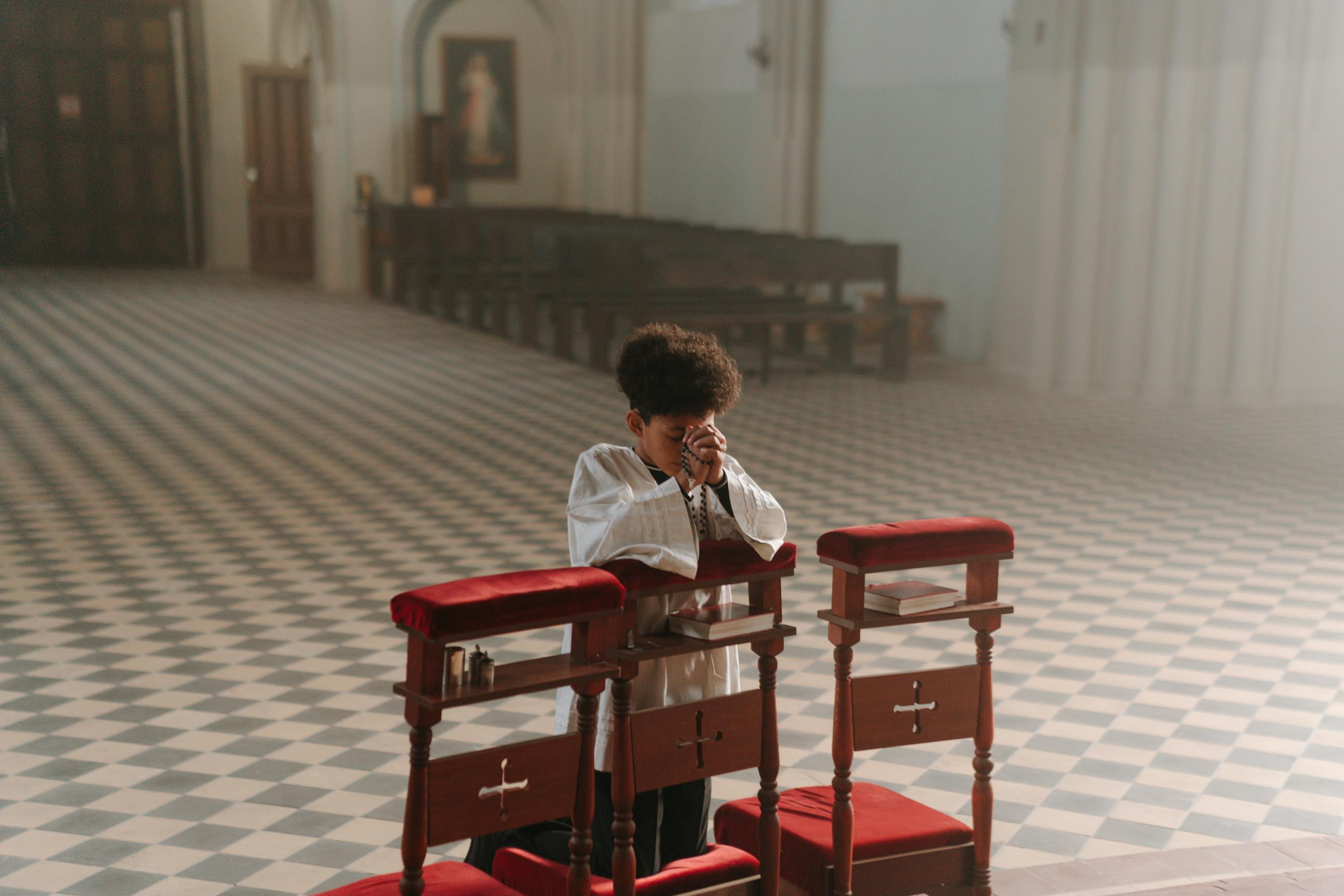
Churches and places of worship are witnessing consistent drops in regular attendance across urban and rural communities alike. Families once committed to weekly services are increasingly choosing convenience or digital alternatives, reflecting broader disengagement from organized faith.
Leaders warn that this trend signals more than a change in routines; it reflects a potential weakening of community cohesion and shared moral frameworks.
Smaller congregations also affect social infrastructure. Volunteer programs, charitable outreach, and community initiatives often depend on active participants, and their decline jeopardizes these networks. Communities risk losing spaces where intergenerational guidance and social support are cultivated.
The cultural implications extend beyond individual faith. Empty pews may indicate reduced transmission of beliefs across generations, leaving younger Americans less anchored in ethical frameworks. Leaders caution that diminished engagement threatens both moral guidance and communal resilience.
Rising Moral Ambiguity
Americans increasingly face a landscape in which ethical boundaries are fluid and consensus on right and wrong is scarce. Religious institutions, once primary arbiters of moral guidance, struggle to maintain relevance amid cultural shifts and generational questioning. This uncertainty affects personal decisions, workplace ethics, and societal expectations.
Young adults are seeking guidance outside traditional frameworks, turning to peers, media, or personal interpretations rather than institutional doctrine. This trend complicates efforts to maintain shared values and can contribute to relational and social instability. The absence of consistent ethical standards may weaken trust and social cohesion.
Faith leaders note that moral ambiguity has consequences for communities as well as individuals. Unclear guidance undermines collective responsibility and complicates efforts to sustain communal norms. It raises a pressing question about whether spiritual frameworks can remain effective in guiding society when ethical understanding is fractured.
Digital Overload and Distraction

The pervasive presence of digital media has shifted the rhythm of daily life, often at the expense of reflection and contemplation. Continuous engagement with screens and social media reduces the time devoted to prayer, meditation, or other spiritual practices. Leaders warn that this distraction can erode both personal and communal spiritual engagement.
Digital overload fragments attention, making sustained, intentional practice increasingly rare. Rituals and communal worship require presence, focus, and deliberate effort, qualities threatened by constant connectivity. The decline of these shared spiritual spaces weakens opportunities for moral dialogue and collective reflection.
These patterns carry societal consequences. Reduced digital presence in sacred contexts diminishes opportunities for empathy, social bonding, and community cohesion. The erosion of shared spiritual time risks undermining the networks that sustain both faith and social trust.
Erosion of Family Faith
Families have historically played a central role in transmitting spiritual and moral values. Today, busy schedules and shifting priorities often limit consistent modeling of faith at home. Children may grow up with sporadic exposure to practices and teachings that once anchored family life.
The long-term effect is a potential decline in intergenerational continuity of beliefs and ethical frameworks. Without consistent modeling, faith may become optional or superficial. Leaders warn that the erosion of family faith risks causing communities to lose both moral guidance and social resilience.
This trend also affects broader societal structures. Reduced family-based engagement weakens neighborhood cohesion, mentorship, and civic participation. The question arises of how society can sustain ethical and spiritual guidance if family transmission diminishes.
Distrust in Religious Institutions
Public trust in religious institutions has been affected by scandals, perceived hypocrisy, and financial controversies. Skepticism about leadership undermines engagement and confidence in the guidance these institutions provide. Disillusionment with institutional behavior presents a critical challenge for sustaining communal spiritual life.
Even committed adherents may struggle to reconcile personal faith with institutional shortcomings. Frustration with the gap between preached values and organizational actions can fuel disengagement and cynicism. Reduced trust compromises both community involvement and the influence of faith-based social initiatives.
The decline in institutional credibility affects philanthropy, volunteerism, and mentorship programs. Communities dependent on these services experience weaker safety nets and diminished cohesion. Faith leaders emphasize the importance of transparency and accountability to restore societal trust and participation.
Growth of Spiritual Individualism

A growing number of Americans are pursuing personalized spiritual paths outside traditional institutions. Practices such as meditation, mindfulness, and eclectic rituals are replacing conventional religious engagement. While this personalization can be empowering, it may also result in fragmented beliefs and a lack of communal accountability.
Leaders note that spirituality without community can risk becoming self-focused. Without shared frameworks or collective practice, ethical guidance may weaken, and communal cohesion may decline. The shift toward individualism raises questions about the sustainability of collective spiritual and moral structures.
This transformation also affects public rituals and collective observances. As shared practices decline, opportunities for unifying experiences and reinforced values diminish. Leaders caution that personal spirituality, while meaningful, cannot fully replace community engagement and accountability.
Decline in Charitable Participation
Faith-inspired philanthropy and volunteerism are showing signs of decline. Americans are allocating less time and fewer resources to communal and religious initiatives, challenging organizations that rely on active engagement. Leaders see this trend as a potential weakening of social support structures and moral reinforcement in communities.
Reduced participation affects shelters, food banks, mentorship programs, and other community services dependent on volunteers. Lower engagement undermines empathy, civic responsibility, and collective problem-solving capacity. Faith leaders warn that sustaining a culture of care requires renewed attention to spiritual motivation and social responsibility.
This decline also threatens long-term societal cohesion. Fewer volunteers and reduced charitable activity diminish the networks that historically strengthen neighborhoods. The concern is that future generations may inherit a society less attuned to communal needs and ethical obligations.
Spiritual Fatigue and Burnout

Americans report rising levels of spiritual fatigue caused by social, professional, and personal pressures. Even committed practitioners experience exhaustion, diminishing engagement with prayer, reflection, or community involvement. Leaders highlight this fatigue as a critical challenge to sustaining spiritual life and institutional vitality.
Burnout reduces resilience, emotional stability, and capacity to participate in communal or leadership roles. Overworked leaders, volunteers, and congregants contribute to declining institutional effectiveness. Addressing fatigue is essential to maintaining continuity, engagement, and purpose within communities.
The effects of spiritual fatigue are both personal and societal. Disengaged participants weaken networks, traditions, and moral guidance. Leaders stress that mitigating this fatigue is necessary to preserve meaningful spiritual practice and community cohesion.
Final Reflection
These eight spiritual crises shaking America reveal interconnected challenges that affect families, neighborhoods, and the broader social fabric. Declining participation, moral uncertainty, digital distractions, and eroding trust collectively weaken the shared values and cohesion that have historically anchored communities.
Families modeling faith less consistently and widespread spiritual fatigue suggest that future generations may navigate life with reduced guidance and communal support. The pressing questions are clear: Can communities restore trust, shared purpose, and intergenerational guidance amid cultural and technological change?
Will spiritual institutions adapt to remain relevant and sustain their ethical frameworks? The trajectory of America’s social and spiritual life depends on whether families, institutions, and individuals act deliberately to reconnect, reflect, and rebuild a sense of shared moral and spiritual purpose.