A Disney trip can feel like stepping into a storybook, until the price tags start acting like villains. One minute, you are planning churros, fireworks, character photos, and magical rides. Next, you are staring at hotel rates, ticket upgrades, bottled water, souvenirs, snacks, and surprise expenses that seem to appear out of nowhere.
That is the tricky part about Disney. The magic is real, but the spending traps are real too. Families do not have to ruin the fun by becoming strict budget police, but they do need to know where money quietly disappears. These common Disney mistakes can turn a dream vacation into a costly lesson if you are not careful.
Packing Too Lightly Can Cost You More Than You Think
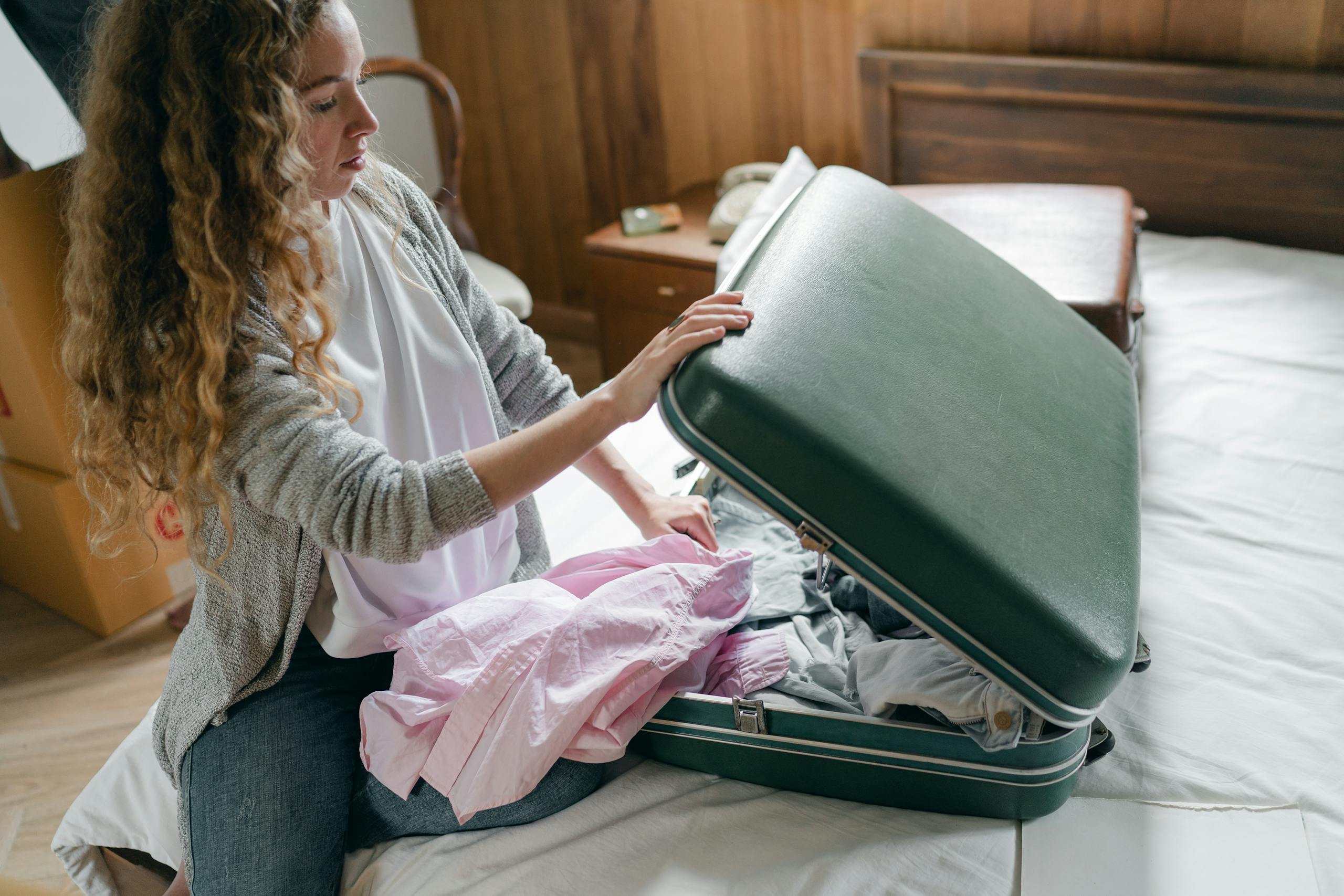
Forgetting basic items is one of the fastest ways to waste money at Disney. Sunscreen, ponchos, portable phone chargers, pain relievers, sunglasses, hats, wipes, extra socks, and refillable water bottles may seem small at home, but they can be expensive in the parks. Once the sun is blazing, the rain starts falling, or a phone battery hits one percent, most people will pay whatever price is in front of them.
A smart park bag can save the day before the day even begins. Families should think about heat, rain, long lines, tired feet, wet rides, and cranky kids before leaving the hotel. The goal is not to carry too much. It is to avoid buying ordinary items at vacation prices when those same items could have been packed for far less.
Peak Season Can Turn A Pricey Trip Into A Brutal One
Disney gets more expensive when everyone wants to go at the same time. School breaks, summer vacations, holiday weeks, and long weekends often bring higher hotel prices, bigger crowds, longer waits, and fewer easy dining options. That kind of pressure can make families spend more just to feel comfortable.
The best move is to plan around the crowd before it plans around your wallet. If travel dates are flexible, weekdays and slower seasons can make the trip feel calmer and more affordable. If peak season is the only option, families should book early, choose priorities, plan breaks, and avoid treating the park like a race.
The Wrong Hotel Choice Can Quietly Drain The Budget

A cheaper hotel outside Disney can look like a big win at first glance. Then the extra costs start showing up Parking, rideshares, rental cars, resort fees, breakfast, travel time, and tired children can quickly erase the savings.
That does not mean every family should stay at a Disney Resort hotel. Some off-property stays are excellent, especially for larger families that need a kitchen, laundry, or more space. The real mistake is comparing only room rates. The smarter question is what the full stay will cost, including transportation, food, convenience, and time.
Bottled Water Can Become A Sneaky Park Expense
A few bottles of water may not sound like a budget problem, but Disney days are long, hot, and full of walking. When every family member keeps buying drinks throughout the day, the cost adds up quickly. It is one of those expenses that feels harmless until the total becomes annoying.
A refillable water bottle is a small item with a big payoff. Families can use water fountains, refill stations, and quick service locations when available. Staying hydrated also helps everyone avoid headaches, exhaustion, and those extra snack stops that happen when people are hot, tired, and irritated.
Souvenir Shops Know Exactly How To Tempt You
Disney merchandise is designed to hit the heart first and the wallet second. A child sees glowing toys at night, a parent spots a nostalgic shirt, and suddenly everyone is convinced that one more item will make the trip complete. The problem is that one souvenir can quickly become five.
The easiest fix is to set souvenir rules before entering the park. Each person can choose one special item, follow a spending limit, or wait until the final day before buying. That pause matters because many things feel urgent in the moment but lose their magic after a good night’s sleep.
Park Hopper Tickets Are Not Always Worth It
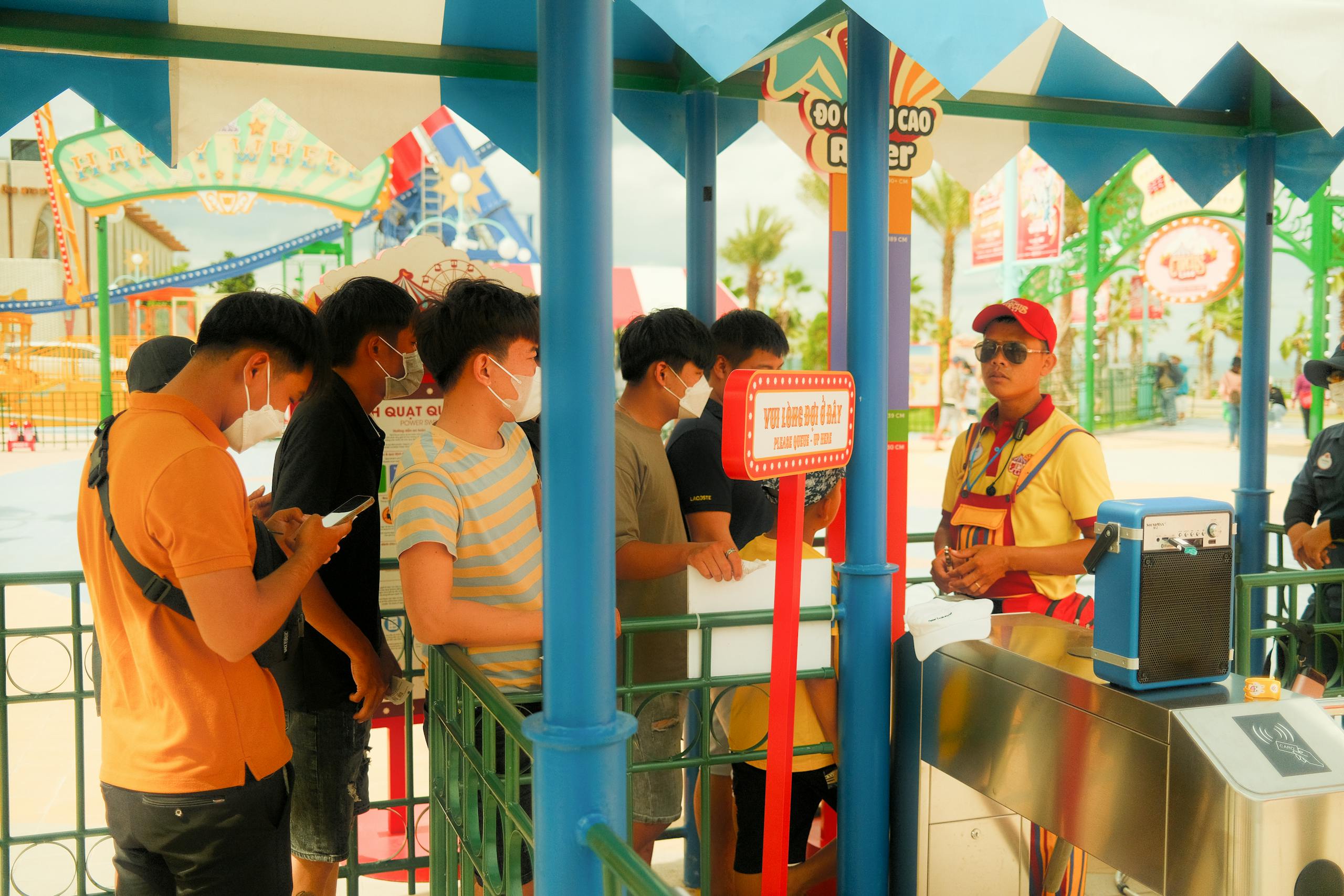
Park Hopper tickets sound exciting because they let visitors visit more than one park in a day. For short trips, especially one-day visits, they can become an expensive way to feel rushed. Moving between parks takes time, energy, planning, and patience.
First-time visitors often get better value by choosing one park and enjoying it properly. That gives more room for rides, shows, meals, photos, rest, and unexpected moments. Park Hopper can be useful, but it should have a clear purpose. Without a real plan, it may only add pressure.
The Dining Plan Can Feel Convenient But Still Cost More
Disney dining plans can make dining easier because much of the cost is covered before the trip. That convenience can be helpful for some families. Still, it does not automatically mean the plan saves money.
Families should compare the plan with how they actually eat. If they like sharing meals, bringing snacks, eating breakfast in the room, or choosing simple, quick service meals, paying as they go may be cheaper. The dining plan works best when it aligns with real habits, not vacation fantasies of eating big meals all day.
Skipping Discounts Is Like Leaving Money At The Gate
Many Disney visitors pay full price because they never check for legitimate savings. Official Disney offers, authorized ticket sellers, military discounts, resident deals, warehouse club packages, credit card rewards, and travel agent promotions can all make a difference. The savings may not make Disney cheap, but they can soften the hit.
The keyword is legitimate. Suspicious ticket sellers and random online deals can create serious problems at the gate. A smart Disney discount should save money without risking the whole vacation.
Trying To Do Everything Can Lead To Expensive Burnout
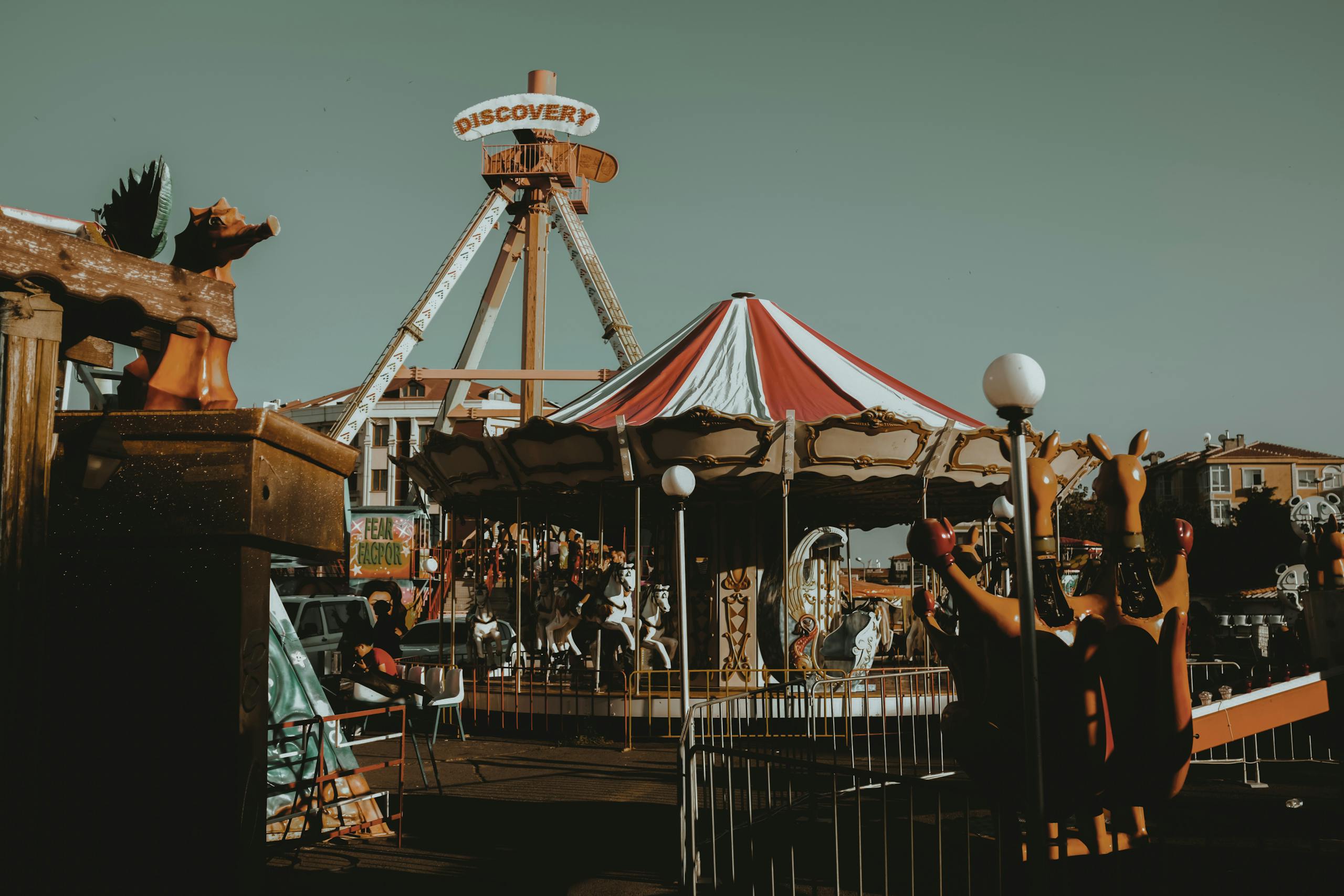
Disney has a way of making families feel like they must squeeze every ride, show, snack, parade, and photo into one day. That sounds exciting in theory, but it often leads to exhaustion. Tired families spend more because they want comfort fast.
A better Disney day needs breathing room. Choose a few must-do attractions, schedule meal breaks, slow down during the hottest parts of the day, and leave space for surprises. The trip feels more magical when nobody is dragging themselves across the park just to check one more ride off a list.
The Final Day Can Deliver One Last Budget Hit
The last day of a Disney trip can be surprisingly dangerous for the budget. Everyone wants one final snack, one last souvenir, one more photo, or a relaxed farewell meal. Add airport transportation, luggage stress, and tired decision-making, and that final day can become expensive fast.
A small final day budget can keep things under control. Families can plan one goodbye treat, one meaningful souvenir, or one relaxed meal without letting emotion take over. Ending the trip with intention feels much better than leaving with credit card regret.
Conclusion
Disney magic is powerful, but so are the spending traps around it. The parks are built to delight guests at every turn, and that delight can make expensive choices feel harmless in the moment. That is why the best Disney trip starts with a plan, not just a wish list.
Families do not need to skip every treat, souvenir, upgrade, or special experience. They simply need to choose what matters most before the pressure of the park takes over. When the budget has room for fun and protection from waste, the whole trip feels lighter.
A great Disney vacation should leave people talking about fireworks, laughter, favorite rides, and sweet family moments. It should not leave them wondering how the bill got so high. With the right planning, the magic can stay big without getting out of control.