A frightened 13-year-old girl cried during turbulence. Her father comforted her. By the time the plane landed, their family trip had allegedly turned into a public airport ordeal involving police, separation, questioning, and a devastating accusation.
Now, years later, Madison Cupp is suing Delta Air Lines and Endeavor Air for $2.35 million, claiming an in-flight misunderstanding led to her father being falsely reported as a suspected trafficker and abuser. The lawsuit does not simply describe a bad travel experience. It asks a much larger question about what happens when safety training, suspicion, and ordinary family affection collide inside a sealed aircraft cabin.
We have seen airlines encourage crews to stay alert for human trafficking. That mission matters. Aviation workers can play a real role in identifying people in danger. But this case shows the other side of vigilance when suspicion moves faster than context, and when a family says it was forced to bear the emotional cost of a report that police did not pursue charges.
The Flight That Changed a Family Trip
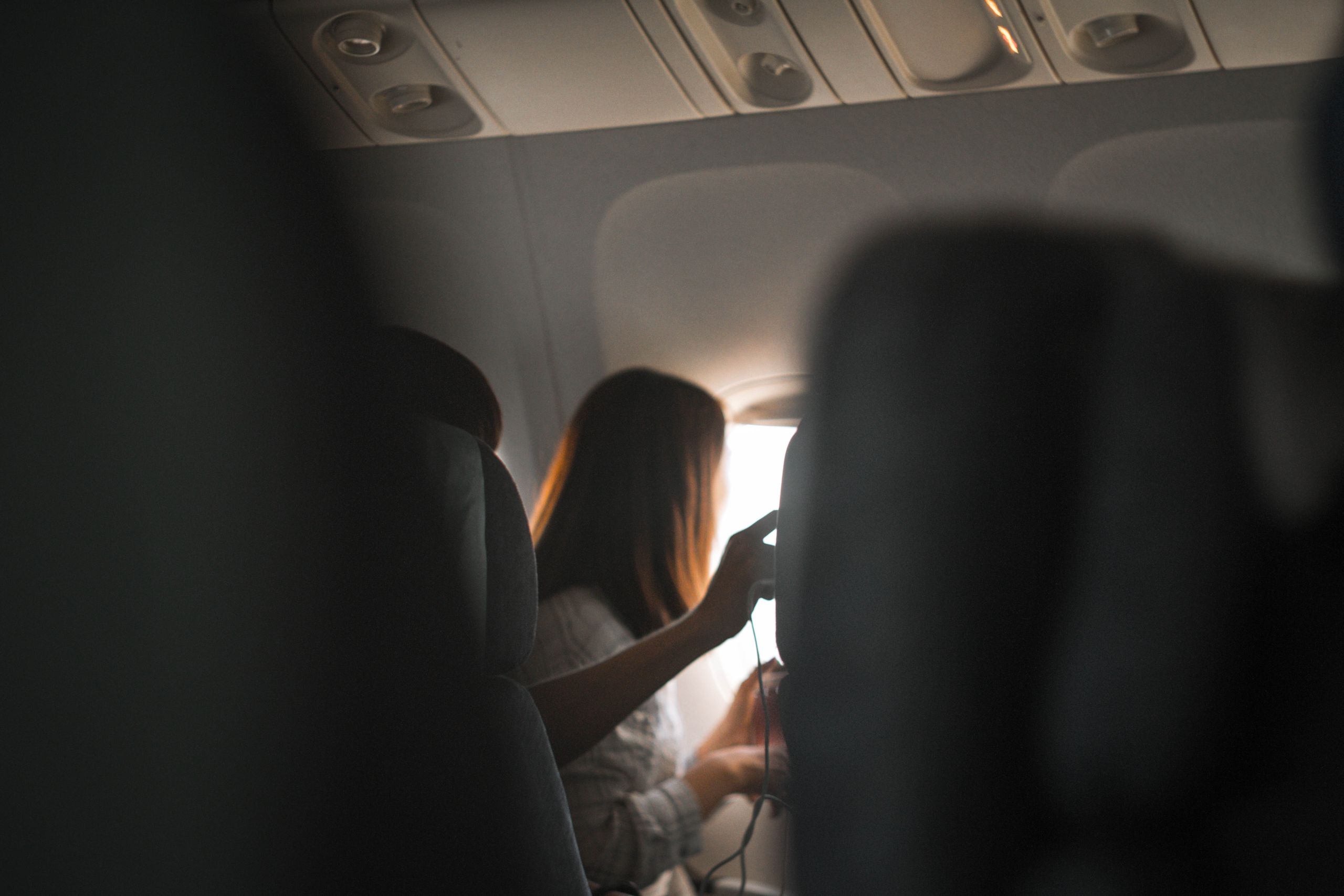
According to the lawsuit, Madison Cupp was traveling with her family in December 2019 from Memphis to Newport News, Virginia. The family had a personal reason for the trip. They were reportedly going to attend her older brother’s graduation from the United States Coast Guard A School.
The first part of the trip passed without issue. The family then boarded the connecting flight from Atlanta to Newport News. Madison, who was 13 at the time, was seated near her father, with other family members nearby.
When the aircraft hit turbulence, Madison says she became scared and began crying. Her father allegedly comforted her in the way many parents would comfort a frightened child on a bumpy flight. What the family viewed as a simple parental response allegedly became the moment that triggered suspicion.
The complaint claims a flight attendant interpreted the interaction as possible human trafficking. The allegation later became even more serious, with the lawsuit claiming the attendant also reported suspected inappropriate touching or sexual abuse.
That distinction matters. A trafficking concern alone is already serious enough to summon the police. Adding suspected sexual abuse can change the entire tone of the response, the questions asked, and the humiliation a family may feel when strangers begin treating a parent as a possible criminal.
Why the Accusation Became So Explosive
We need to be careful with language here. The lawsuit contains allegations. Delta, Endeavor Air, and the flight attendant have not been proven liable in Madison Cupp’s case. But the basic sequence described in court records and reporting is stark.
The flight attendant allegedly relayed concerns to the captain. The captain allegedly passed those concerns along through airline channels. By the time the plane arrived in Newport News, police were waiting.
Madison says officers boarded the aircraft and separated her from her family without warning. Her father was reportedly taken for questioning, read his rights, and questioned in a public area of the airport.
For any parent, that would be terrifying. For a child, it could feel even worse. One moment, she was crying because of turbulence. Next, she was allegedly being pulled into a police response connected to accusations involving her own father.
The lawsuit says law enforcement ultimately found no probable cause to charge or arrest him. That point is central to the family’s claim. They are not just arguing that the accusation was embarrassing. They are arguing that the airline’s handling of the situation caused lasting emotional harm after a report they say should never have escalated the way it did.
The Human Cost Behind the Legal Filing
The emotional core of this story is not the dollar amount. It is the memory of a daughter who says her father tried to calm her down, only to be treated as a suspect.
Madison’s lawsuit seeks $2 million in compensatory damages and $350,000 in punitive damages. The claims reportedly include negligence, intentional infliction of emotional distress, and false imprisonment.
Those legal terms can sound cold. Behind them is a simple human question. What does it do to a child when a routine family trip becomes a police encounter? What does it do to a father when public affection toward his daughter is allegedly reimagined as something criminal?
An earlier case brought by Madison’s father, Nicholas Cupp, adds more weight to the story. Court records show his lawsuit described emotional distress, aggravated PTSD, and fear that even normal public affection toward his daughter could be misread again.
That is where this case becomes more than a travel dispute. It becomes a story about suspicion leaving residue. Even when no charge follows, the accusation can stay with a family long after the airport clears out.
The Bigger Issue With Airline Anti-Trafficking Training
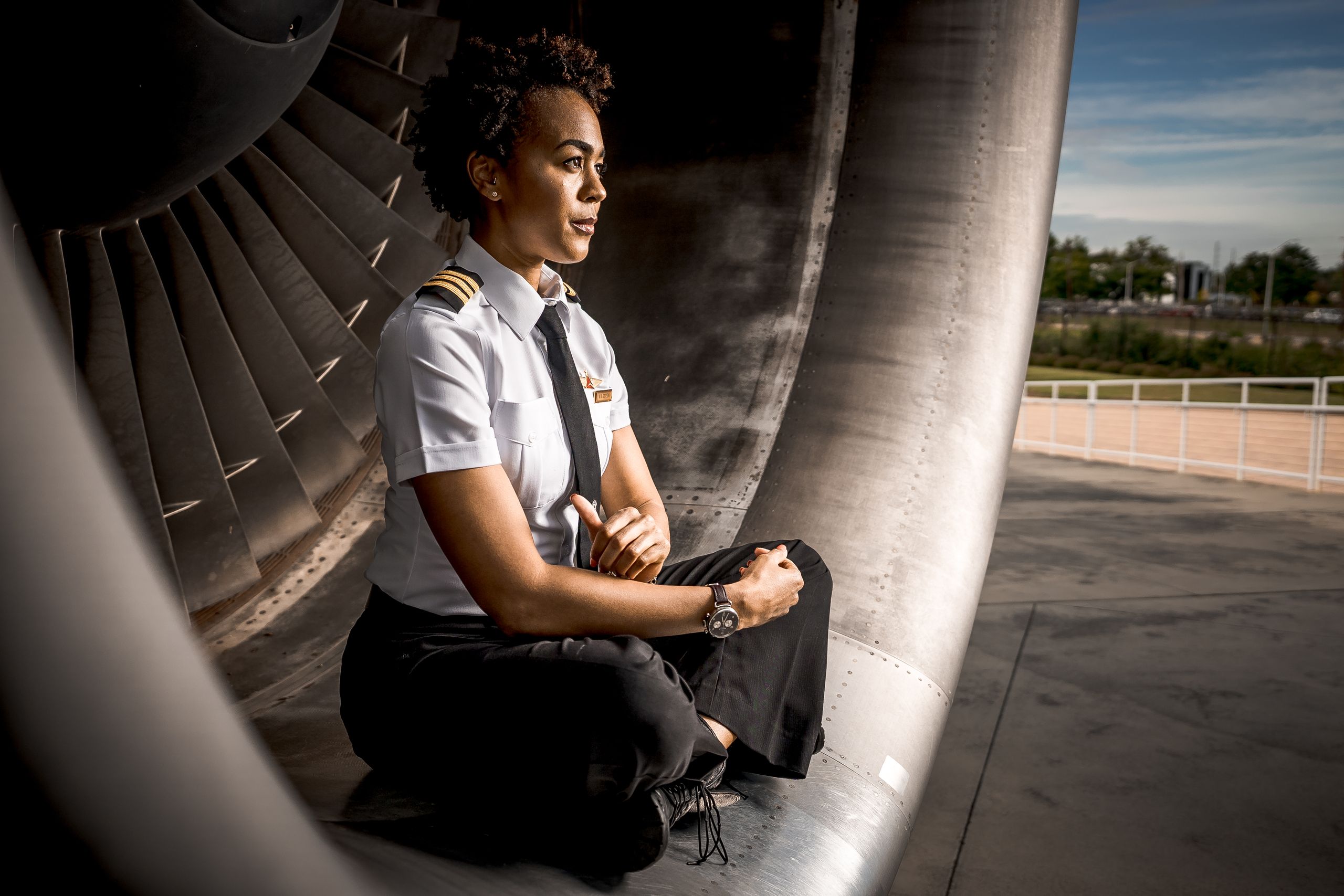
Airline workers are trained to look for warning signs of human trafficking. That training exists for a serious reason. Trafficking is real; victims can be moved through airports, and aviation workers may be among the few people who notice something wrong.
The federal Blue Lightning Initiative, led by the U.S. Department of Transportation and U.S. Customs and Border Protection, trains aviation personnel to identify possible traffickers and victims and report suspicions to law enforcement. Federal guidance also notes that air carriers must provide flight attendants with training on recognizing and responding to potential trafficking victims.
That mission is important. But a training system can become dangerous if it teaches workers to identify signs without also emphasizing context, verification, and caution before an innocent passenger is treated like a criminal.
In the Cupp case, the family says the obvious context was available. Madison was traveling with her mother, father, and grandparents. The family had reportedly checked in together and passed through security. They were traveling for a family graduation. Her father’s comforting behavior occurred during turbulence, a moment when a frightened child crying on a plane is not unusual.
That does not mean flight crews should ignore red flags. It means the quality of the response matters. A report can protect someone. A careless report can damage someone.
Why the Virginia Court Record Matters
This story also has a legal layer that makes it more important than a viral headline. In a related case brought by Nicholas Cupp, the Virginia Supreme Court addressed whether a nonmandatory reporter who reports suspected child abuse to law enforcement, without contacting social services or the designated hotline, receives immunity under Virginia law.
The court answered no. It held that Virginia’s immunity statute did not protect a nonmandatory reporter in that specific circumstance when the report was made only to law enforcement and not through the channels described in the statute.
That ruling does not automatically prove Madison’s lawsuit. It does not decide every factual dispute. But it does show why this case has broader significance for airlines, employees, and passengers.
The decision suggests that good intentions may not always shield someone from civil litigation if the reporting process does not match the law. In other words, suspicion alone may not be enough. How the suspicion is handled can matter just as much.
The Fine Line Between Protecting Children and Misreading Families
We should not pretend this is an easy issue. Airline crews work under pressure. They have limited time, limited information, and a duty to protect passengers. If they ignore a genuine trafficking situation, the consequences could be devastating.
But the opposite risk is also real. Families do not travel in perfect, easily understood patterns. Children cry. Parents hug them. Teens may look uncomfortable for reasons that have nothing to do with abuse. A father traveling with a daughter should not automatically be considered suspicious just because a child is emotional during turbulence.
This is where better training matters. Workers need to know warning signs, but they also need tools to separate genuine danger from ordinary travel stress. They need a process that encourages careful escalation, not panic.
A stronger system might ask practical questions before the plane lands. Is the child traveling with multiple family members? Did the group check in together? Is there a visible sign of fear toward the adult, or is the child responding to turbulence? Are there safe, discreet ways to gather more information before police publicly intervene?
The goal should never be silence. The goal should be accuracy.
What Passengers May Take From This Case
This lawsuit may make some parents uneasy, especially fathers traveling alone or sitting beside emotional children. That is one reason the story has struck a nerve. It touches a fear many people rarely say out loud: being misunderstood in public and having no control over the consequences.
For passengers, the case is a reminder that aircraft cabins are high-surveillance environments. Every movement can be seen by strangers. Every anxious moment can be interpreted by someone who does not know the family history, the travel plan, or the reason a child is upset.
For airlines, the lesson is sharper. Anti-trafficking policies must protect real victims without turning ordinary families into collateral damage. A policy that encourages reporting must also demand judgment, context, and restraint.
For law enforcement, the case raises questions about how public an airport response should be when the allegation involves a parent and child. Separating a child may sometimes be necessary. But how it is done can affect whether the child feels protected or traumatized.
The Question This Delta Lawsuit Leaves Behind
The Madison Cupp lawsuit is powerful because it sits in an uncomfortable space. We want airline crews to notice danger. We want children protected. We want trafficking victims identified before it is too late.
But we also want families to move through airports without fearing that a hug, a comforting gesture, or a scared child’s tears could be transformed into a public accusation.
That is why this case matters beyond Delta, Endeavor Air, or one flight from Atlanta to Newport News. It forces us to look at the cost of getting suspicion wrong. It asks whether the systems designed to protect vulnerable people are careful enough to protect innocent families, too.
We can support anti-trafficking vigilance and still demand better judgment. We can believe in reporting danger and still question a process that allegedly left a child crying, a father interrogated, and a family changed by a flight that should have ended at baggage claim.