Marriage can look soft, sweet, and shiny from the outside, but real life loves removing the filter. These brutal marriage pitfalls can turn a beautiful relationship into a daily emotional obstacle course. Before anyone starts planning matching towels and dreamy Sunday brunches, it helps to spot the brutal marriage pitfalls that most couples never see coming.
Mistaking Chemistry for Compatibility

Chemistry feels exciting because it brings butterflies, late-night talks, and that strange urge to smile at your phone. Compatibility feels quieter because it shows up in habits, values, patience, and daily choices. The problem starts when couples confuse emotional fireworks with real partnership.
A spark can start a relationship, but it cannot run a household. What happens when the bills arrive, the dishes pile up, and both people feel tired? Suddenly, that charming smile needs backup from maturity, kindness, and shared responsibility.
Compatibility asks practical questions that romance often avoids. Do you solve problems the same way, respect each other’s goals, and handle disappointment with care? Love needs excitement, but marriage survives on emotional teamwork.
Ignoring Money Conversations
Money may not sound romantic, but neither does fighting over bills at midnight. Many couples avoid financial talks because they fear tension, judgment, or awkward silence. Sadly, silence around money can become louder than any argument.
Spending habits reveal priorities, comfort levels, and sometimes hidden fears. One partner may enjoy comfort now, while the other panics about tomorrow. IMO, that difference needs a conversation before it becomes a cold war over groceries.
Money talks should cover debt, savings, lifestyle, giving, and financial boundaries. These talks do not need to feel like a corporate meeting with bad coffee. They only need honesty, patience, and a shared plan that both people understand.
Letting Family Interference Grow

Marriage brings two people together, but family often tries to move in emotionally. Parents, siblings, and relatives can influence decisions in ways couples never expect. A little advice can feel helpful until it starts driving the whole relationship.
Family pressure becomes dangerous when one partner refuses to set boundaries. Why should every decision need approval from someone outside the marriage? At some point, love needs a front door and a lock.
Healthy couples respect family without letting relatives control the marriage. They discuss holidays, visits, money requests, and privacy before resentment grows. Boundaries do not mean disrespect; they mean the marriage gets room to breathe.
Treating Communication Like Guesswork
Some couples expect love to create mind-reading powers, which sounds cute and wildly unrealistic. Nobody should need a crystal ball to understand their spouse’s feelings. Clear communication saves couples from confusion, resentment, and unnecessary drama.
Poor communication often starts with small habits. One person shuts down, the other pushes harder, and suddenly both feel attacked. That cycle can turn a simple issue into emotional gymnastics.
Good communication means speaking clearly and listening attentively. It also means choosing timing, tone, and honesty over sarcasm disguised as humor. Marriage gets easier when both people stop treating silence like a strategy.
Avoiding Conflict Until It Explodes

Some couples think avoiding conflict proves their relationship is peaceful. In reality, buried tension often takes root and waits for the worst moment to surface. Avoidance may feel calm, but it can hide anger under a neat little rug.
Every marriage faces disagreement because two humans cannot share a life without friction. The issue is not the conflict itself, but how couples handle it. Do they solve the problem, or do they collect emotional receipts for later?
Healthy conflict requires calm words, fair listening, and a desire to repair. Couples need space to disagree without turning every issue into a courtroom scene. Peace does not come from avoiding hard talks; it comes from surviving them with respect.
Losing Personal Identity
Marriage should create closeness, not erase individuality. Some people give up friends, hobbies, goals, or personal routines to keep the relationship smooth. That sacrifice may look loving at first, but it can become quiet resentment.
A partner should not become the entire universe. That sounds romantic in a song, but exhausting in real life. People need personal growth, solitude, friendship, and dreams that still feel like their own.
Strong marriages leave room for two full people. They support shared goals and personal interests without guilt. Love grows better when both people bring fresh energy back into the relationship.
Letting Resentment Build Quietly
Resentment rarely arrives with loud footsteps. It sneaks in through ignored feelings, repeated disappointments, and apologies that never lead to change. By the time couples notice it, the relationship may already feel heavy.
Small hurts matter when they keep happening. A forgotten promise, a dismissive tone, or unequal effort can slowly drain affection. FYI, love does not enjoy being treated like an unlimited data plan.
Couples need regular emotional check-ins before resentment hardens. They should name problems early, repair mistakes quickly, and change patterns honestly. Marriage feels safer when both people know their concerns will not be brushed aside.
Downplaying Intimacy Problems

Intimacy includes affection, trust, touch, emotional closeness, and feeling wanted. When couples ignore problems in this area, distance often grows faster than they expect. It can start with stress, routine, fatigue, or unspoken disappointment.
Many couples avoid intimacy talks because they feel embarrassed. But silence rarely fixes loneliness, rejection, or confusion. Would anyone repair a leaking roof by pretending rain is decorative?
Healthy intimacy needs kindness, honesty, and mutual respect. Partners should discuss needs without blame and listen without defensiveness. A marriage can recover warmth when both people treat connection as a shared priority.
Forgetting Friendship After the Wedding
A wedding can make people feel official, but it does not replace friendship. Some couples become managers of bills, chores, and schedules instead of companions. That shift can make marriage feel like a shared admin account.
Friendship keeps love playful, gentle, and emotionally alive. It shows up in laughter, small kindnesses, shared jokes, and ordinary support. Without it, even a stable marriage can feel strangely lonely.
Couples should protect fun like they protect serious responsibilities. They need time to talk, laugh, rest, and enjoy each other without constant pressure. Marriage needs friendship because romance gets tired without it.
Expecting Marriage to Fix Everything
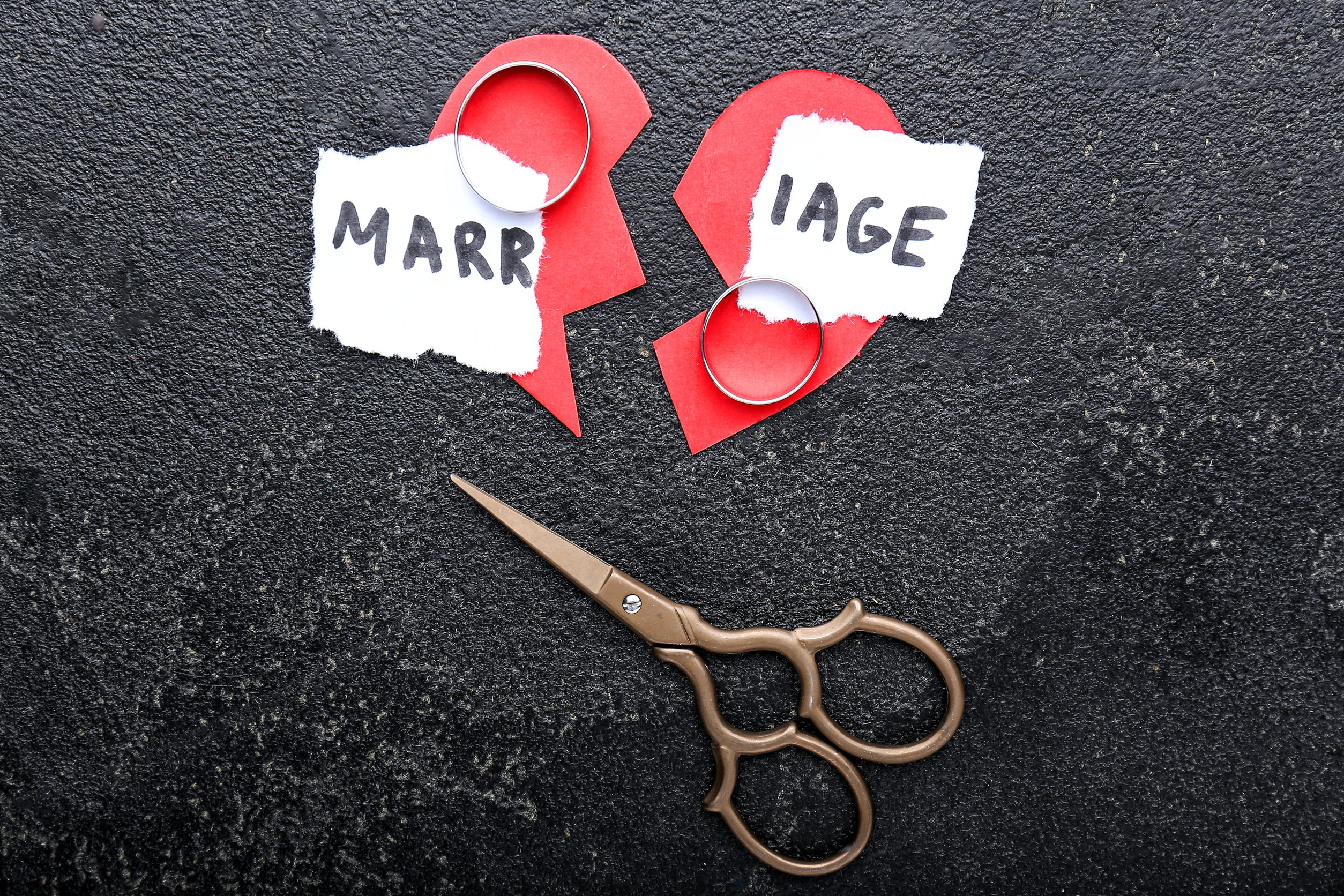
Some people enter marriage hoping it will heal insecurity, loneliness, trust issues, or personal pain. Marriage can offer support, but it cannot replace self-awareness or healing. That is a heavy job for any partner, even a patient one.
A wedding does not magically turn old wounds into wisdom. Problems that existed before marriage often follow the couple into daily life. Inconvenient, yes, but emotional baggage rarely respects seating charts.
Couples thrive when both people take responsibility for their growth. Therapy, honest reflection, spiritual grounding, and personal discipline can help partners show up better. Marriage works best when it becomes a place of support, not a rescue mission.
Conclusion
Marriage can be beautiful, but it asks for more than romance, outfits, and a well-timed photo dump. The brutal pitfalls of marriage that most couples never see coming often hide in ordinary habits. They appear in money talks, family pressure, weak communication, quiet resentment, and expectations nobody says out loud.
The good news is that these pitfalls do not have to destroy a relationship. Couples can face them with honesty, humor, humility, and a willingness to grow together. That may not sound as glamorous as a wedding cake, but it lasts much longer.
Real love needs courage because marriage exposes the parts people prefer to hide. It asks both partners to talk clearly, listen deeply, and choose respect even during hard seasons. When couples notice the warning signs early, they give their marriage a better chance to stay warm, steady, and real.