A quick trip to Target used to feel harmless. You grabbed paper towels, toothpaste, snacks, and maybe one extra candle you swore you needed. Now, in some American cities, that same simple errand can feel like your bank account just got pulled into a street fight.
That is the new reality in many high-cost cities across the country. Rent takes the first big bite, then groceries, gas, insurance, utilities, child care, parking, and medical bills crowd around the rest of the paycheck.
Recent housing data show that places such as New York, Miami, Los Angeles, San Diego, and Riverside now rank among the country’s least affordable places to rent, which helps explain why ordinary life feels too expensive for so many Americans.
New York City
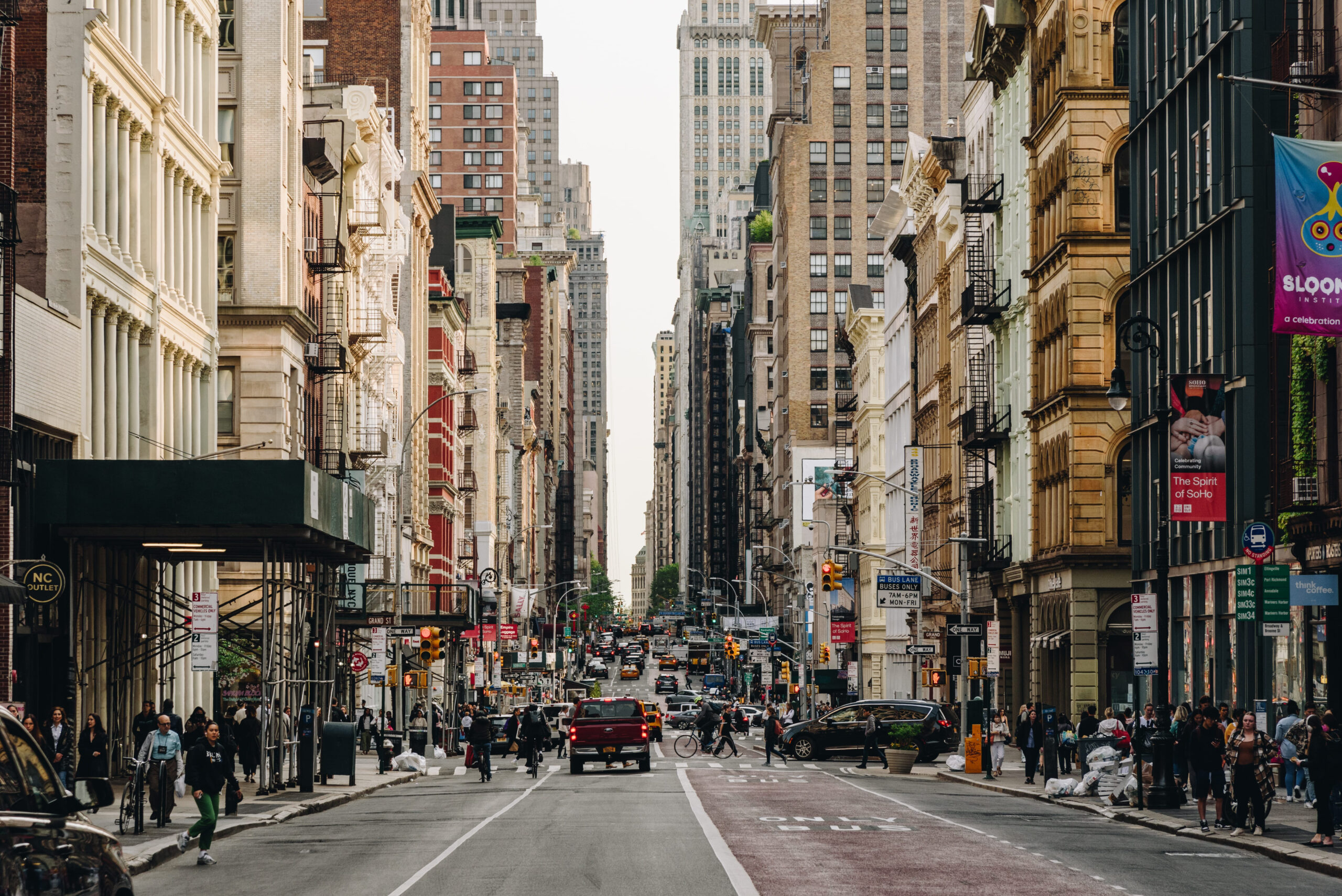
New York has always been pricey, but the current version feels more punishing. A simple workday can drain money before dinner even comes up. Rent, subway fares, coffee, lunch, laundry, and groceries all stack up fast, turning normal routines into daily budget tests.
The city still has unmatched energy, strong job opportunities, legendary food, and the kind of street life people dream about from afar. That is why so many residents fight hard to stay, even when the math feels rough. But in New York, ordinary life now demands a salary that can cover tiny apartments, rising bills, and a rent payment that seems to own the whole paycheck.
Miami
Miami sells one of America’s prettiest dreams. Palm trees, warm nights, beach air, music, color, and nightlife all make the city feel like a permanent vacation. Then rent, car insurance, groceries, and restaurant prices appear, reminding residents that sunshine does not mean affordable.
The hardest part is that Miami depends on workers who do not earn luxury-condo money. Teachers, nurses, hotel staff, airport workers, delivery drivers, restaurant crews, and young professionals keep the city alive every day. Yet many of them face a monthly budget that feels like a wave knocking them back before they can stand up straight.
Los Angeles
Los Angeles has always been the city of big dreams. People come for film, music, fashion, food, beaches, business, and the hope that life can become something larger. But the daily cost of living often turns that dream into a long commute with a blinking gas light.
The problem does not come solely from rent. Residents pay through housing, car payments, gas, insurance, parking, groceries, child care, and time lost on the freeway. Recent rental numbers show Los Angeles faces serious housing cost pressure, and that pressure grows heavier when daily transportation costs are added to the bill.
San Diego

San Diego seems like the kind of place that should lower everyone’s blood pressure. The ocean is close, the weather is pleasant, the food scene shines, and the pace feels softer than in many major cities. Then the rent bill arrives, reminding residents that paradise still expects payment on the first of the month.
Many San Diego residents are not chasing a lavish lifestyle. They simply want to pay rent, buy groceries, fill the tank, cover insurance, and still enjoy the city they work so hard to afford. The beach may be free, but the life surrounding it often feels priced out of reach for people with much deeper pockets.
San Jose
San Jose sits in the heart of Silicon Valley, where tech wealth shapes nearly everything around it. Opportunity is everywhere, but so are prices that make even strong salaries feel nervous. Recent estimates show that renters in San Jose, New York, and Boston needed six-figure incomes to comfortably afford typical rents.
That creates a strange reality for families and workers. People can earn respectable money, work long hours, and still feel like they are falling behind. In San Jose, ordinary life feels too expensive now because the local economy runs near extreme wealth, while the basics still land on regular household budgets.
San Francisco
San Francisco has breathtaking views, famous food, bold ideas, and a long history of attracting people who want to build the future. It also has prices that can make everyday errands feel like a drama. A grocery basket, haircut, utility bill, parking ticket, or basic lunch can feel as if it were priced for someone with stock options.
The pressure is not just financial. It is psychological. Residents can love the city deeply and still feel worn down by the sense that every normal choice costs more than it should. San Francisco remains beautiful and brilliant, but ordinary life there often feels like a subscription plan with no cheap tier.
Boston

Boston has history, universities, hospitals, sports pride, biotech jobs, and old neighborhoods that feel full of character. It also has a housing market that can make a solid paycheck shrink fast. Students stay after graduation, medical workers build careers, families compete for good school districts, and professionals keep pushing demand higher.
That pressure makes ordinary life feel tight even for people who do many things right. Rent takes a large share, utilities add more pressure, and daily costs rarely feel gentle. Boston rewards ambition, but it also asks residents to solve a hard monthly puzzle just to stay close to the opportunities that brought them there.
Honolulu
Honolulu looks like a dream before the bills arrive. The water, mountains, air, and slower rhythm can make mainland stress feel far away. But grocery prices, rent, electricity, household supplies, and everyday services quickly remind residents that island beauty comes with a serious cost.
The extra expense comes as much from geography as from demand. Many goods must travel long distances before they reach store shelves, and regional pricing data continue to place Hawaii among the highest-priced states in the country. That means ordinary life costs more before anyone even starts thinking about ocean views or tourist luxuries.
Seattle
Seattle still has a special pull. Mountains sit in the distance, coffee shops glow on gray mornings, and the city carries a mix of tech money, bookish charm, music history, and outdoor beauty. But the cost of living has risen so high that even a careful grocery run feels like a chore.
Recent cost comparisons show Seattle household costs sit far above the national average, especially for housing. That matters because residents are not just paying more for one thing. They are paying more for rent, food, services, transportation, and the small comforts that make long rainy seasons easier to handle.
Washington, D.C.
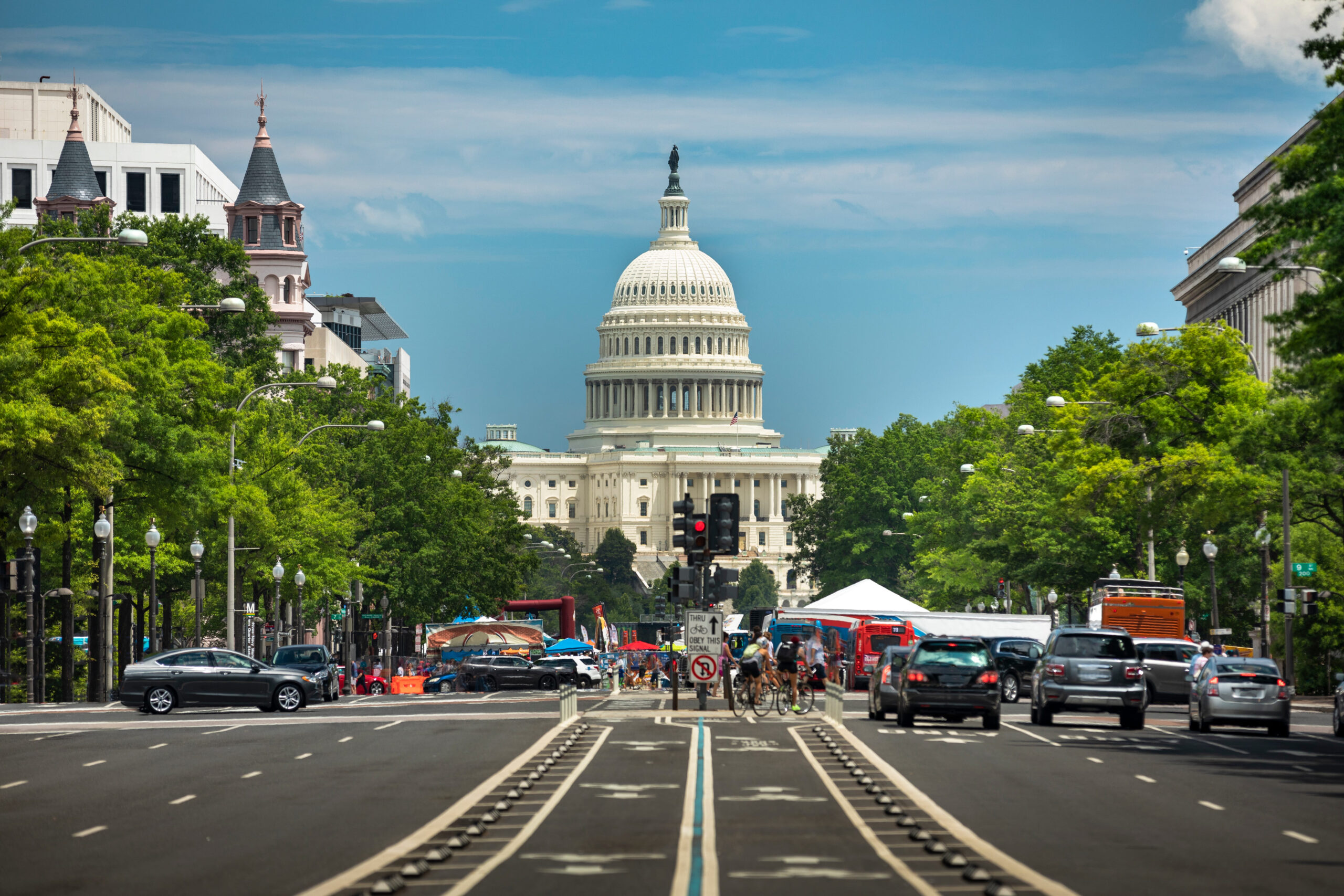
Washington, D.C., has monuments, power, ambition, museums, universities, restaurants, parks, and a job market tied closely to government and policy. It also has a cost structure that can make everyday life feel like a luxury. Rent, child care, commuting, groceries, and neighborhood prices all put a strain on the average household budget.
Current cost comparisons show capital housing costs remain one of the city’s biggest affordability problems. That explains why many people who work near the center of national power still feel financially squeezed. D.C. may look polished on the outside, but for many residents, staying afloat requires discipline, sacrifice, and a budget that never relaxes.
Conclusion
The story of these cities is not that Americans forgot how to manage money. The story is that basic necessities have become too expensive, with rent, groceries, utilities, transportation, insurance, health care, and child care all rising into the danger zone. A paycheck that once brought comfort is now divided so quickly that the month barely has time to begin.
New York, Miami, Los Angeles, San Diego, San Jose, San Francisco, Boston, Honolulu, Seattle, and Washington, D.C., still offer opportunity, beauty, culture, ambition, and excitement. That is why people keep coming and why longtime residents fight so hard to stay.
But the truth is hard to ignore: in these American cities, ordinary life feels too expensive now because the basics no longer feel basic, and the American dream keeps arriving with an invoice.