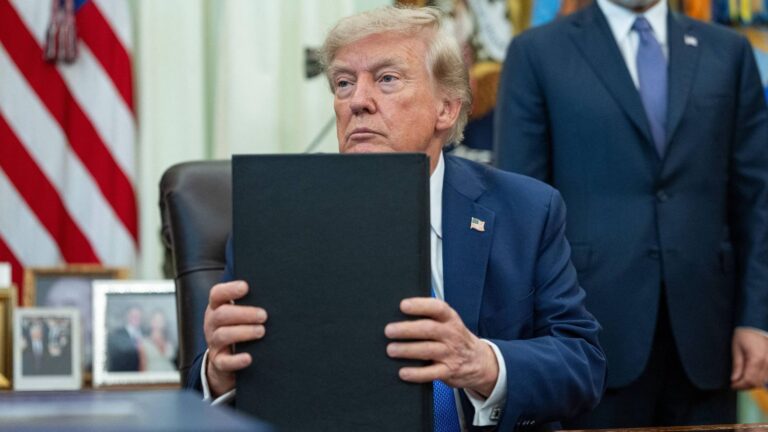
The debate over President Donald Trump’s health has shifted from casual speculation to sharp public scrutiny. The White House released a memo claiming Trump is in “excellent health” and “fully fit” to serve, yet it left several key clinical details unexplained. Americans are now weighing visible bruising, leg swelling, and occasional dozing during public events against a statement that offers more reassurance than transparency. At nearly 80, the president’s age alone keeps public interest high, and vague medical summaries only deepen doubts. This is not just about one exam. It is about whether citizens can trust the information they are being given and whether it is enough to evaluate the health of the oldest president in U.S. history.
Trump’s latest visit to Walter Reed National Military Medical Center marked one of several publicly acknowledged checkups this term. Navy Capt. Sean Barbabella’s memo reported weight at 238 pounds, blood pressure of 105/71, and a perfect 30 out of 30 cognitive screening score. It confirmed medications including aspirin, rosuvastatin, and ezetimibe, noted slight leg swelling, and advised continued diet and exercise. While supporters see this as proof of stamina and executive vigor, critics argue the report omits measurements needed to independently evaluate his health. The timing of the release, after a delay, also heightened scrutiny, making routine health details a subject of national political debate.
The Political Stakes of Presidential Health
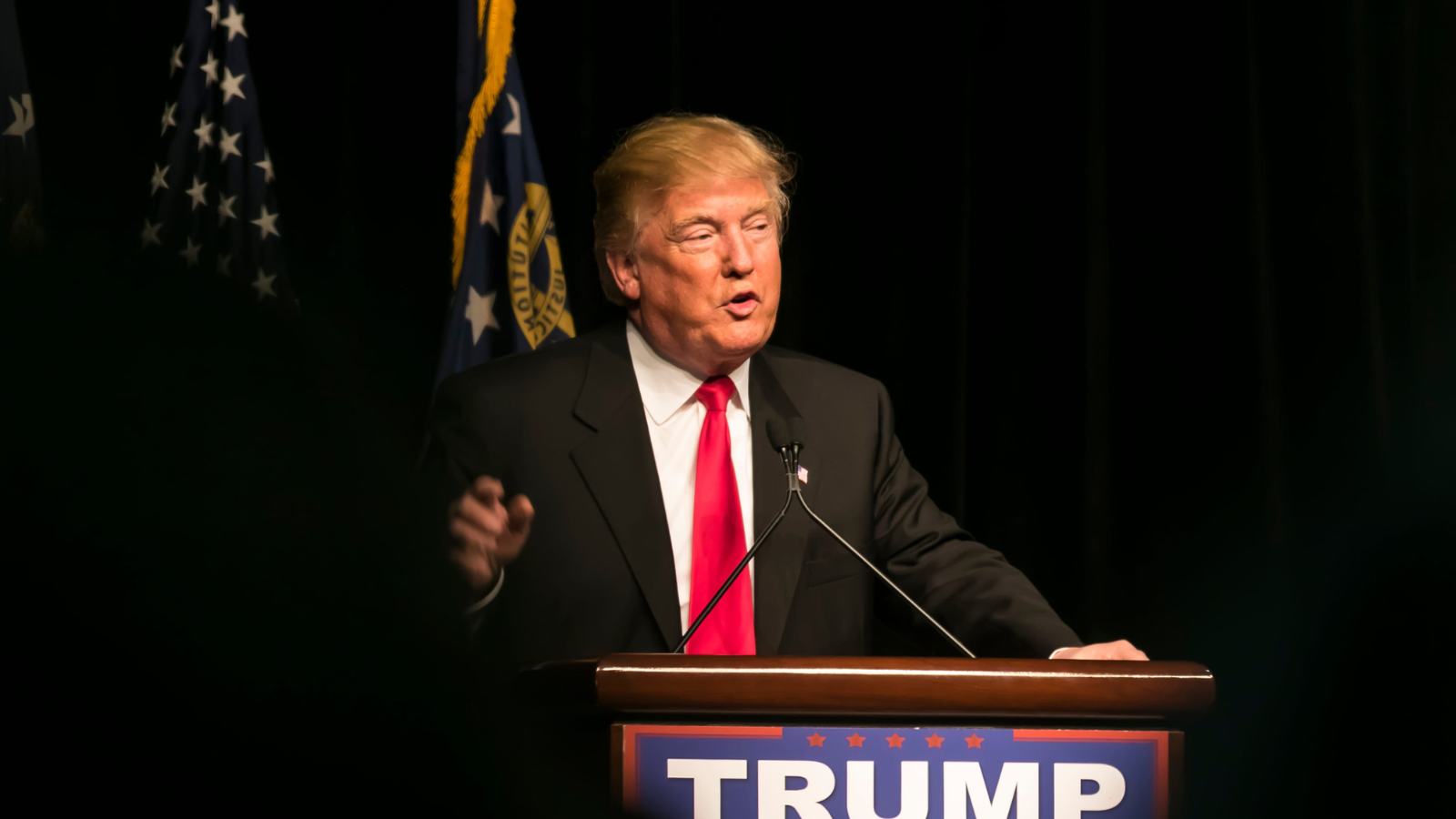
Presidential medical reports are rarely only about health; they are political documents. A president’s physical and cognitive condition can affect national security, emergency response capabilities, and public trust in leadership. At 79, Trump’s visible bruising, leg swelling, and occasional lapses in alertness during meetings have sparked ongoing concern. The delayed release of the medical report transformed a routine exam into a story about transparency. Experts highlight that selective disclosure generates public suspicion even when the physician concludes the president is in good health.
The political implications of such disclosures are magnified by the president’s age and public image. Older presidents naturally face heightened scrutiny regarding stamina, alertness, and vulnerability to illness. When the public is presented only with generalized statements of “excellent health,” the lack of context fuels further questions. In modern politics, delays and partial information rarely stay neutral; they invite speculation, which is difficult to control once it enters the public discourse.
What the Memo Actually Revealed
The White House report cited normal cardiac, pulmonary, neurological, and physical function. Lab results were described as broadly healthy, and cognitive assessment results were perfect. Hand bruising and leg swelling were addressed as minor, linked to aspirin use, frequent handshakes, and previous chronic venous insufficiency. These details give some reassurance, yet they do not fully explain why specific tests were performed or what subtle findings were revealed. Reporters and medical experts have noted gaps in cardiovascular imaging results and the lack of detailed interpretation, leaving room for uncertainty.
The memo’s focus on general outcomes rather than granular data has been interpreted as both strategic and insufficient. Supporters argue the report confirms fitness and cognitive clarity, but critics counter that without detailed numbers or explanations for repeated imaging, the public cannot independently assess risk factors such as heart disease, venous issues, or cognitive decline. The discrepancy between visible symptoms and reported findings is what keeps the discussion alive.
Why Details Matter
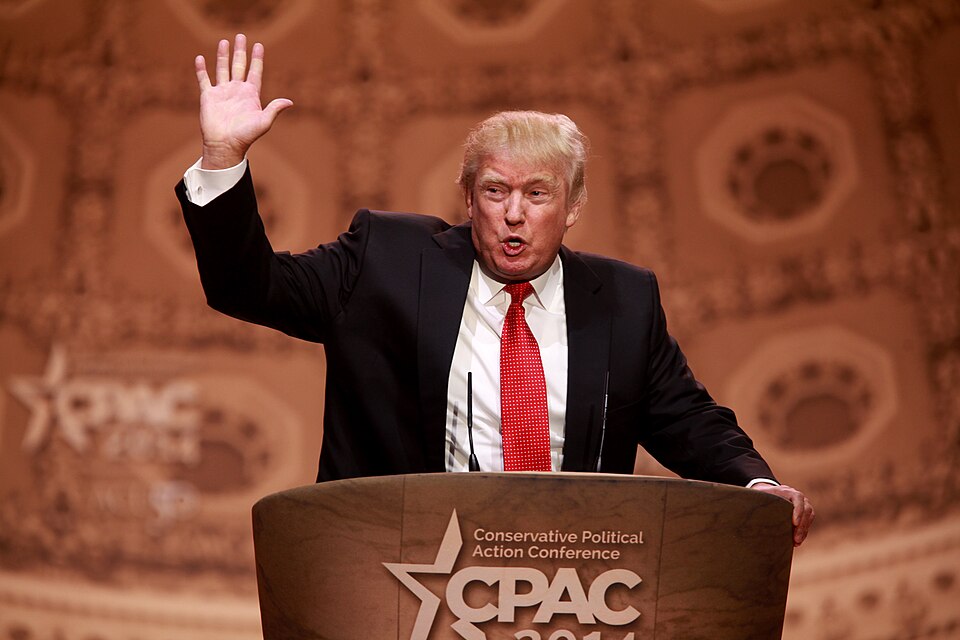
Visible symptoms such as bruised hands and leg swelling naturally draw attention, particularly when public disclosure is limited. Chronic venous insufficiency, common among older adults, has been described as benign, but repeated imagery of swelling raises questions. Without context or detailed measurements, minor symptoms can appear serious. Experts argue that medical summaries using superlatives without underlying data can unintentionally increase skepticism among the public.
Details matter because they allow both doctors and citizens to distinguish between cosmetic or minor health issues and those that may affect executive function. Leg swelling or hand bruising may seem trivial to a medical professional, but the public perceives visual evidence. A transparent report detailing lab ranges, scan results, and clear explanations of visible symptoms would reduce speculation and reinforce trust in the disclosure process.
Cognitive Screening Sparks Debate
Trump’s reported 30 out of 30 score on the Montreal Cognitive Assessment reassured supporters but did not address broader questions about stamina, decision-making, or attention span under stress. Cognitive screening captures a narrow set of abilities and cannot measure all the traits citizens care about in a commander-in-chief. Polling shows 61 percent of Americans believe Trump has become more erratic with age, reflecting concerns that a single test cannot assuage.
Medical experts emphasize that cognitive screening is only a baseline measure. A perfect score does not assess real-world executive function, judgment under pressure, or response to complex, rapidly changing information. For a president in his late seventies, these factors are arguably as important as raw health metrics. Without clarity on these domains, public confidence remains incomplete.
The Transparency Problem
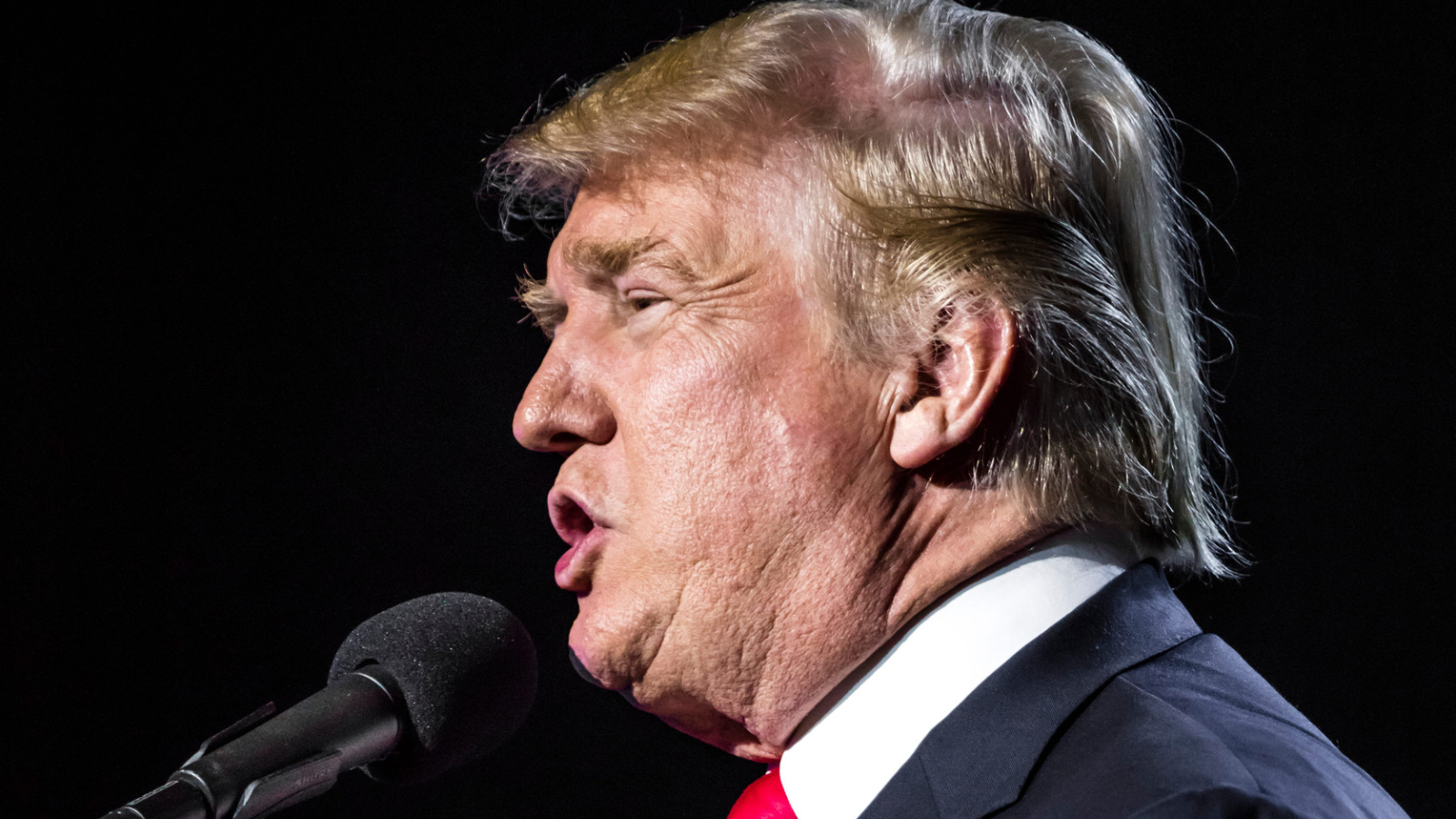
Presidents are not legally required to release full medical records. The White House controls what information is shared, creating tension between privacy and public trust. While “excellent health” sounds reassuring, it offers insufficient information for citizens to evaluate whether the president can safely carry out the office’s responsibilities. Vague or delayed disclosures magnify skepticism, especially when visible symptoms provoke questions.
Transparency becomes more critical because the presidency is unique. Unlike other public figures, the president has authority over life-and-death decisions, emergency responses, and nuclear command. Without consistent, meaningful disclosure, citizens and experts are left with summaries that prioritize political narrative over actionable understanding. The gap between reassurance and evidence is precisely what drives ongoing debate.
Why Age and Public Perception Intensify Concern
Trump turns 80 in June, making age an unavoidable factor in public perception. Polls show strong public concern about the fitness of older leaders. Reuters/Ipsos reported that about 59 percent of Americans agreed that elected officials in Washington are too old to represent the majority of the population. This concern is compounded by visible symptoms and selective disclosure, heightening scrutiny of Trump’s medical statements.
Age amplifies every question about stamina, alertness, and vulnerability to illness. Even small anomalies, like bruised hands or leg swelling, are interpreted through the lens of aging and executive competence. The public’s perception is shaped by both what is disclosed and what remains absent from official statements, making consistent transparency critical for trust.
Controlling the Narrative
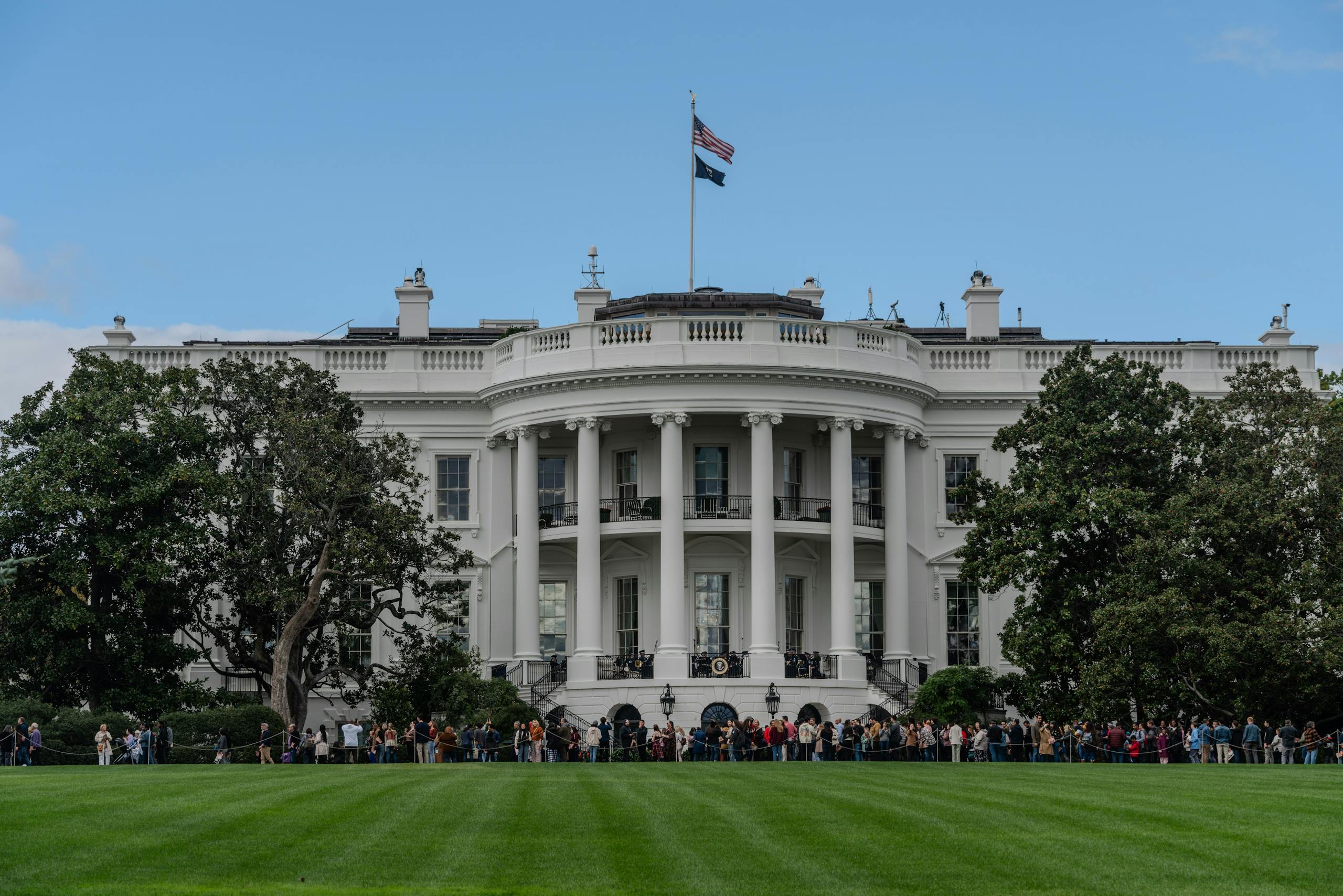
The White House has emphasized strength and vitality, highlighting Trump’s demanding schedule and public appearances. The physician’s memo cited his daily routine, high-level meetings, and physical activity as evidence of stamina. While this messaging reinforces a narrative of resilience, political framing cannot replace factual medical clarity. Citizens and independent medical experts require measurable, interpretable data to assess true health and capability.
Strategic messaging may reassure supporters, but it does little to address the broader questions of cardiovascular function, cognitive resilience, or risk factors tied to age. By focusing on visible activity rather than data, the White House prioritizes perception over precision.
The Bottom Line
Trump’s latest medical report provided reassurance but left critical gaps. Hand bruising, leg swelling, and selective disclosure continue to fuel questions. The controversy reflects not just the president’s health but the nation’s lack of standardized presidential health transparency. Until a clear framework is established, every future president with visible symptoms, advanced age, or selective disclosure will face similar scrutiny.