It was one of those mornings that felt ordinary until the unimaginable happened. The Longview mill collapsed, leaving 11 workers dead and a community grappling with shock. This tragedy forces us to confront harsh truths about workplace safety and the everyday risks we rarely think about.
The implosion was more than a local headline; it was a wake-up call. From hazardous work conditions to overlooked safety protocols, every angle reveals an alarming lesson. As we unpack these truths, you might find yourself rethinking what feels safe around you.
Hidden Hazards Lurk Where You Least Expect
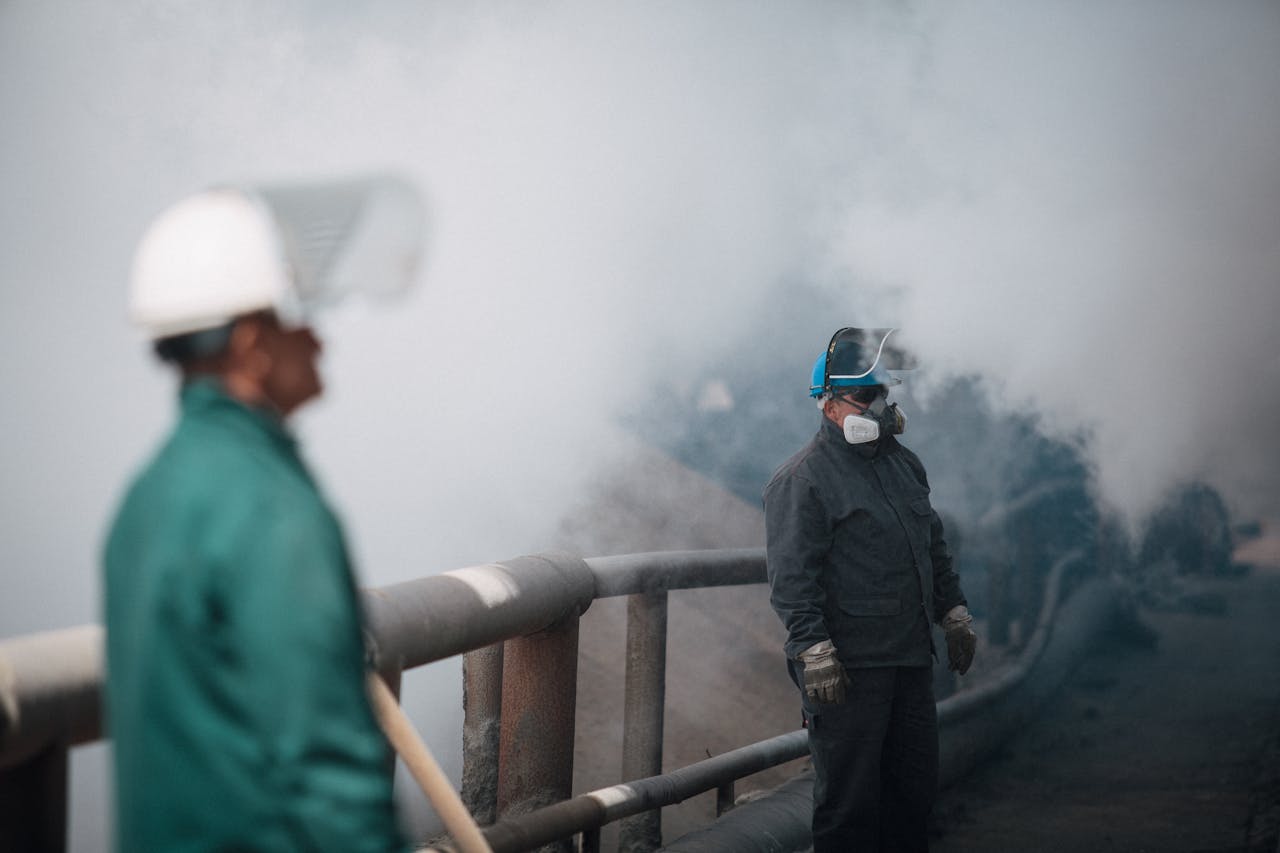
Most workplaces seem harmless until disaster strikes. The Longview mill proved that even familiar spaces can hide dangerous risks that creep up silently. Employees often walk past warning signs without realizing they are stepping closer to danger.
Safety should never be assumed, yet many workers depend on protocols that might be outdated or ignored. Training and vigilance are essential, but even those measures cannot prevent every hazard if management does not prioritize them. It is a reminder to ask hard questions about the spaces we occupy every day.
Daily routines can mask hidden dangers. Machines, chemicals, and structural weaknesses become invisible in the hum of ordinary work life. We often think accidents are rare, but the Longview tragedy shows how quickly things can spiral.
Poor Oversight Can Cost Lives
How closely was anyone watching before the collapse? In high-risk industries, a small lapse in oversight can snowball into catastrophic consequences. Accountability gaps often remain invisible until it is far too late.
Regulations are only as strong as the people enforcing them. Ignoring safety checks or cutting corners for efficiency creates a ticking time bomb. The Longview mill incident serves as a grim reminder that oversight is not optional.
Sometimes, responsibility is spread too thin. Multiple layers of management can dilute accountability, leaving critical risks unaddressed. A single failure at the top can translate into life-or-death situations on the ground.
Emergency Preparedness Is Often an Illusion
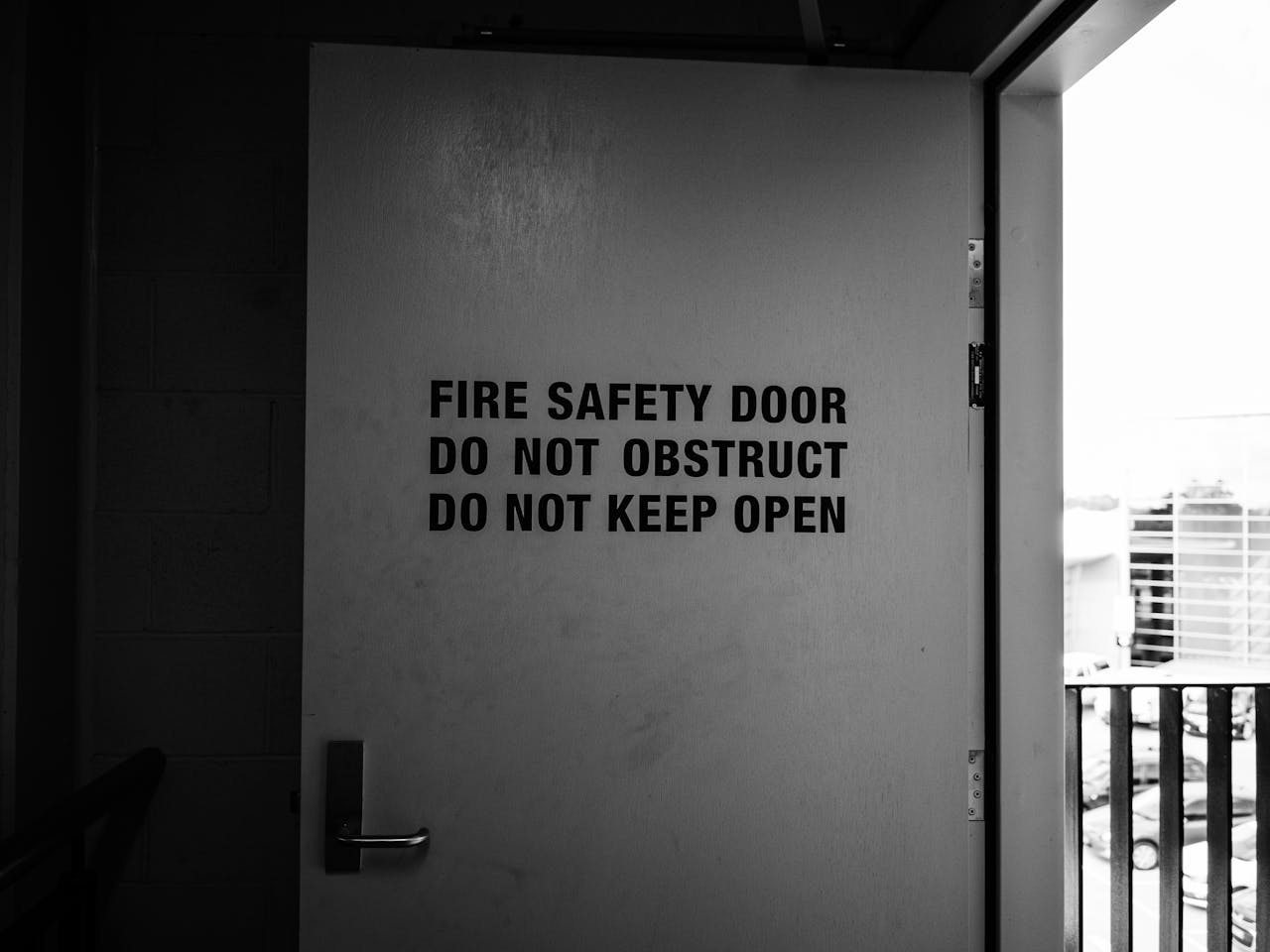
Would workers have survived if evacuation plans were flawless? Many facilities assume emergencies are unlikely and underprepare for the worst. The reality is that a real crisis tests every weakness at once.
Drills and protocols are meaningless if they are not regularly practiced. People need clear guidance and rehearsed responses to react instinctively. The Longview tragedy highlights how life-saving measures can fall short when left untested.
Unexpected situations reveal gaps in planning. Equipment failure, confusion, and panic compound each other in moments of extreme stress. It makes you wonder how many workplaces are really ready for the worst-case scenario.
Risky Culture Normalizes Danger
Some workplaces develop a culture that quietly encourages risk-taking. Pressure to meet deadlines or targets can overshadow safety concerns. Over time, employees learn to accept hazards as part of the job.
The Longview mill collapse shows how deadly a complacent culture can be. Management attitudes trickle down, making risky behavior seem normal or even necessary. A cultural shift is often more important than equipment upgrades in preventing tragedies.
Workers often feel trapped between safety and job security. Speaking up can be risky in industries where complaining is frowned upon. This tension fuels hazardous environments that no one addresses until disaster strikes.
Maintenance Failures Create Silent Threats
When was the last time the machinery was truly checked? Deferred maintenance and ignored repairs quietly increase the odds of accidents. The Longview mill implosion underscores how neglected equipment can turn everyday tasks into deadly encounters.
Even the smallest oversight can escalate quickly. Rust, stress fractures, and worn components become critical hazards when left untreated. The lesson is clear: consistent maintenance saves lives, plain and simple.
Preventive care is more than routine; it is survival. Scheduled inspections should not be optional or perfunctory. Every unchecked flaw is a potential disaster waiting to happen.
Communication Breakdowns Amplify Crises

In emergencies, miscommunication can be fatal. The Longview incident demonstrated how quickly confusion spreads when messages are unclear. Without clear channels, even trained workers may make fatal mistakes.
Signals, alarms, and warnings are worthless if nobody understands them. Clear, repeated communication is essential for survival in hazardous situations. Crisis management depends on everyone knowing exactly what to do in split seconds.
Information delays have cascading effects. Even small missteps in relaying data can create confusion, panic, and hesitation. This implosion reminds us that communication is as vital as any safety equipment.
Overconfidence Masks Real Dangers
Experience can be a double-edged sword. Workers and managers alike sometimes assume familiarity equals safety. The Longview mill collapse is a harsh reminder that overconfidence can blind people to serious risks.
Routine breeds complacency. Tasks repeated for years may seem harmless, but hide deadly potential. Assuming things are safe because they always have been is a mistake we cannot afford.
Ignorance is not always a lack of knowledge; it can be an illusion of mastery. Thinking you can predict or control everything at work sets the stage for disaster. Tragedy often follows this dangerous mindset.
Regulatory Loopholes Leave Gaps
Are rules always enough to protect workers? Legal requirements vary and often leave gaps in safety coverage. The Longview disaster exposes how even regulated industries can harbor hazards if rules are incomplete.
Compliance does not equal safety. Meeting minimum standards is not the same as actively ensuring a secure environment. The event teaches that laws are only one piece of the safety puzzle.
Authorities cannot constantly monitor every detail. Enforcement limits and oversight gaps allow hazards to persist unnoticed. It reminds us to question whether regulations alone can prevent catastrophe.
Community Impact Is Devastating
Losses like this ripple far beyond the site. Families, neighbors, and co-workers face emotional and financial strain that lasts for years. The Longview mill incident reveals how workplace tragedies shake entire communities.
Grief, anxiety, and distrust become part of daily life. Local economies and social structures struggle to absorb sudden tragedies. It highlights why safety is not just a workplace issue but a societal concern.
These incidents remind us that every preventable accident has consequences beyond the immediate victims. Emotional and economic scars persist, shaping neighborhoods and families. This story forces us to consider the real cost of unsafe workplaces.
Lessons for Everyday Life
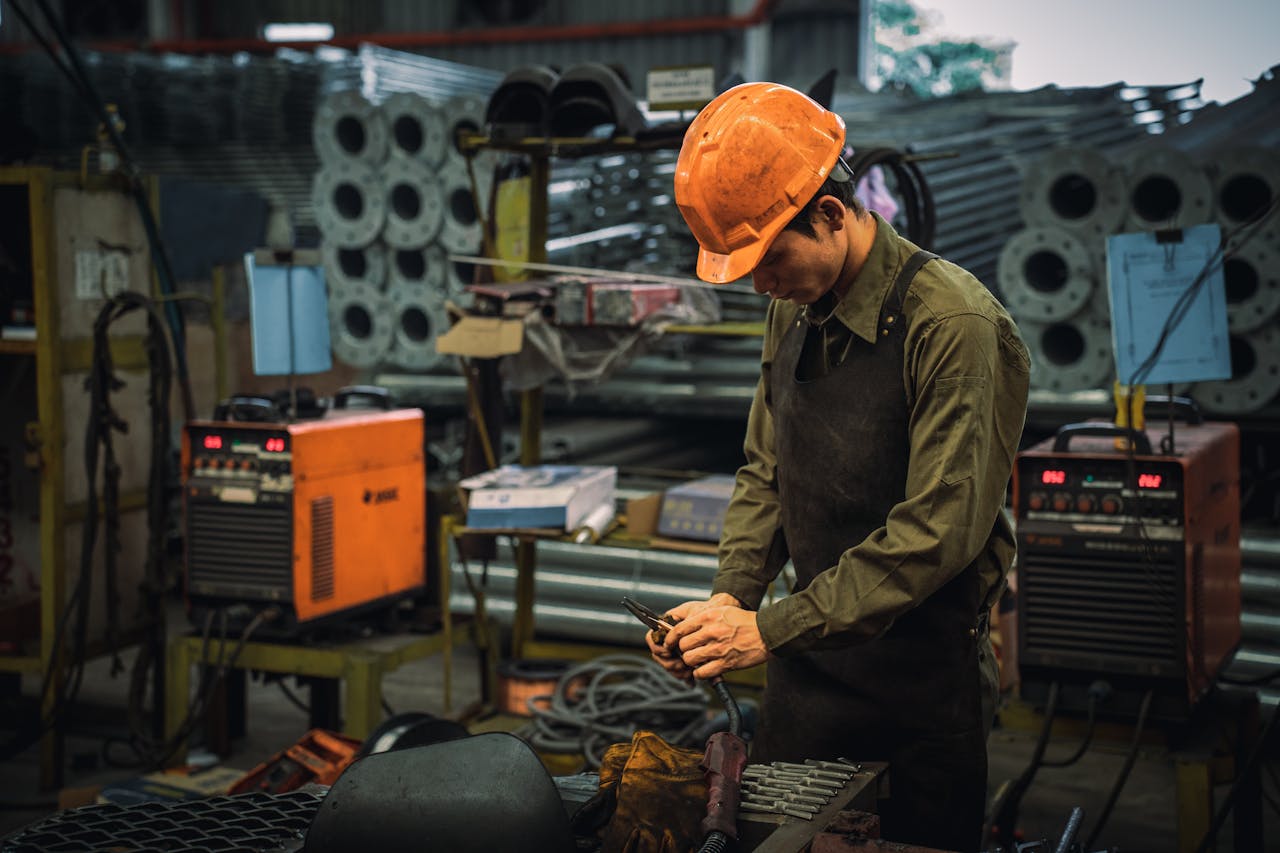
How often do we ignore small risks in our daily routines? The mill collapse serves as a wake-up call to be vigilant everywhere. From commuting to home projects, hazards are everywhere.
Awareness and proactive measures save lives. Checking, questioning, and preparing can prevent accidents that seem unlikely. The Longview tragedy encourages everyone to rethink workplace safety.
Life is unpredictable, and disasters strike when least expected. The implosion urges a culture of mindfulness and care for self and others. Taking small steps can make a major difference in preventing harm.
Conclusion
The Longview mill implosion that left 11 workers dead is a brutal lesson in hidden hazards, overconfidence, poor oversight, and broken communication. It reminds us that workplace culture, maintenance, and preparedness are not trivial matters. From regulatory gaps to emotional impact on communities, these lessons extend beyond industrial sites and into our daily lives. Ignoring safety and vigilance is a gamble we cannot afford.
By reflecting on these ten alarming lessons, we are reminded to question assumptions, prioritize care, and act before tragedy strikes. Every workplace, home, and community can take cues from this disaster to prevent future heartbreak. The implosion is a harsh call to wake up, stay aware, and never take safety for granted.