For many American households, the problem is not one huge purchase. It is the pileup. Housing and transportation alone took more than half of average U.S. household spending in 2024, with total annual household expenditures averaging $78,535, or about $6,545 per month.
That means a “reward” purchase does not land in an empty budget. It lands on top of groceries, healthcare, debt payments, insurance, child costs, and emergency savings.
The smartest middle class families are not the ones who avoid every comfort. They are the ones who understand the difference between a purchase that improves daily life and a purchase that quietly becomes a second job. Below are 14 middle class purchases that often look impressive from the outside but can become expensive, stressful, and surprisingly hard to escape.
Oversized Homes That Make Families House Poor

A larger home can feel like the clearest middle class upgrade. More bedrooms, a bigger kitchen, a finished basement, and a nicer neighborhood all carry emotional weight, especially for families who spent years dreaming about more space. The trouble begins when the mortgage is only the opening act.
Homeowners with a mortgage saw median monthly owner costs rise to $2,035 in 2024, up from $1,960 in inflation-adjusted 2023 dollars, based on U.S. Census Bureau data. That figure still does not fully capture the burden of a larger property.
Bigger homes often mean higher utility bills, higher property taxes, more furniture, more cleaning, more repairs, more landscaping, and more rooms that slowly fill with things we never planned to buy.
The danger is lifestyle inflation disguised as stability. We may believe the house is an investment, but the monthly pressure can make every other goal harder. A home should support family life, not swallow vacations, retirement contributions, emergency savings, and peace of mind.
Luxury Cars and Giant Trucks With Brutal Monthly Costs
A new SUV, luxury sedan, or oversized pickup can make a driveway look successful overnight. It can also lock a household into years of high payments, expensive insurance, premium repairs, registration fees, tires, and fuel. The emotional appeal is immediate, but the financial drag can last long after the new-car smell disappears.
The U.S. auto debt picture shows why this matters. Auto loan balances reached about $1.66 trillion in the fourth quarter of 2025, according to the Federal Reserve Bank of New York. AAA also estimated that owning and operating a new vehicle costs $11,577 per year in 2025, or about $965 per month.
That is before a family adds parking, tolls, detailing, accessories, or the higher repair bills that often come with luxury brands.
The smartest question is not “Can we afford the payment?” It is “Can we afford the full ownership cycle?” A vehicle is useful when it protects mobility and income. It becomes a burden when it exists mainly to impress strangers at stoplights.
Boats That Spend More Time Billing Than Floating
A boat sells a beautiful fantasy. We picture weekends on the lake, sunset rides, coolers packed with food, and family memories that feel impossible to price. Then ownership introduces marina fees, winterization, maintenance, repairs, fuel, insurance, cleaning, trailers, storage, safety gear, and the constant worry that something expensive will break.
Boats can be especially painful because their best moments are seasonal. Many owners use them far less than expected, especially when weather, work schedules, kids’ activities, and maintenance problems get in the way. The result is a luxury item that sits still while the bills keep moving.
For many households, renting a boat a few times a year delivers nearly the same joy with far less stress. Ownership only makes sense when the boat is used often, maintained properly, and paid for without crowding out core financial goals. Otherwise, the better middle-class flex is having a friend with a boat.
Campers and RVs That Turn Road Trips Into Repair Projects
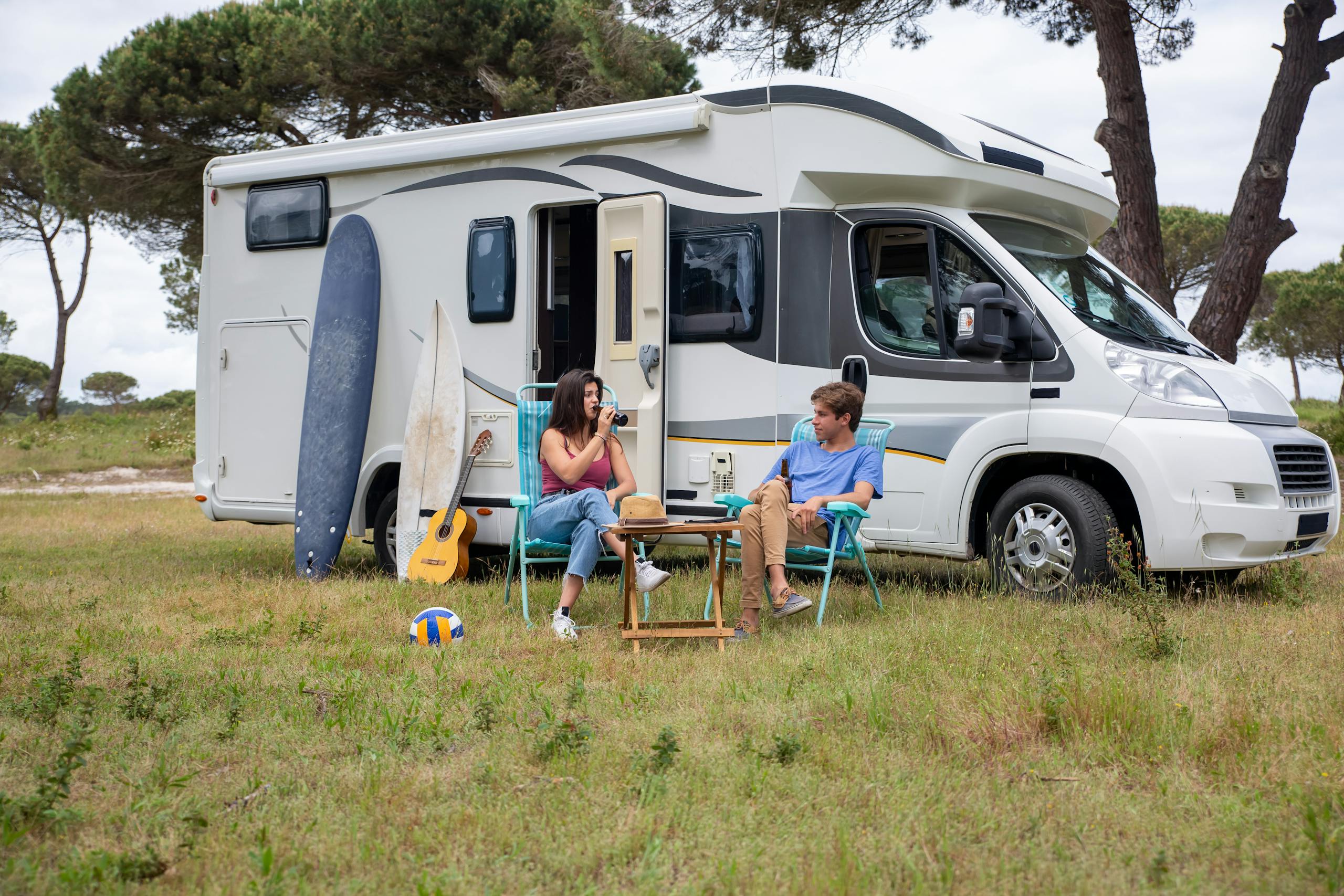
RVs and campers promise freedom. We imagine pulling into national parks, waking up beside pine trees, and saving money on hotels.
That dream can be real, but it often arrives with storage fees, insurance, maintenance, campground costs, repairs, tires, towing equipment, fuel, and sometimes the need for a more powerful vehicle.
The hidden cost is not just money. RV ownership demands planning, cleaning, parking, loading, dumping tanks, winterizing, and fixing things that shake loose on the road. Even families who love camping can underestimate how much work sits behind every “easy” weekend getaway.
The purchase becomes most dangerous when we buy for identity rather than for the routine. If a family only camps once or twice a year, renting is usually cleaner, cheaper, and less stressful. The open road is wonderful, but it does not need to come with a permanent monthly bill.
Vacation Homes That Become a Second Household
A lake house, cabin, beach condo, or mountain retreat can look like the ultimate reward for years of hard work. It promises escape, family tradition, and a place that is always waiting. Then the second property starts acting like a second full-time responsibility.
The costs do not stop at the mortgage. Vacation homes bring property taxes, insurance, utilities, repairs, storm damage, pest control, lawn care, security, HOA fees, cleaning, furnishings, travel costs, and emergency calls from neighbors or property managers. If the property sits far away, every small problem becomes more expensive because someone else must handle it.
The emotional burden can be just as real. Owners may feel pressured to spend every holiday there because they need to justify the purchase. A place meant to create freedom can quietly reduce it, turning travel into an obligation and relaxation into maintenance.
Travel Sports for Kids That Drain Weekends and Savings
Youth sports can build discipline, teamwork, confidence, and lifelong memories. The financial trouble starts when recreational activity turns into a travel calendar with hotel blocks, tournament fees, private coaching, specialty equipment, uniforms, flights, gas, meals, and missed workdays. Parents often say yes because they want to support their children, but the commitment can become enormous.
The pressure can be subtle. One tournament becomes a season. One season becomes private lessons. One private coach becomes an elite camp. Families may start spending thousands because every other parent seems to be doing the same thing, and nobody wants to feel like the one holding their child back.
We should support kids’ interests without letting one activity take command of the household budget. A child can love a sport deeply without the family living every weekend in hotel lobbies and highway rest stops. The best investment is often balance, not constant escalation.
Expensive Weddings That Start Marriage With Financial Stress

A wedding is emotional, public, and deeply personal, which is exactly why it can become financially dangerous. Couples do not just buy a ceremony. They often buy a venue, catering, photography, flowers, attire, entertainment, transportation, favors, pre-wedding events, guest experiences, and a honeymoon. Every decision can feel symbolic, which makes restraint harder.
The average U.S. wedding cost for couples married in 2025 was about $34,000, with spending averaging $292 per guest, according to The Knot Worldwide’s 2026 Real Weddings Study. That figure can rise sharply in expensive metros, destination settings, or large family networks. A single day can quietly compete with a down payment, an emergency fund, a debt payoff plan, or a first-year household setup.
A beautiful wedding does not have to become a financial bruise. The stronger move is choosing meaning over performance. When we remove the need to impress every guest, the celebration becomes lighter, smarter, and often more memorable.
Timeshares That Are Easy to Buy and Hard to Escape
Timeshares often sound practical during the sales pitch. A guaranteed vacation spot, resort amenities, predictable travel, and a sense of ownership can feel appealing. The problem is that the ongoing costs rarely stay as exciting as the presentation.
Annual maintenance fees averaged $1,480 in 2024, and those costs can continue indefinitely for deeded timeshares, according to Rocket Mortgage. Owners may also face special assessments, exchange fees, booking limits, rising dues, financing charges, and limited resale demand.
The purchase can become especially frustrating when families no longer want to visit the same location or struggle to use the dates they paid for.
A vacation should feel flexible, not contractual. For many households, saving cash for hotels, rentals, or occasional resort stays delivers more freedom and fewer headaches. The best travel plan is one we can change without needing an exit company.
Conclusion
Middle class purchases become burdens when they are bought for the life we imagine rather than the life we actually live. A boat needs weekends. A large home needs maintenance. A luxury car needs cash flow. A club membership needs time. A pet needs years of care. None of these purchases is automatically foolish, but each one becomes risky when the hidden costs are ignored.
The strongest financial move is not looking rich. It is staying flexible, calm, and prepared. Real success is having enough breathing room to handle emergencies, help family, enjoy life, and sleep without a stack of luxury bills waiting in the background.