A visitor from overseas walks into an American grocery store and stops in front of the cereal aisle, as if they had entered a candy museum with nutrition labels.
There are rainbow colors, marshmallow shapes, chocolate pieces, cartoon mascots, family-size boxes, and promises that somehow make dessert sound like breakfast. To many Americans, it is normal. To many outsiders, it can look like a sugar rush wearing a school backpack.
That is the strange power of American food culture. The foods Americans eat often carry memories of childhood, road trips, ballgames, county fairs, diners, school lunches, and late-night cravings. They can feel comfortable at home because they are tied to family routines and national habits.
Yet the same foods can look confusing abroad because they seem too sweet, too processed, too big, or too casual about things other cultures treat with more restraint.
This is not about pretending every other country eats perfectly. Every culture has strange snacks, guilty pleasures, and dishes that make outsiders blink twice. The difference is that American food is exported, filmed, branded, supersized, and defended with unusual confidence. That makes the weirdness more visible.
These foods Americans eat confuse people overseas because they reveal more than taste. They reveal convenience, nostalgia, abundance, marketing, waste, and the pressure to make everything bigger, sweeter, faster, or easier. Sometimes the question is not whether the food tastes good. The question is: why did Americans make it normal in the first place?
Peanut Butter and Jelly Sandwiches
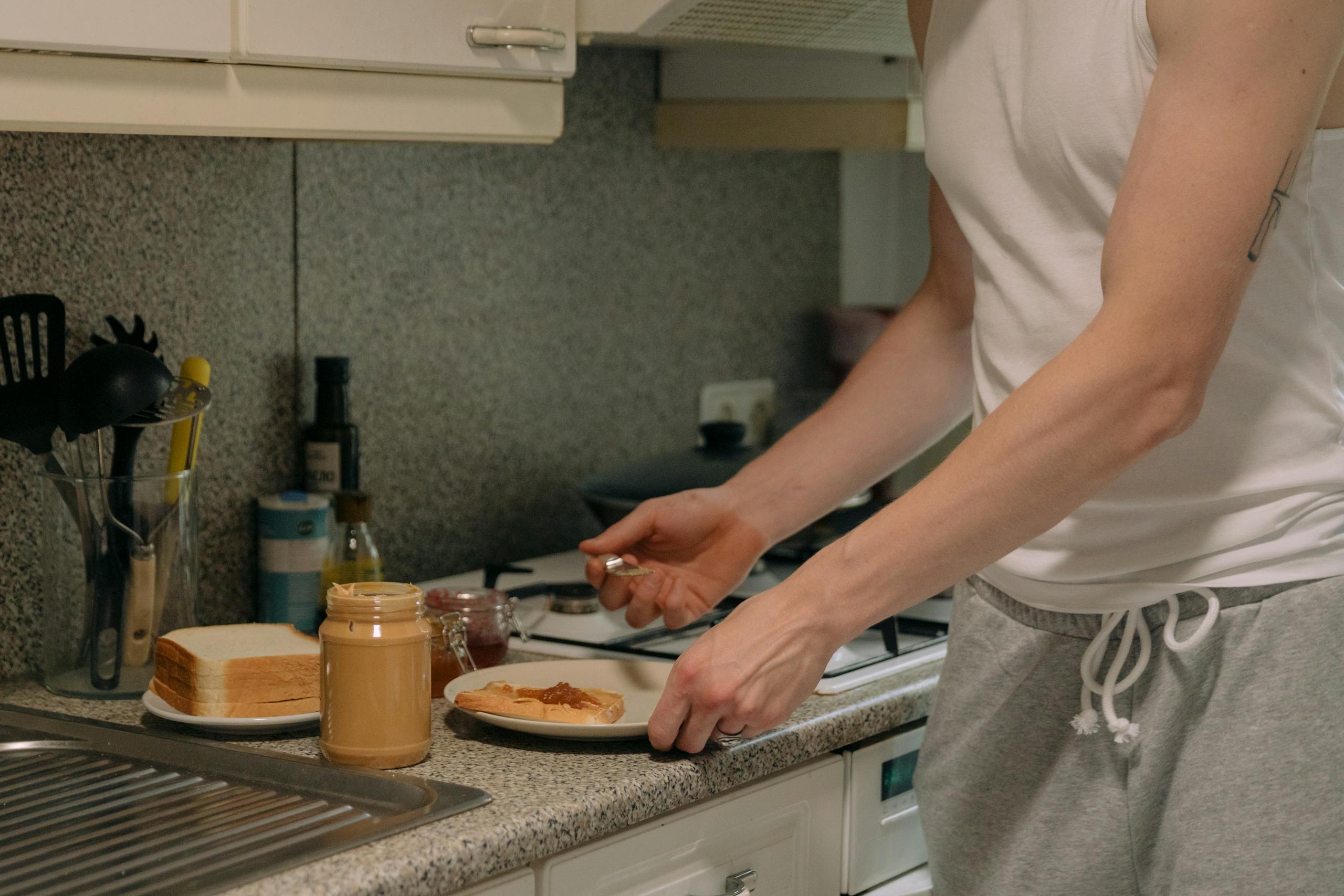
For many Americans, a peanut butter and jelly sandwich tastes like childhood. It is cheap, fast, soft, sweet, salty, and easy enough for a tired parent to make before school. People grow up with it in lunchboxes, daycare bags, dorm rooms, and quick kitchen-table dinners. The combination feels so familiar that many Americans forget how odd it can sound elsewhere.
To outsiders, the confusion often starts with the sweetness. Peanut butter can already feel heavy, and adding grape jelly or strawberry jam makes the sandwich look more like dessert than lunch. Some people love it once they try it, but others cannot get past the idea of sticky fruit spread and nut paste pressed between soft bread. America hears comfort food, while many visitors see a sugar-salt puzzle.
Sugary Breakfast Cereals
American breakfast cereal can shock people who expect the first meal of the day to feel simple or savory. Bright colors, frosting, chocolate, marshmallows, cinnamon swirls, and cartoon characters make the cereal aisle feel as if it were designed for children with Saturday-morning energy.
Many Americans defend it as a quick breakfast, a childhood favorite, or an occasional treat. Still, outsiders often wonder why something so sweet is treated as a normal morning meal.
The concern is not only cultural taste. U.S. guidance says added sugars should stay below 10 percent of daily calories for people age 2 and older, a point made in the added sugar limits. That makes sugary cereal a strange symbol of American convenience. It can be fast, cheap, and nostalgic, but it also shows how easily dessert-like foods can slide into everyday routines.
Spray Cheese and Processed Cheese Slices
Spray cheese is one of those American foods that makes people overseas pause before they even taste it. Cheese coming out of a can sounds like a joke to cultures where cheese is tied to farms, aging, craft, regional pride, and careful preparation.
Processed cheese slices can trigger a similar reaction because they melt perfectly, but often look far removed from traditional cheese. Americans may see convenience, but outsiders often see food engineering.
The appeal is easy to understand if you grew up with crackers, burgers, grilled cheese, nachos, school lunches, or road-trip snacks. Processed cheese is predictable, cheap, and built to melt without drama. The confusion stems from how comfortable
Americans are with foods that feel highly manufactured. In a country where speed often beats ceremony, cheese can become something squeezed, stacked, wrapped, and served in seconds.
Sweet Potato Casserole With Marshmallows
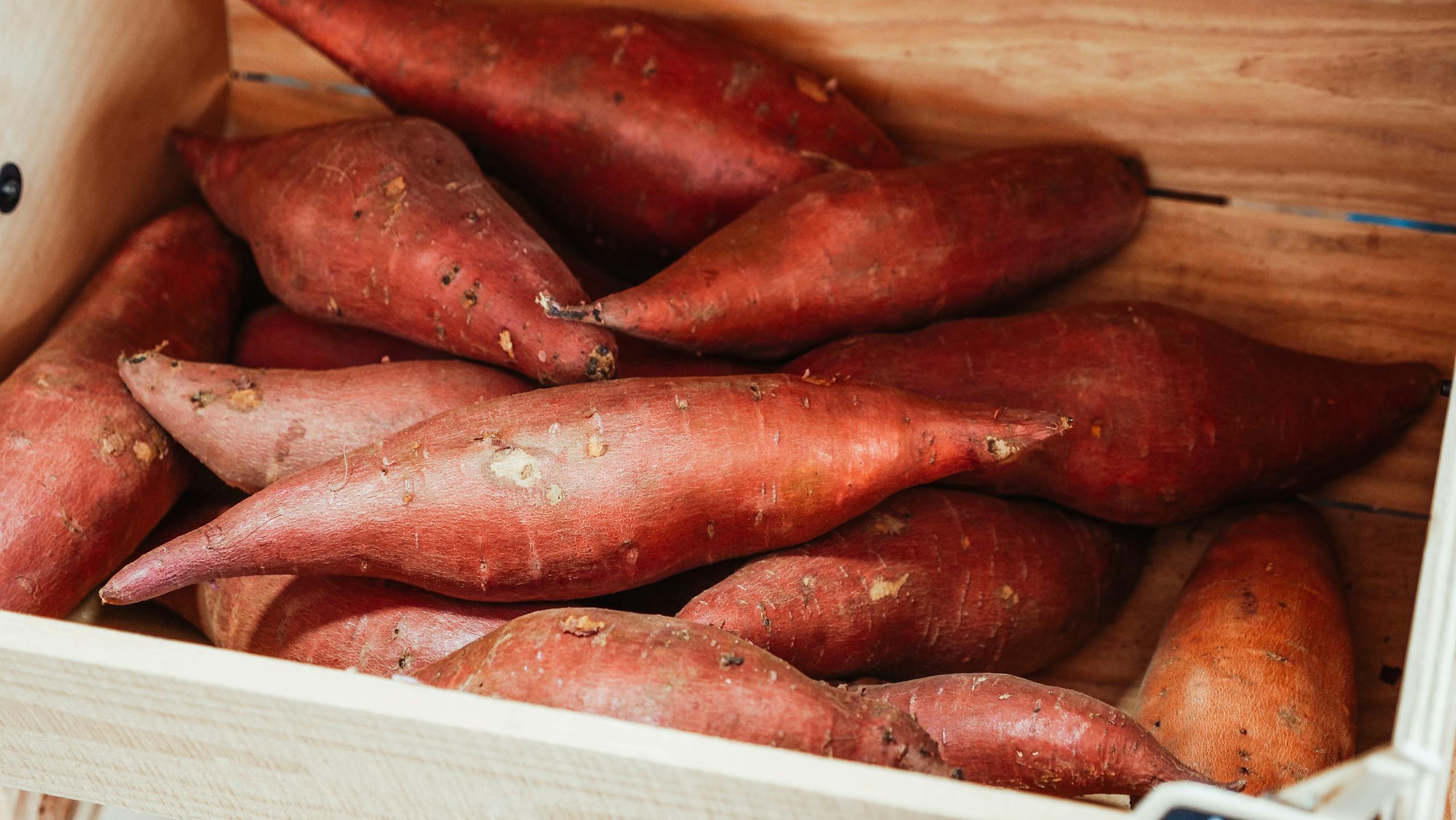
Sweet potatoes are already sweet, which is why the marshmallow topping shocks many people overseas. In American holiday kitchens, the dish can feel warm, nostalgic, and tied to Thanksgiving tables filled with family noise. Brown sugar, butter, cinnamon, pecans, and toasted marshmallows turn it into something soft and glowing. Many Americans see it as a tradition, not a dessert pretending to be a side dish.
Outsiders often struggle with where to place it on the plate. Is it a vegetable, candy, dessert, or childhood memory? That confusion says a lot about American holiday food, where comfort can matter more than category. The dish may taste good, but it also shows how American meals can blur the line between savory and sweet until the vegetable arrives wearing marshmallows.
Corn Dogs
A corn dog feels perfectly normal at a county fair, baseball game, boardwalk, school cafeteria, or amusement park. It is a hot dog dipped in cornmeal batter, fried, and served on a stick, usually eaten while walking. For Americans, the stick is part of the fun. The food feels casual, portable, and almost designed for noisy places where nobody wants a knife and fork.
People overseas can find the whole idea confusing. A sausage wrapped in sweetish batter and eaten like a popsicle does not fit every country’s idea of lunch. The food also reflects America’s love of convenience and novelty. If a meal can be fried, held in one hand, and eaten without sitting down, American culture will probably find a way to sell it at a fair.
Giant Sodas and Bottomless Refills
The drink itself may not confuse people as much as the size. American sodas can arrive in cups so large they look like a commitment. Add ice, free refills, drive-thru sizing, and combo meals, and the whole experience can seem excessive to visitors from places where drinks are smaller and refills are not automatic. Americans may see value, while outsiders see abundance bordering on absurd.
Sugary drinks are also a health concern, not just a cultural quirk. U.S. adults consumed an average of 145 calories per day from sugar-sweetened beverages from 2021 to 2023, according to sugary beverage calories. That explains why the giant drink culture can look troubling abroad. The cup may seem harmless, but it says a lot about portion size and how value is often measured by volume.
Leftovers Packed Into To-Go Boxes

Many Americans see a to-go box as common sense. If you paid for the meal, why leave food behind? Restaurant portions can be large, and taking leftovers home can feel practical, budget-friendly, and less wasteful. Families, college students, workers, and retirees all know the quiet satisfaction of tomorrow’s lunch already waiting in the fridge.
Some people overseas find it awkward because not every dining culture treats leftovers the same way. In places where portions are smaller or eating out is more formal, asking to take food home may feel unusual.
Still, America’s habit makes more sense when you consider that 30 to 40 percent of the U.S. food supply is estimated to be wasted, based on food waste estimates. The confusing part is that America can serve too much food, then rely on boxes to make the excess feel practical.
Deep-Fried Fair Foods
Deep-fried Oreos, Twinkies, pickles, butter, candy bars, cheesecake, and even soda-flavored creations can make people overseas wonder if American fairs are testing the limits of common sense. These foods are not everyday dinner for most people, but they are visible parts of the American food spectacle. They are built to shock, tempt, and make people laugh before they take a bite. That is exactly why they travel so well online.
The concern is not that one fair snack ruins anyone’s health. The bigger issue is how easily American food culture turns indulgence into entertainment. Research on ultra-processed diets found that people ate more calories and gained weight when consuming heavily processed foods compared with unprocessed foods.
Fried fair food belongs to the world of occasional treats, but outsiders often see it as America’s loudest food instinct: take something sweet, fry it, and dare people to act surprised.
Conclusion

The foods Americans eat can confuse people overseas because they often carry a mix of comfort and contradiction. Peanut butter and jelly feel sweet enough to be dessert, but live in lunchboxes.
Cereal looks like candy but sits at breakfast. Spray cheese, giant sodas, corn dogs, and deep-fried fair snacks all show how American food can turn convenience, nostalgia, and excess into normal life.
That does not mean Americans should be ashamed of every strange food on the table. Food is memory, culture, marketing, family habit, and regional pride all at once. The problem starts when people refuse to admit how unusual some American favorites look from the outside. A dish can be beloved and still be strange.
Maybe that is the real reason these foods Americans eat get such strong reactions. They are not just meals or snacks. There are a few edible clues about a country that loves speed, sweetness, size, comfort, and spectacle. Which American food would be hardest to explain to someone from another country?