A toxic relationship rarely begins with obvious damage. It often starts with charm, attention, emotional intensity, and promises that sound comforting at first. Then, slowly, the relationship begins to shrink your confidence, your peace, your friendships, and your sense of self.
We can mistake control for care, jealousy for passion, and constant checking in for devotion. That confusion is exactly why toxic relationship signs can feel so difficult to name in real time. The warning signs usually appear in patterns, not isolated bad moments.
They Try to Control Who You Spend Time With

One of the clearest signs of a toxic relationship is a partner who slowly separates you from your friends, family, or support system. They may complain every time you make plans without them, act hurt when you want personal space, or make you feel guilty for enjoying life outside the relationship.
Healthy love gives both people room to breathe. Toxic love turns closeness into ownership. Once your partner becomes the center of your entire emotional world, it becomes harder to see the relationship clearly.
You Feel Drained After Being Around Them

rawpixel/123rf
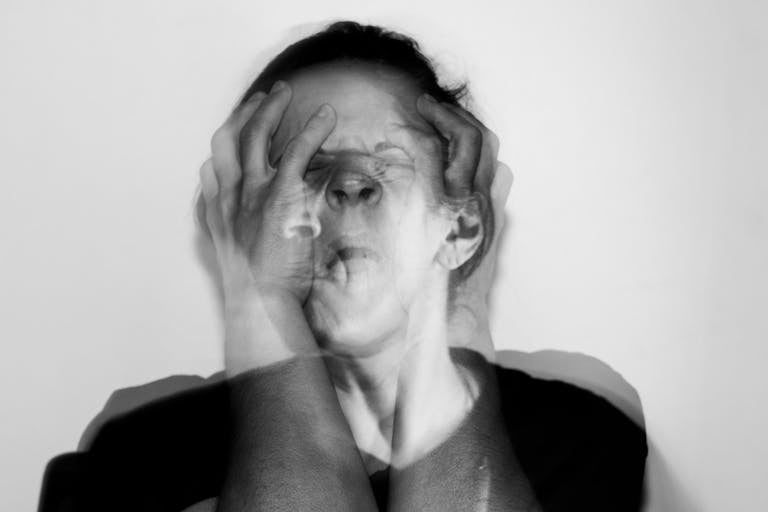
A healthy relationship may face stress, conflict, and hard conversations, but it should not leave you constantly exhausted. If you feel anxious before seeing your partner, tense during conversations, or emotionally empty afterward, your body may be warning you before your mind accepts the truth.
Toxic relationships often create a cycle of emotional pressure. One day feels sweet, the next feels punishing, and your nervous system never fully relaxes. Over time, that emotional uncertainty can affect your sleep, appetite, focus, and confidence.
They Criticize Your Character Instead of Discussing Problems
Every couple disagrees, but toxic criticism attacks who you are instead of addressing what happened. A partner may call you too sensitive, selfish, dramatic, lazy, weak, or impossible to love. These words do more than hurt your feelings; they slowly rewrite how you see yourself.
Healthy correction focuses on behavior. Toxic criticism targets identity. When every mistake becomes proof that something is wrong with you, the relationship has moved from conflict into emotional damage.
They Use Constant Texting as a Form of Control
Checking in can be sweet when it comes from care. It becomes toxic when your partner expects instant replies, demands proof of your location, questions your silence, or treats your phone like a tracking device. Love should not feel like surveillance.
This kind of control often hides behind concern. They may say they worry because they love you, but real trust does not require constant monitoring. When communication becomes a leash, the relationship is no longer emotionally safe.
They Interrupt, Ignore, or Punish You With Silence

A toxic partner may interrupt you during serious conversations, talk over your feelings, or dismiss your concerns before you finish speaking. On the other side, they may shut down completely and use silence as punishment. Both behaviors send the same message: your voice does not matter.
Healthy communication requires respect, even during disagreement. Silence can be useful when both people need time to cool down, but it becomes toxic when it is used to control, punish, or make you beg for connection.
You Apologize Constantly Without Knowing What You Did
If you always feel guilty, even when you cannot explain why, the relationship may be training you to take responsibility for everything. Toxic partners often shift blame, twist conversations, and make their emotions your burden. Their anger becomes your fault. Their insecurity becomes your job.
This pattern can make you apologize just to restore peace. The danger is that peace becomes more important than truth. Over time, you stop asking whether you were wrong and start asking how quickly you can make the tension disappear.
They Treat You Like a Project to Fix
A partner who loves you should support your growth, not redesign your personality. If they constantly pressure you to change your looks, career, habits, clothes, friends, or dreams to fit their ideal version of you, that is not love. It is controlled by wearing a polished mask.
Healthy relationships encourage growth from the inside. Toxic relationships demand performance from the outside. You should never have to become smaller, quieter, prettier, richer, or more convenient to deserve respect.
Every Ex Is Described as the Problem
A partner who describes every former partner as crazy, unstable, jealous, bitter, or impossible may be avoiding accountability. One difficult past relationship is believable. A long history where everyone else is always the villain deserves closer attention.
This does not mean every complaint is false. It means patterns matter. If someone never takes responsibility for past conflicts, they may eventually place you in the same story.
Their Obsession Feels Romantic at First
Toxic relationships often begin with intense attention. Constant compliments, rapid emotional promises, expensive gifts, possessive language, and dramatic declarations can feel flattering at first. But obsession is not the same as intimacy.
Real love grows with trust, patience, and respect for boundaries. Obsession wants access, control, and reassurance. If someone pushes too fast, needs constant proof of love, or cannot tolerate your independence, the romance may be hiding something unhealthy.
Lies Keep Showing Up in Small Places
Big lies damage trust, but small repeated lies can be just as dangerous. A partner who lies about minor details, denies things they clearly said, or changes stories when confronted may make you question your memory and judgment.
Trust cannot survive constant distortion. Once you start keeping evidence, rereading messages, or rehearsing conversations to prove what happened, the relationship has entered dangerous emotional territory.
Your Loved Ones Keep Warning You
Friends and family may see the relationship more clearly because they are not inside the emotional fog. If people who genuinely care about you keep expressing concern, pay attention. They may notice changes in your mood, confidence, appearance, or social life before you do.
This does not mean outsiders should control your relationship. It means concern from trusted people deserves reflection. When you feel the need to constantly defend your partner, hide painful moments, or edit the truth, something deeper may be wrong.
The Bad Moments Outweigh the Good Ones
A toxic relationship is not always terrible every day. That is why leaving can feel confusing. There may be beautiful memories, tender apologies, shared dreams, and moments that make you believe things will finally change.
The real question is not whether good moments exist. The question is whether they are strong enough to balance the fear, confusion, criticism, control, and emotional exhaustion. If the relationship costs you your peace more often than it gives you safety, the pattern matters more than the promise.
Conclusion
A toxic relationship can make love feel like a test you keep failing. It can turn affection into anxiety, communication into conflict, and closeness into control. The most painful part is that the damage often grows slowly, which makes it easy to explain away.