A true crime show starts playing after dinner, and suddenly the living room feels like a detective squad room. Someone pauses the episode, someone swears they “knew it,” and someone else starts talking like every killer leaves behind a perfect pattern.
America has a complicated relationship with serial killer stories. People binge documentaries, debate cases online, share theories in comment sections, and sometimes forget that real victims and families are not plot twists.
These myths do not just make stories more dramatic. They can make people misunderstand violence, miss warning signs, blame the wrong people, or expect investigations to work like television.
The truth is usually less cinematic and more unsettling. Serial killers are not always brilliant, obvious, identical, or easy to spot. That is exactly why the myths need to go.
Serial Killer Myths Make Them Seem Like Evil Geniuses
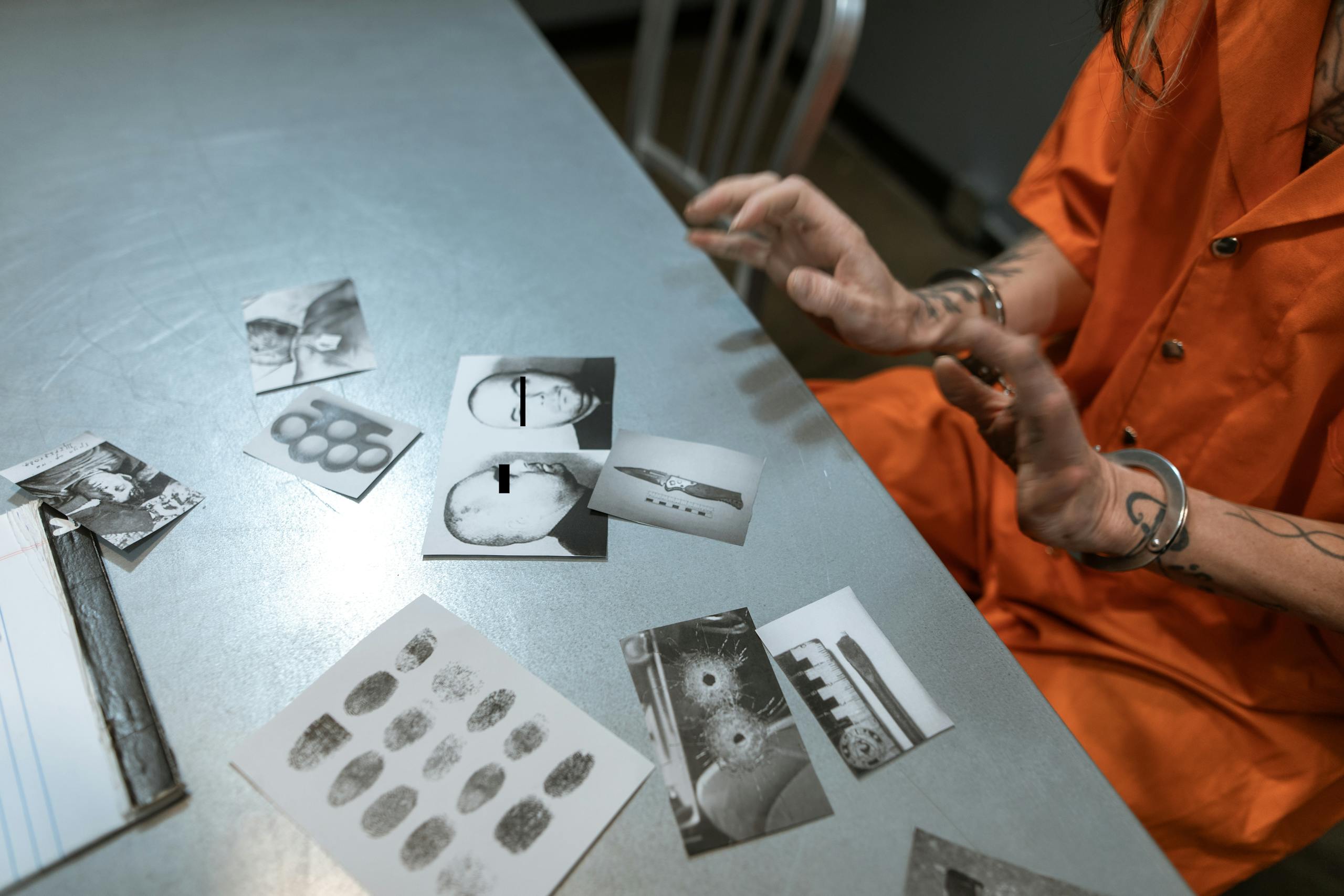
The genius myth is one of the most stubborn ideas in true crime. Movies and documentaries often frame serial killers as master planners who outthink everyone around them.
In real cases, offenders may make mistakes, act impulsively, choose vulnerable victims, benefit from gaps in reporting, or avoid detection because cases are not connected quickly. The danger of the “evil genius” myth is that it gives killers too much credit and systems too little scrutiny.
The Myth That They All Look the Same
Many people still picture a serial killer as one specific type: a white man, probably quiet, probably strange, probably living alone. That image is too narrow to be useful.
Official training materials warn against those assumptions, noting that popular myths often portray serial murderers as white male evil geniuses who travel widely and kill for sexual reasons. Real cases show more variety in age, race, background, and life situation than the stereotype suggests, which is why serial murder myths can mislead the public.
The Myth That Every Serial Killer Is a Stranger in the Shadows
The stranger danger image is powerful because it feels simple. People imagine a lurking figure outside a parking garage, a lonely road, or a dark alley.
That image can be dangerously incomplete. Some offenders know their victims through work, family, healthcare, caregiving, romance, neighborhoods, or social circles. Fear should not focus only on strangers when manipulation, access, and trust can also create danger.
The Myth That Motive Is Always Sexual

Sexual motive appears in many serial murder discussions, but it is not the only possible driver. Anger, control, thrill, attention, profit, convenience, resentment, and other motives can also appear.
This matters because narrow assumptions can blind people. If investigators, families, or the public expect only one kind of motive, they may miss cases where victims are targeted for money, vulnerability, proximity, or opportunity. The truth is broader and colder than one storyline.
The Myth That Profiling Solves Everything
Criminal profiling can support an investigation, but it is not a magic key. Television often makes it look like a profiler walks into a room, reads the scene, names the killer’s personality, and points police in the right direction by sunset.
Real investigations need evidence, witnesses, timelines, lab work, records, interviews, databases, and patient follow-up. Expert discussions of serial murder investigations show that these cases require many disciplines working together, not one dramatic hunch.
The Myth That Serial Killers Are Always Social Outcasts
Some killers do seem isolated, awkward, or visibly troubled. Others blend into daily life well enough to keep jobs, relationships, families, church roles, military records, volunteer positions, or friendly reputations.
That is why “they seemed normal” appears so often after arrests. Normal appearance is not proof of safety. Many harmful people survive socially because they understand how to perform ordinary behavior when others are watching.
The Myth That Women Cannot Be Serial Killers

Female serial killers are less common, but they are not imaginary. The myth persists because many people associate repeated murder with male violence, physical force, or predatory stranger attacks.
Research databases and criminology discussions have long documented female serial killers, often with patterns that differ from the popular image. Public materials on serial killer statistics show why gender stereotypes can distort how people understand these crimes.
The Myth That These Crimes Are Everywhere
True crime content can make serial murder feel constant, as if every town has a hidden predator and every odd neighbor belongs in a documentary. That fear can warp how people understand real crime risk.
Serial murder is horrifying, but it represents a small share of homicides. National homicide data gives a much wider picture of violence across the country, and homicide victimization data shows that most lethal violence is not serial murder. Fear should be informed, not inflated.
The Myth That Old Cases Are Hopeless
Cold cases can feel frozen in time. Families wait for years, evidence sits in storage, witnesses age, and communities move on even though the wound never closes.
Still, old cases are not automatically dead cases. Advances in forensic science, DNA testing, database work, and renewed investigation have helped solve crimes once thought unsolvable. Guidance on cold case investigations shows how older evidence can gain new value when technology and persistence meet.
Key Takeaway
The most dangerous serial killer myths are the ones that make people think they understand these crimes too easily. Real cases are rarely as neat as documentaries, online theories, or horror movies suggest.
Serial killers are not always geniuses, strangers, men, loners, or driven by one motive. Investigations are not solved by instinct alone, and victims are never side characters in a dark entertainment cycle.
Better public awareness begins with humility. The truth is not always louder than the myth, but it is far more useful.