A grocery cart can feel harmless until the cashier starts scanning. A few small upgrades, a few “easy” options, and a few pretty packages can turn an ordinary grocery run into a receipt that makes you stare twice. The strange part is that many of the biggest money-wasters do not look fancy at all.
They sit in the same aisles as everyday staples, wearing friendly labels like fresh, premium, ready-to-eat, family size, or healthy. That is how stores win. They do not always need to sell you something new. Sometimes they just sell you the same thing with less work required and a much higher price.
The good news is simple. You do not have to cut joy out of your grocery list. You only need to spot the items that charge extra for convenience, packaging, or clever marketing. These grocery store picks may save a few minutes, but many of them quietly cost more than they are worth.
Pre-Cut Fruit

Pre-cut fruit looks like a smart shortcut, especially when the container is filled with bright melon, pineapple, mango, grapes, or berries. It feels fresh, healthy, and easy to grab when life is busy. The problem is that the store has already done the cutting, packing, and presentation for you, and that labor gets folded into the price.
Whole fruit usually gives you more food for less money. A full pineapple, melon, or bag of apples can stretch across several snacks, lunch boxes, smoothies, and breakfast bowls. Pre-cut fruit also tends to spoil faster because more surface area is exposed to air. Unless you need it for a party or emergency convenience, buying whole fruit and cutting it at home is the better move.
Bottled Water
Bottled water is one of those purchases that feels small until you do the math. A case tossed into the cart may not seem like a budget problem, but buying it week after week adds up quickly. The price is often driven more by packaging, plastic, transportation, shelf space, and branding than by the water itself.
For many households, a reusable bottle and a basic water filter can save money over time. It also reduces the heavy lifting, storage space, and plastic waste associated with cases of bottled water. Bottled water can still make sense for emergencies, travel, or areas with unsafe tap water. For everyday drinking, it is usually one of the easiest grocery expenses to reduce.
Name-Brand Spices
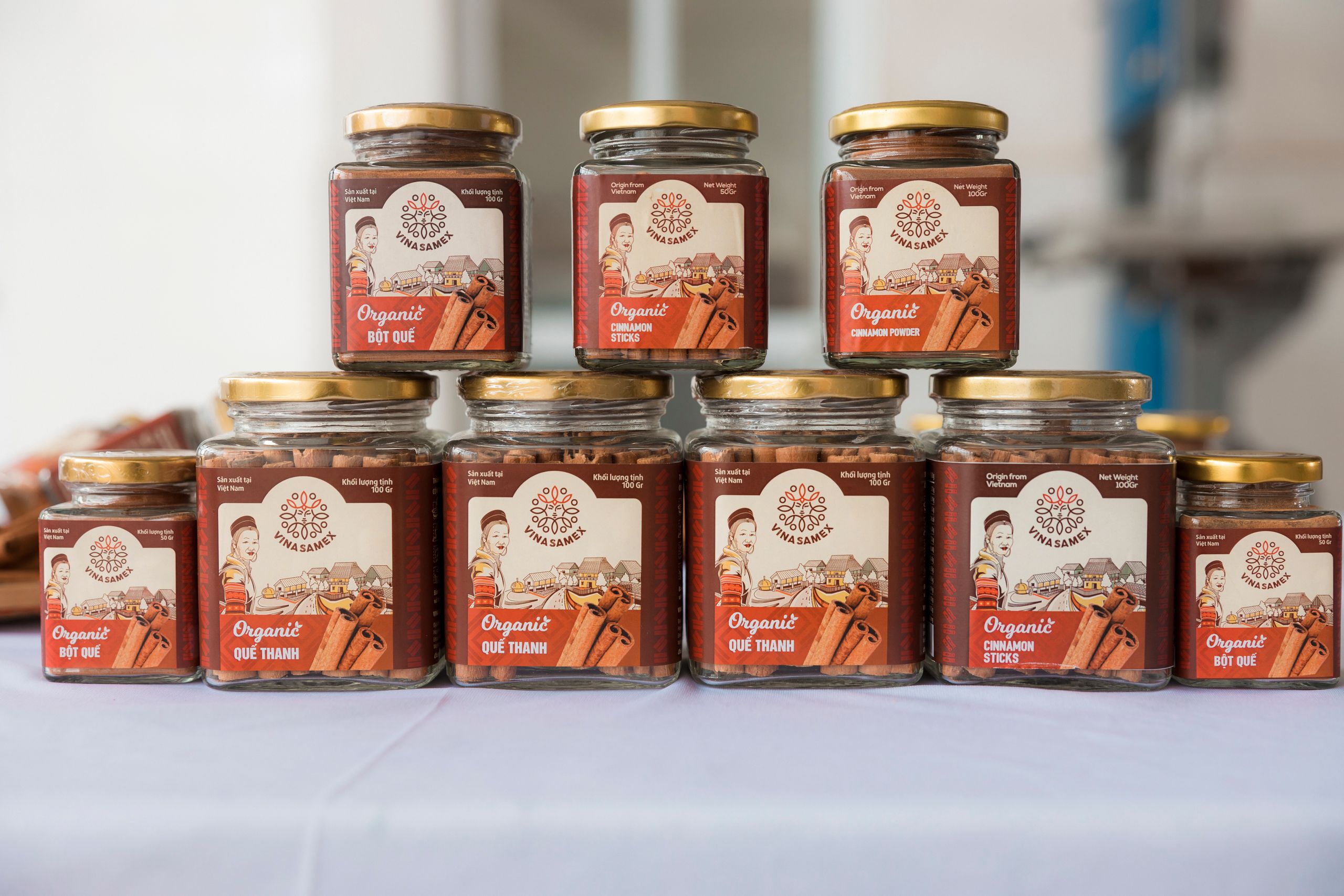
Spices are tiny, but the markup can be surprisingly loud. A small jar of name-brand cinnamon, garlic powder, paprika, cumin, or oregano can cost far more than shoppers expect, especially when the same type of spice is available elsewhere for less. The fancy glass jar and familiar label often carry more weight than the spice itself.
International grocery stores, bulk bins, and store-brand options can offer better value. This matters because spices also lose strength over time. Paying extra for a big-name jar does not help much if it sits in the cabinet for two years and tastes flat by the time you use it. Buy smaller amounts when you need freshness, and save the premium spending for ingredients where the difference is truly noticeable.
Bakery Cookies From the Display Case
Bakery cookies have a way of catching people at their weakest moment. They sit near the front, looking soft, oversized, and comforting. They also tend to cost much more than cookies made from basic pantry ingredients or even refrigerated dough.
The bakery case is selling the smell, the display, and the feeling of treating yourself. That is fine once in a while. The problem begins when those cookies become a regular part of the grocery habit. Baking at home can give you more cookies for less money, and you can freeze extra dough for later. You still get the treat without paying display-case prices every week.
Microwave Rice Cups
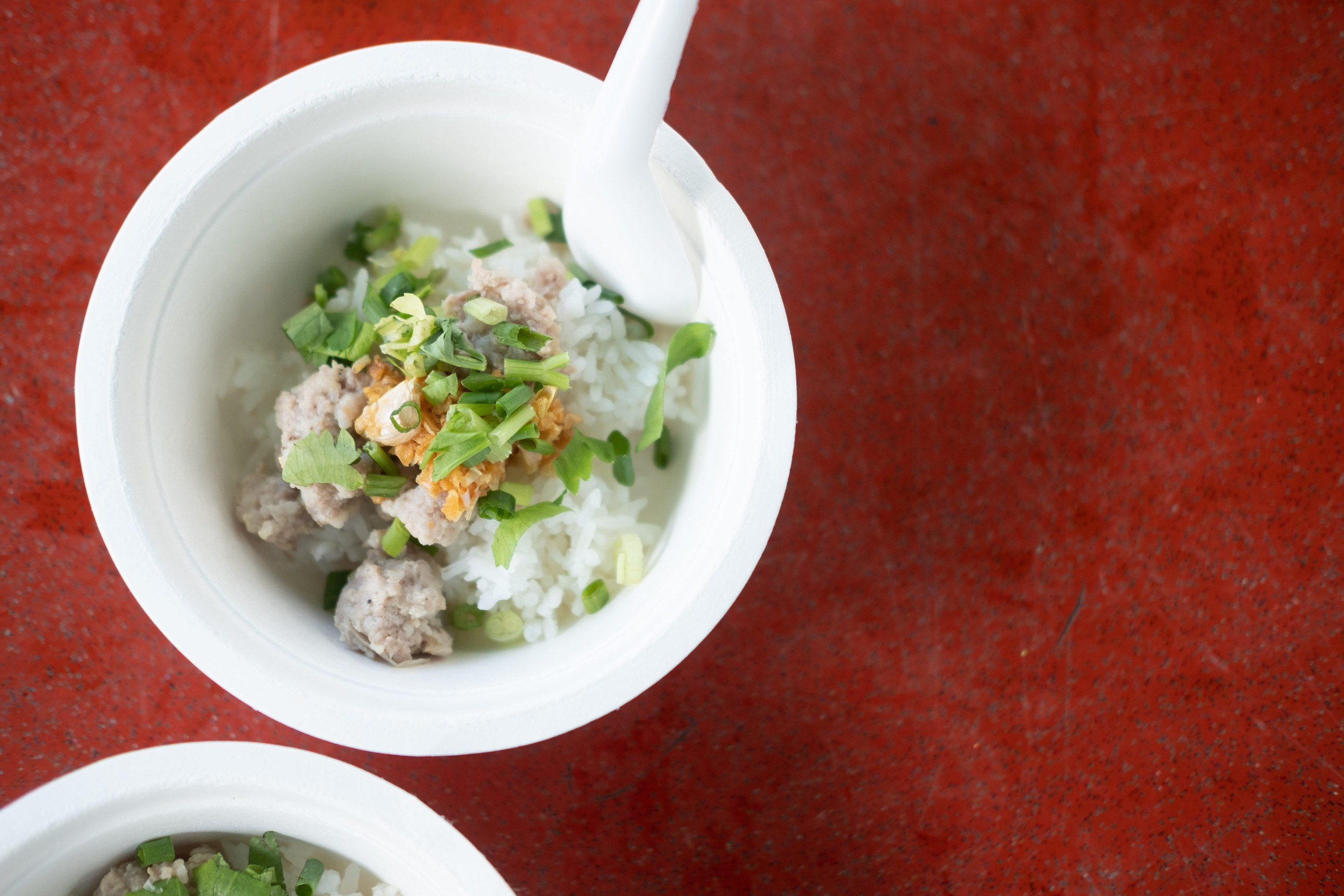
Microwave rice cups are useful when you are rushing, but they are rarely the best deal. They offer a small amount of rice in a plastic cup, ready in about a minute. That sounds helpful until you compare it to a bag of regular rice, which yields many more servings for the same money.
Rice is one of the easiest pantry staples to cook in bulk. You can make a pot on the stove or use a rice cooker, then store portions in the fridge or freezer. That gives you the same quick-meal advantage without paying for individual cups. Microwave rice is fine for travel, dorm rooms, or as a backup meal. For regular home cooking, it is a quiet budget leak.
Pre-Made Smoothies
Pre-made smoothies often wear a health halo. The bottles are colorful, the labels mention fruit, and the drink feels like a better choice than soda. Still, many bottled smoothies are expensive for what they are, and some contain more sugar or calories than shoppers expect.
Making smoothies at home can be much cheaper. Frozen fruit, yogurt, milk, oats, peanut butter, or spinach can create several servings for less than the cost of a few bottled drinks. You also control the sweetness and portion size. Store-bought smoothies are convenient, but they often charge a premium for something a blender can make in minutes.
Premium Frozen Garlic Bread

Frozen garlic bread is one of the easiest grocery temptations. It looks comforting, quick, and perfect beside pasta. The word premium can make it seem like something special, but the basic ingredients are usually simple: bread, butter or oil, garlic, herbs, and cheese, if included.
You can make garlic bread at home with a loaf of bread, butter, garlic, and seasoning. It takes very little effort and usually costs less per serving. Homemade garlic bread also lets you control how buttery, cheesy, crispy, or garlicky it gets. The frozen version is not always bad, but it often charges extra for a food that is almost too easy to make yourself.
Refrigerated Pancake Batter
Refrigerated pancake batter feels like a weekend gift. You open the bottle or pouch, pour, and cook. The trouble is that pancakes are already one of the cheapest and simplest breakfast foods to make from scratch or from a dry mix.
Flour, baking powder, milk, eggs, and a little sugar can go a long way. Dry pancake mix is also usually cheaper than refrigerated batter and lasts longer in the pantry. The refrigerated version mainly sells speed and packaging. For families that make pancakes often, skipping the ready-to-pour bottle can save money without changing the breakfast routine much.
Fancy Coffee Creamers

Fancy coffee creamers can turn a basic cup of coffee into something that tastes like dessert. Seasonal flavors, coffeehouse-style labels, and limited-edition bottles make them feel fun. The problem is that they can cost much more than milk, half-and-half, or a simple homemade creamer.
Some creamers also contain added sugar, oils, and flavorings that may not be worth the daily habit. A splash of milk, a little vanilla, cinnamon, cocoa powder, or simple syrup can add flavor to your coffee without the same price tag. This does not mean you can never enjoy a seasonal creamer. It just means it should be treated like a treat, not an automatic grocery staple.
Pre-Marinated Meat
Pre-marinated meat looks like dinner has already been solved. The chicken, pork, beef, or fish is seasoned, packaged, and ready for the pan or grill. That convenience often comes with a higher price per pound than plain meat.
The marinade itself is usually inexpensive to make at home. Oil, vinegar, citrus, garlic, herbs, spices, soy sauce, mustard, or yogurt can create a strong flavor without much cost. Buying plain meat also lets you inspect the cut more clearly and season it the way you like. Pre-marinated meat can be helpful on a rushed night, but regular shoppers often save more by buying plain cuts and seasoning them at home.
Conclusion
The grocery store is full of small choices that seem harmless in the moment. A ready-made snack here, a pre-cut container there, and a premium label in the next aisle can quietly push your total higher. The trick is not to shame yourself for wanting convenience. Everyone needs shortcuts sometimes.
The real win is knowing which shortcuts deserve your money and which ones are just clever packaging. Whole fruit, bulk snacks, basic rice, simple spices, homemade garlic bread, and plain cuts of meat can stretch your budget without making your meals feel boring. Once you start spotting the markup, grocery shopping becomes less about grabbing what looks easy and more about keeping more money in your pocket.