The phrase “petroleum in food” may sound dramatic, like adding engine fuel to cereal, but the reality is subtler. Petroleum and natural gas often provide raw materials for synthetic dyes, processing aids, waxes, packaging, preservatives, and chemicals used in food production. Sometimes, petroleum is not present in the ingredient itself but supports the food system through fertilizers, pesticides, equipment, refrigeration, shipping, and plastic packaging.
Let’s take a dive into foods that may contain petroleum-derived ingredients, moving through each category to see where these connections typically surface.
Brightly Colored Candy, Gummies, and Lollipops

Candy is one of the most obvious places to look for petroleum-based synthetic dyes. Gummies, sour belts, hard candies, jelly beans, fruit chews, and novelty sweets often rely on artificial colors to create bright reds, blues, greens, oranges, and purples that fruit alone cannot consistently produce. The ingredient list may show FD&C Red 40, Yellow 5, Yellow 6, Blue 1, or other certified colors.
This category is changing quickly because food companies are under pressure to reformulate. The FDA’s industry tracker lists candy and confectionery brands among companies pledging to remove petroleum-based dyes, including Mars products such as M&M’s, Skittles, Starburst, and Extra, and Hershey products such as Jolly Rancher, Twizzlers, KitKat, and other snacks. That does not mean every product is dye-free today. It means the candy aisle is one of the clearest battlegrounds in the petroleum-dye debate. U.S. Food and Drug Administration
Soda, Fruit Punch, Sports Drinks, and Powdered Drink Mixes

Bright beverages can contain synthetic colors and artificial flavor systems designed to create a consistent taste and appearance across millions of bottles, cans, and powder packets. Fruit punch does not always get its red color from fruit. Lemon-lime, orange, berry, tropical, and blue raspberry drinks may rely on certified colors for visual identity.
The FDA’s 2025 initiative specifically targeted petroleum-based certified dyes, including Red 40, Yellow 5, Yellow 6, Blue 1, Blue 2, Green 3, Citrus Red 2, Orange B, and Red 3. By 2026, brands such as Gatorade, Crystal Light, Kool-Aid, MiO, V8 Splash, and other beverages appeared in public reformulation commitments.
Frostings, Cake Decorations, Sprinkles, and Colorful Baked Goods

A plain cake may not raise many petroleum questions. A neon-blue cupcake with red frosting, rainbow sprinkles, colored filling, and shelf-stable icing is another story. These products often use synthetic dyes because bright bakery colors must survive mixing, heat, storage, and display.
FD&C Red No. 3 had been used in certain candies, cakes, cupcakes, cookies, frozen desserts, frostings, and icings. In January 2025, the FDA revoked authorization for Red No. 3 in food and ingested drugs, with food manufacturers required to reformulate by January 15, 2027.
Bright Breakfast Cereals and Cereal Bars
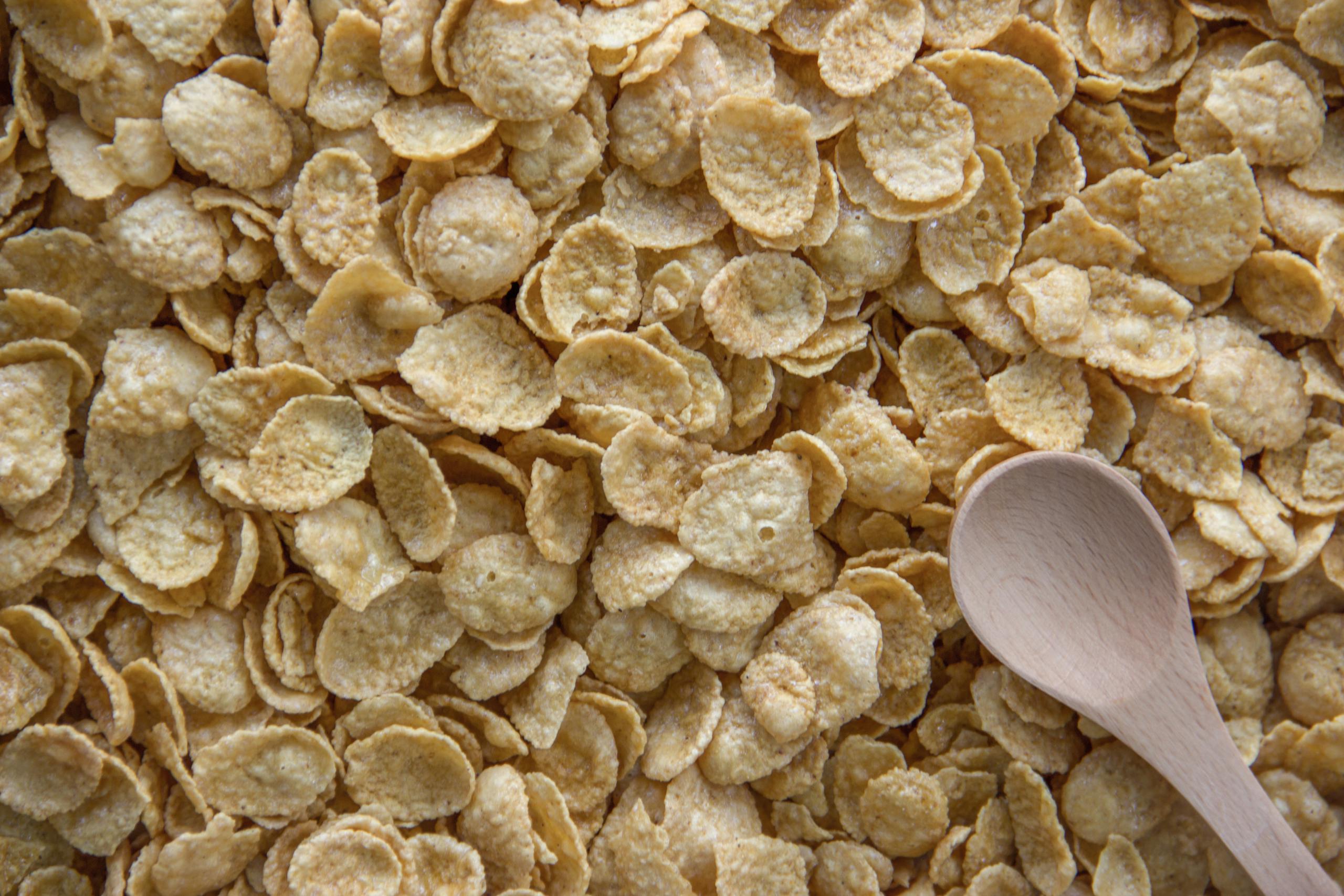
Colorful cereals have long used synthetic dyes to signal fruit flavors, marshmallow bits, cartoon branding, and kid-friendly appeal. The petroleum link here usually comes through certified colors, not through the grain itself. Some cereals may also use preservatives or packaging systems that extend shelf life.
The FDA tracker shows major cereal and packaged-food companies pledging reformulation. General Mills listed brands such as Trix, Cinnamon Toast Crunch, Chex, Pillsbury, Progresso, Bisquick, and Betty Crocker in its pledge, with plans to remove certified colors from all U.S. cereals and K-12 school foods by summer 2026 and from its full U.S. retail portfolio by the end of 2027. WK Kellogg also pledged not to launch new products with certified colors starting in January 2026 and to remove certified colors from existing food products by the end of 2027.
Chips, Cheese Puffs, Crackers, and Snack Mixes
Packaged snacks may carry petroleum links through color, preservatives, packaging, or processing aids. Cheese-flavored chips, orange puffs, spicy corn snacks, ranch crackers, and heavily seasoned snack mixes may use synthetic colors to intensify their look. Fat-containing snacks may also use antioxidants to slow rancidity, especially when they need a long shelf life.
BHA has been used to prevent spoilage of fats and oils and may appear in frozen meals, breakfast cereals, cookies, candy, ice cream, and meat products. The National Toxicology Program also lists BHA as “reasonably anticipated to be a human carcinogen” based on animal evidence, which explains why it has become a priority for FDA reassessment.
Chewing Gum
Chewing gum deserves special attention because the petroleum link may sit inside the “gum base,” a broad ingredient category that consumers cannot easily decode from the front of the package. Gum base gives gum its chew, stretch, and structure. Federal regulations allow petroleum wax and synthetic petroleum wax in chewing gum base as masticatory substances under specified conditions.
That does not mean every gum uses petroleum wax, but it does mean gum is one of the clearest examples of a food product where petroleum-derived substances may be legally part of the edible experience. Consumers looking to avoid this category should look for brands that clearly disclose plant-based, chicle-based, or plastic-free gum bases.
Waxed Fruits and Vegetables
Some fruits and vegetables are coated to reduce moisture loss, improve shine, and protect the surface during shipping. Common coatings can be plant-based, shellac-based, petroleum-based, or synthetic. The tricky part is that a shiny apple, cucumber, pepper, or citrus fruit does not reveal the coating source by appearance alone.
Federal regulations allow white mineral oil on raw fruits and vegetables as a protective coating, and they also allow petroleum wax and synthetic petroleum wax on raw fruits and vegetables as protective coatings when used according to regulatory conditions. Organic produce may reduce exposure to many synthetic substances, but even organic handling rules can be complex, so shoppers who want certainty should ask suppliers or choose produce with transparent coating claims.
Cheese With Wax Coatings
Certain cheeses use protective coatings to control moisture loss, limit mold growth, and preserve texture during storage. Petroleum wax and synthetic petroleum wax are allowed on cheese as protective coatings under federal regulations. This is another example where the petroleum link is not about the cheese itself. It is about the coating used to protect and preserve the product.
Consumers can reduce uncertainty by checking labels, choosing cheeses with clearly stated edible rind traditions, or asking at the deli counter. Natural rinds, clothbound cheeses, and wax-coated cheeses are not the same thing. The coating material matters.
Commercial Bakery Products
Commercial bakery foods may involve petroleum-linked substances in more than one way. Synthetic colors may appear in decorated items. BHA or BHT may appear in some fat-containing products. White mineral oil may also be used in bakery products as a release agent or lubricant under federal limits.
This category includes mass-produced cakes, pastries, donuts, snack cakes, cookies, and certain packaged baked goods. The simplest label rule is to compare a short bakery ingredient list against a long industrial one. Flour, eggs, sugar, butter, oil, yeast, salt, cocoa, vanilla, and spices are easy to understand. FD&C colors, BHA, BHT, artificial flavors, and vague coating terms deserve closer inspection.
Dehydrated Fruits and Vegetables
Dried fruits and dehydrated vegetables can carry petroleum links through release agents or processing aids. White mineral oil is permitted in dehydrated fruits and vegetables as a release agent under specific limits. This does not mean all dried fruit contains mineral oil, but it does place dried produce on the list of foods where petroleum-derived processing aids may be relevant.
For consumers, the practical move is simple. Choose brands with minimal ingredient lists, such as “mango,” “apricots,” “raisins,” or “apples,” with no added oils, colors, or coating agents. Organic dried fruit can also reduce exposure to many synthetic inputs, though it is still worth reading the label.
Conclusion
The real answer to “what foods have petroleum in them?” is not a single scary list. It is a map of how modern processed food is built. Petroleum can appear through synthetic dyes in candy and drinks, preservatives in shelf-stable snacks, mineral oils and waxes in coatings or processing aids, gum base ingredients, and plastic packaging that touches food.
The smartest response is not panic. It is precision. We reduce petroleum-linked exposure by choosing less colorful ultra-processed foods, reading labels, buying simpler products, avoiding heating food in plastic, choosing organic when it matters, and supporting brands that remove petroleum-based dyes and unnecessary synthetic additives. The cleaner plate is usually the simpler plate.