America knows how to make Jesus sound familiar. He shows up in campaign speeches, yard signs, church banners, and Thanksgiving arguments. His name gets pulled into debates about schools, borders, elections, war, and national identity. Then Israel enters the conversation, and the room often gets louder.
That is where the tension starts. Jesus was a Jewish teacher under Rome, not an American campaign mascot. His connection to Israel is real and sacred to many believers. But that does not make every modern policy holy.
This is not an argument against Jewish safety. It is not a defense of Hamas, terrorism, antisemitism, or hostage taking. It is a harder question for American Christians. If Jesus taught mercy, peace, truth, and care for the vulnerable, why does America’s Israel politics often sound like power first and compassion later?
America turns Jesus into a campaign prop.

Every election season, faith gets dressed for television. A candidate quotes scripture. A crowd cheers. A flag waves behind a cross. Suddenly, foreign policy starts sounding like altar language.
That is dangerous because modern Israel is a nation-state. It has borders, courts, leaders, military power, elections, and policies. America also has a security relationship with Israel, which makes this a political issue too.
Political issues deserve questions. They deserve debate, scrutiny, and moral pressure. They should not be hidden behind religious slogans. When Jesus shuts down debate, faith becomes a shield for power.
A more honest Christian approach would be less theatrical. It would ask what protects life. It would ask what reduces suffering. It would ask what serves justice. It would not hand any government a blank check with a Bible verse attached.
The Prince of Peace gets dragged into war talk.
Many Americans grew up hearing that Jesus blessed peacemakers. That line appears in sermons, Sunday school rooms, funeral programs, and family Bibles. It is familiar enough to sound gentle, yet also demanding.
That does not mean Israel has no security concerns. It does not excuse Hamas. It does not erase the horror of hostages or murdered civilians. It means Christians should speak about war with moral fear, not political excitement.
America’s debate often loses that restraint. Some voices treat ceasefire talks as a sign of weakness. Some treat civilian death like background noise. Some sound more eager to win arguments than to save lives.
That is where the Jesus test becomes uncomfortable. If peace is part of the Gospel, Christians cannot treat escalation as entertainment. They can defend security without sounding hungry for destruction.
Palestinian suffering gets pushed into the background.
American compassion can become selective. Many people rightly mourn Israeli victims of terrorism. They rightly condemn antisemitism, hostage taking, and attacks on civilians. But some grow quiet when Palestinian families suffer.
That silence clashes with the heart of Jesus’ moral message. Mercy should not depend on nationality, ethnicity, religion, or political convenience. Children are not foreign policy footnotes. Grieving parents are not talking points.
Conditions in Gaza make that question harder to avoid. Recent humanitarian updates describe dire conditions in Gaza, with displacement, hunger, injury, and health risks affecting civilians. A Jesus-shaped politics cannot look away from that.
This does not require Americans to excuse Hamas. It requires them to see civilians clearly. Suffering does not become less human because it happens under another flag. That is the moral discomfort America keeps trying to avoid.
Americans confuse biblical Israel with modern policy.

Many Christians feel a deep spiritual connection to Israel. That connection is real. Jesus was Jewish, and the Bible’s geography matters deeply to Christian imagination. Jerusalem, Bethlehem, Galilee, and the Mount of Olives are not random names.
But biblical reverence should not cancel moral judgment. A modern government can deserve security and still face criticism. It can defend citizens while still making choices that Christians should question. Faith should sharpen conscience, not shut it down.
This distinction matters because slogans are easier than moral thinking. Many Americans prefer a simple side. Jesus rarely gives people that comfort. He keeps pushing the conversation back toward mercy, truth, humility, and the vulnerable.
Christians should not fear moral complexity. Jesus challenged religious leaders, political power, hypocrisy, and cruelty. That same courage should apply to modern policy. Reverence for holy places should never become blindness toward human suffering.
U.S. aid gets treated like holy money
American families question spending every day. They debate rent, groceries, taxes, health care, school funding, and student loans. Yet military aid to Israel often gets treated like something ordinary voters should not question.
That is not a healthy democracy. U.S. military support has reached at least 21.7 billion in military aid since October 2023. That number deserves serious public debate.
Asking questions about weapons is not antisemitism. Asking questions about strategy is not hatred. Asking whether U.S. policy reduces suffering is not betrayal. It is citizenship.
A Christian lens should ask even harder questions. Do these weapons protect life? Do they deepen resentment? Do they move anyone toward peace? Do they make civilians safer on either side?
Jesus gets used to defending power instead of people.
Jesus spent His ministry near people with little power. The poor, sick, accused, hungry, grieving, and rejected all appear close to Him. That should make Americans nervous, given that His name is mainly associated with states, armies, and political blocs.
The moral question is not whether countries need security. They do. The harder question is whether security becomes an excuse to ignore suffering. That is where faith gets tested.
Israeli civilians deserve safety. Palestinian civilians deserve dignity. Jewish Americans deserve protection from antisemitism. Muslim and Arab Americans deserve protection from hate. These truths do not cancel each other.
Jesus does not give anyone permission to ration mercy. He does not make compassion a partisan reward. If the suffering person is inconvenient, the command still stands.
Christian nationalism makes the debate uglier.
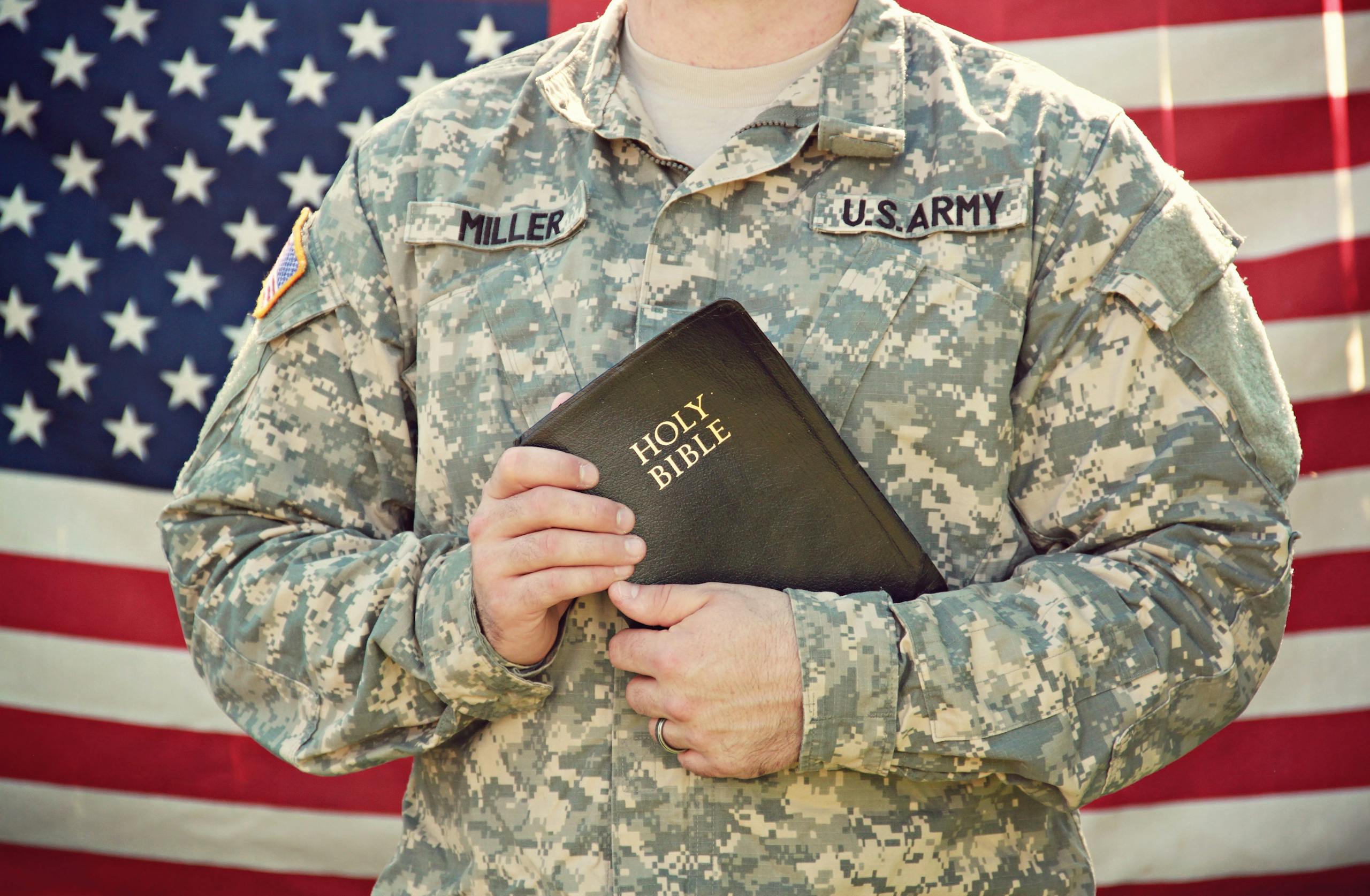
Many Americans recognize the sound instantly. It blends church language, flag imagery, military strength, and national grievance. It can make foreign policy feel like a loyalty test.
That kind of politics does more than shape opinions. It turns disagreement into betrayal. It can make cruelty sound righteous. It can also make ’empire’ sound like ‘obedience’.
The danger is not Christianity itself. The danger is turning Christianity into a weapon for national power. Once that happens, Jesus becomes a mascot for whatever the country already wanted to do.
Jesus did not call America to become an empire with worship music. He called people to love enemies, carry crosses, and serve the least powerful. That message is harder than patriotic theater.
Jewish Americans get flattened into one political stereotype.
America often talks about Jewish people as if they all think the same way. That is lazy, unfair, and dangerous. Jewish Americans hold varied views on Israel, Gaza, antisemitism, Palestinian rights, U.S. aid, and peace.
That variety matters. Treating all Jewish people as one political bloc helps bad arguments spread. It also fuels antisemitism when people blame Jewish communities for one government’s decisions.
A better conversation would be more precise. It would protect Jewish life without using Jewish identity as a shield for every policy. It would challenge antisemitism without pretending that every Israel criticism is antisemitic.
Moral clarity requires two commitments at once. Jewish safety must be defended. Palestinian humanity must not be denied. A politics that cannot hold both has already failed the Jesus test.
America forgets that Jesus lived under an empire.
Jesus did not live inside a soft religious painting. He lived under Roman power. His world had soldiers, taxes, surveillance, political tension, religious anxiety, and public executions.
That history should make American Christians careful. Jesus’ life does not fit neatly inside nationalist slogans. His crucifixion should trouble every faith that worships state power.
The cross is not a decoration for an empire. It is a warning about what power can do when conscience gets in the way. That warning still matters when governments ask believers for unquestioned loyalty.
This does not turn Jesus into a modern partisan. It makes Him morally inconvenient. He challenges every side that wants comfort without repentance. That is why America keeps trying to tame Him.
The real Jesus keeps embarrassing America’s talking points.

The real Jesus is hard to use in a campaign ad. He blesses the meek. He honors peacemakers. He warns hypocrites. He commands mercy. He makes an outsider the neighbor.
That Jesus does not fit neatly into America’s loudest Israel arguments. He does not excuse antisemitism. He does not excuse terrorism. He does not excuse dead children. He does not bless cruelty because victims are politically inconvenient.
That is why this debate needs humility. America can support Israel’s security and still demand restraint. It can condemn Hamas and still mourn Palestinians. It can fight antisemitism and still reject dehumanization.
If Jesus is invited into the debate, His mercy comes with Him. His truth comes too. That is the part many political voices forget.
Key Takeaway
The biggest problem with America’s Jesus-and-Israel politics is not support for Israel itself. Jewish safety matters. Israeli security matters. Antisemitism is real and dangerous. But when American politics uses Jesus to silence questions, excuse every bomb, or ignore Palestinian suffering, it betrays the Christ it claims to honor.
A more honest Christian approach would be harder and braver. It would defend Jewish life without dehumanizing Palestinians. It would condemn Hamas without making Gaza’s civilians invisible. It would question U.S. weapons, aid, and rhetoric without drifting into antisemitism. Jesus does not call America to blind loyalty. He calls it to mercy, truth, justice, and peace, especially when those virtues become politically expensive.