The 1960s gave America some unforgettable inventions, but plenty of products from that decade would make today’s shoppers do a double take. Imagine wearing a dress made mostly of paper, playing vinyl records in your car, or buying a machine that promised to exercise your muscles while you relaxed. Sounds ridiculous, right? Yet these weren’t just wild ideas dreamed up by advertisers. They were real products that found actual buyers. Some became huge hits, others disappeared, and a few are still around today. Here are nine strange products Americans actually spent money on during the 1960s.
Scott Paper Dresses
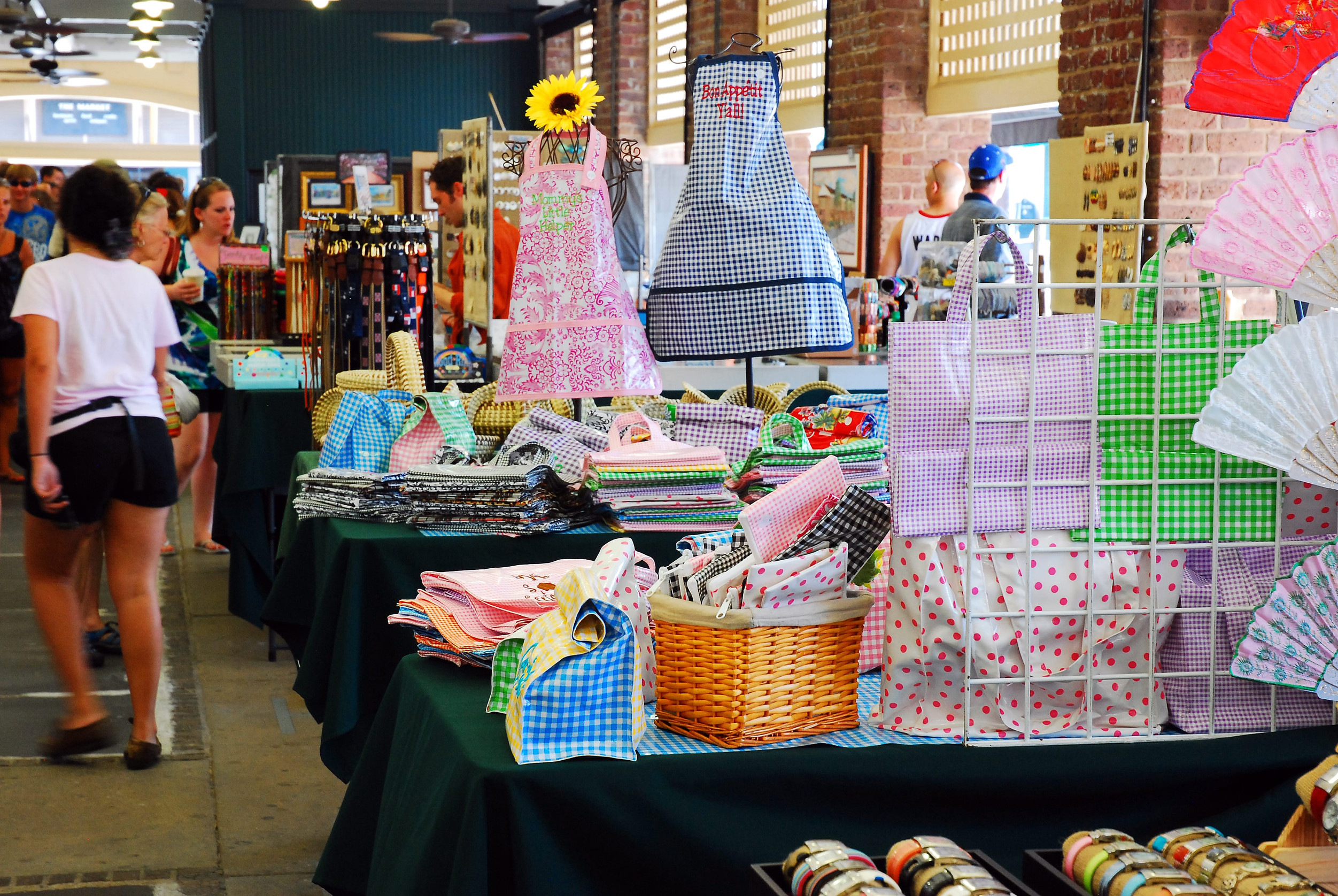
Imagine buying a new dress, wearing it to a party, and treating it almost like a disposable napkin afterward. That’s the idea Scott Paper Company brought to American shoppers in 1966.
The company introduced its Paper Caper dresses through a $1.25 mail-in promotion. Customers could choose between colorful paisley and black-and-white optical designs. The dresses weren’t made from ordinary writing paper, either. They used a reinforced material containing paper fibers and rayon.
What started as a promotional gimmick quickly became a fashion sensation. Scott received roughly half a million orders, far more than expected.
Here’s the funny part: Scott wasn’t particularly interested in becoming a clothing manufacturer. Despite the promotion’s remarkable success, the company ended it after approximately six months.
Today, it’s hard to imagine a paper-towel company accidentally launching a fashion craze.
Relax-A-Cizor
Who wouldn’t love getting a workout without lifting a finger? That tempting promise helped sell the Relax-A-Cizor, an electrical muscle-stimulation device that remained popular during the 1960s.
Users attached electrical pads to different parts of their bodies. The machine then sent electrical pulses through the pads, causing involuntary muscle contractions.
Advertisements suggested that customers could reduce their waistlines without traditional exercise. It was marketed as a convenient shortcut to a slimmer figure, although those advertising promises shouldn’t be confused with proven results.
And people really did buy it. A federal court later documented more than 400,000 units in public hands, a cumulative figure covering its commercial history.
The device eventually faced legal restrictions in 1970 over its marketing and use.
It’s a reminder that the desire for effortless results was around long before modern fitness gadgets.
RCA Victor Auto Victrola
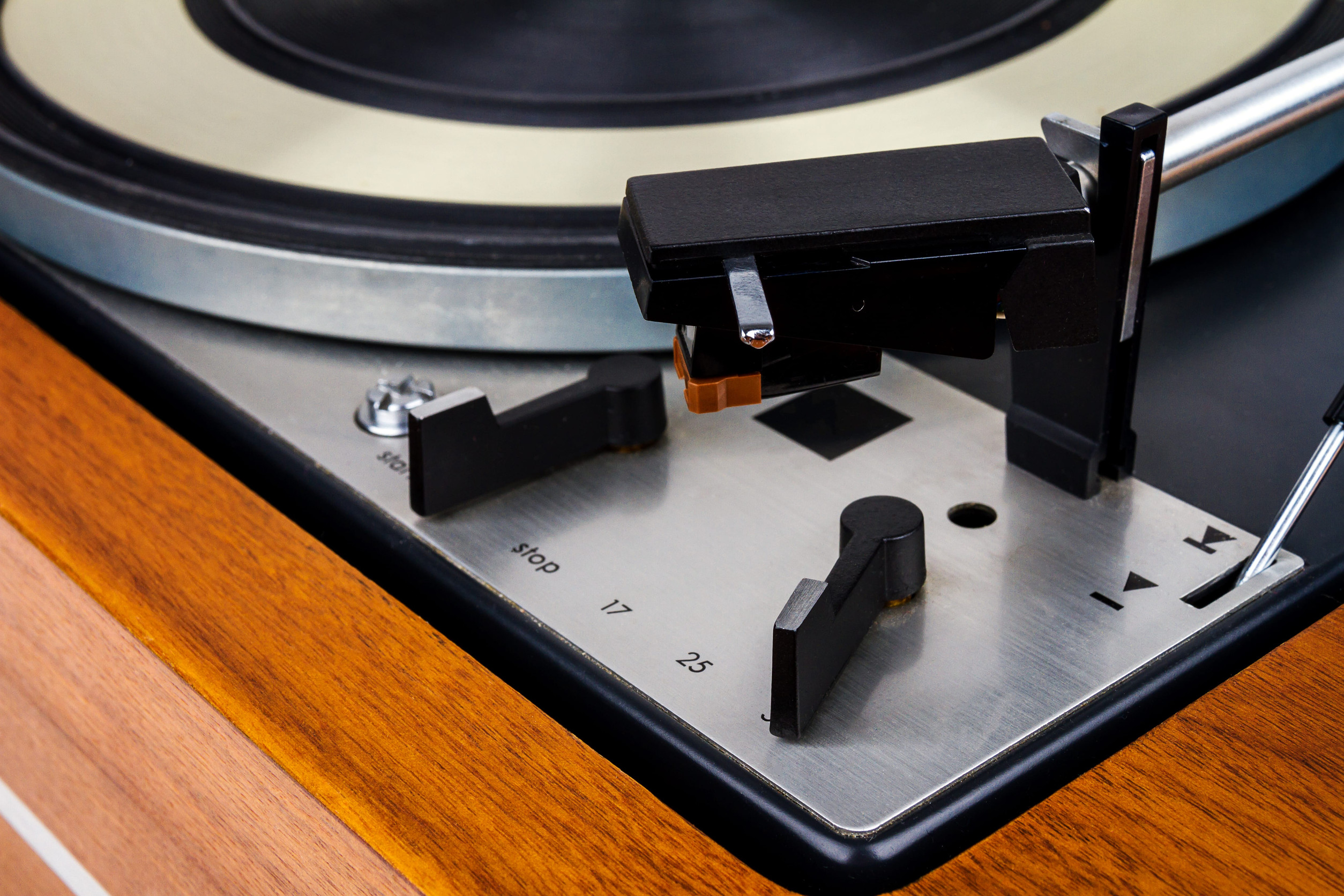
Before Bluetooth, Spotify, and even widespread cassette players, some American drivers could enjoy their favorite records behind the wheel.
RCA Victor offered an automobile record player as a Chrysler option around 1960–1961. The Auto Victrola played standard 45-rpm vinyl records and could hold up to 14 at once.
According to Consumer Reports, the device cost $51.75.
You might assume the records constantly skipped whenever a car hit a pothole. Surprisingly, Consumer Reports found that its needle stayed in the groove during demanding road tests.
The bigger problems involved record wear and playback speed. The system also required drivers to carry physical records.
RCA discontinued the option after the 1961 model year.
Still, the concept was remarkably forward-thinking: drivers wanted control over their music decades before personal playlists became effortless.
Amazing Sea-Monkeys
Comic-book readers in the 1960s probably remember advertisements featuring cheerful underwater families with crowns, smiling faces, and strangely human features.
These mysterious creatures were sold as Amazing Sea-Monkeys.
Originally introduced as Instant-Life in 1960, the product received its more memorable name in 1962.
Customers ordered kits containing brine-shrimp eggs and materials needed to hatch the tiny aquatic creatures.
Of course, the actual animals looked nothing like the cartoon families pictured in advertisements.
That didn’t stop curious children from ordering them.
Retailers had initially shown little interest in the concept, but comic-book mail-order advertising helped turn Sea-Monkeys into a recognizable novelty.
Unlike many peculiar 1960s products, Sea-Monkeys survived. They’re still sold today, proving that clever packaging and a little curiosity can carry a product surprisingly far.
Mattel Thingmaker Creepy Crawlers
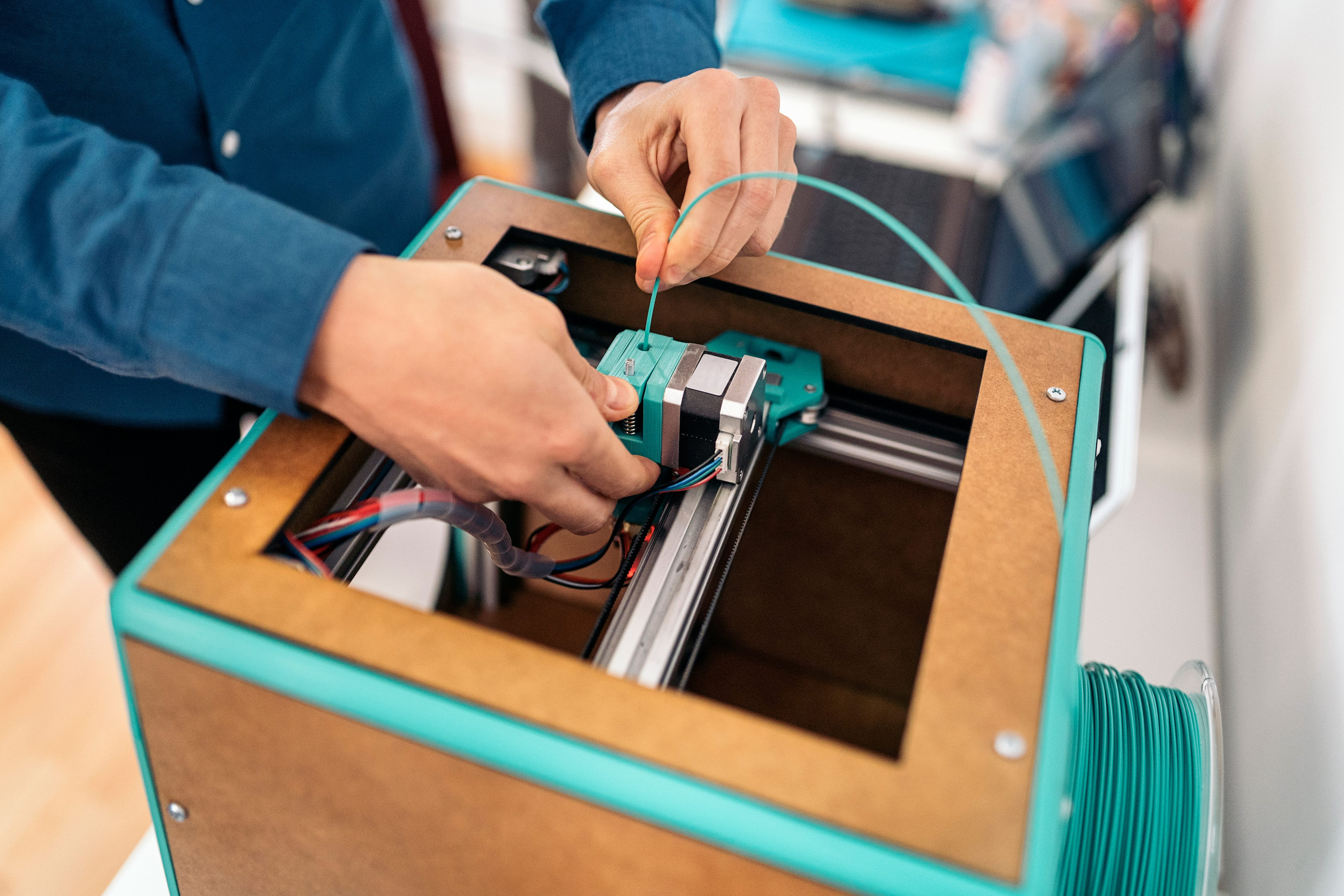
Long before home 3D printers became popular, Mattel offered children something that resembled a miniature toy factory.
Introduced in 1964, the Thingmaker Creepy Crawlers set allowed kids to create their own rubbery insects and other figures.
The process involved pouring liquid Plastigoop into metal molds and placing them on an electric heating unit. Once the material hardened and cooled, children could remove their homemade creations.
Imagine giving a child heated metal molds and liquid plastic as a weekend activity today!
Mattel even encouraged young customers to make, trade, and sell their creations.
The original Thingmaker sold well enough to inspire additional products and activity sets.
Later versions used redesigned heating systems, but the original remains a fascinating example of how different children’s toys were decades ago.
Wham-O Water Wiggle
A garden hose might seem like an ordinary backyard item. Wham-O decided it could become a wildly unpredictable toy.
Introduced in the early 1960s, the Water Wiggle connected to a garden hose and used water pressure to send a flexible attachment twisting and spraying across the lawn.
The result was chaotic backyard entertainment.
Its unusual movement made it appealing to families looking for outdoor activities.
Unfortunately, the product had a serious problem. When its protective plastic head detached, the exposed internal nozzle could cause severe injuries.
After two reported child fatalities, Wham-O voluntarily stopped selling the product and recalled it in April 1978.
By then, approximately 2.5 million Water Wiggles had been sold across the United States over roughly 17 years.
Those figures cover sales extending into the 1970s, rather than the 1960s alone.
The Water Wiggle remains a sobering example of how a popular novelty could have dangers that weren’t immediately obvious.
Lava Lite Lamps
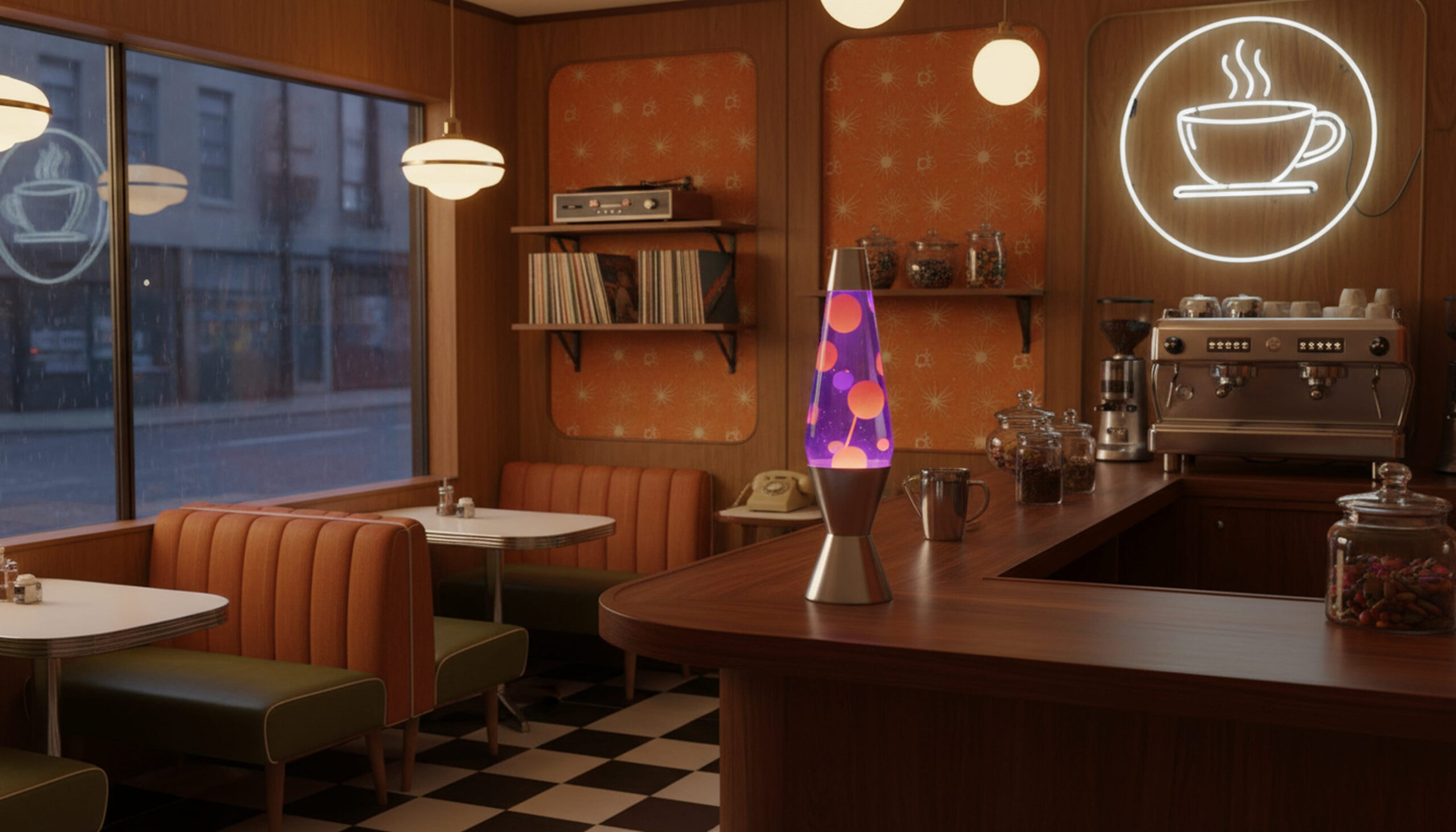
Sometimes the strangest product doesn’t actually do very much.
That certainly describes the Lava Lite lamp, which arrived in the American market in 1965.
Inside its glass container, heat caused colorful wax to rise, separate, and sink in constantly changing shapes.
It wasn’t particularly useful for reading or illuminating a room. Watching the swirling blobs was the main attraction.
The lamp became an unusual decorative piece, fitting neatly into the decade’s fascination with futuristic designs and visual experimentation.
Original American catalogs from the late 1960s show how the product was marketed to dealers.
Interestingly, an early example preserved by the Illinois State Museum came from an ordinary family’s Christmas-gift tradition.
The Lava Lite was more than a counterculture accessory. It was also a household conversation starter.
And unlike many other novelty products of the era, lava lamps never completely disappeared.
Fizzies Instant Sparkling Drink Tablets
Imagine making a soft drink by dropping a flavored tablet into a glass of water.
That was the appeal of Fizzies.
These small tablets dissolved in water, producing bubbles and turning an ordinary glass into a sweet, flavored beverage.
No bottle, no soda fountain, and no complicated preparation required.
Fizzies became a recognizable American product during the 1960s, competing for attention in the instant-drink market.
For children, watching the tablet fizz and dissolve was part of the fun.
The original product eventually disappeared following changes involving cyclamate sweeteners. The FDA removed cyclamates from its generally recognized as safe list in October 1969.
Fizzies later returned in revised forms, but their original popularity captures the era’s love of convenience foods with a playful twist.
Pillsbury Space Food Sticks
The space race inspired everything from household designs to children’s toys. Naturally, food companies wanted a piece of the excitement.
In 1969, Pillsbury introduced Space Food Sticks, chewy, individually wrapped snacks connected to its work developing food for the American aerospace program.
The consumer product offered a convenient snack that could easily fit into a lunchbox or bag.
Its packaging emphasized the connection to space exploration, allowing ordinary shoppers to experience a small piece of the excitement surrounding America’s lunar ambitions.
But there was an unexpected twist.
By 1971, Pillsbury began moving away from the word “Space” in its marketing because some consumers associated astronaut food with unappealing meals.
The name that initially helped sell the product eventually became something the company wanted to change.
The 1960s Were a Golden Age of Strange Ideas
Looking back, these products reveal just how adventurous American consumer culture could be. Companies experimented with disposable clothing, futuristic snacks, unusual entertainment devices, and toys that would raise eyebrows today.
Some inventions were clever, some were impractical, and others eventually revealed serious problems. Yet each offered shoppers something exciting, convenient, or completely different.
The most interesting part? Several ideas weren’t as ridiculous as they first appeared. Car record players anticipated personalized music, Thingmaker encouraged hands-on creativity, and Space Food Sticks helped introduce a portable snack format that still feels familiar.
It makes you wonder which products sitting on store shelves today will look equally bizarre 60 years from now.
Thinking effortMedium