When people think of healthy fruits, apples, bananas, and oranges usually come to mind. But another fruit deserves just as much attention, and it is smaller than most people expect.
Kiwis may look ordinary on the outside, with their fuzzy brown skin and small size. Still, their bright green or golden flesh contains an impressive combination of vitamins, fiber, minerals, and antioxidants.
Nutrition experts say kiwifruit offers several benefits, particularly for digestive health and meeting daily vitamin C needs. Scientific studies have also investigated its possible effects on sleep and other aspects of well-being.
However, the secret is not simply eating more kiwi. Knowing how to choose, prepare, and enjoy this fruit can help people get the most out of its nutritional value.
Kiwis Contain More Vitamin C Than Many People Realize
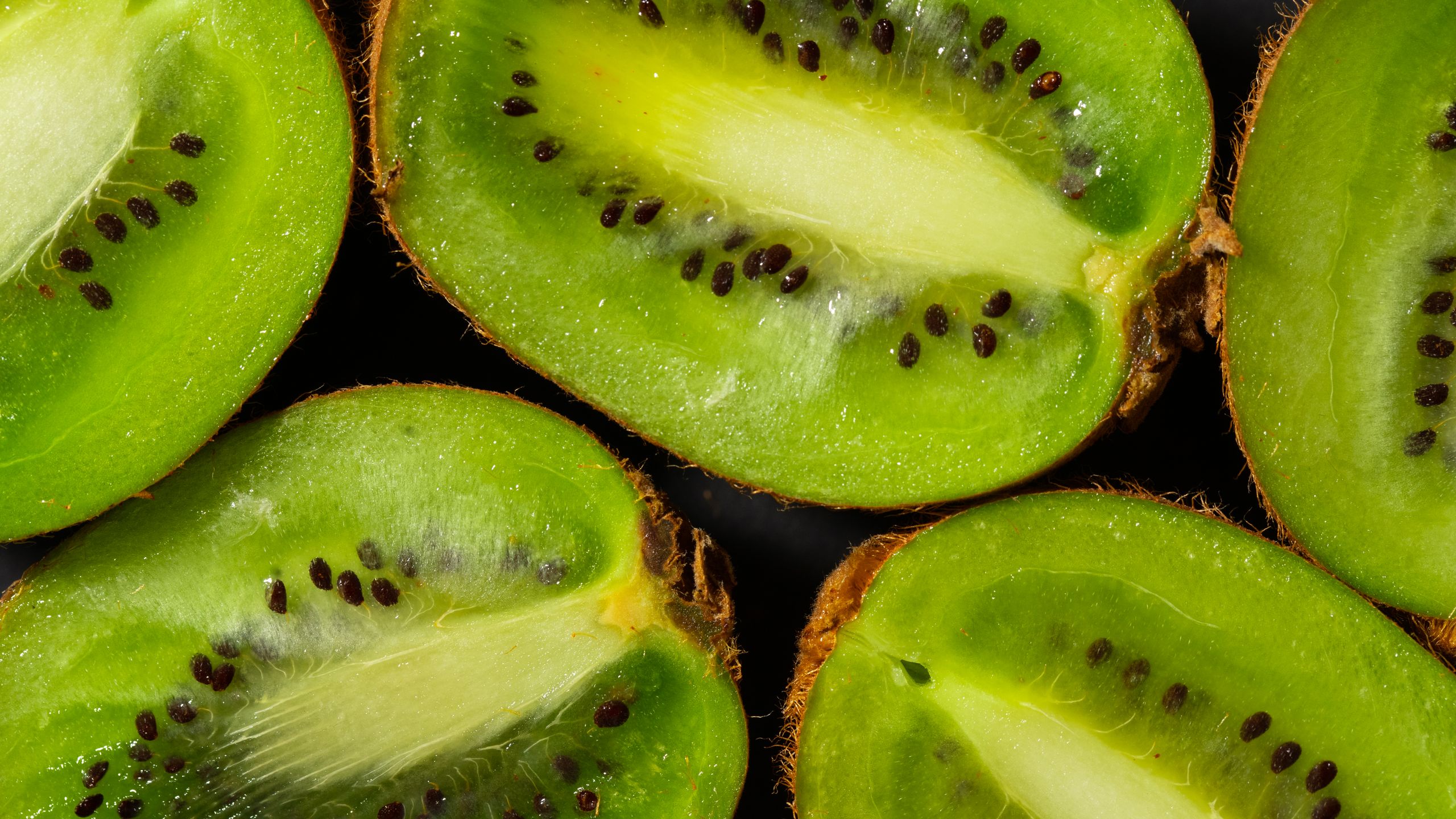
One of the biggest reasons kiwis stand out is their vitamin C content.
According to the National Institutes of Health (NIH), one medium kiwi provides approximately 64 milligrams of vitamin C, representing about 71% of the recommended daily value.
That is an impressive amount for a fruit small enough to fit comfortably in your palm. For comparison, a medium orange provides approximately 70 milligrams.
Vitamin C supports normal immune function, helps produce collagen, and helps the body absorb iron from plant-based foods.
It also acts as an antioxidant, protecting cells from damage caused by unstable molecules known as free radicals.
The NIH identifies kiwis as one of several excellent dietary sources of this essential nutrient.
For people trying to increase their vitamin C intake through everyday meals, adding kiwi to breakfast or enjoying it as a snack offers a simple option.
Two Kiwis a Day May Help Improve Digestion
Perhaps the most interesting scientific finding about kiwifruit involves digestive health.
A clinical trial published in the American Journal of Gastroenterology examined how eating two green kiwis daily affected adults experiencing constipation.
The international study involved 184 participants, including healthy adults and individuals with functional constipation or constipation-predominant irritable bowel syndrome.
Participants consumed either two green kiwis or a psyllium fiber supplement daily for four weeks, then switched treatments after a break.
Researchers found that eating two green kiwis was associated with meaningful improvements in bowel movement frequency and digestive comfort among participants with constipation.
In fact, people experiencing constipation recorded an increase of at least 1.5 complete spontaneous bowel movements per week compared with their baseline.
The findings suggest that kiwifruit may provide a useful dietary option for people dealing with mild constipation.
However, researchers noted limitations, including the relatively short treatment periods, and the findings do not mean kiwis can replace medical treatment for persistent digestive problems.
Their Special Enzyme Makes Them Different
Kiwis contain something many other common fruits don’t in comparable amounts: an enzyme called actinidin.
This naturally occurring enzyme helps break down certain proteins.
According to a scientific review of kiwifruit nutrition, researchers are investigating actinidin’s role in digestion.
Alongside this enzyme, kiwis contain soluble and insoluble dietary fiber.
Green kiwifruit provides approximately 3 grams of fiber per 100 grams, according to USDA nutritional data cited in the review.
Fiber helps support normal bowel function, making kiwis a practical addition to a balanced diet.
The combination of fiber and actinidin helps explain why scientists have taken such a strong interest in this particular fruit.
Related: Is Your Fruit Going Bad Too Fast? Try These Simple Storage Tricks explains how everyday storage habits can affect the fruit you bring home.
Kiwis May Also Have Something to Offer Your Sleep
Eating kiwi before bedtime has become a popular wellness suggestion, but does the science support it?
Researchers have explored the connection in several small studies.
A 2023 study published in Frontiers in Nutrition investigated the effects of fresh and dried green kiwifruit on sleep quality and mood in 24 men.
Participants consumed fresh kiwis, dried kiwi powder, or water with an evening meal.
Researchers observed improvements in certain measures of sleep-related well-being, particularly after consuming dried kiwifruit.
Another small study examined eating two kiwis before bedtime for four weeks and reported improvements in several sleep measures.
Although these findings are interesting, researchers have emphasized that larger, more rigorous studies are needed before kiwi can be recommended as a reliable treatment for sleep difficulties.
Still, enjoying kiwi as part of an evening meal may be worth considering for people who already like the fruit.
Green and Golden Kiwis Offer Different Advantages
Not all kiwis are the same.
The two familiar varieties found in grocery stores are green kiwis and golden kiwis.
Green kiwis have vibrant green flesh, tiny black seeds, and a slightly tart flavor. Golden kiwis usually have smoother skin, yellow flesh, and a sweeter taste.
Their nutritional profiles also differ.
According to USDA data summarized in a scientific review, green kiwis provide approximately 92.7 milligrams of vitamin C per 100 grams, while golden kiwis provide approximately 161.3 milligrams.
However, green kiwis generally contain more dietary fiber, with approximately 3 grams per 100 grams compared with 1.4 grams in golden varieties.
Both provide potassium and other essential nutrients.
For someone prioritizing vitamin C, golden kiwi may be particularly appealing. For those looking to increase fiber intake, green kiwi has the edge.
Neither variety is universally healthier. The best choice depends on personal preference and nutritional needs.
Eating the Skin Can Give You More Fiber
Most people cut a kiwi in half and scoop out the flesh with a spoon.
But nutrition experts say that throwing away the skin means missing out on additional fiber.
Registered dietitian Gillian Culbertson of Cleveland Clinic explains that kiwi skin is edible and contains useful nutrients.
According to Cleveland Clinic, eating kiwi with the skin can increase its fiber content by approximately 50% compared with eating the peeled fruit.
The skin also contains antioxidants and other plant compounds.
For people uncomfortable with the fuzzy texture, golden kiwis may be easier to eat whole because their skin is generally smoother.
Before eating kiwi skin, wash the fruit thoroughly under running water.
However, people with kiwi allergies should avoid the fruit, and those with a history of certain kidney stones may need to avoid the skin because of its oxalate content.
The Best Ways to Enjoy Kiwi Without Overcomplicating Things
Adding more kiwi to your diet doesn’t require complicated recipes or expensive supplements.
Eating fresh kiwi is one of the simplest ways to enjoy its natural fiber and vitamin C.
Try adding sliced kiwi to oatmeal, yogurt, or a mixed fruit bowl. Its sweet and tangy flavor also works well in smoothies and fresh fruit salads.
For something different, combine chopped kiwi with tomatoes, onions, and herbs to create a refreshing salsa.
You can also enjoy kiwi on its own, either peeled or with its carefully washed skin.
Because vitamin C is sensitive to prolonged heating, eating kiwi fresh is a convenient way to preserve this nutrient.
There is no need to consume large quantities or follow an elaborate routine. One or two kiwis can fit comfortably into a varied eating pattern, although individual needs differ.
Are Kiwis Really Worth Adding to Your Grocery List?
Kiwis may not receive the same attention as blueberries, avocados, or oranges, but their nutritional profile makes them a worthwhile choice.
They deliver substantial vitamin C, provide fiber and potassium, and contain natural compounds researchers are still investigating.
The strongest clinical evidence supports digestive health, while potential sleep benefits remain less certain.
Most importantly, kiwis are not miracle foods. Their benefits are best understood as part of a balanced diet rather than a quick fix for health concerns.
The next time you visit the produce aisle, those small, fuzzy fruits might deserve a second look.