Every town has its own idea of comfort food. In Cincinnati, chili belongs on spaghetti. In Pittsburgh, French fries go inside the sandwich. And in Mississippi, ordering a slugburger won’t get you anything remotely resembling a garden pest.
American cooking is full of these wonderfully unexpected traditions. Some have even earned official recognition. In 2012, North Carolina designated two livermush festivals as official state events, celebrating a regional food that many people outside the area may never have tasted.
These dishes aren’t necessarily strange to the people who grew up eating them. They’re familiar recipes shaped by local history, immigrant traditions and generations of cooks.
From unusual ingredients to surprising presentations, here are nine hometown specialties worth getting to know.
Rochester’s Garbage Plate: A Deliciously Messy Combination
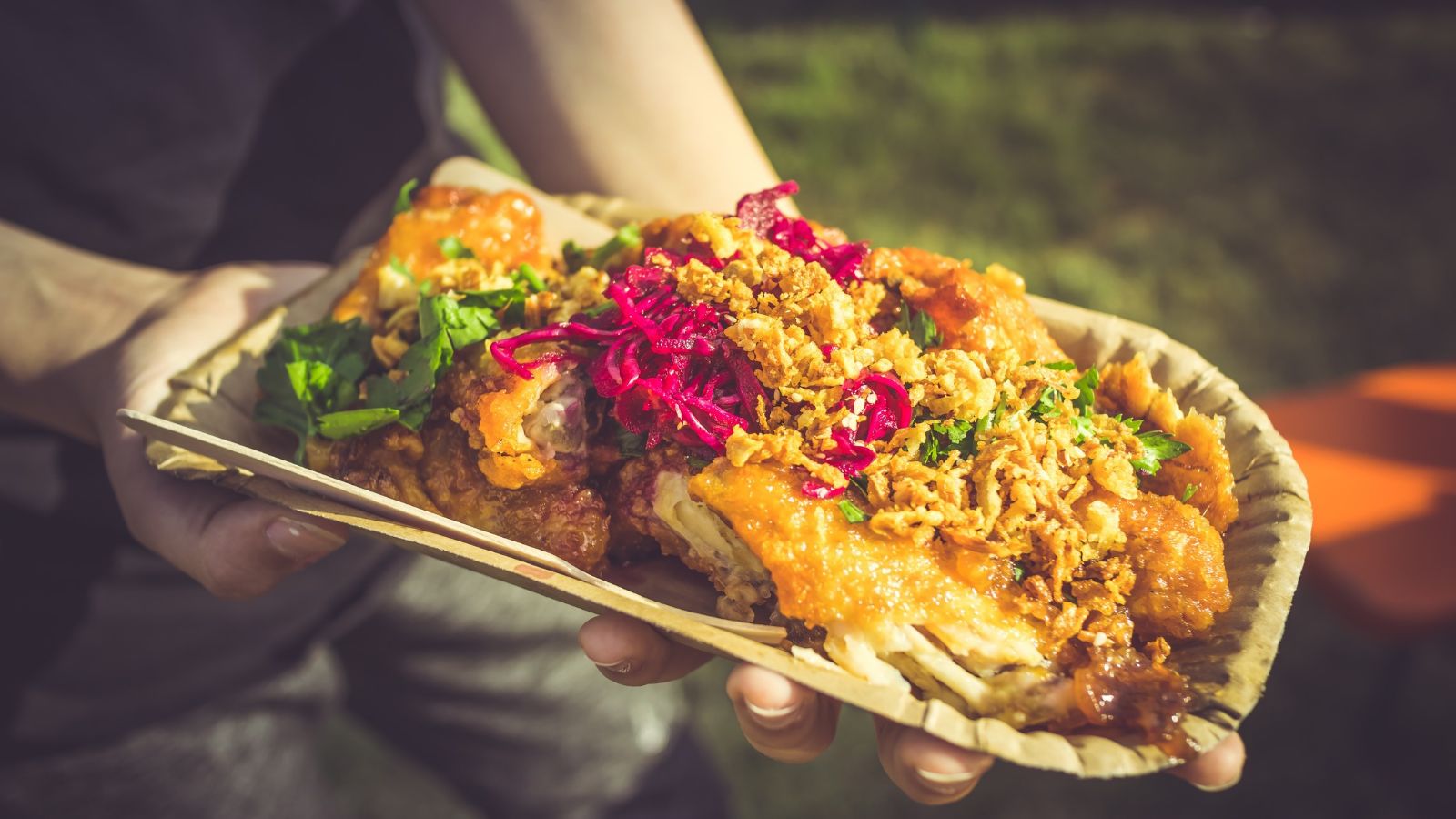
The name might raise an eyebrow, but Rochester’s Garbage Plate has nothing to do with discarded food. This New York specialty combines several familiar foods into one enormous meal.
According to Visit Rochester, a traditional plate features a choice of protein alongside sides such as macaroni salad, home fries, French fries or baked beans. Everything is typically topped with Rochester-style meat hot sauce.
Nick Tahou Hots is closely associated with the dish, and local reporting has documented versions featuring cheeseburgers, macaroni salad, home fries, mustard and onions.
The result is a plate where practically everything comes together under one generous blanket of sauce. It’s an unconventional presentation, but one with unmistakable hometown character.
Mississippi Slugburgers: A Burger With a Misleading Name
The first thing to know about a slugburger is that it contains absolutely no slugs. Instead, this northeast Mississippi specialty uses a fried patty made from meat combined with ingredients that help extend the mixture.
According to Visit Mississippi, versions may contain beef, pork, flour or soy-based ingredients. The patties are traditionally served on buns with pickles, chopped onions and mustard.
The name has an unexpected explanation. In earlier times, a nickel was sometimes called a slug, reflecting the burger’s former low price.
Corinth continues celebrating the specialty through its annual Slugburger Festival. For first-time visitors, the name might be the biggest surprise.
Cincinnati Chili: When Spaghetti Meets an Unexpected Sauce
If you’re accustomed to thick chili served in a bowl, Cincinnati’s signature version may require a different set of expectations. This regional specialty features a relatively thin, seasoned meat sauce commonly served over spaghetti or hot dogs.
Visit Cincy connects its flavor profile to Mediterranean influences, with spices that may include cinnamon, cloves and allspice. The preparation differs from many other American chili recipes.
Serious Eats also documents a technique in which ground beef is simmered directly in liquid rather than browned first, helping create the distinctive texture. The result is a dish that’s recognizable as both chili and pasta, yet quite different from either in its more familiar form.
Pittsburgh’s Primanti-Style Sandwich: Fries Belong Inside
Most sandwiches arrive with French fries on the side. Pittsburgh has a different idea. The city’s famous Primanti-style sandwich brings the fries directly into the bread.
According to VisitPittsburgh, the familiar combination includes grilled meat, hand-cut fries, sweet-and-sour coleslaw and tomato between slices of Italian bread. Primanti Bros. traces its business history to 1933.
The coleslaw is another distinctive detail. Rather than the familiar creamy, mayonnaise-heavy version, this preparation uses a tangy, vinegar-forward style. The sandwich brings meat, potatoes, vegetables and bread together in one remarkable stack.
For anyone who usually eats fries separately, it’s an interesting change of scenery.
Related: 6 Hidden American Foods Every Local Swears By explores more regional specialties, including Rochester’s Garbage Plate.
Goetta: Cincinnati’s Breakfast Tradition With Oats
Cincinnati has another regional specialty that deserves attention beyond its famous chili. Goetta, pronounced get-uh, combines ground meat, steel-cut oats and seasonings into a mixture commonly served at breakfast.
Visit Cincy connects the dish to German-American traditions in the Cincinnati and Northern Kentucky region. What makes goetta distinctive is the role of the oats.
They aren’t served alongside the meat as a separate breakfast item. They’re incorporated directly into the mixture. Visit Cincy also documents modern variations appearing in sandwiches and other dishes.
For visitors unfamiliar with the region, goetta offers a different interpretation of the traditional breakfast sausage.
Livermush: North Carolina’s Celebrated Breakfast Specialty
Some foods become so deeply connected to a place that the community organizes festivals around them. Livermush is one of those foods.
In western North Carolina, particularly around Shelby, this regional specialty combines pork liver, cornmeal, seasonings and other pork ingredients.
Cleveland County’s official festival description identifies liver as making up at least 30% of the mixture. The loaf is commonly sliced, fried and served at breakfast or in sandwiches.
According to NCpedia, North Carolina recognized Shelby’s fall livermush festival and Marion’s spring festival through legislation in 2012. Its ingredients may surprise newcomers, but its local significance is firmly documented.
Scrapple: The Mid-Atlantic’s Crispy Breakfast Loaf
Scrapple and livermush might look related, but they shouldn’t be treated as identical dishes. Scrapple is particularly associated with the Mid-Atlantic region.
Jones Dairy Farm describes its version as a mixture of pork ingredients, cornmeal, flour and spices. The mixture is formed into a loaf, chilled, sliced and pan-fried. The cooking process gives the exterior a browned, crisp finish while the inside remains softer.
Jones’s own ingredient list includes pork liver and pork hearts, although formulations differ between producers. For someone familiar only with bacon or breakfast sausage, scrapple offers an entirely different approach to preparing a savory morning meal.
Rocky Mountain Oysters: Not Seafood After All
This might be the most misleading food name on the list. Despite the word oysters, this American Western specialty has absolutely nothing to do with shellfish.
Visit Denver explains that Rocky Mountain oysters are bull testicles, typically peeled, sliced, battered and fried. The dish is associated with ranching traditions and making use of different parts of an animal. It’s also a documented restaurant offering.
Denver’s Buckhorn Exchange lists Rocky Mountain oysters on its menu, served with horseradish dipping sauce. For an unfamiliar diner, learning what’s actually on the plate can be a memorable moment. But that unfamiliarity doesn’t make the dish any less meaningful within its regional cooking tradition.
Lutefisk: Minnesota’s Scandinavian-American Holiday Tradition
Not every regional specialty is built around frying or sandwiches. In Minnesota’s Scandinavian-American communities, lutefisk has a longstanding connection to holiday gatherings.
The dish is made from dried whitefish that undergoes an alkaline treatment before being prepared for eating. Its distinctive gelatinous texture is part of what makes it so recognizable.
Associated Press reporting from Litchfield, Minnesota, documented lutefisk meals served at community gatherings, churches and veterans’ clubs. The reporting also included a resident who described learning to appreciate the dish through his Norwegian-American family connections.
Lutefisk isn’t unique to Minnesota, but its continued presence there reflects a broader Scandinavian immigrant food tradition.
Every Hometown Has a Flavor Worth Understanding
America’s regional foods reveal far more than unusual ingredients or curious names. Cincinnati chili reflects a distinctive approach to seasoning and presentation. Goetta, scrapple and livermush preserve different meat-and-grain traditions.
Meanwhile, Rochester’s Garbage Plate and Pittsburgh’s famous sandwich show how familiar foods can be assembled in unforgettable ways. And dishes such as lutefisk and Rocky Mountain oysters carry histories that extend beyond the dinner plate.
Whether a first-time visitor finds these foods delicious, surprising or simply unfamiliar is a matter of personal taste. What matters is recognizing that every dish has a story, and the people who have prepared it for generations understand that story better than anyone.
Sometimes, discovering American food means looking past the familiar burger and finding out what the next town puts on its plate.