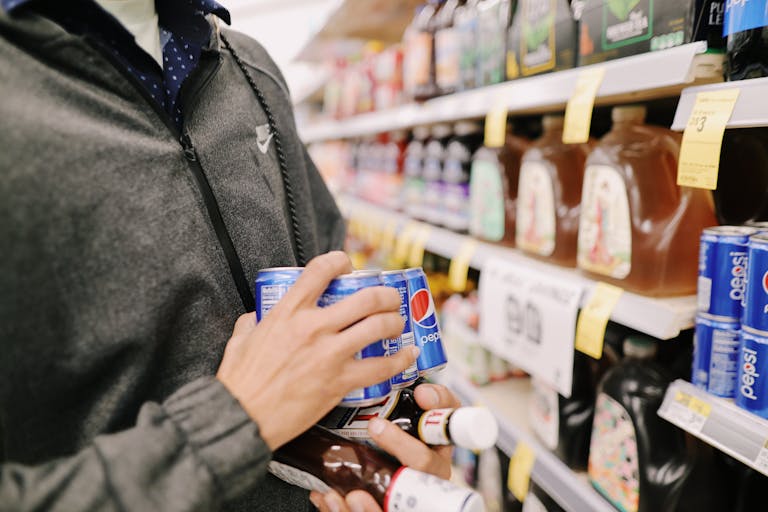
Butter is the ingredient nobody wants a surprise from in November, with pie crusts and dinner rolls waiting on the calendar. One Walmart shopper says the price of a block changed in the short walk between the dairy case and the checkout, and his TikTok has more than 590,800 views, according to BroBible.
The shopper, who goes by Patrick (@rapidpenguinz), says butter priced at $3.98 rang up higher at self-checkout, and that a manager told him prices can change because of computer updates, BroBible reported on Oct. 18. Walmart has said repeatedly that it does not and will not use digital shelf labels for individual or dynamic pricing, and nothing in the reports ties his trip to any such practice.

What the Shopper Says Happened
According to the Daily Dot, Patrick posted the video on Sept. 25 and it had 559,000 views by Oct. 1. BroBible later counted more than 590,800. He said he and his son went to Walmart for butter and other baking items, and that he pays close attention to prices because of how high groceries have become. Shoppers who share that habit may like a Frenz Hub look at things that are actually getting cheaper.
At checkout, he says, the prices came up higher than he expected. He called over a manager, who answered that the price can change between leaving the aisle and reaching the register because of computer updates, as Patrick tells it. He pointed out that an item at $3.98 should not climb in the less than two minutes it takes to walk to the front of the store.
The Daily Dot added a caution that matters for anyone reading the story. The outlet said it could not independently verify the pricing discrepancy Patrick described or confirm Walmart’s current policies on price updates. The video is one shopper’s account, and neither outlet reported a Walmart response to it.
Price tags have caused confusion at the chain before. Another Walmart shopper’s TikTok about pegs reading “Pajamas $22.98 and Below” in place of price tags drew a response from the retailer, so shelf signs can puzzle people in more than one department. Shoppers hunting for savings can also look at one mom’s report that Kroger clearance can run as much as 65% off, or a Frenz Hub list of products Americans overpay for without noticing.
Walmart’s Position on Digital Shelf Labels
Digital shelf labels are small electronic displays that replace paper tags. Walmart executive Dan Bartlett wrote in a press release, as BroBible quoted, that the labels “do not identify customers, nor do they independently set prices,” and that “Walmart does not and will not use digital shelf labels for individual or dynamic pricing.”
Bartlett repeated the point in a Monday letter, according to Retail Dive in a story published Oct. 6. The letter was addressed to Lindsay Owens, who leads the advocacy group Groundwork Collaborative, and asked her to correct what Walmart called mischaracterizations of its pricing practices. For a broader look at stretching a grocery budget, a Frenz Hub set of wallet-friendly life hacks covers everyday ideas.
That group had published a report pointing to Walmart patents, including one on remote control of electronic shelf labels granted in 2023. A Walmart spokesperson told Retail Dive that a patent is not a plan, that the company does not and will not use the labels to change prices based on what is in a shopper’s cart, who the shopper is or the time of day, and that it will not use or renew that patent. Grocery Dive carried the same report on Oct. 7.

The Numbers Behind the Labels
Retail Brew reported on March 9 that Walmart was expanding digital shelf labels across its entire U.S. footprint this year, building on 2,300 locations that already used them. According to that report, changing a price used to take days and now takes hours, which Walmart says keeps the shelf aligned with what customers pay at the register. The same story said Walmart told the outlet the labels would not be used for dynamic pricing.
BroBible also cited a spring 2026 report from Decodo, which said Walmart changed nearly 70,000 prices in real time. The report said 53% of price movements were decreases, which Decodo wrote supports the retailer’s public position that dynamic pricing serves customers rather than exploiting them. That is a pattern of price changes in aggregate, and it does not explain what happened to one block of butter in one store.
Retail Dive also noted that personalized and dynamic pricing has drawn regulatory interest over the past year, with the FTC turning its attention to personalized pricing and Maryland becoming the first state to ban price manipulation driven by surveillance data.
What Holiday Bakers Can Take From It
Butter often anchors a baking list, so any gap between shelf and register shows up across pies, rolls and cookies. The shopper’s own steps are an easy template: notice a higher price, ask a manager and compare the shelf tag with the receipt.
Walmart’s statements describe how the company says it uses digital labels, and the TikTok describes what one customer says he saw, so the two accounts sit side by side without settling each other.
The view counts here come from the Daily Dot on Oct. 1 and BroBible on Oct. 18, and they have likely moved since. The video itself is on the shopper’s TikTok account.
This article was produced with AI assistance and edited for accuracy against the sources linked above.
Image: Charles Haynes from Bangalore, India – CC BY-SA 2.0/Wikimedia Commons