A parent can miss the first warning signs because they do not always look dramatic. Sometimes it starts with a missing twenty-dollar bill, a school call about bullying, or a younger sibling who suddenly seems scared to be alone in the same room. The house still looks normal, but something in the child’s behavior is becoming harder to explain.
No child should be branded as a criminal because of one bad choice, one angry outburst, or one rough season. Kids can act out because of stress, trauma, grief, attention problems, bad friends, family pressure, or mental health struggles. Still, patterns matter, and criminal tendencies in children deserve serious attention before they become harder to stop.
The real issue is not about shaming a child. It is about noticing when behavior moves from ordinary mischief into cruelty, deception, intimidation, destruction, or danger. Parents, teachers, and caregivers need to act early because warning signs rarely resolve on their own through silence.
When Aggression Stops Looking Like Normal Anger
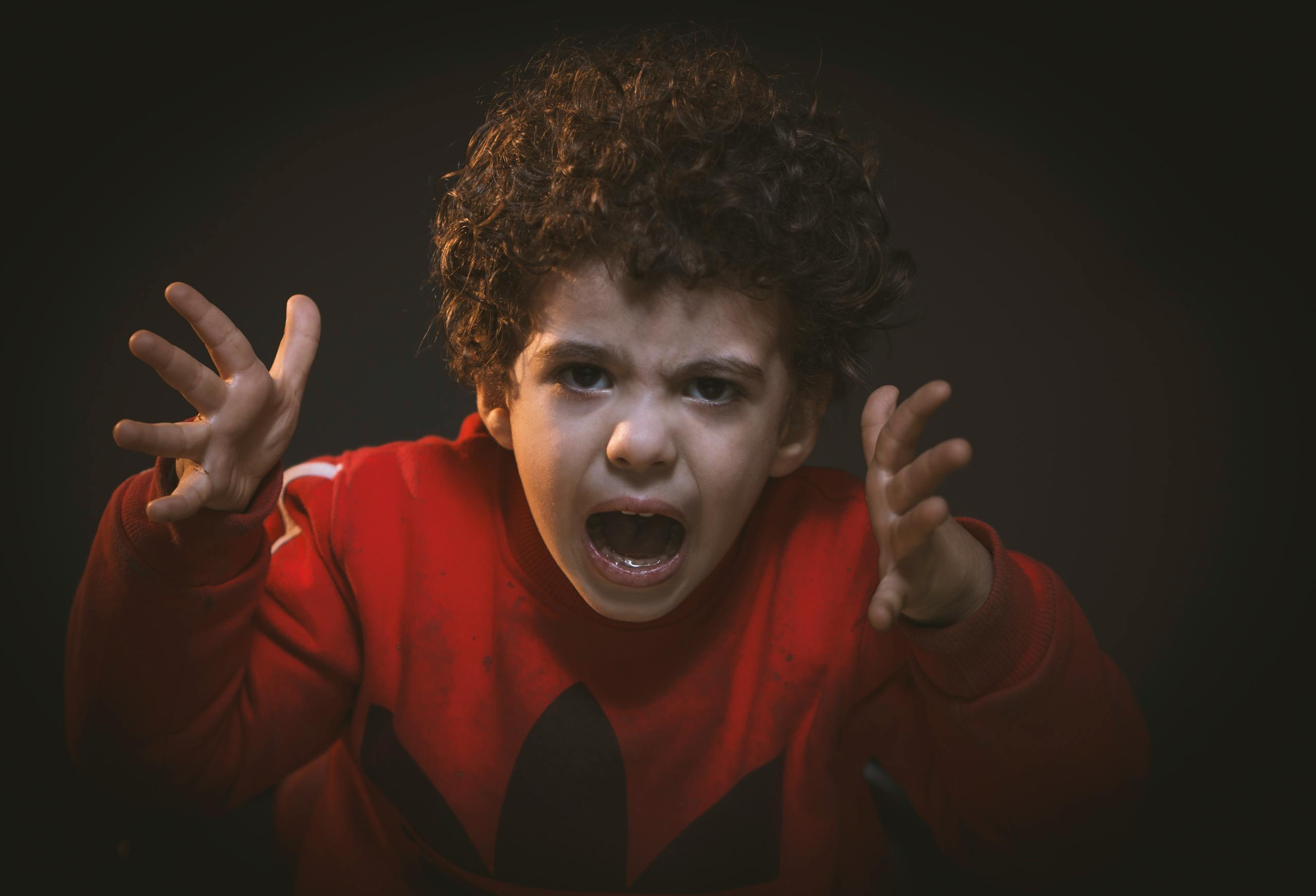
Every child gets angry, argues, or loses control sometimes. The concern grows when anger turns into repeated hitting, threats, intimidation, or pleasure in making others afraid. That kind of aggression can signal that a child is learning to use fear as a shortcut to power.
This is especially alarming when the child shows little regret afterward. A child who hurts others and shrugs it off may need more than a lecture or punishment. Research on youth violence risks shows that violence often grows from a mix of personal, family, peer, and community pressures.
When Lying Becomes a Whole Personality
Children lie sometimes to avoid punishment, embarrassment, or disappointment. That does not automatically mean they are headed toward serious trouble. The warning sign appears when lying becomes constant, calculated, and almost automatic.
A child may create detailed stories, blame innocent people, hide evidence, or lie, even when telling the truth would be easier. This pattern can damage trust inside the home and teach the child that manipulation works. When deception becomes a daily survival tool, adults need to look deeper than the lie itself.
When Stealing Is Repeated and Excused
A child taking candy once is different from a child repeatedly stealing money, electronics, school items, or personal belongings. The pattern matters more than the object. Repeated stealing can indicate poor impulse control, resentment, thrill-seeking, peer pressure, or a growing comfort with crossing boundaries.
Parents should not laugh it off as cleverness or dismiss it as a phase if it keeps happening. A child who steals and feels no concern for the person harmed is learning a dangerous lesson. Early intervention can help connect actions to consequences before theft becomes part of the child’s identity.
When Cruelty Toward Animals or Weaker Kids Appears
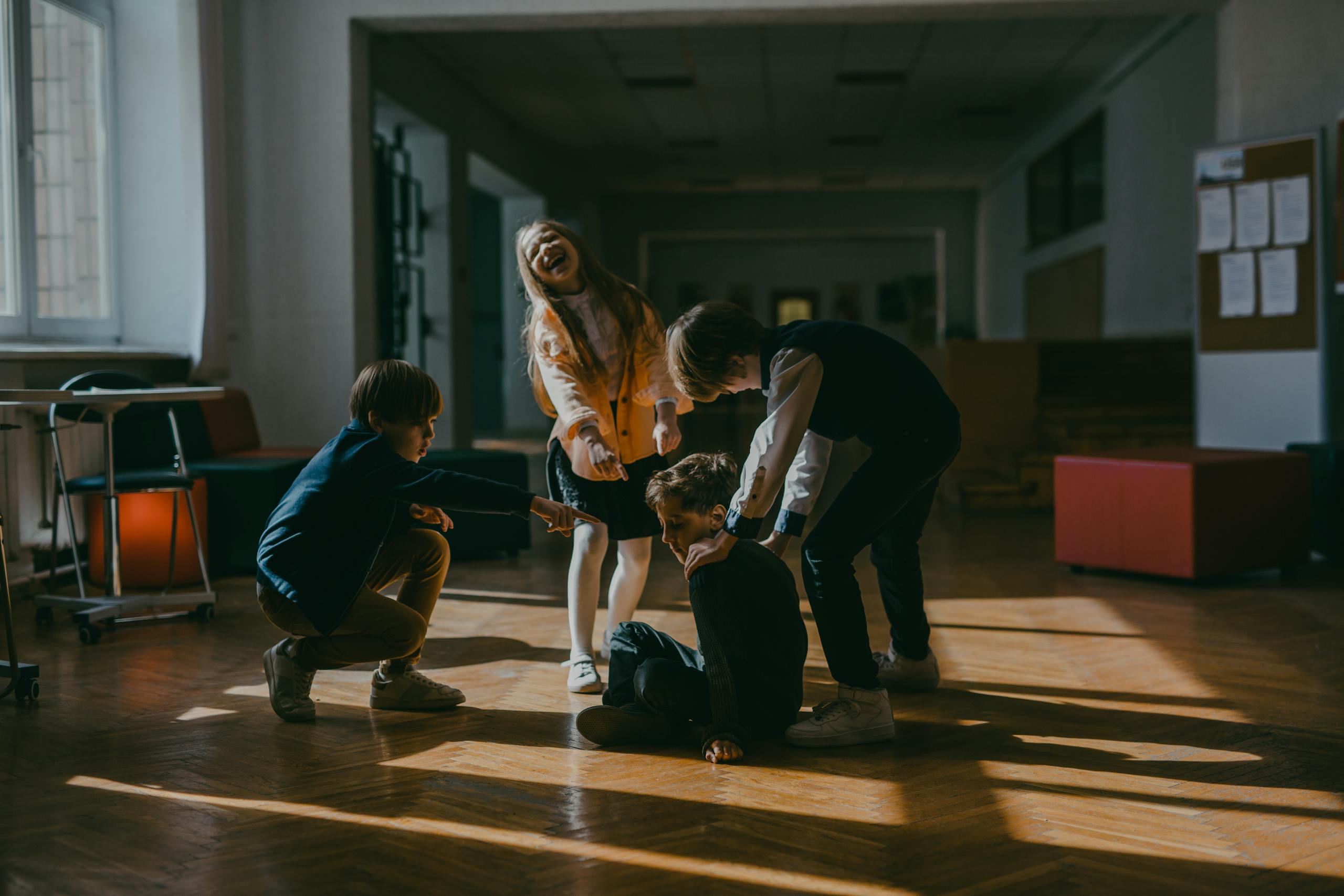
Cruelty is one of the clearest lines adults should never ignore. A child who enjoys hurting animals, bullying younger children, tormenting classmates, or humiliating vulnerable people may be showing a serious lack of empathy. That does not mean the child is beyond help, but it does mean the behavior needs urgent attention.
This kind of conduct can point to deeper emotional or behavioral problems. Information on conduct disorder signs describes patterns that may include aggression, rule-breaking, and unsafe behavior toward others. Parents should respond firmly, document incidents, and seek professional guidance when cruelty becomes repeated.
When Rules Mean Nothing Anymore
Most kids test rules because testing limits is part of growing up. The danger starts when a child seems completely unmoved by consequences, agreements, school discipline, or family expectations. They may sneak out, skip school, break curfew, ignore warnings, or treat every rule as a challenge.
This behavior can exhaust parents to the point of giving up, which only makes the pattern stronger. A child who learns that adults cannot or will not follow through may become bolder over time. Consistent limits, supervision, and support matter because chaos can become comfortable when nobody interrupts it.
When Criminal Tendencies in Children Show Up as Bullying
Bullying is not just kids being kids. It can become a rehearsed form of control, especially when a child targets someone repeatedly, gathers an audience, or uses humiliation for entertainment. The warning sign is not only the aggression, but the child’s enjoyment of power over someone else.
Adults should take bullying seriously because it can train a child to see cruelty as social currency. Guidance on bullying behavior patterns makes clear that bullying includes aggressive actions meant to cause injury, discomfort, or fear. When criminal tendencies in children show up through bullying, the focus should be accountability, empathy building, and real consequences.
When Friends Become a Dangerous Influence

Peer groups can shape a child faster than parents want to admit. A child who suddenly hides their friends, changes behavior, carries strange items, uses secretive language, or becomes loyal to a reckless group may be slipping into risky territory. The concern grows when the child starts defending bad behavior because everyone else is doing it.
This does not mean every rough friend is a criminal threat. It means parents should pay attention when belonging starts costing the child their conscience. Research on gang involvement risks shows that peer influence, school problems, family stress, and community conditions can all raise danger.
When Destruction Becomes a Way to Feel Powerful
Breaking things in anger can happen during a meltdown, but repeated destruction is different. A child who damages property, sets fires, vandalizes spaces, or destroys other people’s belongings may be using damage as a form of expression. The message is often louder than the broken object.
Destruction can come from rage, attention seeking, emotional pain, thrill seeking, or the desire to scare others. Parents should not only ask what was broken. They should ask what the child felt before, during, and after the damage, because the answer may reveal whether the behavior is escalating.
When Remorse Seems Missing
A child who makes a serious mistake but feels guilt has something to work with. Remorse can become the doorway to repair, apology, and growth. The concern rises when a child hurts people, lies, steals, or destroys things, and seems cold, amused, or annoyed that anyone cares.
Lack of remorse does not always mean a child is dangerous, but it should never be ignored. Some children hide shame behind toughness, while others truly struggle to understand the pain they cause. A mental health professional can help separate defiance, trauma, emotional numbness, and deeper conduct concerns.
When Emotional Problems Hide Behind Bad Behavior
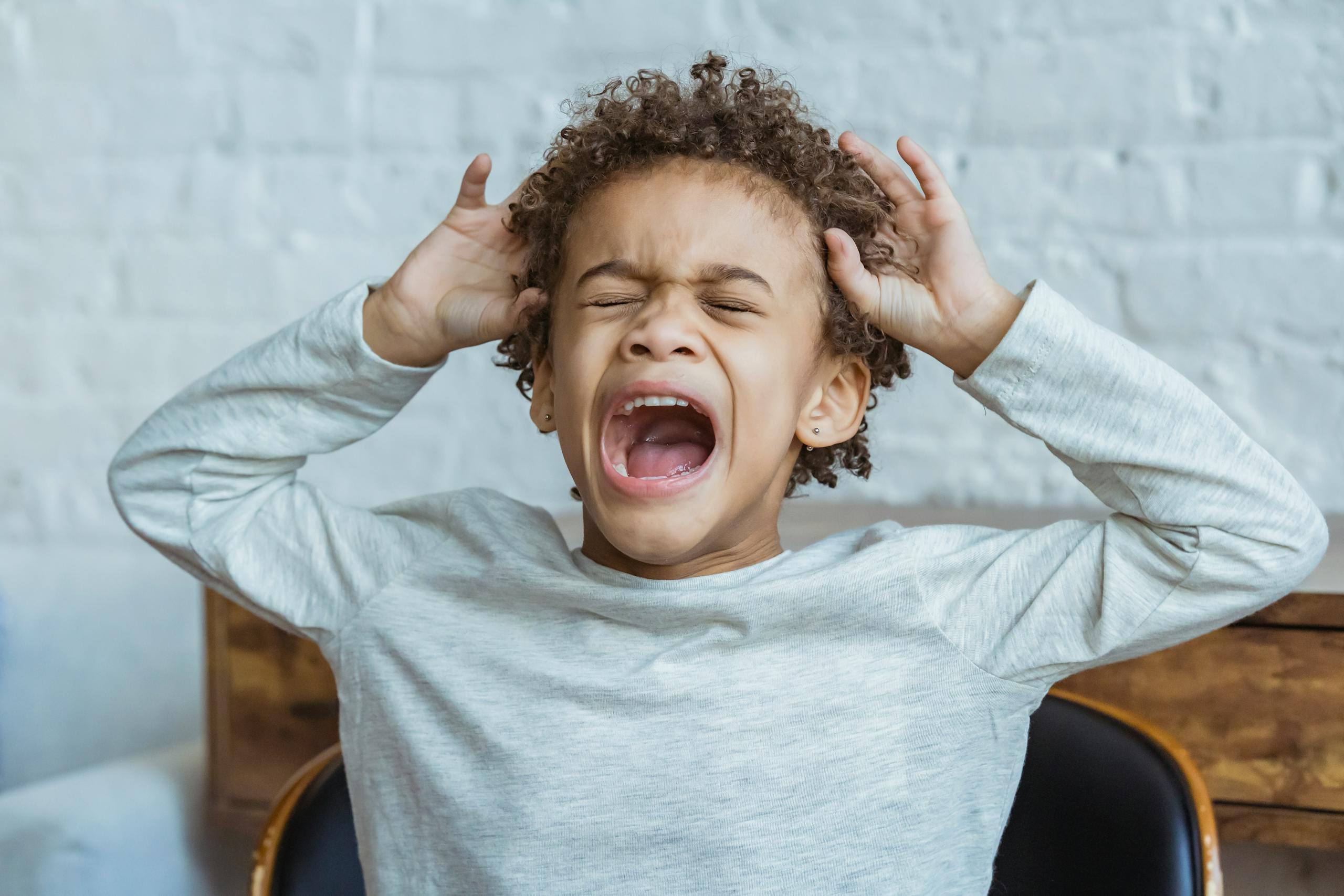
Some children look angry when they are really anxious, depressed, traumatized, or overwhelmed. They may lash out because they do not know how to explain what is happening inside. Bad behavior can become the loudest symptom of a child who feels unseen.
Parents should watch for sleep changes, isolation, fear, irritability, school struggles, or sudden personality shifts. National guidance on child mental health warns that emotional struggles can show up in behavior, relationships, sleep, and daily functioning. The goal is not to excuse harmful actions, but to understand what is driving them.
Key Takeaway
Criminal tendencies in children should never be used as a careless label. A child is still growing, changing, learning, and capable of being redirected with the right help. The danger is ignoring repeated patterns of cruelty, aggression, stealing, lying, destruction, bullying, and total disregard for rules.
Parents should respond early, firmly, and calmly. That may mean tighter supervision, school involvement, family therapy, mental health evaluation, clearer boundaries, and consistent consequences that teach responsibility rather than only fear. The earlier adults step in, the more room a child has to change direction.
The strongest response is not panic or denial. It is attention. A child showing serious warning signs needs adults brave enough to see the behavior clearly and loving enough to act before the world does.