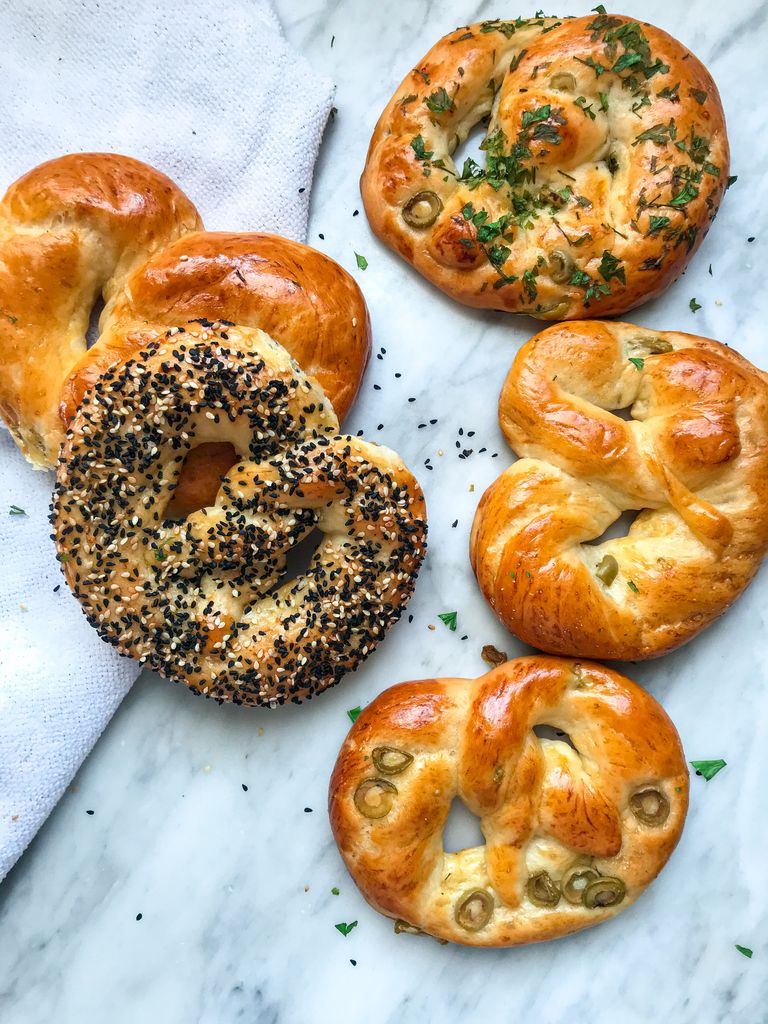
Every family has a designated dish carrier: the aunt with the seven-layer salad balanced on her lap, the cousin with two pies stacked on the back seat, the in-laws driving three hours with a cooler of deviled eggs and cranberry relish. Getting those dishes to the table in good shape takes more than a steady hand.
Food safety specialists at Clemson Cooperative Extension say cold dishes should stay at 40°F or below for the whole trip, and the USDA’s Nov. 13, 2026 Thanksgiving guidance draws the same line. Here are 6 cooler-packing rules from Clemson and the USDA for anyone driving food to a holiday meal this week.

Why 40°F is the line
The USDA’s Nov. 13, 2026 Thanksgiving bulletin explains that bacteria grow quickly between 40°F and 140°F, a range the agency calls the Danger Zone. Its rule is simple: keep cold food at or below 40°F and hot food at or above 140°F. Perishable foods left at room temperature for more than 2 hours should be thrown away.
A car ride stretches that window. Traffic on the busiest travel days of the year can turn a 90-minute drive into three hours, and with AAA projecting 72.9 million Thanksgiving drivers, a covered dish can easily spend longer on the road than planned. A quick list of car checks before a Thanksgiving road trip handles the vehicle; the cooler needs its own plan. Hauling a casserole across two states in a cooler is the kind of holiday habit that would fit right in among the strange Thanksgiving traditions everyone pretends aren’t weird, but it works best with a little planning before the car is loaded.
The 6 cooler-packing rules
1. Keep cold dishes at 40°F or below with plenty of ice
Clemson’s Traveling with Food fact sheet says to have plenty of ice or frozen gel packs on hand before packing, and to keep cold foods at 40°F or below. That covers salads, deviled eggs, cheese trays, cream pies, dips and anything with dairy, eggs, meat or seafood.
2. Keep hot dishes at 140°F or above, or chill them first
Hot foods should stay at 140°F or higher. The USDA’s holiday food safety advice recommends insulated containers for hot dishes, and Clemson suggests insulated bags and towels. For long drives, it is often easier to cook a casserole ahead, chill it, carry it cold and reheat it at the host’s house. Hosts juggling oven space might appreciate that, and some cooks lean on an air fryer or toaster oven to free up the oven on the big day.
3. Pack a full cooler and replace melting ice
A full cooler holds its temperature longer than a half-empty one. Clemson advises filling empty space with more ice, fruit or nonperishable items and replacing ice as soon as it starts to melt. Long sightseeing stops along the way, even at one of the worst American tourist attractions, give ice more time to melt, so a bag of spare ice is worth packing.
4. Go straight from the refrigerator to the cooler
Perishables should move directly from the refrigerator into the cooler, not sit on the counter while the car gets loaded. Raw meat, poultry and seafood should be wrapped or bagged so juices cannot drip onto ready-to-eat dishes. Clemson notes that meat and poultry can go in frozen, since they will thaw on the way.
5. Use two coolers on long trips
Drinks get opened constantly, and every opening lets cold air out. Clemson recommends a separate cooler for drinks and, on longer trips, two coolers: one for snacks and lunch on the road, and one for the perishables headed to the feast.
6. Ride in the cabin, not the trunk
The passenger area is cooler than a closed trunk, so Clemson says the cooler belongs inside the car. At the destination, it should go in the shade or be covered with a blanket or large towel.

When a dish has warmed up
The rule for food that has climbed above 40°F is blunt. Clemson says to discard perishable food left out more than 2 hours, or more than 1 hour when the temperature is above 90°F, and to throw out leftover meat or poultry if the ice has melted and the food feels warm. The USDA’s guidance uses the same 2-hour and 1-hour limits. Whole fruits and vegetables, bread, chips and crackers do not need refrigeration and are generally fine. Clemson’s short version: when in doubt, throw it out.
A simple appliance thermometer tucked into the cooler takes the guesswork out of it. If it reads above 40°F on arrival, the clock has been running, and the dishes with dairy, eggs or meat are the ones to watch.
At the host’s house, and on the way home
Once the dish arrives, it goes straight into the host’s refrigerator or onto ice. The USDA’s step-by-step How to Have a Safe Thanksgiving Dinner guide suggests ice-filled trays or bowls for cold dishes like salads, deviled eggs and fruit and cheese trays, and slow cookers, chafing dishes or warming trays for hot foods. Leftovers should be refrigerated within 2 hours, and the USDA says refrigerated leftovers are good for up to 4 days.
The same cooler rules apply to the drive home with a plate of leftovers. RFD-TV’s summary of the USDA’s Thanksgiving advice repeats the same temperature rules. For questions on the day itself, the USDA Meat and Poultry Hotline, 1-888-674-6854, is open 8 a.m. to 2 p.m. ET on Thanksgiving, Nov. 26, 2026.
This article was produced with AI assistance and edited for accuracy against the sources linked above.
Image: Jacek Halicki – CC BY-SA 4.0/Wikimedia Commons