Every family seems to have one. The uncle with the opinion, the cousin with the follow-up question, the moment somewhere between the turkey and the pie when the whole table goes quiet and everyone stares at the gravy boat.
With Thanksgiving landing on Thursday, Nov. 26, a set of 6 tips from two family therapists is making the rounds again: 4 things to do before dinner, including asking a sibling or partner for backup with a code word or gesture, and 2 things to do once things get heated at the table. The advice comes from Vienna Pharaon and Brittany Stewart, who shared it with CNBC Make It.
Who is giving the advice
The tips first ran in a CNBC Make It guide republished by NBC Chicago in November 2022, and they read just as well heading into the 2026 holiday. Vienna Pharaon is a family therapist and author whose book looks at how family patterns repeat. Brittany Stewart is a family therapist at Growing Self Counseling & Coaching in Denver, Colorado.
Pharaon’s starting point is blunt. In her view, a single look, complaint or comment can set off a fight the whole family has seen before, because old grievances return to the table every year. Plenty of households will recognize the pattern from a rundown of what families argue about at Thanksgiving dinner. The long, food-centered day is itself one of the odd American traditions that confuse the rest of the world.
1. Prepare a response before the doorbell rings
Pharaon’s first tip is to plan for the family as it really is, not the family everyone hopes will show up. Her advice is to think back on how past dinners actually went, figure out which comment is likely to land and from whom, and decide ahead of time how to answer it in a way that keeps the peace.
She adds that trying to change the mind of someone set on not changing wastes energy. A short, calm reply rehearsed in the car beats a speech composed over the mashed potatoes.
2. Do something calming first
Stewart suggests carving out a little time alone before heading over. She names a walk, meditating or a shower as examples, anything that settles the mind before the meal. Arriving calm, the CNBC piece notes, can make for a longer fuse once the plates start moving.
For hosts, that can be hard to squeeze in between basting and setting the table, which is one reason a day-by-day Thanksgiving prep plan helps leave a few quiet minutes on the morning itself. Freeing up kitchen space matters too; one comparison of countertop ovens and air fryers that take pressure off the main oven is built around exactly that crunch.
3. Line up backup, complete with a code word
This is the tip that tends to get the biggest reaction. Before arriving, Stewart recommends asking a sibling or partner to step in if conflict starts. The two can even agree on a code word or a small gesture that means one of them needs a break from the table, or needs the other to jump in and change the subject.
The code word can be anything that sounds natural at dinner, like a question about the cranberry sauce. A trusted person already knows the plan, and some of the stranger rituals in a list of Thanksgiving traditions everyone pretends are normal make handy subject changers.
4. Set the boundary ahead of time
Stewart’s fourth tip is to call relatives before the holiday and say which topic should stay off the table, framed warmly: excitement about seeing everyone, a request to skip a subject such as the election, and real interest in catching up on everything else.
She also suggests a time boundary. Letting the family know ahead of time that the visit ends at 8 p.m. sets expectations so the exit later does not feel like a slammed door. That kind of pacing fits the broader idea in a piece on getting through the holiday stretch without running out of steam.
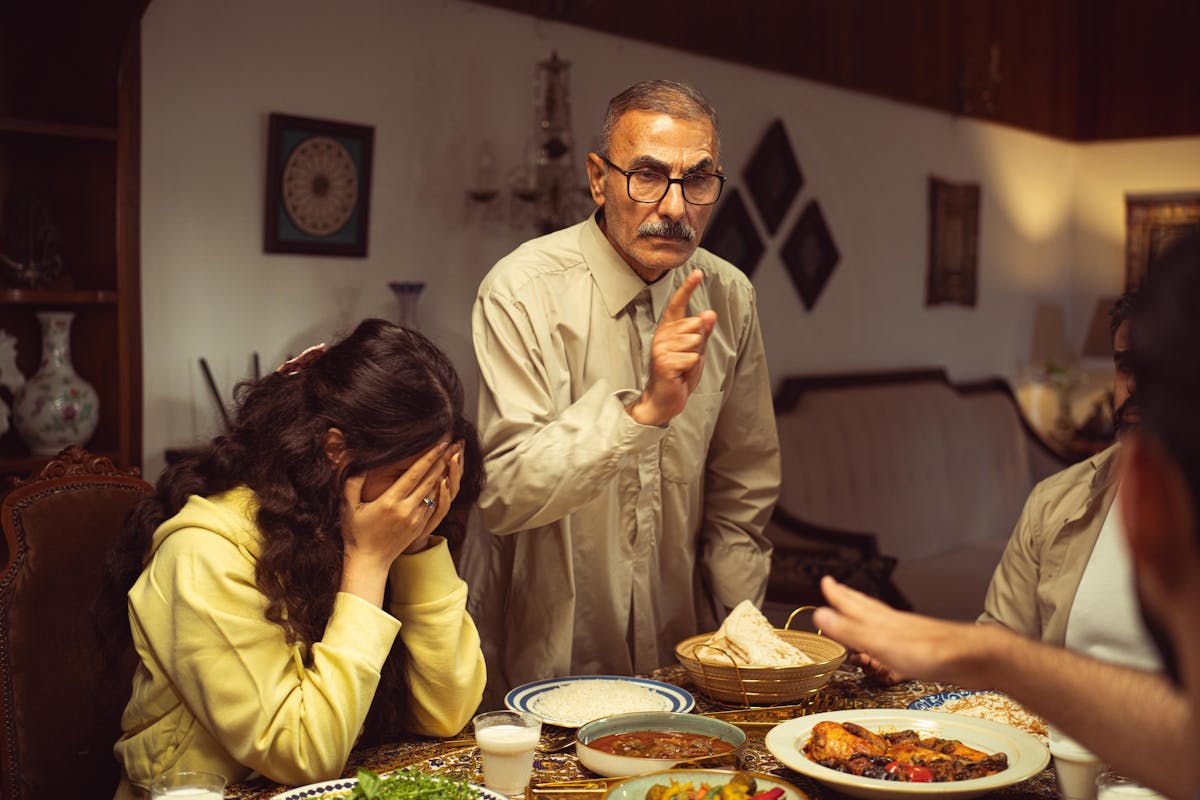
5. Step away to regroup
Even with every plan in place, relatives may still push buttons. Once the meal is underway, the therapists suggest leaning on whatever small habits help steady the mood on a normal day, such as a quick walk outside or a text to a friend.
Pharaon’s view is that guests should look after themselves first and stop trying to manage everyone else’s feelings, a role some people have played at family dinners their whole lives. A trip to the kitchen to check on the rolls is a perfectly good excuse. Thanksgiving helps here, since there is always a dish to stir or a game on.
6. Say plainly that the argument is over, then excuse oneself
Pharaon’s last tip is to name the problem out loud instead of tiptoeing around it. Her suggested lines, paraphrased, include pointing out that the conversation is not going anywhere productive, saying the two sides see it differently and leaving it there, and stating simply that an argument is not on the menu. If the conversation keeps going anyway, the advice is to excuse oneself to get a drink or some fresh air.
She also suggests picturing ahead of time the exact moment each year when the pull into the old argument usually happens, and then picturing stepping back out of it.
Lines that steer the table back to the food
A more recent TIME guide to changing the subject, published in November 2025, offers ready-made pivots that pair well with the code word. Headspace therapist Joy Parrish suggests creating a physical break with a line like “OK, let’s pause. Does anyone need a refill?” Hope College communication professor Jayson Dibble suggests turning to nostalgia, such as asking when Grandma came up with her secret cranberry sauce recipe or asking older relatives about their early Thanksgivings.
The American Thanksgiving tradition centers on a shared meal of turkey, stuffing, mashed potatoes, cranberry sauce and pie, and nearly everyone at the table has an opinion about at least one of them. The Emily Post Institute’s Thanksgiving tips make a similar point from the etiquette side, advising guests to skip controversial or painful topics and keep the talk on gratitude and togetherness.
None of the 6 tips promises a quiet table. What they offer is a plan, a partner and an exit line, which may be all most people need to make it to dessert.
This article was produced with AI assistance and edited for accuracy against the sources linked above.