Brushing snow off the windshield and windows before heading out might seem like enough, especially when you’re already running late. But what about the thick layer sitting on your car roof? In several U.S. states, leaving snow and ice on your vehicle can get you into legal trouble, even if you can see perfectly well through the windshield.
The problem is bigger than a messy car. As a vehicle picks up speed, packed snow can slide onto the windshield, while heavy sheets of ice can fly off and smash into vehicles behind it. Some states have introduced specific laws requiring drivers to clear their vehicles, while others impose penalties when falling snow or ice creates a dangerous situation.
Here are the states where drivers need to pay particular attention to what is sitting on top of their vehicles.
Pennsylvania Requires Drivers to Make Reasonable Efforts to Clear Snow
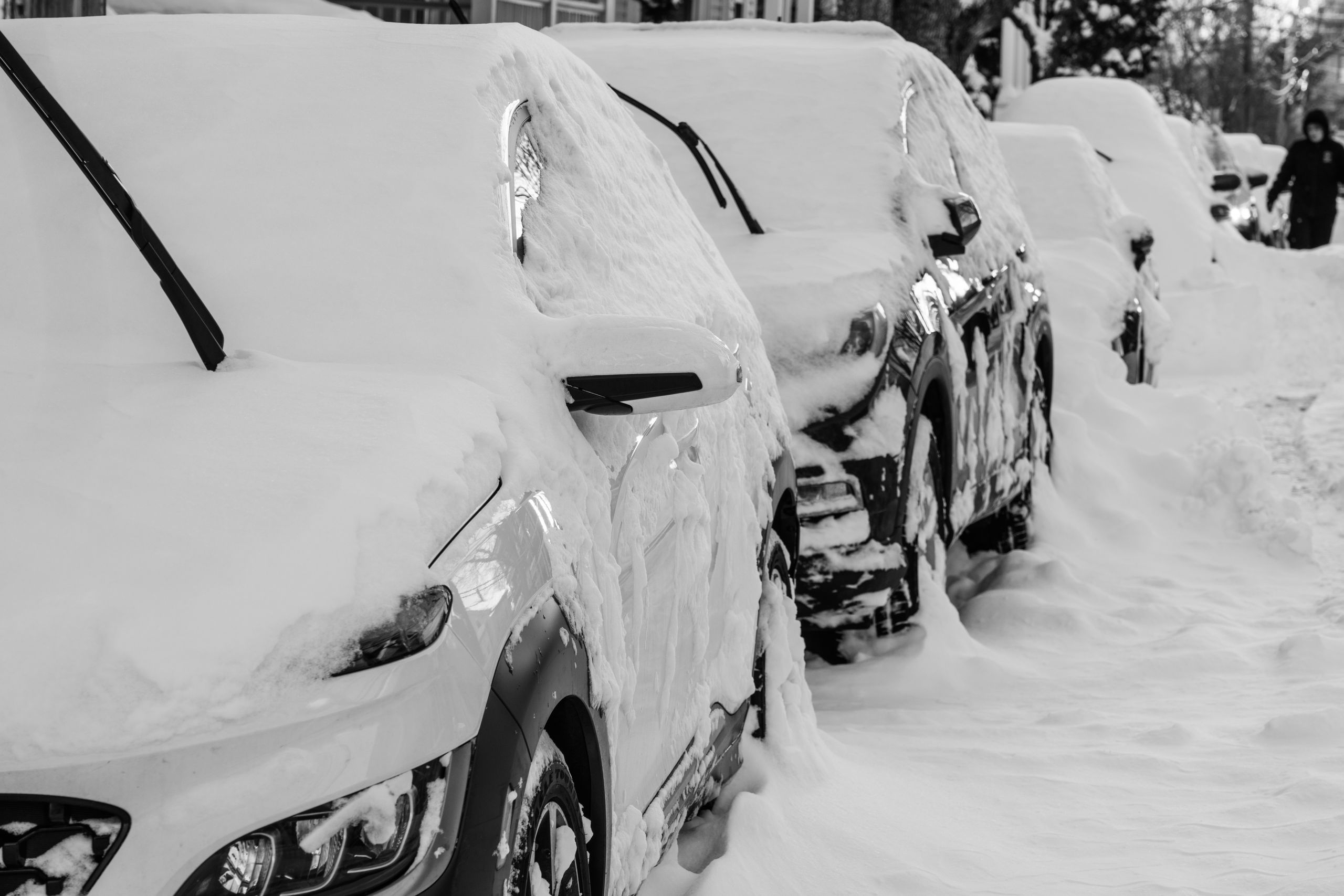
Pennsylvania has one of the clearest laws on driving with snow and ice on a vehicle. Under Section 3721 of the state’s vehicle code, drivers must make reasonable efforts to remove accumulated snow and ice from their vehicles, including the hood, trunk, and roof. The law gives drivers up to 24 hours after snowfall, or ice stops falling, to comply.
Failing to do so can result in a $50 fine, even if no snow or ice actually falls off the vehicle. The penalties become considerably more serious when falling ice or snow strikes another vehicle or pedestrian and causes death or serious bodily injury. In such cases, drivers can face fines ranging from $200 to $1,500.
The law is commonly known as Christine’s Law. It was named after Christine Lambert, who was killed on Christmas Day in 2005 when ice flying off a passing vehicle struck her car. Pennsylvania introduced the legislation to address the danger before another family experienced a similar tragedy.
New Jersey Requires Drivers to Clear Exposed Vehicle Surfaces
New Jersey is another state where drivers cannot simply brush off their windshields and leave the rest of the car covered in snow. Under N.J.S.A. 39:4-77.1, motorists must make all reasonable efforts to remove accumulated snow and ice before driving on public roads.
The requirement covers the windshield, windows, hood, trunk, and roof. This matters because snow that appears firmly packed while a vehicle is parked can become loose once the car starts moving.
Drivers who fail to follow the requirement can face fines of $25 to $75. If snow or ice falls from the vehicle and causes property damage or injury, the penalties can increase to between $200 and $1,000.
It is a particularly important rule for drivers who park outside during winter storms. A quick windshield cleanup simply does not meet the standard.
Connecticut Makes Snow Removal a Safety Requirement
Connecticut takes a similar approach, requiring drivers to remove accumulated snow and ice from their vehicles before hitting the road. Under Section 14-252a of the Connecticut General Statutes, the requirement specifically includes the hood, trunk, and roof.
The law does not demand that every tiny snowflake disappear. Instead, drivers must remove accumulation that could threaten people or property while the vehicle is being operated.
A driver who fails to remove dangerous snow or ice can receive a $75 fine. If the accumulation falls off and causes personal injury or property damage, the fine increases to between $200 and $1,000 for each offense.
There is also an exception for vehicles being operated during ongoing snow, sleet, or freezing rain. That makes sense because expecting someone to keep a vehicle completely snow-free while a storm is actively covering it would be unrealistic.
Rhode Island Prohibits Driving With Significant Snow or Ice Accumulation
Rhode Island has a law that directly addresses the problem of snow and ice falling from moving vehicles. Under Rhode Island General Laws Section 31-23-16, drivers cannot operate a motor vehicle with significant amounts of snow or ice on it.
The interesting part is how the law defines significant accumulation. It refers to snow or ice that could reasonably be expected to blow off the vehicle while driving and obstruct another driver’s vision.
That means even if the snow is not blocking your own windshield, it could still create a legal problem. A vehicle traveling along a busy highway can send loose snow flying toward the driver behind it, potentially causing a dangerous loss of visibility.
The law also recognizes that snow can accumulate while a vehicle is already being driven. Its exception accounts for snow and ice that begin accumulating during operation.
New Hampshire Has a Law Named After a Deadly Ice Accident
New Hampshire’s snow and ice removal rules are closely associated with Jessica’s Law, named after Jessica Smith, who was killed in an accident involving ice falling from a moving commercial vehicle.
The tragedy highlighted how dangerous frozen accumulation can become when it breaks loose at highway speeds. A large sheet of ice does not have to hit a windshield directly to cause a serious accident. Drivers may swerve suddenly to avoid it or lose control when visibility disappears.
New Hampshire’s rules address the danger of snow and ice falling from vehicles and creating hazards for other road users. Drivers should not assume that a quick windshield cleanup is enough when heavy accumulation remains on the roof.
The law is an important reminder that winter driving safety involves more than keeping your own vehicle under control. What falls off your car can affect everyone traveling behind you.
Maine Requires Reasonable Measures to Prevent Falling Snow and Ice
Maine is another state where drivers have a legal responsibility to deal with accumulated snow and ice. Its law requires motorists operating vehicles weighing less than 10,000 pounds to take reasonable measures to prevent snow and ice from falling off while driving.
The distinction is important because the law focuses on preventing dangerous accumulation from becoming a hazard for other motorists. A roof covered in packed snow can become particularly risky when temperatures change, and the frozen layer starts loosening.
Drivers whose falling snow or ice causes damage or injury can face fines of up to $50 for a first offense. Repeat violations carry fines ranging from $150 to $250.
For people who regularly park outdoors in Maine, clearing the roof before driving is a sensible part of getting the car ready for the road. Leaving a thick layer behind can turn an ordinary commute into an expensive mistake.
Maryland Has Introduced a More Direct Snow Removal Requirement
Maryland has also joined the states addressing dangerous snow and ice accumulation on vehicles. In May 2026, Governor Wes Moore signed Senate Bill 698 into law, creating a requirement for drivers to make reasonable efforts to remove accumulated snow and ice from exposed vehicle surfaces.
The law specifically identifies the hood, trunk, windshield, windows, and roof. It also covers exposed surfaces on commercial and noncommercial trucks.
This is significant because Maryland previously relied more heavily on general vehicle safety and visibility requirements when dealing with snow-covered vehicles. The new legislation gives authorities a more direct way to address dangerous accumulation.
The law reflects growing concern about snow and ice falling from moving vehicles and causing accidents. Drivers in Maryland should therefore make clearing their entire vehicle part of their winter driving routine.
Other States Can Still Fine Drivers for Leaving Snow on Their Cars
Not every state has a law that specifically says drivers must remove snow from their roofs. However, that does not mean motorists can leave their vehicles covered and drive without worrying about possible penalties.
States including Alabama, Georgia, Iowa, Michigan, and Wisconsin have laws or vehicle safety requirements that address snow and ice hazards. Depending on the circumstances, authorities may use rules concerning unsafe vehicle operation, obstructed visibility, or unsecured loads to hold drivers responsible.
For example, Michigan prohibits depositing snow and ice on roadways in ways that obstruct other drivers’ visibility. Wisconsin has vehicle load requirements that can apply when material falls from a moving vehicle and creates a road hazard.
Ohio, Kentucky, and Indiana also lack specific statewide statutes directly banning snow on vehicle roofs, but drivers can still receive citations when snow or ice creates a dangerous situation. The exact rules and penalties differ, so motorists should not assume that the absence of a dedicated snow removal law means they are free to drive with dangerous accumulation.
Clearing Your Car Roof Can Prevent More Than a Traffic Ticket
Removing snow from your car might be one of the least exciting parts of winter, but it is worth the extra few minutes. A thick layer sitting on the roof can shift unexpectedly, cover your windshield, or fly into the path of another driver. Even a small piece of ice can cause significant damage when it strikes a vehicle traveling at highway speed.
Start by clearing the roof before moving on to the hood and trunk. Then clean every window, the side mirrors, headlights, taillights, and license plate. A long-handled snow brush can make reaching the roof easier, especially on taller vehicles.
Most importantly, do not mistake being able to see through your windshield for having a completely road-ready vehicle. Winter driving is unpredictable enough without carrying a potential ice projectile on your roof. A few extra minutes with a snow brush could save you a traffic ticket, an insurance headache, or something much worse.