Imagine a child walking into a friend’s house, spotting a gun on a table and not knowing what to do. It is an uncomfortable situation to think about, but Tennessee lawmakers want students to know exactly how to respond if it ever happens.
Beginning with the 2025–2026 school year, Tennessee public schools and public charter schools are required to provide students with annual, age-appropriate firearm-safety instruction. The lessons are designed to teach children how to stay safe around firearms, recognize potential dangers, and respond appropriately if they discover an unsecured gun.
The requirement applies from kindergarten through 12th grade under the state’s implementation guidance. However, the law itself gives state agencies the authority to determine the appropriate starting grade.
Tennessee’s approach is unusual because it makes firearm-safety education a regular part of public school instruction. While supporters see it as a practical way to protect children, critics question whether schools should carry this responsibility in the first place.
What Exactly Are Students Learning?

The lessons are not designed to teach children how to shoot, handle, or operate firearms. Instead, the focus is on prevention and knowing what to do when a gun is nearby.
Students learn about safe firearm storage, school safety, and the importance of never touching a firearm they discover.
One of the most important parts of the instruction is a simple four-step response:
- Stop: Stop immediately when you see a firearm.
- Don’t touch: Never pick it up, even if you think you can move it safely.
- Leave the area: Move away from the firearm and avoid approaching it again.
- Tell an adult: Immediately inform an adult where the firearm is located.
The instructions are deliberately straightforward. Children are not expected to investigate the situation, take the firearm away from another child, or try to prevent someone else from using it.
The message is simple: Get away and tell an adult.
Students also learn that a firearm can look different from what they expect. A gun’s size, color, or appearance does not make it safe to touch.
The Lessons Change as Children Get Older
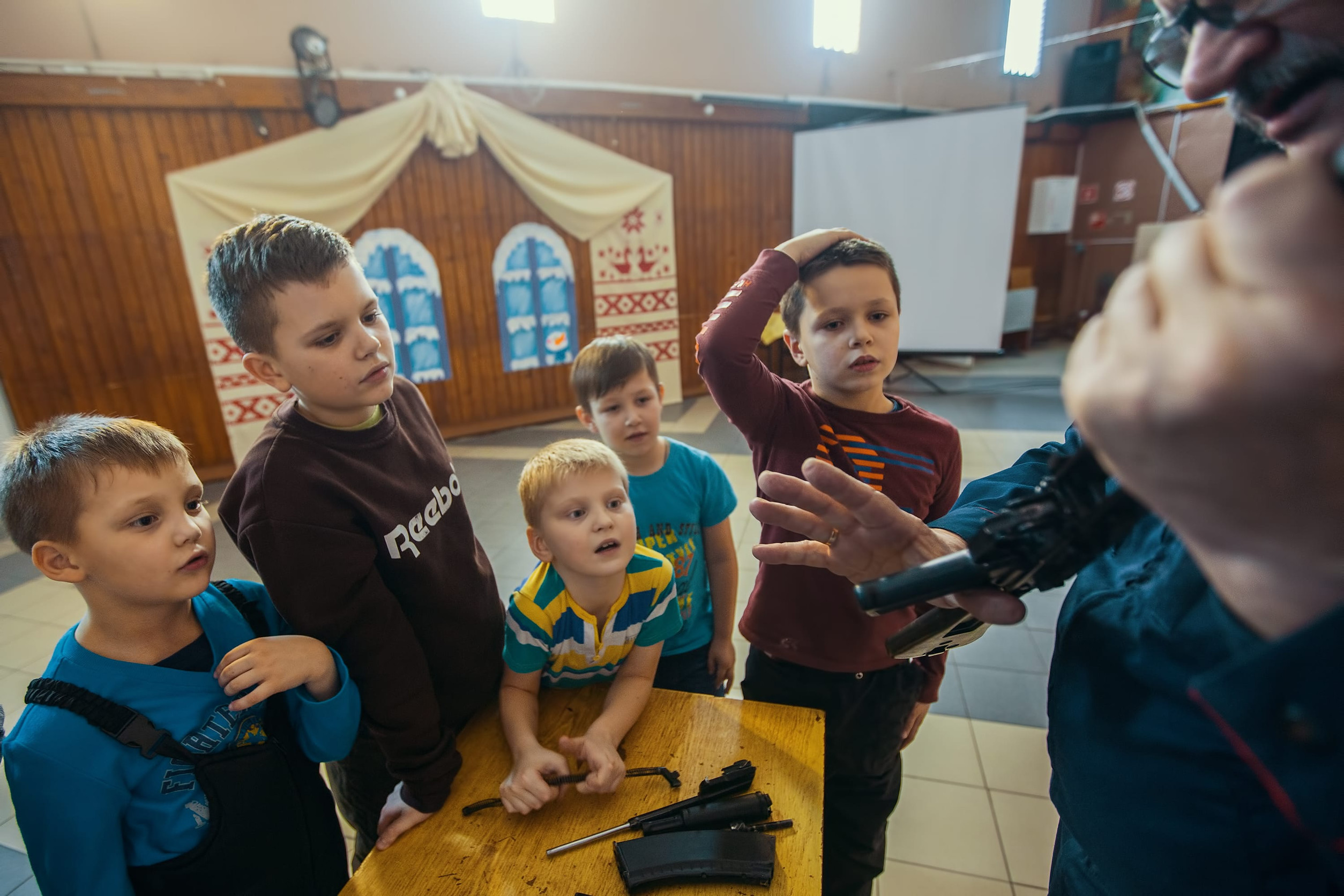
Tennessee’s education department has developed different instructional outcomes for three broad age groups.
Younger children in kindergarten through second grade learn basic firearm-safety language. They are introduced to the meaning of words such as firearm, safety, and responsible. They also learn how to distinguish toy guns from real firearms and practice remembering the four safety rules.
Students in grades three through five build on those lessons. They learn about differences between toy guns, BB guns, air guns, and modern firearms. Safe storage and the importance of never assuming that a gun is a toy remain central topics.
For students in grades six through twelve, the lessons become more detailed. Older students receive additional instruction about household firearm storage, including keeping firearms unloaded and locked away. They also learn why ammunition should be stored separately.
The idea is to give students information that matches their age and understanding rather than presenting every child with exactly the same lesson.
No Live Guns or Ammunition Allowed in Lessons
One detail that may reassure parents is that Tennessee’s law places clear restrictions on what can happen during these classes.
Live firearms, live ammunition, and live-fire activities are prohibited during the required instruction.
In other words, students will not be expected to practice shooting or handle real firearms as part of these lessons.
The law also requires the instruction to remain politically neutral. Lessons cannot promote a particular position on gun rights, gun violence or the Second Amendment.
Restrictions also apply to branded advocacy materials. State agencies cannot approve instructional programs or materials carrying an organizational brand or affiliation.
Schools have flexibility in how they deliver the lessons. They can use classroom instruction, videos, online resources, or support from community partners.
The state guidance also allows schools to work with people such as school resource officers, law enforcement personnel, and public-health educators.
Why Did Tennessee Introduce the Requirement?
The central concern behind the legislation is that children may encounter firearms without knowing how dangerous they can be.
The legislation was introduced as House Bill 2882 and Senate Bill 2923. It was sponsored by Representative Chris Todd and Senator Paul Bailey, signed into law by Governor Bill Lee on April 23, 2024, and designated Public Chapter 800.
The annual instruction requirement began with the 2025–2026 school year.
During legislative discussions, Todd compared firearm-safety education with other familiar school safety activities, including fire drills. He argued that children should receive basic instructions on what to do if they encounter a firearm.
The concern is not difficult to understand. A child might find a gun at home, at a friend’s house, or somewhere else in the community. Without clear instructions, curiosity could lead to danger.
Research from the Centers for Disease Control and Prevention also highlights why secure storage matters. Its December 2023 analysis of unintentional firearm deaths among children found that many incidents involved firearms that were unlocked or loaded.
However, these figures should not be mistaken for evidence that Tennessee’s new law was introduced because of that particular report.
Not Everyone Supports the Approach
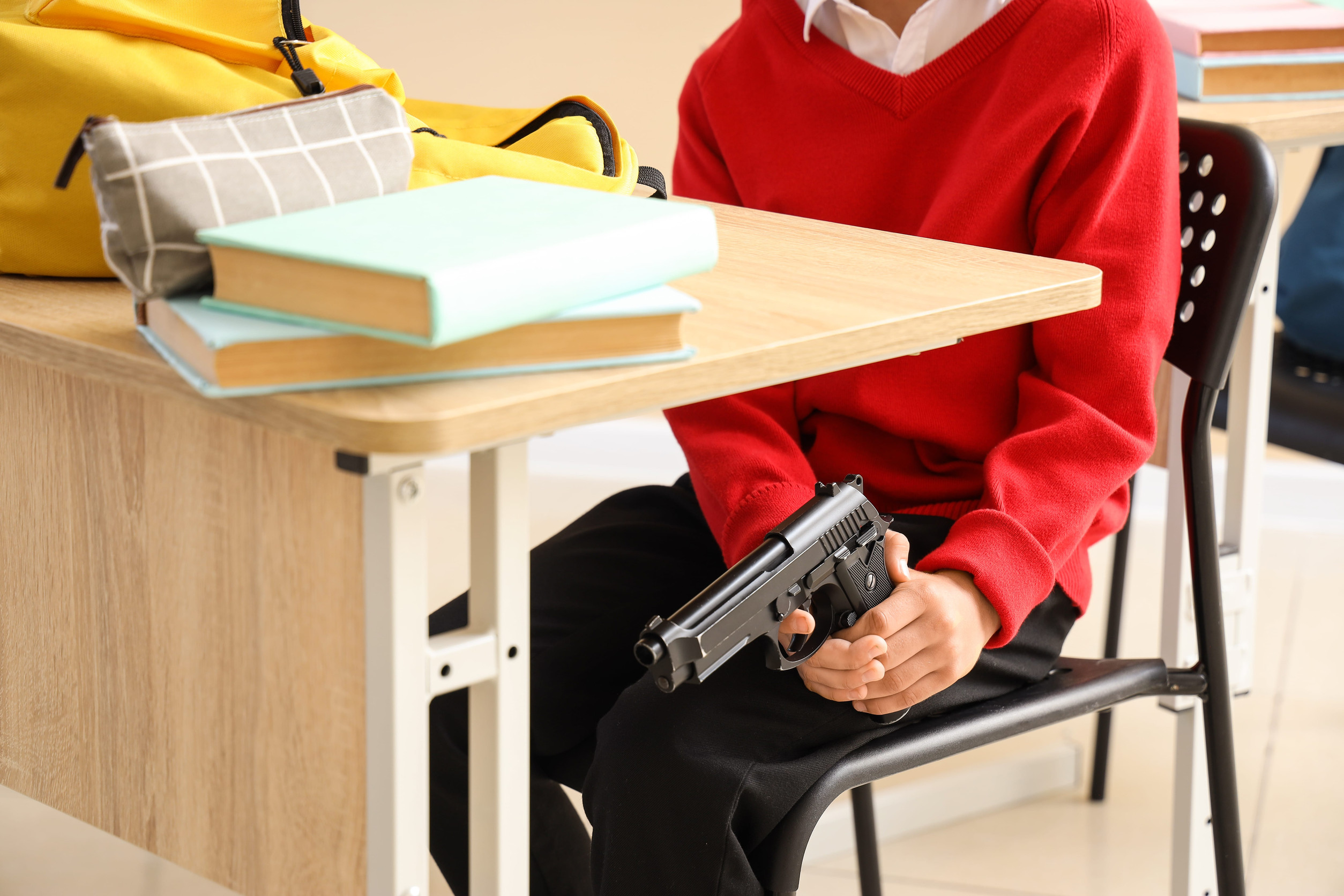
Although the intention is to improve safety, not everyone agrees that firearm-safety instruction belongs in the classroom.
Some critics argue that the responsibility should remain with adults, particularly firearm owners, who should make sure children cannot access unsecured guns.
Meg Beauregard of Everytown for Gun Safety raised concerns about placing too much responsibility on children rather than addressing adult storage practices.
There are also questions about how the lessons might affect students who have experienced gun violence or lost family members to firearm-related incidents.
Representative Gloria Johnson expressed concerns during the legislative debate about how the instruction could affect children with personal experiences of gun violence. She also questioned how teachers could discuss sensitive subjects such as gun violence while remaining politically neutral.
Parental choice is another point of disagreement.
Unlike Utah’s similar legislation, Tennessee’s law does not provide a general parental opt-out provision. It also does not establish a statewide requirement for advance parental notification or consent.
Some school districts may voluntarily inform families about upcoming lessons, but that is a local decision, not a statewide legal requirement.
Tennessee Is Not Alone
Tennessee is part of a small group of states that have introduced comparable public-school firearm-safety requirements.
Arkansas and Utah also enacted related legislation in 2025.
However, their approaches differ.
Arkansas requires annual instruction through grade 12, with its law beginning in the 2025–2026 school year. Its legislation also allows certain approved off-campus alternatives involving live-fire activities when the required parental permission is obtained.
Utah takes a different approach. Its law requires firearm-safety instruction at least three times between kindergarten and sixth grade, once in middle school and once in high school. It also includes parental notification and opt-out provisions.
These differences matter because calling all three states identical in their annual K–12 requirements would be inaccurate.
Does Teaching Gun Safety Actually Make Children Safer?

This is perhaps the biggest question surrounding the policy.
A September 2023 study published in JAMA Pediatrics examined whether a short gun-safety video could influence children’s behavior around firearms.
The experiment involved children ages eight to twelve. Those who watched the gun-safety video were more likely to tell an adult after discovering a disabled handgun than children in the comparison group.
They were also less likely to touch the firearm or pull its trigger.
Still, the findings offer an important reminder: Education alone does not guarantee safety. Even among children who watched the gun-safety video, 39.3% still touched the gun in the experimental scenario.
There is currently no Tennessee-specific evaluation demonstrating that the new school requirement has reduced accidental shootings, injuries, or deaths.
The lessons may improve children’s knowledge and encourage conversations about safe storage at home, but their long-term impact remains uncertain.
A New Conversation About School Safety
Tennessee’s requirement has introduced a different kind of safety lesson into public education. Instead of focusing only on emergencies inside school buildings, it also prepares children for situations they might encounter outside the classroom.
Whether this approach becomes a model for other states remains to be seen. For now, the debate raises an important question about the balance between educating children and holding adults responsible for preventing access to unsecured firearms.
Would you support annual firearm-safety lessons in every public school, or do you believe this responsibility should remain entirely with parents and firearm owners?