Imagine sitting around a fire after dinner, enjoying an ordinary evening with family and friends. Someone arrives with what looks like a familiar sweet, offers it to you, and encourages you to take a bite. You would hardly expect it to explode.
But that is reportedly what happened to 35-year-old Rajendra Barautiya in Madhya Pradesh, India. On November 10, 2026, Barautiya died after an explosive device allegedly presented to him as a traditional Indian sweet called rasgulla detonated inside his mouth.
The shocking incident happened in Padariya Chhanta village in Dindori district. Police are investigating how the explosive reached the village, who supplied it, and whether the fatal incident was intended as a prank or something more sinister.
An Ordinary Evening Turned Into a Tragedy

According to police accounts reported by The New Indian Express, Barautiya had finished dinner with his family at around 7 p.m. He was sitting beside a fire in his home’s courtyard when a fellow villager, identified as Ramabhagat Barautiya, reportedly arrived around 8 p.m.
The two were said to have spent time together near the fire.
At some point, Ramabhagat allegedly handed Rajendra an object and described it as a rasgulla, a popular Indian dessert traditionally made from soft cheese balls cooked in sugar syrup.
Believing it was something edible, Rajendra reportedly accepted the offer and bit into it.
However, the object was not an ordinary sweet. It was allegedly a crude explosive commonly described as a pig-killer bomb, a device associated with attempts to kill wild animals.
The explosive detonated as Rajendra chewed it, causing severe injuries to his mouth and face.
His family members rushed to help and reportedly transported him to Dindori District Hospital in an auto-rickshaw. Despite receiving medical attention, he died.
The incident has left investigators trying to understand how something presented as a harmless treat could have resulted in such a devastating outcome.
What Exactly Was the Object?
One of the biggest questions surrounding the case is what Rajendra was actually given.
Initial reports described the incident as an explosive hidden inside a rasgulla. Other accounts explain that the object resembled the traditional sweet or was simply presented to him as one.
That distinction matters.
There is currently no publicly available forensic report confirming that the explosive was placed inside an actual rasgulla or made using ingredients associated with the dessert.
Police have described it as a crude explosive used for killing animals. Reports commonly refer to such devices as pig-killer bombs.
These descriptions suggest that the object was mistaken for food, but they do not establish exactly how it was constructed or whether it was deliberately manufactured to resemble the dessert.
What police have consistently reported is that the explosion happened when Rajendra bit or chewed the object.
There is no reliable evidence establishing that he swallowed it or that it exploded in his stomach.
Two Men Arrested as Police Investigate

The investigation has focused on the people allegedly involved in getting the explosive to Rajendra.
According to police accounts, Ramabhagat told investigators that another man, identified as Dharmu, had supplied him with the device.
A later investigation by The Indian Express reported that Dharmu was a shepherd who allegedly claimed to have discovered the explosive in a forest before passing it to Ramabhagat.
However, police have not independently established that the device was actually found in the forest.
By November 13, reports confirmed that two men had been arrested in connection with the incident.
The principal accused, Ramabhagat, was reportedly facing allegations connected to culpable homicide. Police also registered a case under Section 105 of the Bharatiya Nyaya Sanhita and Sections 3 and 4 of the Explosive Substances Act, according to The New Indian Express.
These are reported allegations and case-registration provisions. They do not mean that a court has established either man’s guilt.
Uncertainty also surrounds the second suspect’s full name. Different publications have identified him using different surnames, so his identity requires further official confirmation.
Was It a Prank or a Deliberate Attack?
Perhaps the most disturbing question is why anyone would hand another person an explosive while describing it as food.
Police have not established the motive.
According to PTI, Dindori Kotwali police station in-charge Durga Prasad Nagpure described the incident as a joke. However, AFP quoted police officer Rekha Singh explaining that investigators were still trying to determine whether the intention was to kill Rajendra or whether the incident involved mischief.
That uncertainty is important.
Calling it a harmless prank would be premature, particularly because someone lost their life. At the same time, describing it as a planned murder would go beyond what investigators have publicly established.
Police are continuing to examine the circumstances surrounding the handover and the device’s origin.
In its November 16 report, updated November 17, The Indian Express reported that investigators had obtained the shepherd’s call-detail records and were examining possible contacts who might have supplied the explosive.
Authorities were also exploring whether the device could have originated from production around Jabalpur, although no manufacturer or supplier had been identified.
A Traditional Sweet at the Center of a Horrifying Story
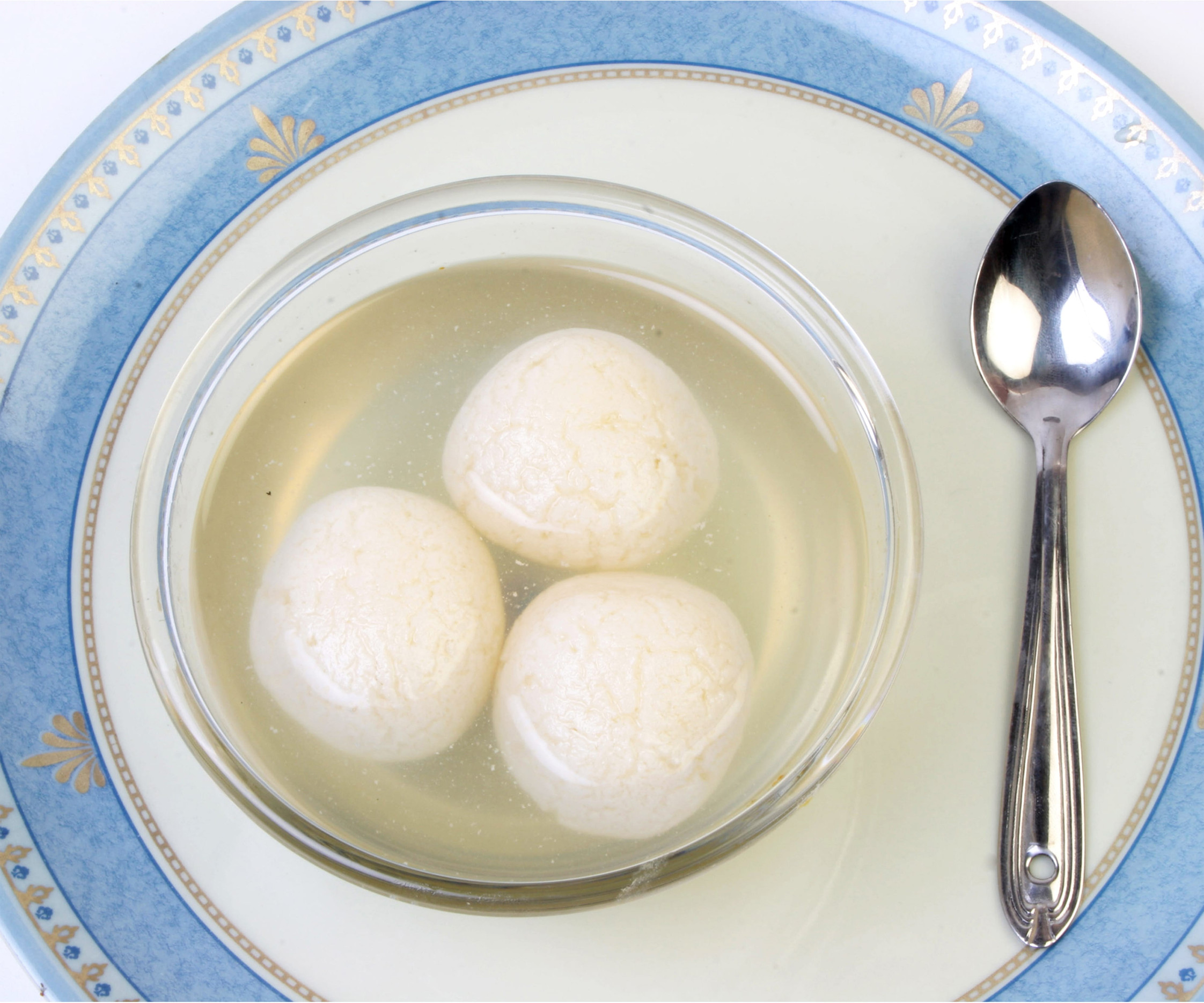
Rasgulla is a well-known Indian dessert, particularly associated with eastern India. It is traditionally prepared using chhena, a fresh cheese made from curdled milk, and cooked in light sugar syrup.
The dessert’s soft, rounded appearance may help explain why the object could have been presented as one.
But no confirmed evidence shows the explosive contained genuine rasgulla ingredients or was specifically manufactured to imitate the dessert.
That distinction matters when discussing the incident. Available reporting establishes that Rajendra was allegedly offered the object as a sweet, not exactly how it was disguised.
What Happens Next?
As of November 17, 2026, investigators were still working to establish the explosive’s origin and the complete chain of people involved.
Important questions remain unanswered, including the device’s exact composition, how it was obtained, whether the suspects knew how dangerous it was, and what motivated the alleged handover.
Forensic findings and further police investigations may help clarify these details.
For now, the death of Rajendra Barautiya is a tragic reminder of the potentially fatal consequences of crude explosive devices used as animal traps.
What began as an apparently ordinary evening with family ended in a devastating loss. And until investigators establish exactly what happened, the circumstances surrounding the so-called rasgulla bomb remain deeply troubling.