Ever wondered whether what you eat could affect how attractive you smell to others? It turns out your food choices may affect your natural body scent. And the science behind it is more interesting than you might expect.
While perfume, deodorant, and personal hygiene all play a role in how we smell, researchers have found that certain dietary patterns may also influence body odor. Some foods have even been linked to more pleasant-smelling underarm sweat in small human studies.
But before you start eating pineapple every morning or avoiding garlic completely, a few things are worth knowing. Not every popular body odor tip has scientific support, and some foods affect breath differently from how they affect sweat.
Here are some foods that may influence your natural scent, along with a few popular claims that deserve a closer look.
Fruits and Vegetables May Be Worth Adding to Your Plate
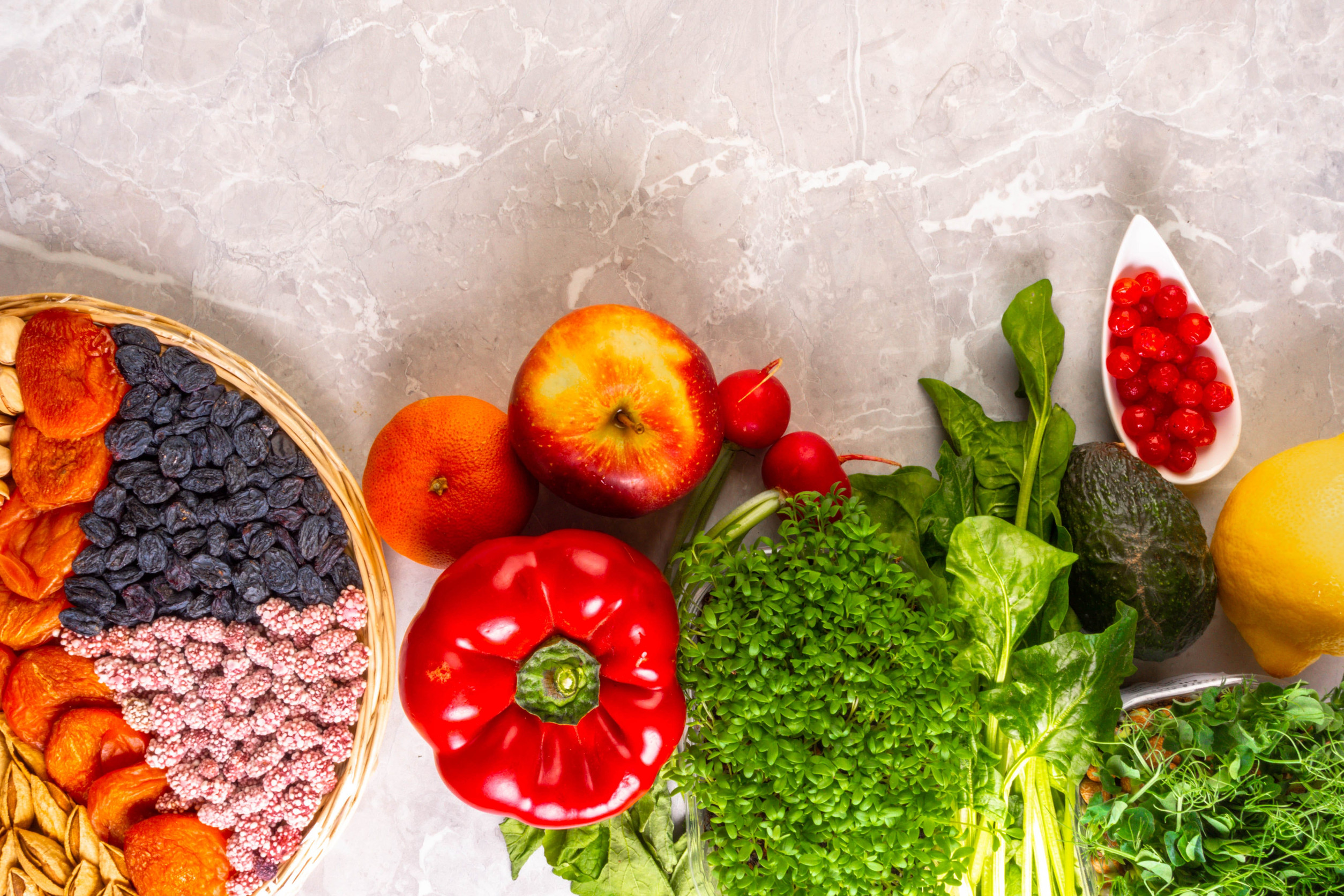
If one dietary category has interesting evidence behind it, it is fruits and vegetables.
A 2017 study published in Evolution and Human Behavior examined the relationship between men’s diets and the attractiveness of their underarm odor. Researchers collected sweat samples and compared them with information about the men’s eating habits.
The findings suggested that men with greater skin yellowness, an indicator associated with higher consumption of carotenoid-rich fruits and vegetables, tended to have more pleasant-smelling sweat.
Women who evaluated the samples described some of the odors as fruity, floral, sweet, and medicinal.
However, an important distinction remains. The researchers did not conduct a controlled experiment in which participants were instructed to eat specific fruits. The study found an association, not proof that eating more vegetables will automatically make someone smell better.
Still, including a variety of colorful fruits and vegetables in your meals is a reasonable starting point if you want to explore the relationship between diet and natural scent.
Apples, Lettuce, and Mint May Help With Garlic Breath
Garlic is delicious, but its lingering smell can be difficult to ignore. Fortunately, researchers have investigated whether certain foods can help reduce the compounds responsible for garlic breath.
A 2016 study published in the Journal of Food Science found that raw apples, raw lettuce, and mint leaves significantly reduced measured garlic-breath compounds after consumption.
The researchers monitored changes during the first 60 minutes after participants ate the foods.
These findings are particularly interesting because they involve actual human testing rather than laboratory experiments alone.
However, there is a catch. The study examined breath odor, not underarm sweat or overall body scent.
So, while eating an apple after a garlic-heavy meal may help with your breath, it does not mean apples work as an internal deodorant.
Garlic Has a Surprisingly Complicated Relationship With Body Odor
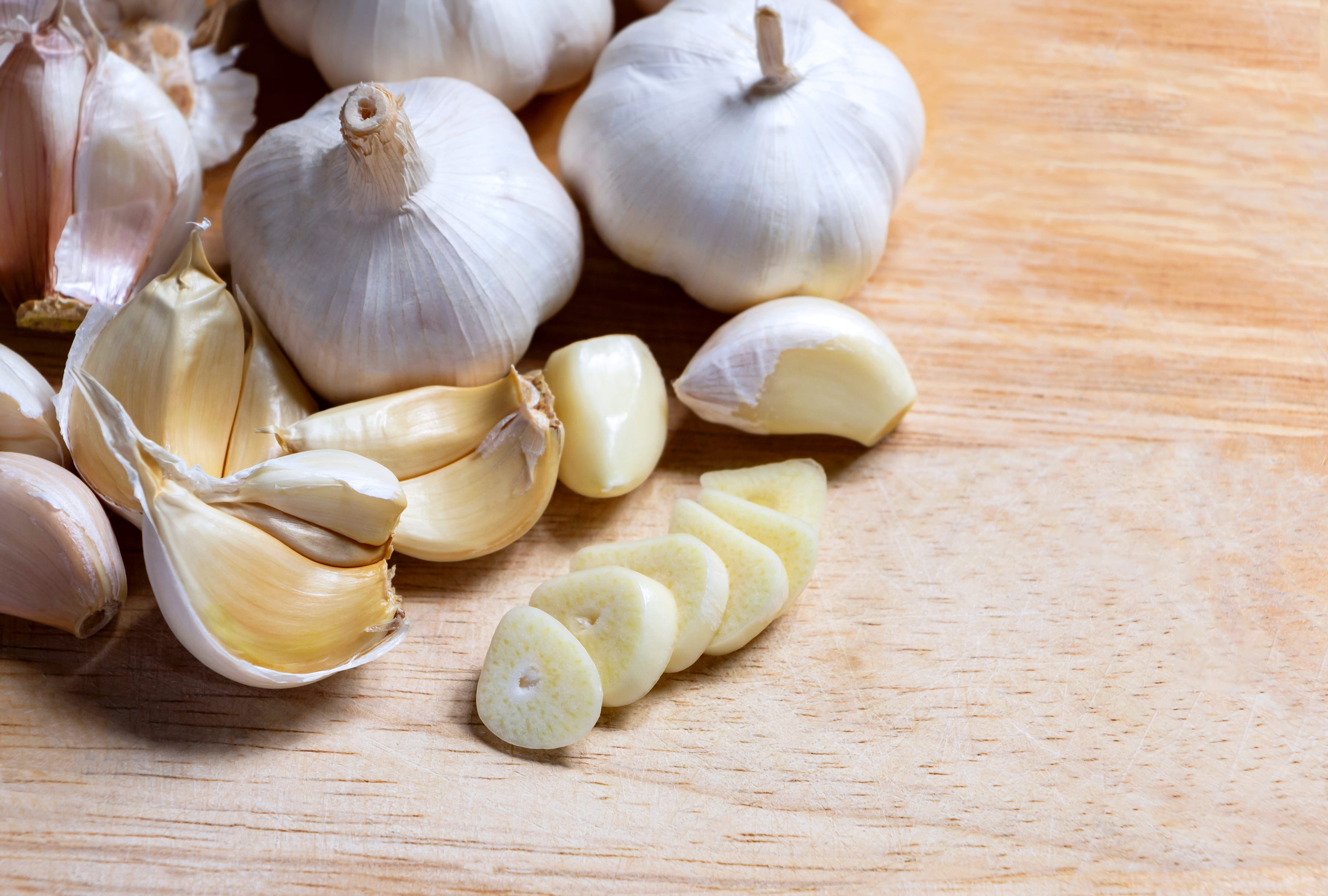
Garlic might be one of the most unexpected foods on this list.
Most people associate garlic with strong breath, and for good reason. Its sulfur-containing compounds can contribute to lingering garlic breath. Some of these compounds can also be detected in skin emissions.
But a 2016 study published in Appetite discovered something surprising: garlic consumption was associated with more attractive underarm odor in certain experiments.
The researchers conducted three experiments involving male participants who provided underarm odor samples and female participants who rated them.
In one experiment, consuming 12 grams of crushed raw garlic was associated with more pleasant, more attractive, and less intense underarm odor.
A separate experiment involving garlic capsules also found higher attractiveness ratings, although the difference in pleasantness was not statistically significant.
Interestingly, the first experiment, which used a smaller amount of garlic, did not produce significant differences.
The findings do not mean you should start eating garlic before every date. The observed differences were modest, and the experiments involved isolated underarm samples rather than real-life interactions.
Still, they show an important point: a food that affects breath negatively does not necessarily affect underarm odor the same way.
Red Meat May Influence How Sweat Smells
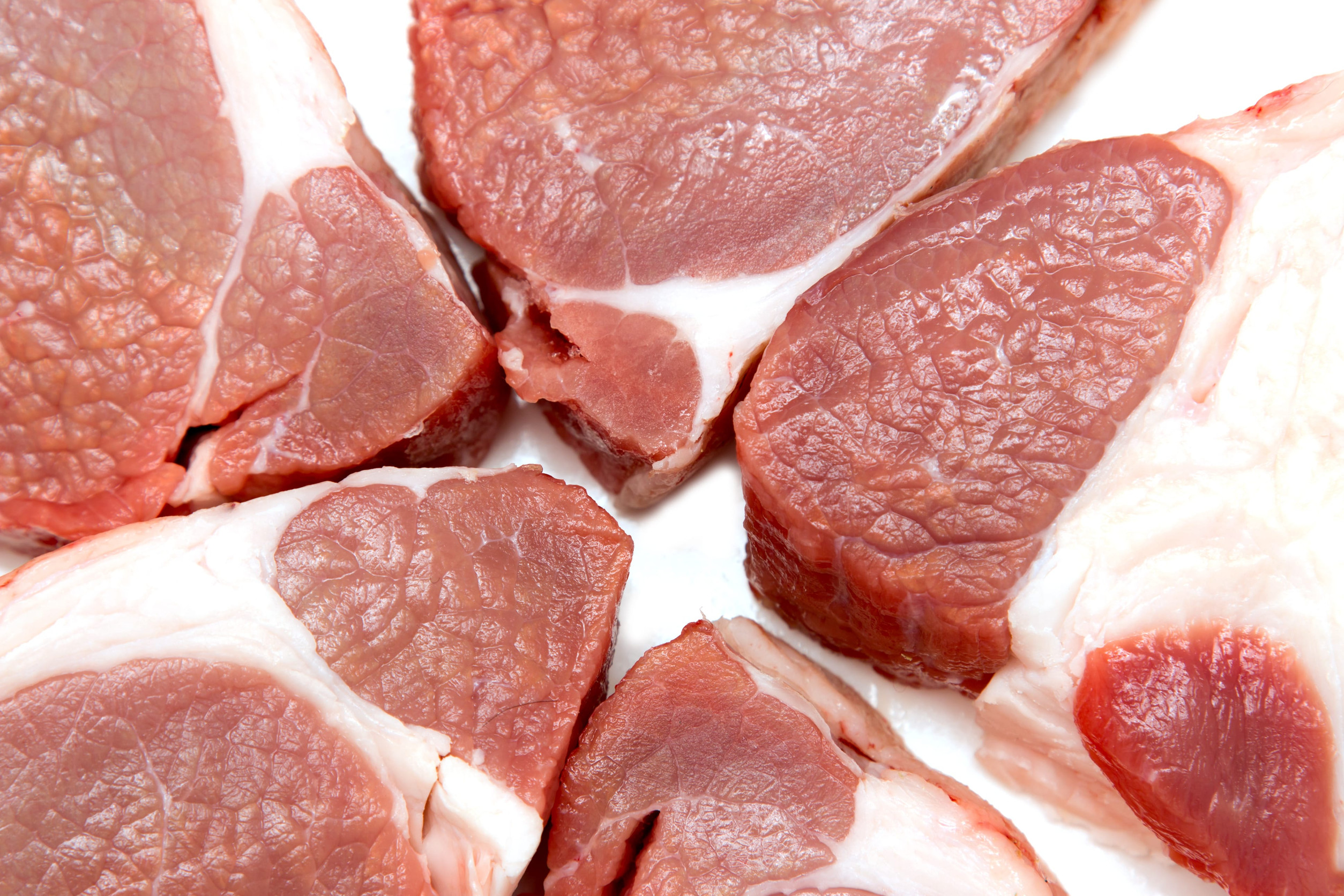
Red meat has also attracted attention in research examining diet and body odor.
A 2006 study published in Chemical Senses investigated whether eating meat could influence the attractiveness of men’s natural body odor.
Seventeen men participated in the experiment. Each followed both a meat-based and a nonmeat diet for two weeks, and researchers collected underarm odor samples during the final 24 hours of each period.
Thirty women then evaluated the samples.
The results suggested that odor collected during the nonmeat dietary period was rated as more pleasant, more attractive, and less intense than odor collected during the meat-eating period.
This sounds like a strong argument against red meat, but the findings need some perspective.
The study involved a small group of participants and short dietary periods. It also measured isolated underarm samples rather than how people smelled in everyday situations.
Additionally, a later 2017 study found that a combined category of meat, eggs, and tofu was associated with more pleasant-smelling sweat. Because these foods were grouped together, researchers could not determine which individual food was responsible.
In other words, the science does not support a universal rule that everyone who eats meat has less attractive body odor.
Pineapple Probably Won’t Make You Smell Sweeter
Pineapple has developed quite a reputation as a food that supposedly makes someone’s natural scent sweeter.
You may have heard claims that eating it regularly changes how someone’s sweat, semen, or vaginal secretions smell or taste.
The problem? Credible human research doesn’t support these claims.
Although research has linked overall fruit and vegetable consumption to more pleasant underarm odor, that doesn’t mean every fruit produces the same effect.
No controlled human study in the available research has shown that eating pineapple makes someone’s natural body scent sweeter.
So enjoy pineapple because you like it, but don’t treat it as a scientifically proven fragrance trick.
Citrus Fruits and Herbs Are Not Guaranteed Deodorants
Lemons, oranges, parsley, rosemary, and mint are often mentioned in conversations about foods that improve natural scent.
Some of these foods have interesting research behind them, but the details matter.
For example, lemon juice has been investigated for its ability to reduce garlic-related breath compounds. Mint has also shown promising results in human breath experiments.
However, these findings do not establish that eating citrus fruits or herbs makes underarm sweat more attractive.
Rosemary is another example. Certain compounds found in rosemary have reduced garlic-related odor compounds in laboratory experiments, but that does not prove that eating rosemary produces the same effect in the human body.
The same caution applies to chlorophyll supplements, which are sometimes marketed as natural internal deodorants. Available evidence is limited, and research has not established that they reliably improve ordinary sweat odor.
Your Natural Body Scent Is About More Than Food
Food is only one part of the picture.
Your skin naturally contains bacteria that interact with substances released by sweat glands. These interactions produce many of the compounds responsible for underarm odor.
Genetics also matters. Certain genetic variations influence the production of underarm odor precursors, helping explain why some people naturally produce less noticeable underarm odor than others.
Hormones, age, personal hygiene, clothing, medications, and individual metabolism can also influence how someone smells.
This explains why two people can eat exactly the same meal and experience different changes in their natural scent.
So, What Should You Actually Eat?
No scientifically established diet guarantees more attractive body odor. Researchers have not identified a perfect combination of fruits, vegetables, herbs, or supplements that works for everyone.
However, the available evidence offers a few practical takeaways.
Eating a variety of fruits and vegetables aligns with limited research linking produce-related dietary markers to more pleasant underarm odor. Apples, lettuce, and mint may also help reduce garlic breath, although that is a separate issue from body scent.
You do not need to eliminate red meat, avoid every sulfur-containing vegetable, or spend money on chlorophyll supplements based on popular odor advice.
And remember, food is not a replacement for regular bathing, clean clothes, dental care, or appropriate attention to persistent changes in body odor.
Ultimately, your natural scent is influenced by several biological and environmental factors. Your diet may contribute, but no magic fruit or secret ingredient turns someone into a walking bottle of perfume. The best approach is to enjoy a varied diet, maintain good personal hygiene, and be cautious about treating social media food hacks as scientific facts.