When a winter storm knocks the power out, the kitchen is often the first place people gather. The range is right there, the oven door is easy to open, and on a cold night it can look like the quickest way to take the chill off the room.
The American Red Cross says that move should never happen. Its winter storm guidance warns households never to heat a home with a cooking oven or stove, and it asks families to keep anything that could catch fire at least 3 feet from space heaters and fireplaces while using battery lights instead of candles.

The oven and stovetop are for cooking only
The Red Cross winter storm page is direct about it: to avoid carbon monoxide poisoning and home fires, never heat a home with a cooking oven or stove. The same page notes that carbon monoxide trouble is common during outages, when people turn to other ways to heat and cook.
Gas burners left running for hours, or an oven propped open, were never designed to warm a living space. The U.S. Fire Administration repeats the same message in its home heating fire safety guidance, which says plainly to never use an oven to heat a home. Kitchen appliances belong to the meal, not the thermostat.
That rule matters even more this time of year, when ovens are already working overtime. Holiday cooks looking to spread the load sometimes lean on countertop gadgets, and a frenzhub.com comparison on how to free up the oven this Thanksgiving looks at air fryers and toaster ovens for side dishes. Those gadgets are for food too, never for room heat.
Grills, camp stoves and generators stay outdoors
A power outage can tempt people to bring outdoor cooking gear inside. The Red Cross warns against it: generators, grills and camp stoves should only be used outdoors and away from windows. Its separate power outage guide adds that a gas stove should not be used to heat a home and that outdoor stoves should not be used indoors for heating or cooking.
For a hot meal during a long outage, the safer plan is food that needs no cooking at all: canned goods with a manual can opener, crackers, peanut butter, shelf-stable milk and bread. The Red Cross also urges households to install carbon monoxide alarms and smoke alarms with battery backup. A craftingyourhome.com checklist of kitchen and smoke alarm checks to finish before Thanksgiving guests arrive covers the same habit of testing alarms before the busy season.
Storm watchers can also get a head start on what a forecast means. A craftingyourhome.com explainer on what a “particularly dangerous situation” tag means on blizzard and ice storm warnings breaks down the language forecasters use when a storm is serious.

Space heaters need 3 feet of clear space
The Red Cross tells families to use care with space heaters and fireplaces and to keep anything that could catch fire at least 3 feet, or 1 meter, from the heat. In a kitchen or dining room, that list is longer than it seems: dish towels, paper grocery bags, table linens, cookbooks, oven mitts and the stack of takeout menus by the door.
The U.S. Fire Administration gives the same 3-foot distance and adds that space heaters should be turned off when leaving the room or going to bed. Anyone setting up a heater near the dinner table during an outage should keep the tablecloth edge and chair cushions well clear of it.
Cozy winter evenings do not have to rely on extra heat sources, either. A frenzhub.com roundup of simple cozy crafts for a very hygge winter leans on blankets, warm drinks and handmade comforts, and a frenzhub.com guide on how to save money for an emergency fund covers the budgeting side of being ready for a rough winter.
Battery lights instead of candles
Candles feel natural on a dark winter table, but the Red Cross advises avoiding them during a storm because of the fire hazard. Its guidance is to use battery-powered lights and flashlights instead, and its outage page repeats the same advice: flashlights, not candles.
A few battery lanterns kept in a kitchen drawer, along with spare batteries, make it easier to find the can opener, check the refrigerator or serve a cold supper safely. Headlamps help too, since they leave both hands free for pouring and plating. Glow sticks and small solar lanterns are other options that keep an open flame off the table, which matters most in homes with children, pets or crowded holiday counters.
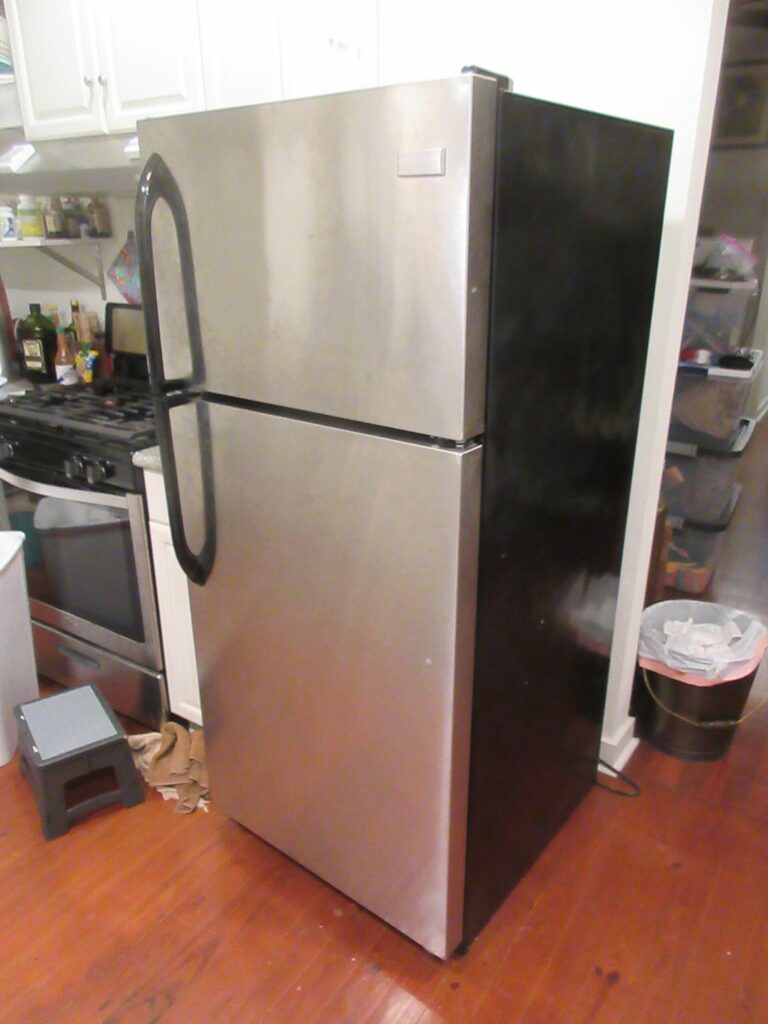
Keep the refrigerator and freezer closed
The food side of an outage has its own rules. The Red Cross power outage guide says an unopened refrigerator keeps food cold for about 4 hours, while a full freezer holds its temperature for about 48 hours, or 24 hours if it is half full, as long as the door stays shut. It recommends eating fresh, perishable foods first and keeping a thermometer in the refrigerator, freezer or cooler.
Food that has been warmer than 40 degrees Fahrenheit should be thrown out, according to the same guidance, and the federal FoodSafety.gov power outage chart lists which items to keep or discard. The Red Cross sums it up in one line: when in doubt, throw it out. Packing a cooler with ice for milk, leftovers and condiments buys extra time, and grouping frozen items together helps them stay cold longer. Ready.gov’s winter weather page rounds out the preparation list for households that want supplies on hand before the next storm, from water and nonperishable food to a battery radio. A short checklist taped inside a pantry door, listing the can opener, flashlights, batteries and cooler, can make the first dark hour of an outage far calmer for everyone in the house.
This article was produced with AI assistance and edited for accuracy against the sources linked above.
Image: Lisafern – CC0/Wikimedia Commons